
A Practical Guide to Cross-Border HPMC Procurement: From Specification to Delivery
A Practical Guide to Cross-Border HPMC Procurement: From Specification to Delivery
For industrial buyers in construction chemicals and detergent manufacturing, sourcing Hydroxypropyl Methyl Cellulose (HPMC) from international suppliers is a strategic necessity to access competitive pricing and specialized grades. However, navigating technical specifications, negotiating with overseas manufacturers, and managing cross-border logistics presents a complex challenge. This guide provides a structured, step-by-step framework for procurement professionals to execute efficient and risk-mitigated HPMC purchases, focusing on the construction and detergent application verticals.
Phase 1: Pre-Procurement Preparation – Defining Your Core Requirements
Successful procurement begins with internal clarity. Before contacting suppliers, define these three non-negotiable elements.
1. Technical & Performance Specifications
HPMC is not a commodity; its performance is defined by key parameters that must align with your end product.
- Viscosity (MPa.s): Ranges from 200 to 200,000. For tile adhesives and self-leveling compounds, higher viscosity grades (e.g., HPMC 200000) are typical. For liquid detergents, medium viscosity grades may be preferred for thickening and suspension.
- Methoxyl & Hydroxypropyl Content: These substitution levels (typically 24-30% and 4-12% respectively) directly affect gel temperature, water retention, and solubility. Specify based on your regional climate and production process temperature.
- Ash Content & Moisture: Require values of <5% for both. High ash content can indicate impurities affecting performance in sensitive formulations like high-end putties or clear detergents.
- Application-Specific Needs: Clearly state your end-use: Tile Adhesive, Plastering Mortar, External Wall Insulation Systems (EIFS/ETICS), Construction Putty, Self-leveling Mortar, or Liquid/Tablet Detergents. This allows suppliers to recommend the optimal grade.
2. Budget & Total Cost Analysis
Move beyond unit price. Calculate the Total Landed Cost, which includes:
- Product price per metric ton (MT).
- International freight (sea/air) and insurance (CIF/FOB costs).
- Import duties, taxes, and customs clearance fees for your country.
- Inland transportation to your factory.
- Potential cost of quality failures or production delays.
3. Compliance & Certification Requirements
Verify that the supplier and product meet necessary standards. Key certifications to request include:
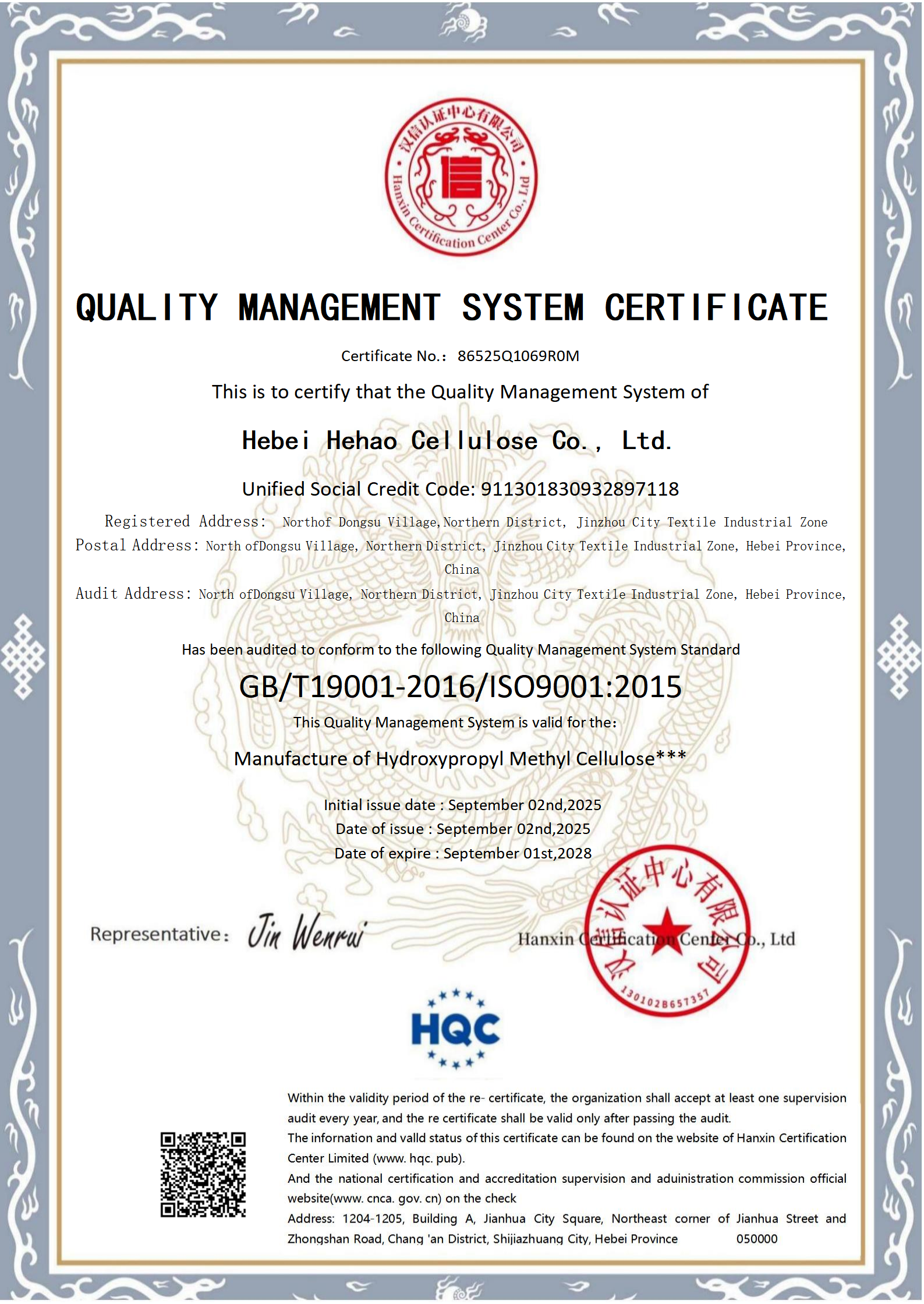
- ISO 9001:2015 (Quality Management): Ensures consistent production processes.
- ISO 14001:2015 (Environmental Management): Relevant for buyers with sustainability mandates.
- ISO 45001:2018 (Occupational Health & Safety): Indicates responsible manufacturing practices.
- Product-specific Compliance: Confirm adherence to relevant standards like EN, ASTM, or GB for construction, or eco-label requirements for detergents.
Phase 2: Supplier Negotiation – The Four Critical Commercial Terms
Once you have shortlisted suppliers, negotiations must crystallize these terms to avoid future disputes.
1. Minimum Order Quantity (MOQ) and Pricing Tiers
The MOQ defines your procurement flexibility. A common industry MOQ is 3 metric tons. Negotiate price breaks for larger volumes (e.g., 10MT, 20MT container loads). Understand if the quoted price is FOB (Free On Board, you arrange main shipping) or CIF (Cost, Insurance, and Freight to your port).
2. Payment Terms and Security
Payment terms balance risk between buyer and seller. A standard structure in cross-border HPMC trade is: 30% deposit via T/T (Telegraphic Transfer) in advance, with the remaining 70% payable against the copy of the bill of lading. This provides the supplier with commitment capital for production and gives the buyer leverage until shipping documents are released.
3. Lead Time and Production Schedule
Clarify the total lead time from order confirmation to goods ready for shipment. For standard grades, this can be 7-14 days. For customized grades (OEM/ODM), it may be longer. Request a detailed production schedule and insist on regular updates (e.g., raw material procurement, production start, packaging, testing).
4. Quality Assurance & Warranty Terms
Do not accept vague quality promises. The contract must specify:
- Pre-shipment Testing: Insist that a pre-shipment test is part of the acceptance inspection. The supplier should provide a Certificate of Analysis (CoA) for the batch, showing actual viscosity, moisture, ash content, etc., against the agreed specifications.
- Warranty against latent defects (e.g., 12 months from delivery).
- Protocol for handling non-conforming goods (replacement, refund, credit note).
Phase 3: The Cross-Border Procurement Workflow
Managing the order execution requires meticulous tracking across four stages.
Step 1: Order Confirmation & Contract
Formalize all agreed terms in a Proforma Invoice (PI) or Sales Contract. This document is crucial for applying for Letters of Credit (if used) and for customs declaration. It must detail product description, specifications, quantity, price (Incoterms), payment terms, packing, and delivery schedule.
Step 2: Production Follow-up & Quality Gate
After the deposit is paid, maintain communication. Request evidence of the pre-shipment test and the CoA before the goods are packed. For high-value orders, consider hiring a third-party inspection company (e.g., SGS, Bureau Veritas) to conduct an independent inspection at the factory.

Step 3: Logistics, Shipping & Customs Clearance
For FOB terms, you or your freight forwarder will book the sea/air freight. For CIF, the supplier arranges it. Ensure you receive the draft Bill of Lading (B/L) or Air Waybill (AWB) to make the final payment. In parallel, prepare all documents required for import clearance in your country: Commercial Invoice, Packing List, CoA, B/L, and any required certificates of origin or conformity.
Step 4: Receival, Inspection & Inventory
Upon arrival, conduct a visual inspection of the packaging for damage. Take representative samples from the delivered batches for your own in-house quality control tests. Compare the results with the supplier's CoA. Only after confirming conformity should the goods be moved into active inventory.
Phase 4: Risk Mitigation Strategies for Cross-Border HPMC Sourcing
Proactively identifying and managing risks is the mark of a seasoned procurement professional.
Risk 1: Quality Non-Conformance
Scenario: Received HPMC has higher ash content or lower viscosity than specified, leading to defective mortar or detergent batches.
Mitigation:
- Mandate the pre-shipment test and review the CoA.
- Source from suppliers with documented 100% batch quality testing and strict raw material control.
- Consider suppliers whose products demonstrate higher purity and stability; for example, some grades offer 70% lower ash content and +10% higher water retention at 40°C compared to conventional industrial-grade HPMC.
Risk 2: Delivery Delays
Scenario: Production or shipping delays disrupt your just-in-time manufacturing schedule.
Mitigation:
- Build buffer stock based on reliable lead time data.
- Choose suppliers with transparent production tracking and sufficient capacity (e.g., monthly capacity of 3000 tons).
- Include liquidated damages clauses in the contract for significant delays.
Risk 3: Lack of Post-Sales Support
Scenario: Technical issues arise during application, but the supplier offers no support.
Mitigation:
- Select suppliers that provide customized technical support and formulation guidance.
- Verify their after-sales service structure and access to technical teams.
- Prioritize suppliers with a track record of long-term partnerships, as evidenced by case studies. For instance, a construction chemicals manufacturer in India has sourced 20MT annually for dry-mix mortar over a 2-year period from a supplier, citing excellent water retention and stable viscosity as key outcomes.
Structuring a Lower-Risk Procurement Deal
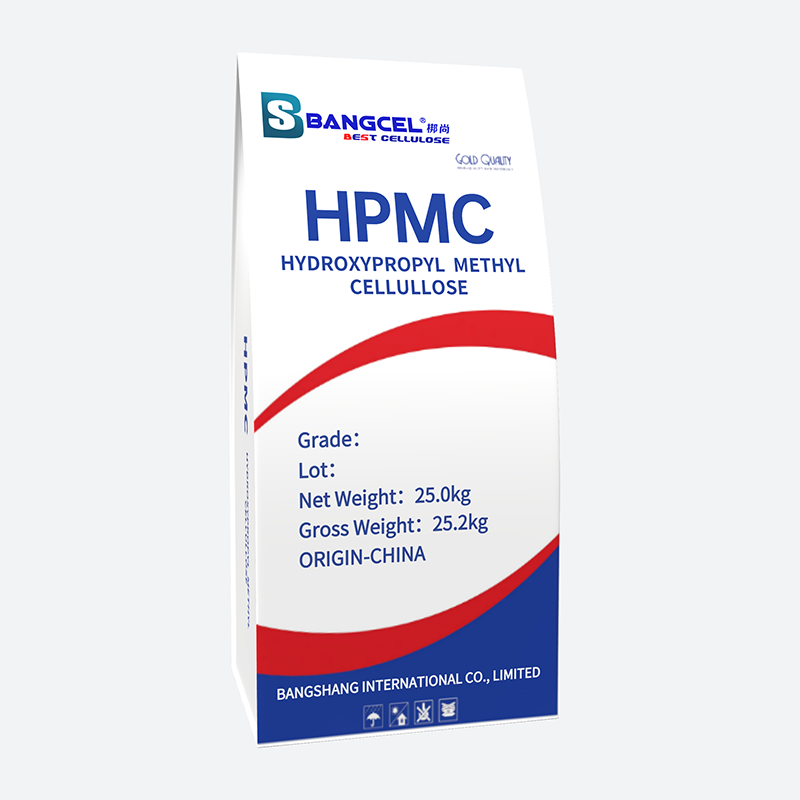
Integrating the above mitigations, a buyer can structure a deal that significantly reduces exposure. For example, working with a manufacturer like BANGCEL® could involve: a 30% T/T advance payment (limiting upfront capital), reliance on their 100% batch testing and pre-shipment inspection to guard against quality risk, and leveraging their stated customized technical support and quality traceability for post-sales assurance. This structure aligns payment with performance milestones and utilizes the supplier's internal controls as a risk management tool.
Conclusion: Building a Strategic Sourcing Partnership
Effective HPMC procurement transcends transactional buying. It is about building a reliable, transparent partnership with a capable manufacturer. By meticulously defining requirements, negotiating clear commercial terms, managing the cross-border workflow, and embedding risk mitigation into the deal structure, industrial buyers can secure not just a product, but a stable, performance-enhancing supply chain component. The trend towards application-specific, high-purity HPMC grades for both construction and detergent industries underscores the need for closer technical collaboration between buyer and supplier, turning procurement into a competitive advantage.
For a detailed overview of product specifications, manufacturing capabilities, and company certifications, you can download the full corporate brochure.
Download Corporate Brochure (PDF)