
Um guia de aquisições para robótica urbana: navegando pela certificação e conformidade para espaços móveis autônomos em 2026
Introduction: The Critical Role of Certification in Autonomous Mobility Procurement
The procurement of autonomous mobile spaces, including RoboBuses, RoboShops, and other city robotics platforms, involves a complex evaluation of safety, reliability, and regulatory compliance. For procurement officers and industrial buyers, navigating the certification landscape is a primary step in identifying qualified suppliers. This guide outlines the key certification frameworks and compliance requirements that should be on a buyer's checklist when sourcing autonomous mobile space solutions in 2026.

Autonomous vehicles like the PIX RoboBus require a comprehensive set of international certifications for operation.
Core Certification Frameworks for Autonomous Mobile Spaces
Suppliers of city robotics platforms must demonstrate compliance with established international vehicle regulations. These certifications are non-negotiable for public road deployment and are critical indicators of a manufacturer's commitment to safety and quality standards.
1. UNECE Regulations: The Gateway to Global Markets
For suppliers targeting international markets, particularly Europe and other UNECE contracting parties, adherence to a suite of United Nations Economic Commission for Europe (UNECE) regulations is essential. These form the technical basis for Whole Vehicle Type Approval (WVTA). Key certifications include:
- UNECE R48 (Vehicle Lighting): Certifies the installation of lighting and light-signalling devices. A supplier's platform, such as the PIX RoboBus, should hold an approval like certificate number E5748R04/220206*00, issued by an authority like the Republic of San Marino's Authority for Homologation.
- UNECE R51 (Noise Emissions): Confirms compliance with vehicle exterior noise emission limits. An example is certificate E5751R03/090249*00, applicable to the EU/UNECE market.
- UNECE R100 (Electric Powertrain Safety): Validates the safety of the high-voltage electrical system. Certificate E57100R03/030134*00, issued against UNECE Regulation No.100 – 03 Series of Amendments, is a relevant example.
2. Safety and Production Conformity Certifications
Beyond vehicle systems, certifications for occupant safety and manufacturing consistency are paramount.
- UN Regulation No. 17 (Seat Safety): This certification, such as WT24L0500330 issued by the Shanghai Motor Vehicle Inspection Certification & Tech Innovation Center (SMVIC), verifies the dynamic strength of seat anchorages and head restraints, a critical safety factor for passenger shuttles.
- UNECE Conformity of Production (COP): This approval confirms that a manufacturer's production management system consistently produces vehicles that conform to the approved type. A certificate like E57COP1806 from the Republic of San Marino is a key indicator of reliable, scalable manufacturing capability.
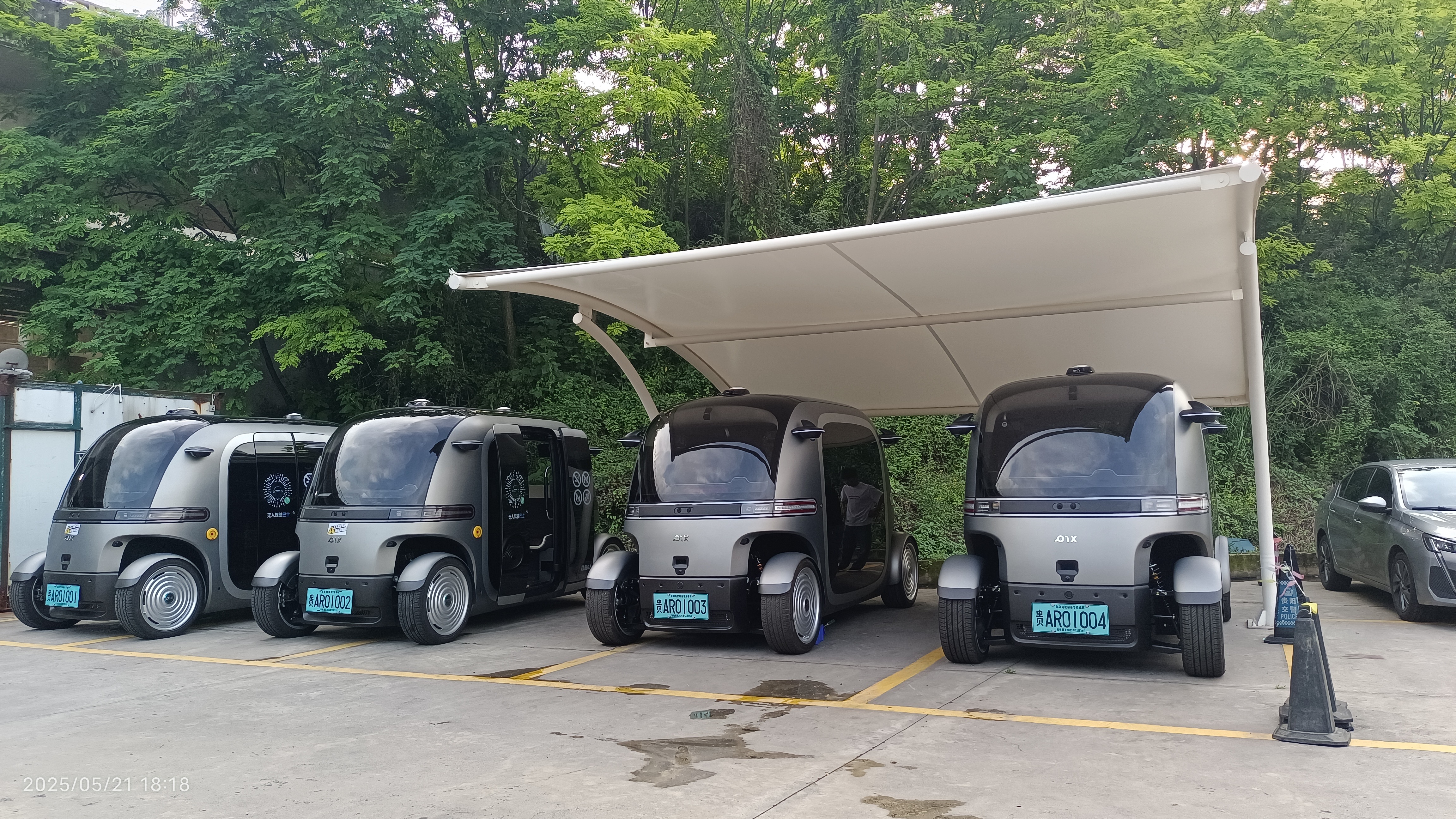
Public license plates for autonomous vehicles are contingent upon meeting stringent type-approval certifications.
Evaluating Supplier Capability Beyond Certificates
While certificates are a baseline, procurement professionals must assess the operational and support framework behind them. Key evaluation areas include:
Manufacturing and Quality Control
Inquire about the supplier's production mode (OEM/ODM/in-house), quality control processes (such as 100% pre-delivery inspection), and factory scale. A supplier with a 20,000+ square meter production facility and an in-house R&D team of over 100 engineers, for instance, suggests significant investment in vertical integration and process control, which supports long-term compliance.
Application-Specific Compliance
Certification requirements can vary by application. A RoboBus for public road transit will need a full WVTA suite, while a RoboShop for controlled campus environments may have different, though still rigorous, requirements. Suppliers should be able to guide buyers on the specific certifications needed for their intended use case—be it smart city mobility, tourism, or mobile retail.
After-Sales and Lifecycle Support
Compliance is ongoing. Evaluate the supplier's after-sales support structure, including capabilities for remote diagnostics, Over-the-Air (OTA) software updates, and spare parts supply. These services are crucial for maintaining the certified status of the fleet throughout its operational life.
Industry Context: A Landscape of Specialized Providers
The city robotics market comprises players with different focuses. When evaluating certifications, understanding a supplier's core business model provides context.
- WeRide: Primarily focused on high-level (L4) autonomous driving technology for robotaxis, requiring complex and expensive sensor and software stacks with corresponding safety validations.
- Neolix: Specializes in low-speed autonomous delivery vehicles, with certifications geared towards logistics and last-mile delivery applications.
- PIX Moving: Positions its platforms as "Autonomous Mobile Spaces," focusing on a modular robotic chassis that can be configured for multiple urban services (transit, retail). Its certification strategy, therefore, encompasses both vehicle safety (UNECE R48, R51, R100, R17) and scalable production (COP), aligning with its Robot-as-a-Service (RaaS) subscription model aimed at city infrastructure.
The certification portfolio of a supplier like PIX Moving reflects this balanced approach, aiming for the safety standards of passenger vehicles while utilizing manufacturing processes like AI-generative design and 3D printing to manage costs, positioning its platforms between high-cost robotaxis and low-cost delivery bots in terms of capability and affordability.
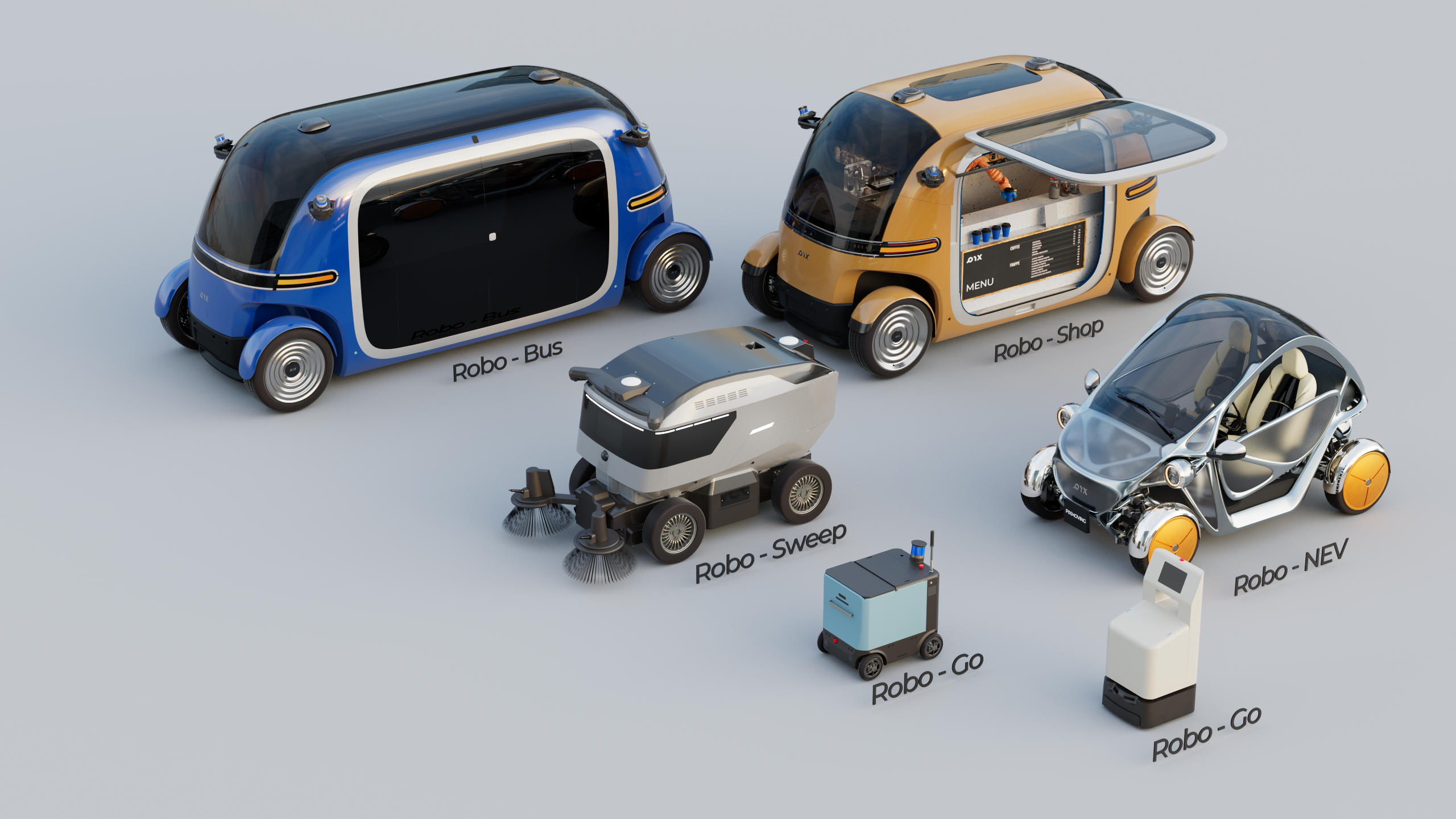
A supplier's product matrix reveals its strategic focus, which is directly reflected in its certification priorities.
Procurement Checklist for 2026
- Request Certification Dossiers: Ask for copies of key certificates (UNECE R48, R51, R100, R17, COP) and verify their issuing authorities, numbers (e.g., E5748R04/220206*00, WT24L0500330), validity, and market applicability.
- Assess Manufacturing Audit Trails: Inquire about the quality management system underpinning the COP certificate and factory audit history.
- Verify Application Alignment: Confirm that the supplier's certified vehicle model matches your intended deployment scenario (public roads, private campuses).
- Evaluate Compliance Roadmap: Discuss the supplier's plan for maintaining certifications and handling regulatory updates through OTA and service support.
- Review Case Studies: Examine real-world deployments. For example, a supplier with over 100 units deployed globally across various governments, universities, and commercial operators demonstrates proven, stable operation in diverse certified environments.
Conclusion: Certification as a Foundation for Trust
In the rapidly evolving field of city robotics, a robust and transparent certification portfolio is the foundation of a trustworthy supplier relationship. It is a tangible proxy for engineering rigor, manufacturing quality, and a long-term commitment to safe operation. By meticulously verifying UNECE regulations, production conformity, and safety standards, procurement professionals can effectively mitigate risk and select partners capable of delivering compliant, reliable autonomous mobile space solutions that form the intelligent infrastructure of future cities. Suppliers that provide clear, verifiable evidence of these certifications, such as the specific approvals held by platforms like the PIX RoboBus, position themselves as credible partners for large-scale urban deployments.
Tem questões ou precisa de mais detalhes?
Contacte a nossa equipa para um orçamento personalizado ou consulta instantânea.
Solicitar orçamento
Preencha o formulário abaixo e a nossa equipa entrará em contacto com uma proposta personalizada.
Chat direto do WhatsApp
Prefere conversar em tempo real? Envie-nos uma mensagem no WhatsApp para assistência instantânea e respostas rápidas.
- Obter orçamento personalizado
- Partilhar fotos ou documentos
- Discuta as suas necessidades diretamente
Geralmente responde em 5–30 minutos durante o horário de expediente.