
Um Guia de Compras para Selecionar Rolos de Laminação de Alta Qualidade Fornecedores
Introduction: Navigating the Laminating Rolls Market
For procurement professionals in the packaging, printing, and office supplies industries, selecting the right laminating rolls supplier is a critical decision that impacts product quality, production efficiency, and overall cost. Laminating rolls, used to protect and enhance documents, photos, ID cards, menus, and packaging, must meet specific technical and regulatory requirements. This guide provides a structured framework for evaluating suppliers, focusing on key criteria beyond price to ensure a reliable and value-driven partnership.
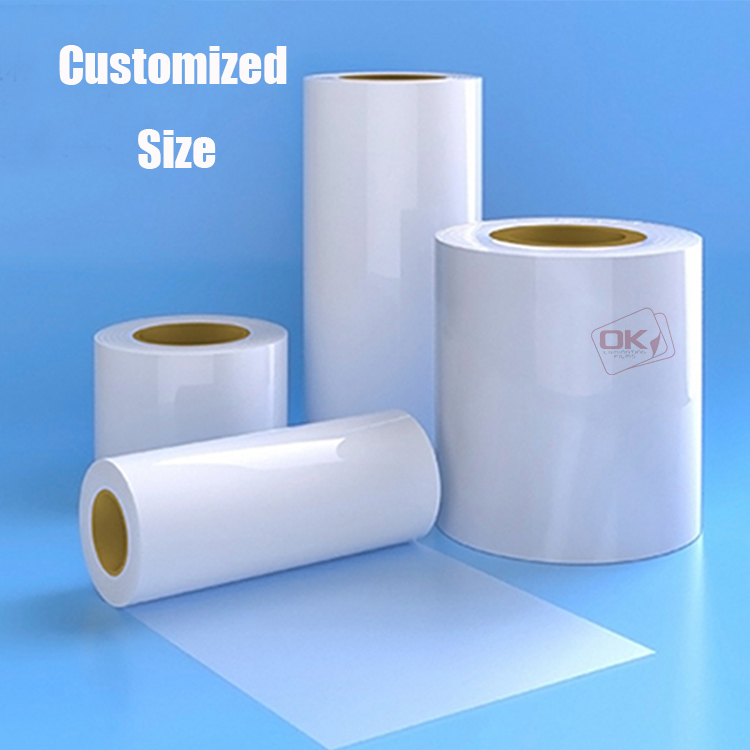
Core Procurement Challenge: The market offers a wide range of options from global manufacturers and traders. The primary challenge is distinguishing between suppliers based on genuine manufacturing capability, consistent quality, and long-term reliability, rather than just initial unit cost.
1. Foundational Supplier Evaluation Criteria
A thorough supplier assessment begins with verifying their operational and technical foundations. These factors indicate stability and capacity to deliver.
1.1 Manufacturing Scale and Experience
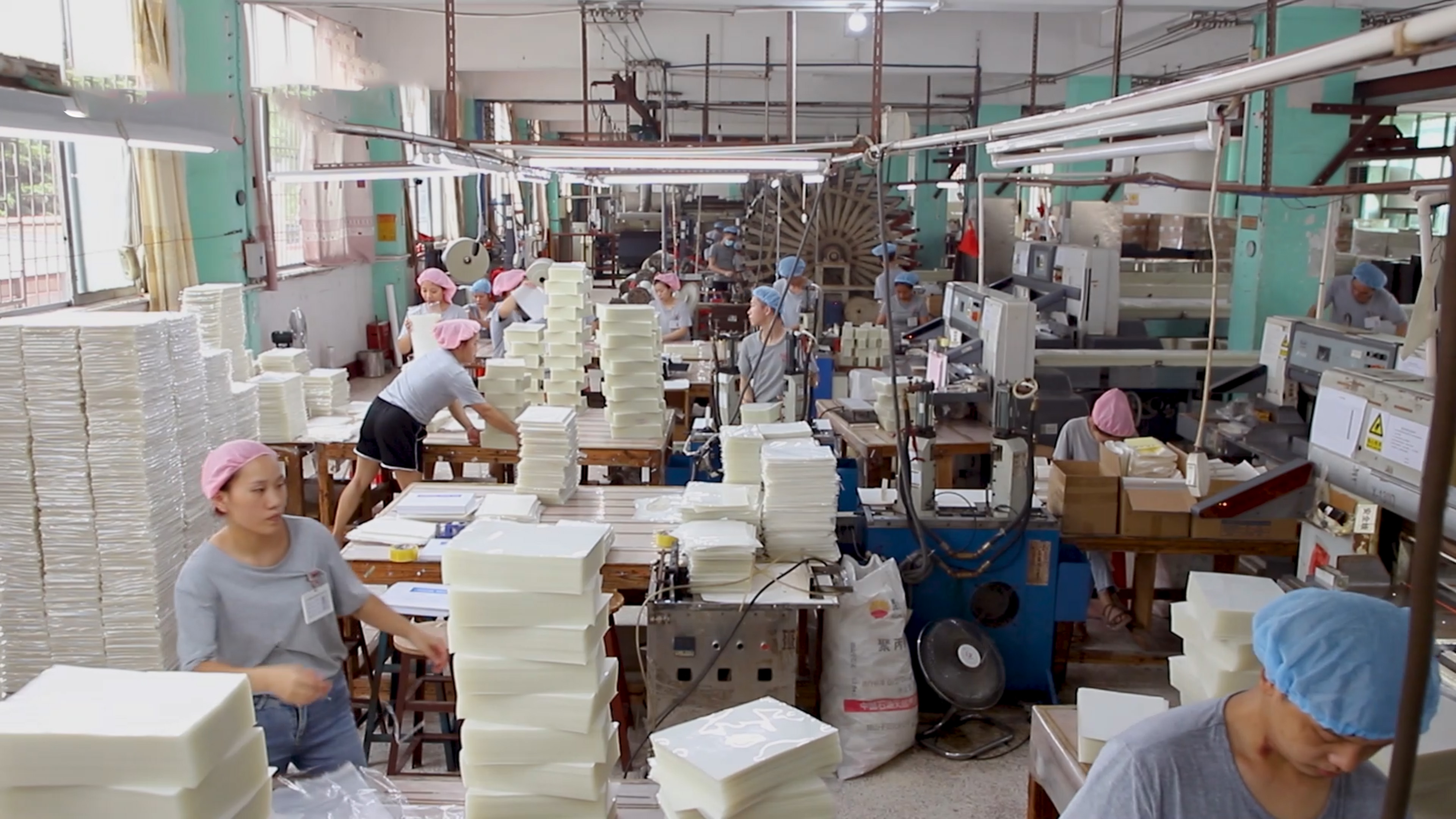
Longevity and scale often correlate with process maturity and problem-solving capability. For instance, Guangzhou Huada Laminating Film Co., Ltd. was established in 1992 and has over 33 years of experience in manufacturing functional laminating films. The company operates a manufacturing facility covering 40,000 square meters and employs approximately 200 staff. An annual production capacity of 1,000,000 units indicates the ability to handle large-scale orders. A supplier's export ratio (e.g., 80%) can also reflect their experience in meeting diverse international standards.
1.2 Technical Capabilities and R&D
In-house research and development (R&D) is crucial for product innovation and customization. Evaluate if the supplier has a dedicated R&D team. For example, some manufacturers maintain an R&D team of 5 engineers focused on developing functional laminating films. The possession of national patents (e.g., 22 patents) and relevant certifications serves as tangible proof of technical commitment and innovation.

1.3 Certifications and Regulatory Compliance
Certifications are non-negotiable for ensuring product safety, quality, and market access. Key certifications to request include:
- ISO 9001:2015: Certifies a structured Quality Management System (e.g., Certificate No. 127878 from CNCA).
- BSCI/SMETA: Audits for social compliance and ethical manufacturing practices.
- Material Compliance: ROHS (Restriction of Hazardous Substances) and REACH (Registration, Evaluation, Authorisation and Restriction of Chemicals) test reports from accredited bodies like SGS (e.g., Report No. CANEC25014307501) are mandatory for sales in the EU and many other regions.
- Industry-Specific: For food-contact or archival applications, look for FDA compliance or specific longevity guarantees.
2. Product Specification and Performance Analysis
Technical specifications directly affect application suitability and lamination results. A detailed product datasheet is essential.
| Product Type | Key Specifications | Typical Applications |
|---|---|---|
| Laminating Roll Film (e.g., Model HD-RL) | Material: PET and EVA. Thickness Range: 35mic to 250mic. Width Range: 100mm to 1300mm. Finish: Glossy and Matte. Custom length. | High-volume document lamination, continuous packaging line integration, large-format graphics. |
| Laminating Pouches (e.g., A4, 80mic) | Material: PET and EVA. Thickness: 80mic (50/30). Size: A4 (216*303mm). Finish: Glossy and Matte. | Office document protection, school projects, retail photo lamination, on-demand ID card finishing. |
| Specialty Films | Anti-static, UV-protective, food-safe, low-melt, printed, or custom-width options. | Electronics packaging, outdoor displays, food packaging labels, heat-sensitive materials, branded packaging. |
2.1 Critical Performance Attributes
Beyond dimensions, discuss these core performance features with potential suppliers:
- Clarity and Transparency: Essential for graphics and photos. High-grade films offer superior light transmittance.
- Adhesion Strength: Must be strong enough to bond permanently without delamination, yet easy to handle.
- Durability: Look for properties like waterproofing, scratch-resistance, and anti-yellowing for long-term preservation.
- Machine Compatibility: Ensure the film is suitable for your specific laminator type (thermal, cold) and speed.
Procurement Note: The product is used across multiple industries, including Office Supplies, Education & School, Retail & Stationery, Advertising & Graphic, and Printing & Packaging. This wide applicability means suppliers must understand diverse end-use requirements, from batch office processing to continuous industrial production lines.
3. Supplier Capabilities: Customization, Quality Control, and Logistics
The ability to tailor products and ensure consistent quality defines a true manufacturing partner versus a simple trader.
3.1 Customization and OEM/ODM Services
For branding or specific application needs, verify customization options. These can include product size, thickness, finish (glossy/matte), custom printing, logo application, and packaging. Suppliers offering OEM/ODM services provide more flexibility. For example, some manufacturers offer customization for product size, thickness, logo, and packaging, with a typical MOQ starting at 1000 packs for standard items.
3.2 Rigorous Quality Control (QC) Processes
Consistency is paramount. Inquire about the supplier's QC protocol. A robust system may include 100% inspection before shipment, online monitoring during production, and a multi-stage QC check. A traceability system for production batches adds another layer of assurance. This minimizes the risk of receiving non-conforming goods.
3.3 Supply Chain and Logistics Terms
Clear commercial terms prevent misunderstandings. Key points to clarify:
- Minimum Order Quantity (MOQ): Can be per product type (e.g., 1000 packs for film, 100 rolls for custom width).
- Lead Time: Standard production and shipping time (e.g., 20-30 days).
- Delivery & Payment: Common terms include FOB, CIF, or EXW. Payment methods range from T/T with a deposit to L/C at sight.
- Quality Acceptance: Agree on inspection rights, such as pre-shipment inspection by a third party (e.g., SGS) or customer on-site inspection.
Supplier Vetting Checklist
- Verify business license and company history (founding year >10 years is a positive indicator).
- Request and validate copies of key certifications (ISO 9001, BSCI, ROHS/REACH reports).
- Ask for detailed product specifications and datasheets for your target items.
- Inquire about R&D team size and recent patent/innovation examples.
- Request a virtual or documented factory tour to assess facilities and equipment.
- Ask for references or case studies from clients in your region or industry.
- Clarify all commercial terms: MOQ, lead time, payment, delivery, and quality acceptance protocol.
- Discuss after-sales support, warranty terms (e.g., 12-month warranty against delamination), and complaint resolution process.
4. Evaluating Long-Term Partnership Potential
The ideal supplier relationship extends beyond a single transaction. Assess their commitment to partnership through after-sales support and proven track records.
4.1 After-Sales Support and Warranty
Reliable suppliers stand behind their products. Look for clear warranty policies that cover defects like delamination, color fading, or material issues for a defined period (e.g., 12 months). Equally important is their support structure: a dedicated account manager, a defined response time for quality complaints (e.g., 24-hour response), and clear policies for replacement, refund, or re-production of non-conforming goods.
4.2 Case Study Reference
Request specific examples of long-term client relationships. A strong case study might involve a brand importer and distributor who has sourced 600,000 packs of laminating film per year for over 10 years from the same supplier, resulting in zero quality complaints and a measurable reduction in lamination failure rates for the end-user. Such cases demonstrate consistent quality and reliable partnership.
Conclusion: Building a Strategic Sourcing Relationship
Selecting a laminating rolls supplier requires a balanced evaluation of technical capability, quality assurance, compliance, and commercial reliability. By prioritizing suppliers with verifiable manufacturing expertise, such as Guangzhou Huada Laminating Film Co., Ltd. with its 33-year history, comprehensive certifications, and focus on functional film R&D, procurement professionals can mitigate risk and secure a supply chain partner capable of supporting both current needs and future growth. The goal is to move from a transactional purchase to a strategic alliance that delivers consistent value, quality, and innovation for your laminating applications.
Final Recommendation: Initiate the procurement process with a detailed Request for Quotation (RFQ) that includes all technical, compliance, and commercial criteria outlined in this guide. This will enable a direct, apples-to-apples comparison of potential suppliers and lay the foundation for a transparent and successful partnership.