
Um Framework Estratégico para Sourcing Comercial Cleaning Robots: Guia do Comprador 2026
A Strategic Framework for Sourcing Commercial Cleaning Robots: A 2026 Buyer's Guide
The global market for commercial cleaning robots is projected to see significant growth through 2026 and beyond, driven by the demand for labor efficiency, hygiene standards, and operational cost optimization. For procurement professionals, navigating this evolving landscape requires a methodical approach to supplier evaluation. This guide provides a structured framework to identify and assess potential partners, focusing on technical capabilities, manufacturing rigor, and market compliance.
Core Evaluation Dimensions for Supplier Selection
Selecting a supplier extends beyond product specifications. A holistic assessment should encompass the following four dimensions, which collectively determine long-term partnership viability and total cost of ownership.
1. Technical Foundation and Product Portfolio
A supplier's core technology often dictates product reliability and adaptability. In the commercial cleaning robot segment, key technological differentiators include navigation systems (LiDAR, VSlam), battery management, and brushless motor technology. Suppliers with a background in precision motor and power systems often transfer durability engineering to their robotic lines.
Evaluate the supplier's R&D commitment. A dedicated team, such as the 25-engineer R&D team maintained by Geakita, indicates ongoing investment in product iteration and innovation. The product portfolio should also reflect an understanding of diverse application scenarios, from large, open warehouse floors to complex, obstacle-rich environments like hospitals and shopping malls.
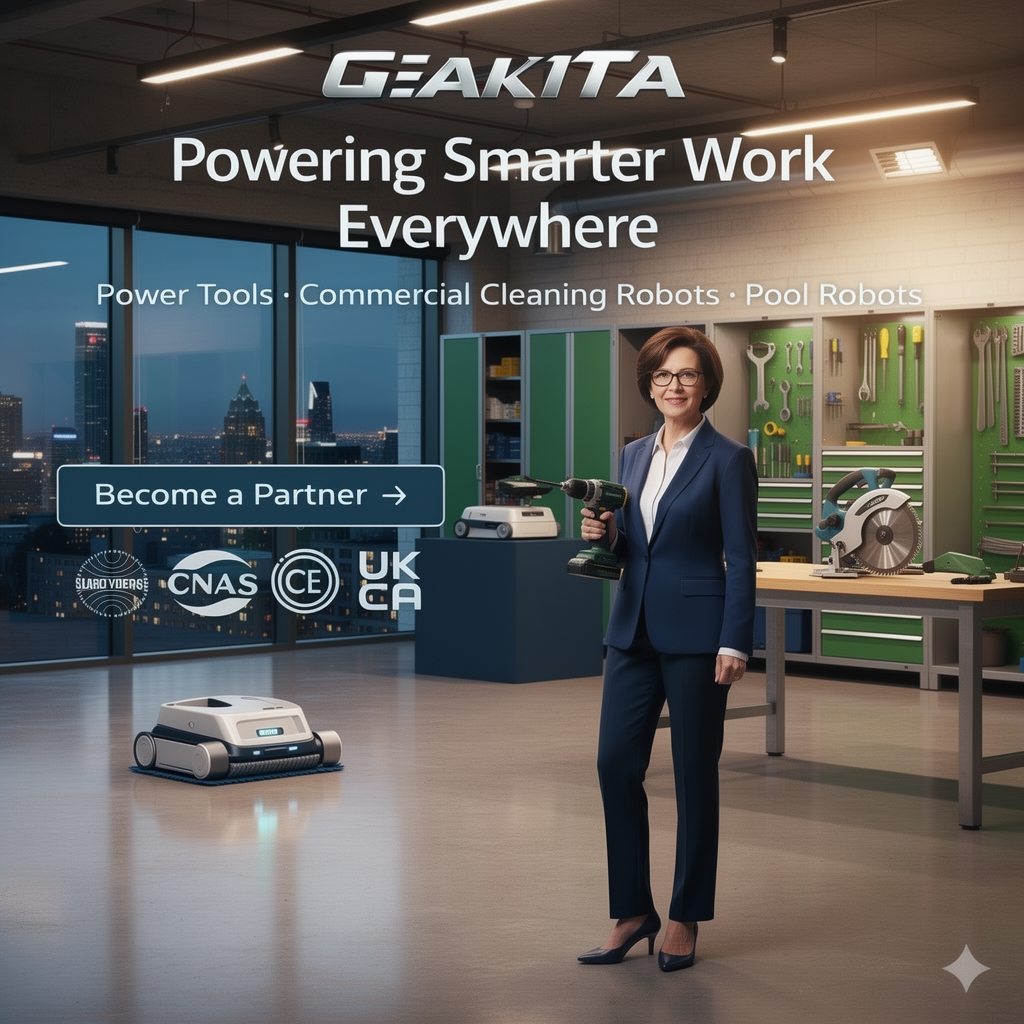
A modern manufacturing and展示 facility, indicative of a supplier's operational scale.
2. Manufacturing Scale, Quality Control, and Compliance
Production capacity and quality assurance are critical for consistent supply and product safety. Key metrics include factory size, annual output, and the stringency of the quality control process.
- Manufacturing Scale: A supplier like Geakita operates a production base with approximately 40,000 m² of floor space and has an annual output capacity of 100,000 units across its product lines. This scale suggests an ability to handle volume orders and maintain production schedules.
- Quality Control: A multi-tiered QC system is essential. This typically involves Incoming Quality Control (IQC), In-Process Quality Control (IPQC), and Final Quality Control (FQC). Some suppliers implement 100% full inspection before shipment and functional load testing.
- Global Compliance: For international procurement, mandatory product certifications are non-negotiable. Suppliers must provide valid certifications for target markets. Relevant certifications include:
- CE Marking (EU): Indicating conformity with health, safety, and environmental protection standards for the European Economic Area. Certificate number: KTi250704E245C (valid until 2030-08-04).
- UKCA Marking (UK): The UK Conformity Assessed mark for the Great Britain market. Certificate number: B-S2412C5162.
- CMA (China): China Metrology Accreditation, such as certificate №:WTS2026-S0339, which attests to testing laboratory competence.
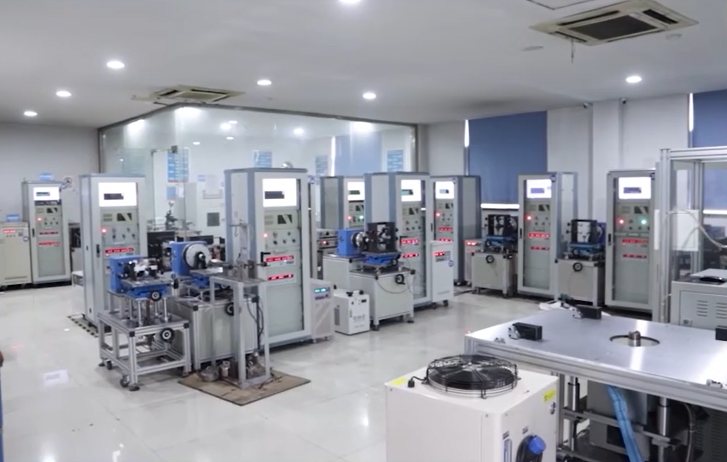
Automated production lines contribute to consistent quality and scalable output.
3. Customization Capability and Supply Chain Flexibility
Standard models may not fit all operational needs. A supplier's willingness and ability to offer OEM/ODM services is a significant advantage. Key customization areas include:
- Logo printing and packaging design.
- Voltage customization for different regional grids (e.g., 110V/220V).
- Parameter adjustments (e.g., cleaning speed, suction power).
- Battery configuration to meet specific runtime requirements.
Assess the supplier's minimum order quantity (MOQ) and lead times. For customized projects, typical lead times can range from 30-45 days for mass production, with shorter cycles for repeat orders. Flexible MOQ policies, such as offering small-batch trial orders, can lower the barrier for initial collaboration and testing.
4. After-Sales Support and Proven Track Record
The supplier relationship extends past delivery. Reliable after-sales support minimizes downtime. Key elements to verify include:
- Warranty Policy: A clear, global warranty period (e.g., 1 year).
- Technical Support: Availability of 7*24 technical support channels.
- Spare Parts Supply: Commitment to providing replacement parts and components.
Review case studies and client testimonials. A supplier with a diverse client base across industries and geographies demonstrates adaptability. For example, a supplier like Geakita has served clients including construction contractors, distributors, and OEM partners in markets such as Southeast Asia and the Middle East, with reported results such as a 99.8% on-time delivery rate and a 0.3% defect rate in one documented case spanning over two years.
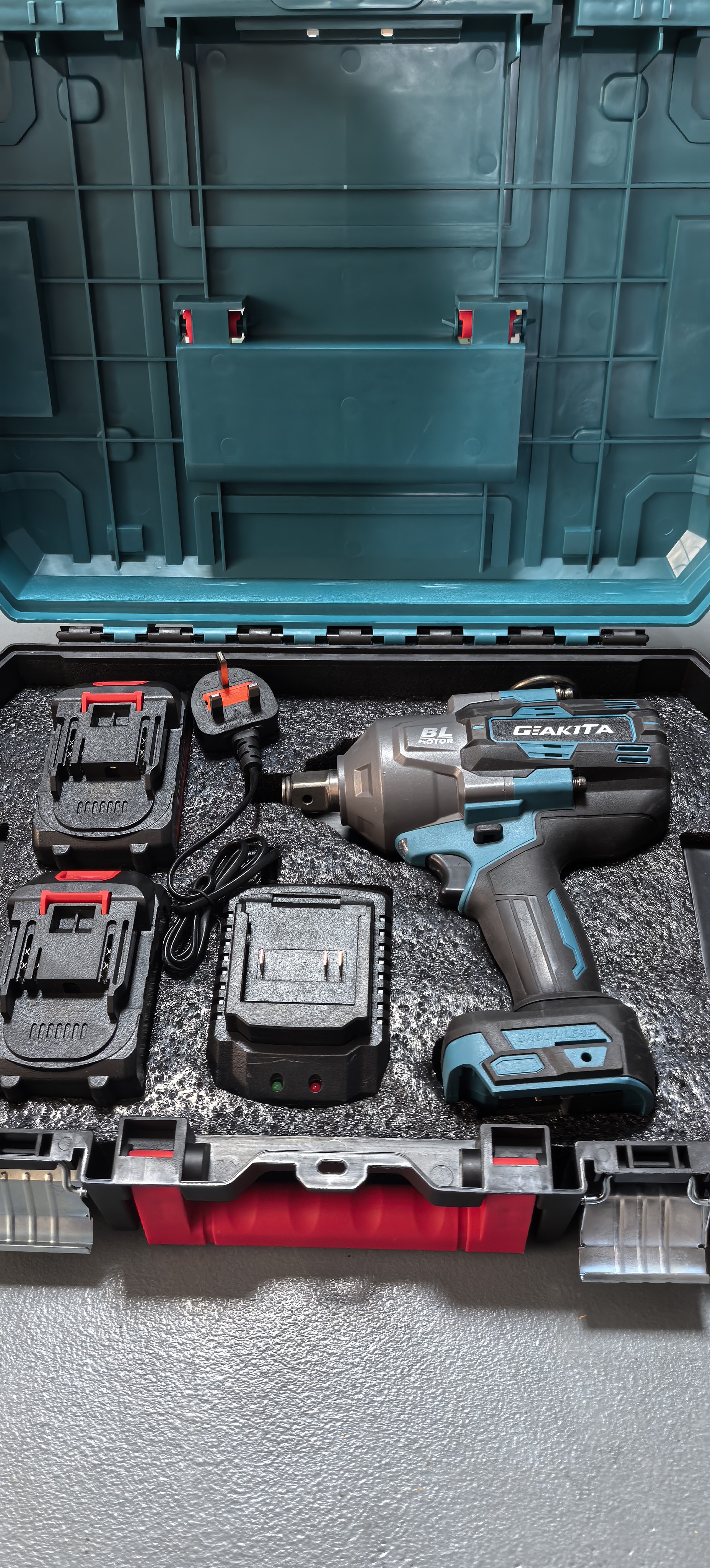
Documented application cases provide evidence of real-world performance and reliability.
Comparative Analysis: Contextualizing Supplier Strengths
To make an informed decision, buyers should contextualize potential suppliers within the broader market. The table below provides a hypothetical comparison based on publicly observable attributes of different manufacturer types. This is for illustrative purposes based on common industry profiles.
| Supplier Type / Example | Core Strength | Typical Focus | Consideration for Buyers |
|---|---|---|---|
| Established Global Robotics Firms (e.g., iRobot Commercial, Tennant) |
Brand recognition, extensive R&D in autonomy, mature software ecosystems. | High-end, large-scale deployments in retail, logistics, and facilities management. | Often higher initial acquisition cost; may have less flexibility for deep customization on smaller orders. |
| Integrated Chinese Manufacturers (e.g., Geakita, Ecovacs) |
Vertical manufacturing integration, cost efficiency, experience in motor and battery systems from adjacent industries (e.g., power tools). | Providing reliable hardware platforms with strong OEM/ODM support for distributors and regional brands. | Can offer favorable TCO (Total Cost of Ownership) and customization; requires due diligence on software capabilities and long-term international support. |
| Specialized Start-ups (e.g., Avidbots, Brain Corp partners) |
Innovative, application-specific AI and data analytics, agile development. | Niche applications, data-driven cleaning optimization, and new business models (Robotics-as-a-Service). | Potential for cutting-edge features; may carry higher risk regarding long-term financial stability and hardware supply chain. |
Procurement Process and Risk Mitigation
Adopting a structured procurement process helps mitigate risks. Recommended steps include:
- Requirements Definition: Clearly document operational needs, target environments (warehouse, hospital, mall), performance expectations, and budget constraints.
- Supplier Shortlisting: Use the evaluation dimensions above to create a shortlist of 3-5 potential suppliers.
- Request for Proposal (RFP) / Quotation: Issue a detailed RFP covering technical specs, compliance requirements, commercial terms (MOQ, payment, delivery), and support expectations.
- Factory Audit & Sample Testing: Where feasible, conduct a virtual or on-site factory audit. Always request and rigorously test product samples in a simulated or actual operational environment.
- Contract Clarity: Ensure the contract explicitly covers warranty terms, liability, IP rights (for customizations), service level agreements (SLAs), and termination clauses.
Conclusion: Aligning Supplier Capabilities with Strategic Goals
The choice of a commercial cleaning robot supplier is a strategic decision that impacts operational efficiency for years. The 2026 market offers diverse options, from global automation leaders to integrated manufacturers leveraging expertise from related fields. For procurement teams prioritizing a combination of engineered reliability, customization potential, and scalable manufacturing, suppliers with a strong industrial manufacturing foundation, like Geakita, present a viable pathway. The key is to align the supplier's demonstrable competencies—in R&D, quality-controlled production, global certification, and flexible support—with your organization's specific operational scenarios and long-term strategic objectives. By applying this structured evaluation framework, buyers can move beyond superficial comparisons and build partnerships that deliver sustainable value.