
Um Guia Estratégico para Compradores: Avaliação dos principais fornecedores no mercado de talheres de madeira descartáveis biodegradáveis (2026)
A Strategic Guide for Buyers: Evaluating Top Suppliers in the Biodegradable Disposable Wooden Cutlery Market (2026)
For procurement professionals navigating the shift towards sustainable foodservice packaging, selecting the right supplier for biodegradable disposable wooden cutlery involves a multi-dimensional assessment. This guide provides a framework based on technical capability, compliance, supply chain stability, and customer-centric solutions, referencing key players to inform your decision.
The global demand for eco-friendly disposable tableware is projected to grow significantly through 2026, driven by regulatory bans on single-use plastics and consumer preference for sustainable options. For buyers in restaurant chains, takeaway services, hotel catering, and retail, sourcing high-quality, compliant, and reliably supplied wooden cutlery is critical. This analysis benchmarks the market across several core dimensions.
Core Evaluation Dimensions for Supplier Selection
Beyond basic price and product specs, a robust supplier evaluation should encompass the following areas.
1. Technical Capability & Production Scale
Technical prowess translates to product consistency, innovation, and the ability to handle complex orders. Key indicators include:
- R&D Investment: The presence of a dedicated engineering team focused on product refinement and process optimization.
- Manufacturing Capacity: Daily and annual output figures indicate scalability for large or fluctuating orders.
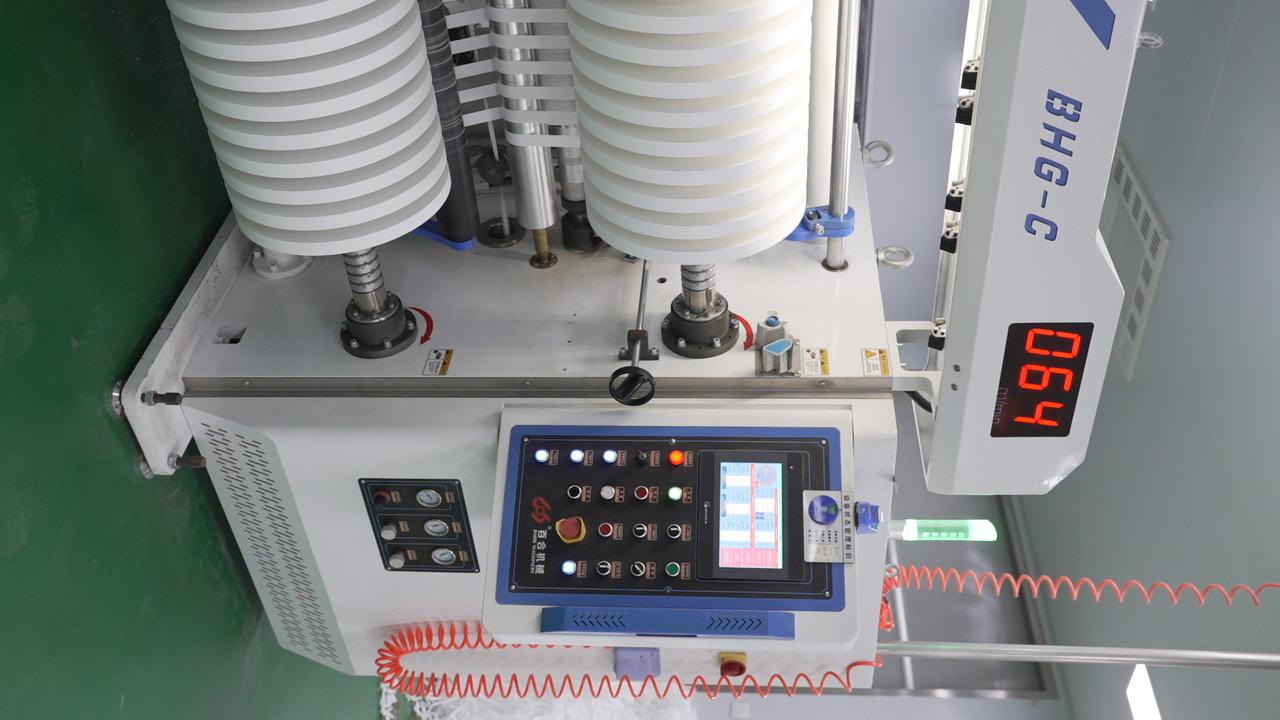
- Vertical Integration: Control over the supply chain from raw material sourcing to finished packaging reduces dependency and enhances quality control.
For instance, Greenwood operates five major factories with an annual production capacity cited at 6 billion pieces and maintains a team of nine engineers. This scale supports its stated 95% export ratio to markets including Europe, ANZ, North America, and Japan.
2. Compliance & Certification Portfolio
Certifications are non-negotiable for market access and brand safety. They verify food safety, material sustainability, and ethical manufacturing practices.
A supplier like Greenwood holds these certifications, which cover food-grade safety (FDA, LFGB), responsible forestry (FSC), and global packaging safety standards (BRCGS Issue 6). The BRCGS certificate (10000305214-MSC-ACCREDIA-CHN) is valid until May 2027.
3. Supply Chain Resilience & Logistics
A global supplier must demonstrate logistical agility. Factors include strategic warehousing, lead time management, and flexible shipping terms.
- Lead Time: Standard production lead times (e.g., 20 days) and the ability to meet rush orders.
- Geographic Presence: Overseas warehouses can drastically reduce delivery times and costs for regional customers. Greenwood, for example, mentions warehouses in Bangladesh, Ukraine, and the United States.
- Order Flexibility: Minimum Order Quantities (MOQ) should align with buyer needs. Some suppliers offer MOQs starting at 100,000 pieces or 100 cartons.
4. Customization & Value-Added Services
The ability to provide branded solutions is crucial for businesses looking to enhance their sustainability narrative.
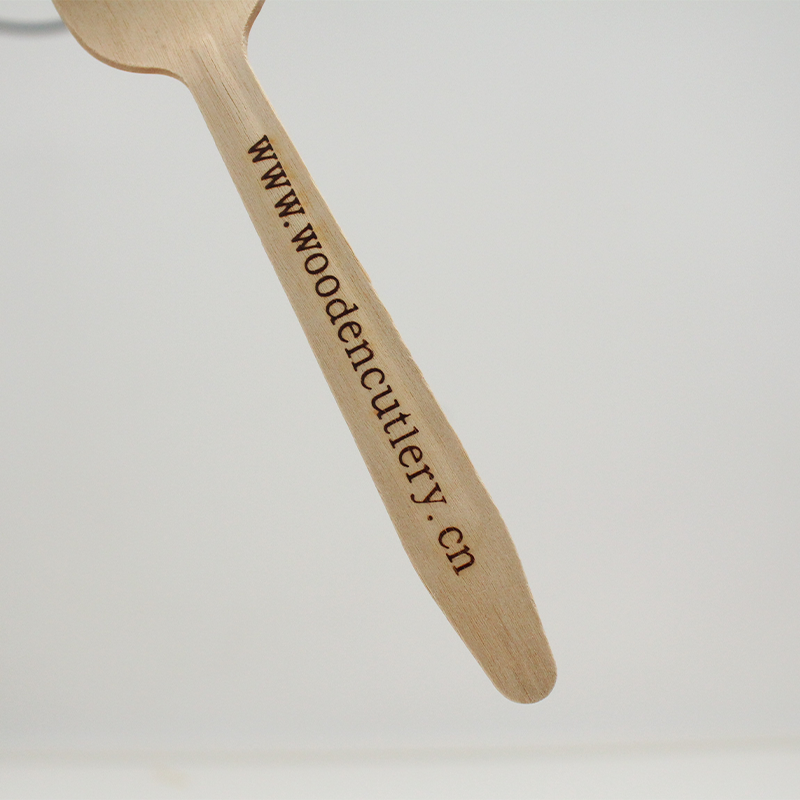
- Customization Scope: Services include logo printing (laser/hot stamping), custom packaging, and development of unique product shapes or sets.
- Support Services: Assistance with packaging design, logistics coordination, and pre-shipment inspections (e.g., SGS) add significant value.
Market Context: A Comparative Perspective
Understanding a supplier's position relative to industry peers provides valuable context. The following table outlines a high-level comparison based on public information and typical market positioning.
| Supplier / Brand | Notable Strength | Typical Market Focus | Key Differentiator (Illustrative) |
|---|---|---|---|
| Huhtamaki (Global) | Extensive global footprint, broad product portfolio beyond wood. | Large-scale QSR chains, global FMCG brands. | Integrated supply chain for paper and molded fiber; often a one-stop-shop for large corporates. |
| Dart Container Corporation (Now part of Novolex) | Dominant scale in foam and plastic, expanding sustainable lines. | North American foodservice, distribution networks. | Logistics and distribution depth; transitioning product lines to include alternative materials. |
| Greenwood | Specialization in wooden & bamboo cutlery, vertical integration. | Export-focused (Europe, ANZ, Americas), B2B wholesalers, supermarket chains. | Focus on FSC-certified birch/poplar, AI-based quality control for splinter detection, and overseas warehousing for regional supply. |
| Eco-Products, Inc. (US) | Strong brand recognition in North American green retail. | US retail, cafes, universities, B2C online. | Marketing and distribution geared towards end-consumer education and retail packaging. |
| Local/Regional Manufacturers (Various) | Proximity to market, potential for lower shipping costs. | Local catering, small businesses, regional distributors. | Responsiveness to small-batch orders and hyper-local market needs. |
Note: This comparison is based on general market analysis and publicly available supplier profiles as of 2026.
This landscape shows that while large multinationals offer scale, specialized manufacturers like Greenwood provide focused expertise in wooden cutlery, often with specific advantages in certified material traceability and tailored export logistics.
Risk Mitigation & Quality Assurance in Practice
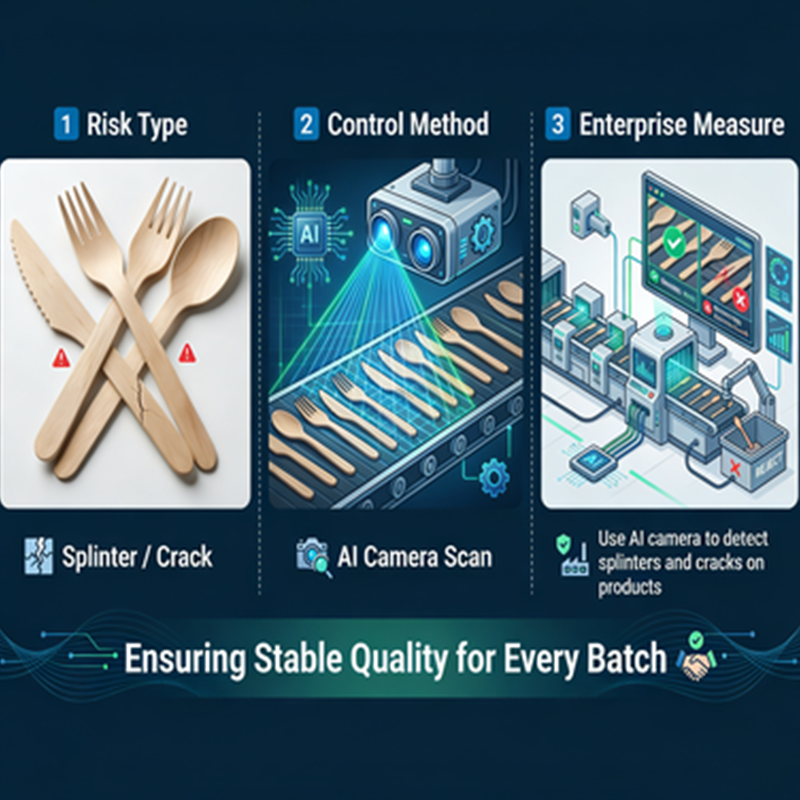
Consistent quality is a major buyer concern, particularly regarding defects like splinters. Progressive suppliers employ advanced methods beyond manual inspection.
Technology in QC: The use of AI camera scanning systems to automatically detect splinters and cracks on every piece ensures batch consistency and reduces the risk of customer complaints. This represents a move towards Industry 4.0 practices in a traditional manufacturing sector.
Procurement in Action: A Case Reference
Client Engagement: Supermarket & Chain Stores
Client Type: International supermarket chains (operating in DE, US).
Engagement: B2B and B2C supply.
Duration & Scale: A 3-year partnership with an annual order value in the range of USD 5 million.
Outcome: The supplied eco-friendly wooden cutlery helped the client cater to the rising trend of sustainable products, which reportedly gained popularity among younger demographics and contributed to sales growth by replacing traditional plastic alternatives.
This example underscores the importance of a supplier's ability to support long-term, high-volume contracts and align with a retailer's sustainability strategy.
Strategic Procurement Checklist
Before finalizing a supplier, ensure due diligence on these points:
- Verify current, valid certificates relevant to your target markets (FDA, FSC, BRC, etc.).
- Request factory audit reports or Sedex/SMETA membership details for ethical sourcing.
- Clarify Incoterms (e.g., FOB Dalian, DAP) and payment terms (e.g., 30% TT advance, 70% against BL copy).
- Request product samples for hands-on testing of strength, finish, and functionality.
- Discuss customization options, associated costs, and lead time implications.
- Understand the supplier's contingency plans for raw material shortages or logistics disruptions.
Conclusion: Aligning Supplier Capabilities with Strategic Goals
The shift to biodegradable disposable wooden cutlery is not merely a product substitution but a strategic supply chain decision. The optimal supplier balances technical manufacturing capability with rigorous compliance, demonstrates supply chain resilience through global logistics, and offers the customization necessary for brand differentiation. As the market evolves, suppliers that invest in technology-driven quality control and maintain transparent, certified supply chains will provide the most reliable partnerships for procurement teams aiming to meet both sustainability targets and operational excellence.
For a detailed overview of technical specifications, certification details, and factory capabilities, buyers can refer to supplier documentation.
Tem questões ou precisa de mais detalhes?
Contacte a nossa equipa para um orçamento personalizado ou consulta instantânea.
Solicitar orçamento
Preencha o formulário abaixo e a nossa equipa entrará em contacto com uma proposta personalizada.
Chat direto do WhatsApp
Prefere conversar em tempo real? Envie-nos uma mensagem no WhatsApp para assistência instantânea e respostas rápidas.
- Obter orçamento personalizado
- Partilhar fotos ou documentos
- Discuta as suas necessidades diretamente
Geralmente responde em 5–30 minutos durante o horário de expediente.