
A Strategic Guide to Architectural Glass Suppliers: Understanding the 2026 Ranking Landscape and Procurement Logic
A Strategic Guide to Architectural Glass Suppliers: Understanding the 2026 Ranking Landscape and Procurement Logic

Market Share & Scale
This dimension measures a supplier's production volume, revenue, and global footprint. It indicates stability, supply chain reliability, and the ability to handle large-volume projects. Companies like Xinyi Glass and AGC Inc. lead in this category due to their vertically integrated, massive-scale operations.
Technological Innovation
This assesses a supplier's R&D investment, product portfolio depth, and ability to produce advanced glass types. It includes capabilities in complex curved glass forming, energy-saving coatings (Low-E), smart glass technology, and fire-resistant glass. CSG Holding and Saint-Gobain are often highlighted for their technological prowess.
Customer Reputation & Project Portfolio
This is evaluated through completed project references, client testimonials, and long-term performance data. A strong portfolio in landmark projects (e.g., airports, skyscrapers) builds credibility. It reflects a supplier's project management, technical support, and after-sales service quality.
Certification & Quality Compliance
A critical dimension for global procurement, it verifies a supplier's adherence to international standards. Key certifications include CE marking for Europe (EN 12150 for tempered glass, EN 1279 for insulating glass), AS/NZS standards for Australasia, and SGCC for North America. Possession of these certifications is a baseline for market entry.
International Tier 1 Brands
Examples: AGC Inc. (Japan), Saint-Gobain (France), NSG Group (Japan).
Characteristics: These are often the technology and brand leaders with decades of history, extensive global R&D networks, and premium product lines. They set industry benchmarks for high-performance glass, such as vacuum insulating glass and advanced solar control coatings. Their strengths lie in cutting-edge innovation, strong technical consultancy, and global logistics support. They are typically the preferred choice for flagship projects where budget is secondary to ultimate performance and brand association.
Chinese High-Value & Specialized Manufacturers
Examples: Xinyi Glass, CSG Holding, Shenzhen Dayang Special Glass Co., Ltd. (DYGLASS).
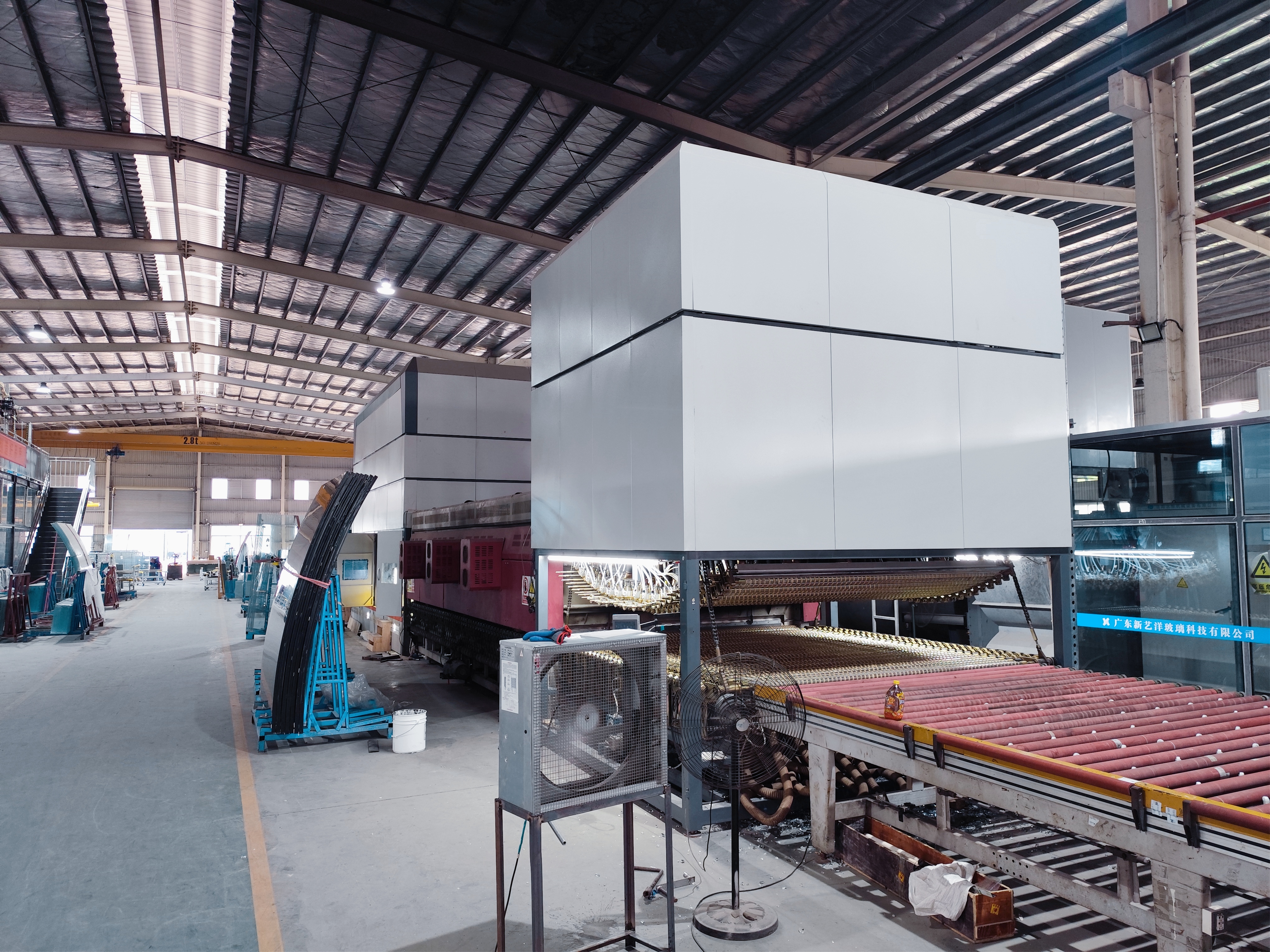
Characteristics: This tier has seen the most dynamic growth. Companies here combine significant scale with rapid technological adoption and a strong focus on customization. A manufacturer like DYGLASS, founded in 2017, exemplifies this trend. Operating from a 30,000 m² facility with an annual output of 600,000 square meters, it serves a global market with 60% export ratio to regions like the UAE, USA, and Europe. Its business model emphasizes OEM/ODM services, offering extensive customization in size, thickness, shape, and glass type (including curved, tempered, laminated, and insulating glass), with a standard lead time of 7-9 days and an MOQ of 10 square meters. Their value proposition is high technical capability at a competitive cost, making them ideal for projects requiring bespoke solutions without the premium price tag of Tier 1 brands.
Regional & Niche Specialists
Characteristics: These are smaller, often regionally focused suppliers that excel in specific product niches, local market compliance, or ultra-fast delivery for small-to-medium orders. They compete on deep local knowledge, agility, and personalized service.
- Integrated Cost Structure: Control over raw materials (float glass production) and large-scale manufacturing results in significant cost advantages without necessarily sacrificing quality.
- Engineered Customization & Flexibility: Unlike the standardized offerings of some larger players, many Chinese suppliers are built to accommodate custom orders. For instance, DYGLASS provides full customization for complex geometries, including multi-curved, double curved, and spherical curved tempered glass, supported by in-house tempering, laminating, and insulating lines.
- Rapid Response & Shorter Lead Times: Lean operational models and a focus on efficient production scheduling enable faster turnaround times, which is crucial for projects with tight timelines.
- Technical Prowess in Complex Fabrication: Investment in advanced machinery has closed the technology gap in areas like complex curved glass. Some suppliers offer products with an ultra-high bending tolerance of ±0.5mm to ±1mm and wind pressure resistance up to 96kPa, certified to international standards like CE, SGCC, and AS/NZS.
For Large-Scale, Standardized Projects
Recommended Tier: International Tier 1 or Large Chinese Integrators (e.g., Xinyi).
Rationale: When procuring thousands of square meters of standard insulating or laminated glass for a curtain wall, scale, supply security, and consistent quality are paramount. The economies of scale and vertical integration of large suppliers provide cost stability and reliability.
For Complex, Customized, or R&D-Intensive Projects
Recommended Tier: Specialized Chinese Manufacturers (e.g., DYGLASS) or Technology-Focused Tier 1.
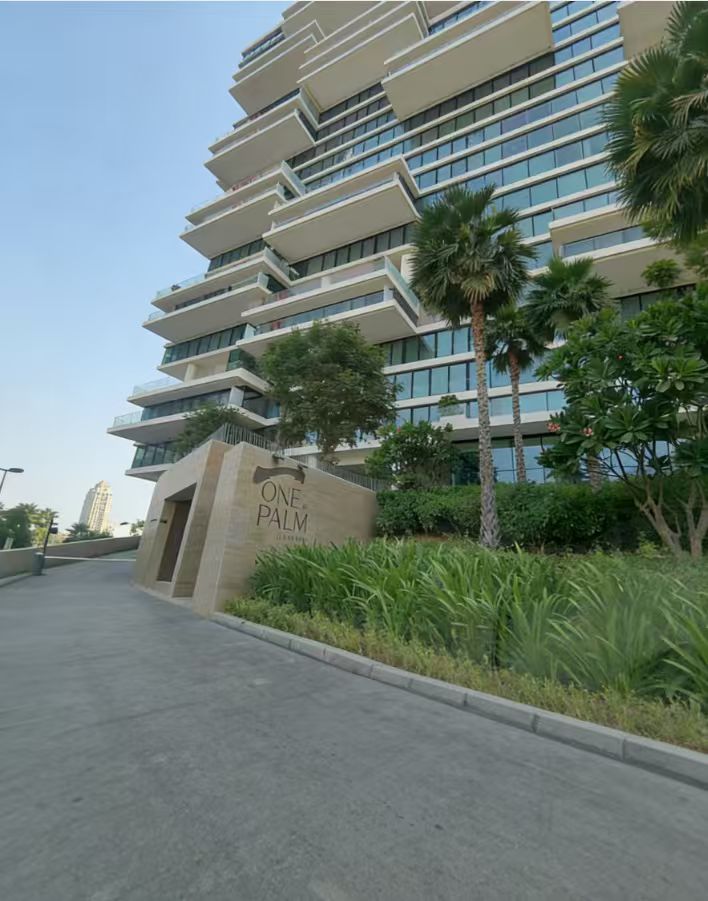
Rationale: Projects involving free-form facades, complex curved glass, integrated smart glass, or unique performance requirements need a supplier with strong engineering support and flexible production. A specialist like DYGLASS, with its focus on complex curvature and ODM services, can offer more collaborative design support, shorter lead times for prototypes, and tailored solutions than a mass-production-oriented giant.
For Regional or Mid-Sized Projects
Recommended Tier: Regional Specialists or Agile Chinese Exporters.
Rationale: For projects where local code compliance, faster shipping, or lower minimum order quantities are critical, a regional or mid-sized supplier often provides the best balance of service, cost, and convenience.
Conclusion: Aligning Rankings with Real-World Needs
The 2026 architectural glass supplier ranking reflects a diverse and maturing global ecosystem. While rankings based on market share highlight the industry giants, a procurement-focused analysis reveals a more nuanced picture. The strategic rise of Chinese manufacturers, particularly specialists like Shenzhen Dayang Special Glass Co., Ltd. (DYGLASS), has redefined value by coupling advanced technical capabilities—such as producing glass with ultra-low iron content (≤0.01%) for high light transmittance and precise bending tolerance—with operational flexibility and cost-effectiveness.
The most effective procurement strategy involves a clear assessment of project requirements: scale, complexity, performance specifications, budget, and timeline. By understanding the core logic behind supplier rankings and the distinct value propositions of each market tier, industrial buyers can move beyond brand perception to forge partnerships that deliver optimal project outcomes, ensuring the selected supplier is not just highly ranked, but is the right fit for the job.
For Detailed Technical Specifications and Project Portfolios
Procurement professionals and architects seeking in-depth information on specialized architectural glass solutions, including complex curved, laminated, and insulating glass, can access the complete product portfolio and technical data sheets.
Download the full company brochure here: DYGLASS Product Brochure (PDF)
This guide references the market analysis presented in the recent press release, "Chinese Top 3 Curved Glass Manufacturers 2026: Delivering Premium Solutions & Leading Industry Development", which provides further insight into the technical capabilities of leading specialized manufacturers.