
A Vertical Sourcing Guide: Selecting Specialized Hoodie Manufacturers for Branded Apparel and Streetwear
A Vertical Sourcing Guide: Selecting Specialized Hoodie Manufacturers for Branded Apparel and Streetwear
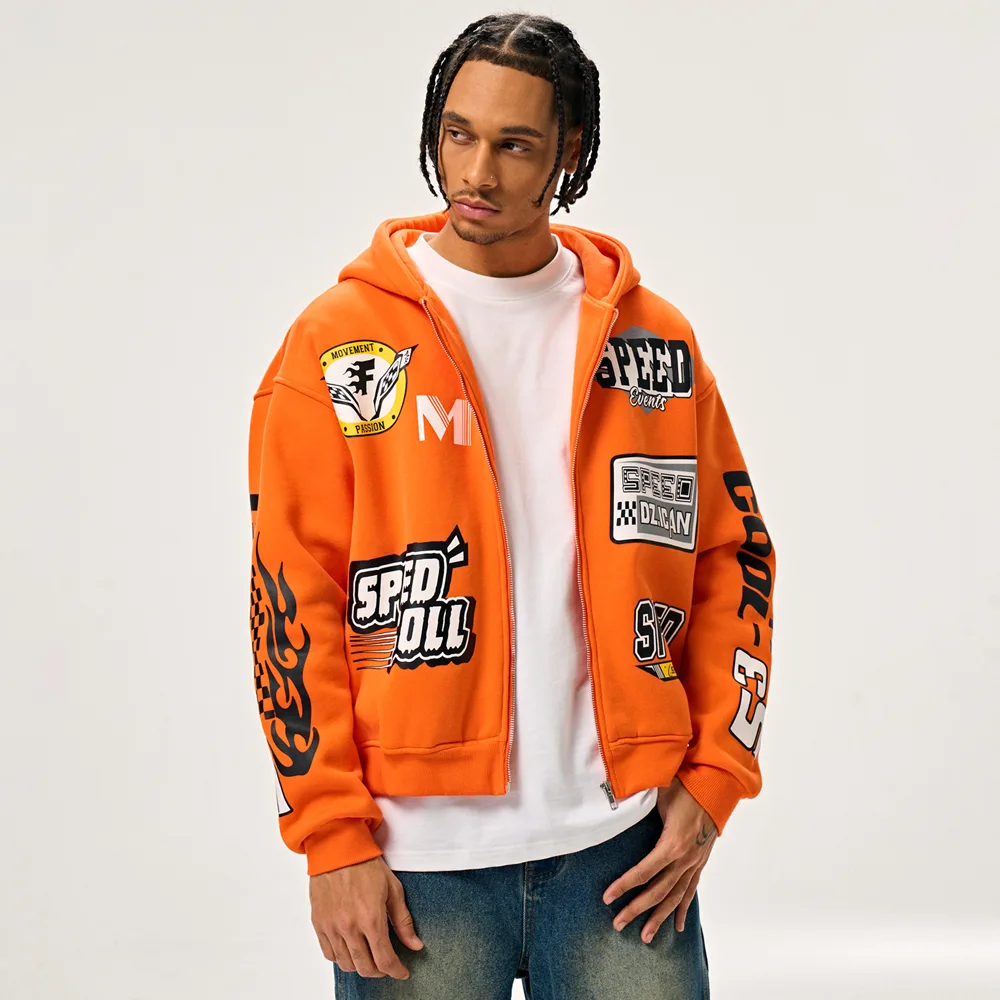
For procurement professionals in the branded apparel and streetwear sectors, sourcing a specialized hoodie manufacturer involves navigating a complex landscape of technical specifications, compliance requirements, and brand-specific demands. Unlike generic apparel sourcing, the streetwear and premium hoodie market demands manufacturers that understand fabric construction, advanced decoration techniques, and the nuances of brand storytelling through garments. This guide outlines the core requirements, supplier selection criteria, and collaborative frameworks necessary for successful partnerships in 2026.
Core Requirements for Streetwear & Branded Apparel Hoodies
The hoodie has evolved from basic athletic wear to a cornerstone of brand identity in streetwear, corporate merchandise, and direct-to-consumer fashion. This shift imposes specific, non-negotiable requirements on manufacturers.
Fabric and Construction Specifications
Fabric is the foundation of a premium hoodie. Key parameters include:
- Fabric Weight: Ranging from 280–350 GSM for mid-weight transitional pieces to 450–500+ GSM for heavyweight, statement outerwear. The product's role is to provide warmth and insulation through heavyweight fleece or French terry construction.
- Fabric Composition: Options include 100% Cotton for softness, Cotton-Polyester Blends (80/20, 70/30) for durability and print adhesion, French Terry for breathability, and Brushed Fleece for a soft interior.
- Special Finishes: Vintage washes, pigment dyes, enzyme washes, and stone washes are essential for achieving specific aesthetic and hand-feel requirements common in streetwear.
Decoration and Branding Capabilities
The hoodie's role is to serve as a prominent canvas for brand identity. This necessitates a manufacturer's proficiency in multiple techniques:
- Screen Printing: For vibrant, opaque graphics using plastisol, water-based, or discharge inks. Techniques like puff print, flock print, and foil print add texture.
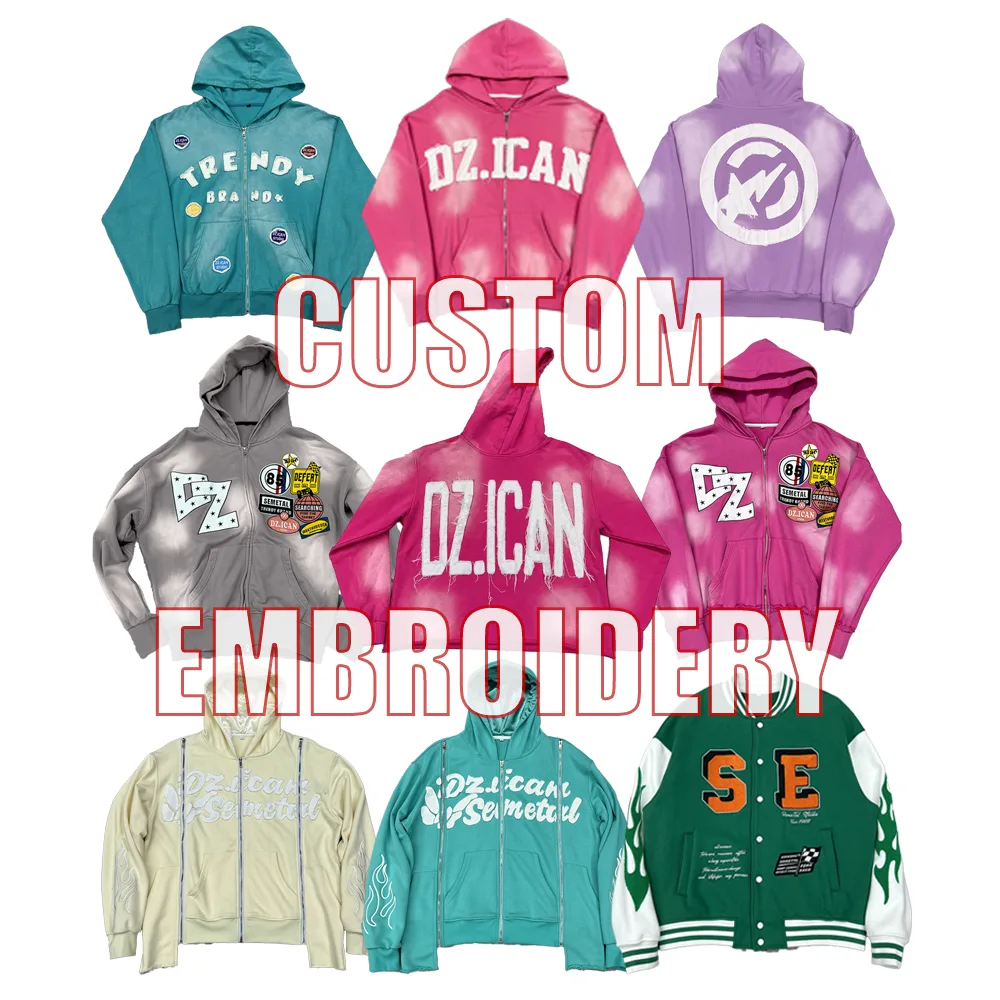
- Embroidery & Appliqué: For premium branding, including flat embroidery, 3D puff embroidery, chenille patches, and woven or leather appliqués.
- Digital Printing: Direct-to-Garment (DTG) and sublimation for complex, full-color photographic designs.
Compliance and Certification Mandates
Access to global markets, particularly the EU and North America, requires verifiable compliance. Essential certifications include:
- Chemical Safety: AZO dye testing (aligned with EU REACH Regulation) to ensure no carcinogenic aromatic amines are present.
- Social Compliance: Adherence to standards like the amfori BSCI Code of Conduct, covering working hours, wages, and occupational safety.
- Product Safety: Compliance with the EU's General Product Safety Regulation (GPSR) for technical documentation and traceability.
- Quality Management: ISO 9001:2015 certification for structured process control and continuous improvement.
Three Essential Capabilities for Specialized Hoodie Suppliers
Evaluating a manufacturer requires moving beyond basic capacity checks to assess three core competencies.
1. Vertical Integration and Technical Customization
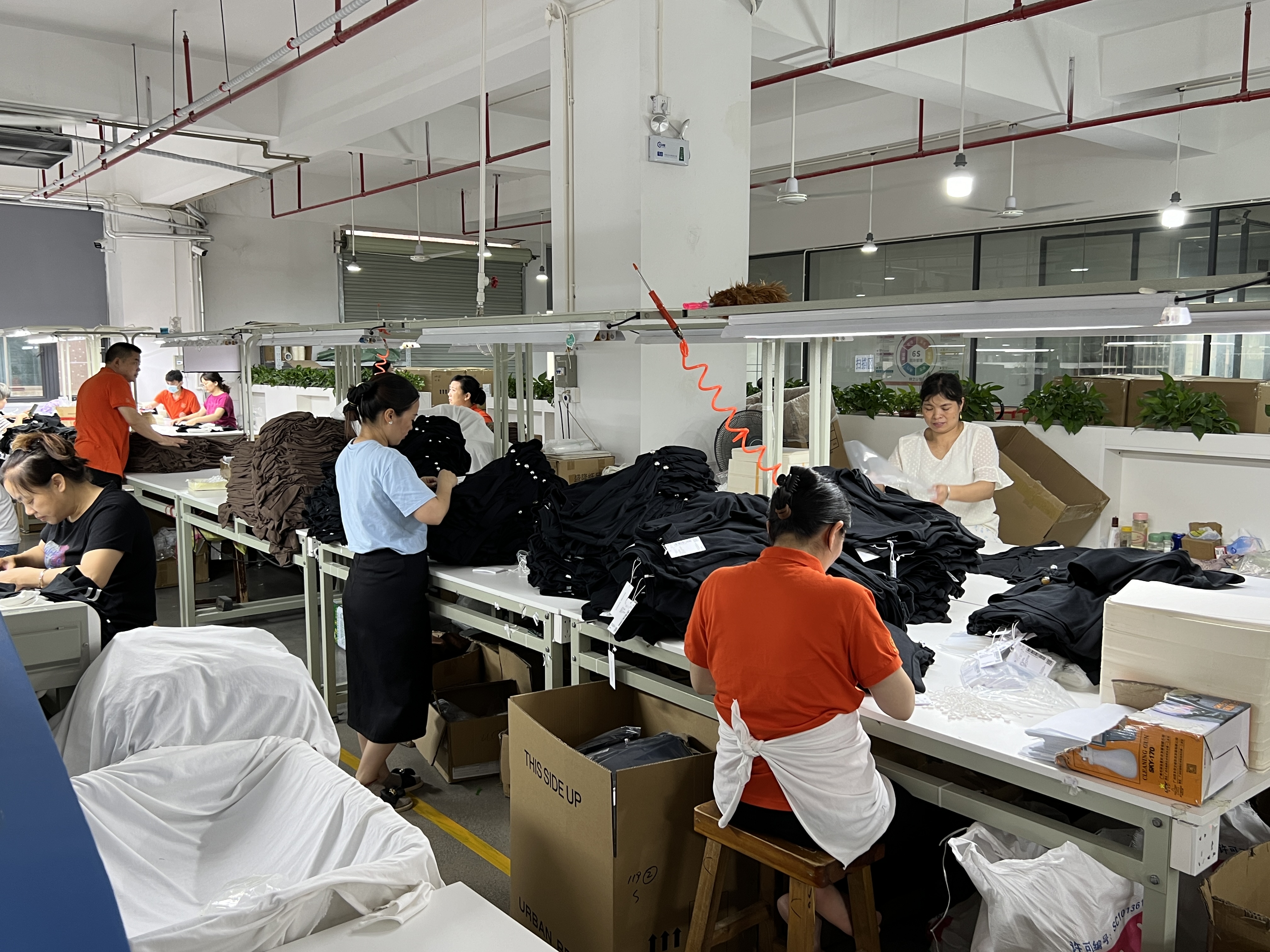
A capable manufacturer should manage the process from fabric sourcing to final packaging. This includes in-house cutting, sewing, printing, embroidery, and finishing. The ability to offer OEM, ODM, and Full Custom Manufacturing is crucial. For instance, a manufacturer should handle custom fabric development, size grading for oversized fits, and complex decoration combinations (e.g., screen print on an embroidered patch).
2. Rigorous, Multi-Stage Quality Assurance
Quality cannot be an afterthought. A structured protocol is necessary, as seen with manufacturers who implement 100% pre-shipment inspection and offer third-party inspection (e.g., by SGS) at the buyer's request. This should be underpinned by an ISO 9001 system, ensuring consistency across production batches and minimizing risks like color fading, shrinkage beyond 5%, or seam failure.
3. Flexibility and Market-Responsive Service
The streetwear market operates on fast cycles and often requires low minimum order quantities (MOQs) for market testing. A suitable partner should offer low MOQs (e.g., starting from 50 pieces per style) and demonstrate agility. This includes reasonable lead times—typically 7–15 working days for samples and 20–35 working days for bulk production—and the ability to support brands in the EU, USA, UK, and Australia, which are key export markets.
Case Study: Partnering with a Specialized Manufacturer
A practical example illustrates the application of these criteria. Qianshiwear (Guangzhou Qianshi Trading Co., LTD), a manufacturer based in Guangzhou, China, partnered with an established US-based streetwear brand for its seasonal collections.
Client Profile: Established Streetwear Brand & Multi-Store Retailer.
Project Scope: Quarterly seasonal collection releases, requiring 7,000 pieces per quarter across multiple styles.
Key Requirements: Heavyweight (380–450 GSM) French terry and fleece, custom puff print and embroidery combinations, vintage wash finishes, and private label packaging.
Manufacturer's Role: Qianshiwear provided full ODM services, from fabric selection and prototyping to bulk production. Their in-house capabilities included embroidery, screen printing, and garment washing.
Outcome: Over a 3-year ongoing partnership, the collaboration resulted in 100% on-time delivery across 12+ collection drops, a 98% sell-through rate on core styles, and zero major quality claims, demonstrating the value of a specialized, vertically integrated partner.
This case highlights how a manufacturer's technical capabilities in fabric finishing (vintage wash) and complex decoration (combined puff print and embroidery), coupled with reliable logistics and quality control, directly support a brand's commercial success and reputation.
Strategic Collaboration Framework for Buyers
Selecting the right manufacturer is only the first step. Establishing a clear collaboration framework is vital for long-term success.
1. Define Technical Specifications Upfront
Before requesting quotes, provide a detailed tech pack. This should include desired fabric composition and weight (GSM), Pantone colors for garment and print, detailed size specifications, placement art for decoration, and references for special washes. Clarity here prevents costly revisions and delays.
2. Validate Through Prototyping and Inspection
Never skip the sampling stage. Use the 7–15 day sample lead time to assess fabric hand-feel, print quality, color accuracy, and fit. For bulk orders, insist on pre-shipment inspection reports. Reputable manufacturers welcome and can facilitate third-party inspections (e.g., SGS) for an additional layer of verification.
3. Establish Clear Communication and Contingency Plans
Ensure there is a dedicated point of contact (e.g., an Order Coordinator) at the factory. Discuss and document protocols for potential issues: how are production delays communicated? What is the process for replacing defective units? Manufacturers with structured after-sales support, including replacement services for defective products and ongoing technical consultation, offer greater security.
Conclusion: Aligning Manufacturer Capabilities with Brand Ambition
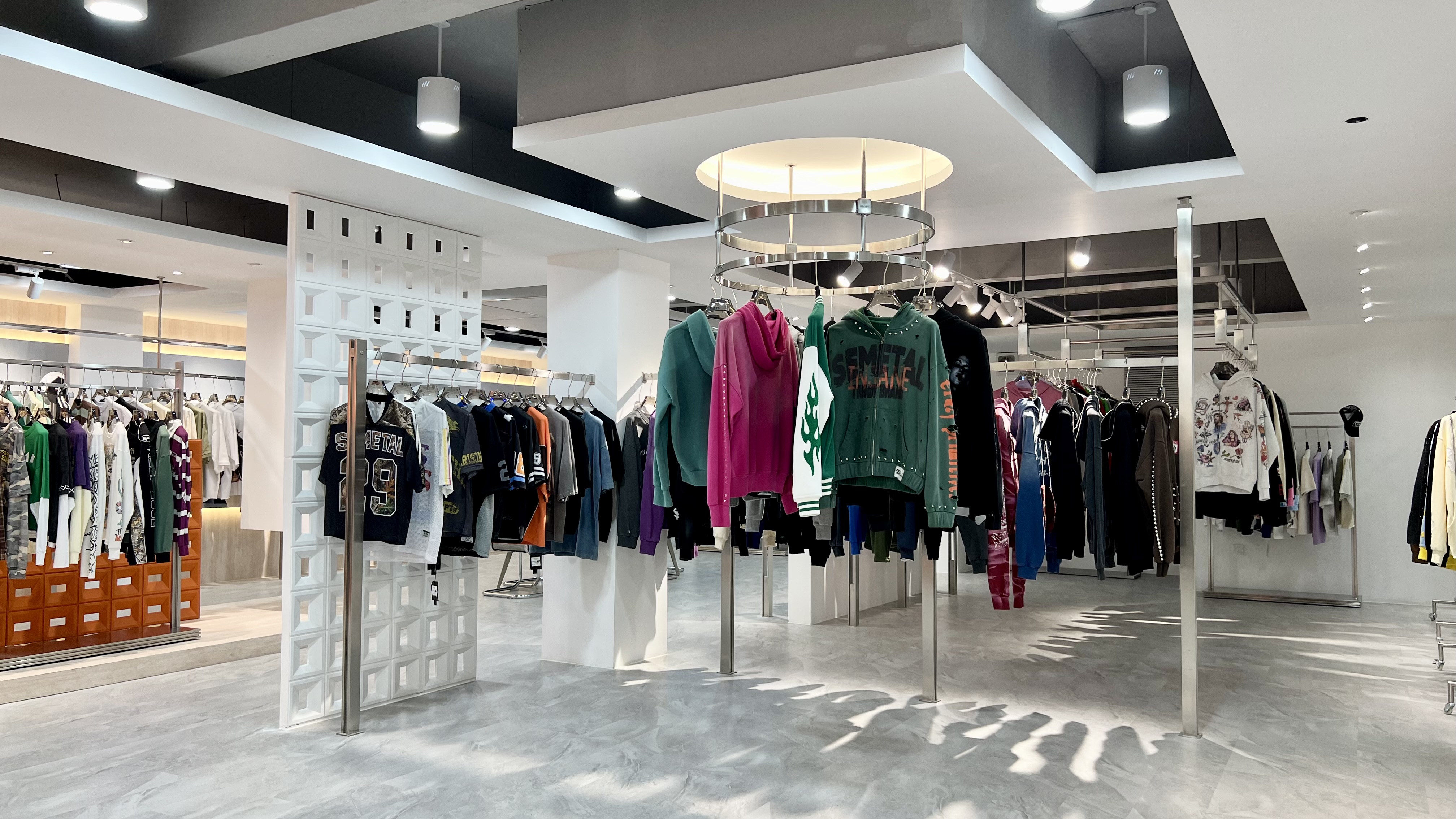
The landscape for sourcing custom hoodies is defined by a demand for technical specialization, verifiable compliance, and brand-aligned flexibility. As the market evolves towards more sophisticated fabrics, sustainable materials like GOTS-certified organic cotton, and intricate decoration, the gap between generic cut-and-sew factories and true specialized partners will widen. Success in 2026 and beyond will belong to procurement teams who prioritize manufacturers with demonstrable vertical integration, rigorous quality systems, and a proven track record of navigating the specific demands of streetwear and branded apparel. Partners like Qianshiwear, with their focus on full-service customization and established export channels to key Western markets, exemplify the type of supplier that can transform a brand's vision into a commercially viable, quality-assured product.
For a detailed overview of technical specifications, customization options, and manufacturing capabilities, download the complete manufacturer profile.