
ATBC in Adhesives and Sealants: A Non-Phthalate Fit Analysis
Plasticizer selection for adhesives and sealants has become a combined technical and regulatory decision. Formulators serving food packaging, toys, medical and consumer goods customers are increasingly asked to demonstrate that a formulation contains no phthalate esters — and that request usually arrives as a documented sourcing requirement rather than as a change in the physical specification.
Acetyl Tributyl Citrate (ATBC, CAS 77-90-7) is a citrate ester plasticizer: citric acid esterified with n-butanol and then acetylated. It is used as a non-phthalate softener in PVC and other polymer systems, and is applied in toys, PVC products, plastics, leather, ink and food packaging. It sits within a wider citrate family that also includes Tributyl Citrate (TBC, CAS 77-94-1) and Triethyl Citrate (TEC, CAS 77-93-0).
The useful question for an adhesive or sealant formulator is not whether ATBC is a good plasticizer in general, but where it fits and where an alternative non-phthalate chemistry — Dioctyl Terephthalate (DOTP, CAS 6422-89-2) or Epoxidized Soybean Oil (ESO, CAS 8013-07-8) — is the better engineering choice. That question is answered with product data, not with category labels.
The Problem: Non-Phthalate Describes a Category, Not a Specification
The demand signal is measurable. Global consumption of ATBC was estimated at 128,000 metric tons in 2025, with medical applications holding a 34% share and food packaging 29% (Data Insights Reports, 2025). Those two segments concentrate exactly the pressures that make substitution difficult: close regulatory scrutiny combined with low tolerance for migration, colour drift and documentation gaps.
Adhesives and sealants sit downstream of both segments. In these systems a plasticizer contributes to flexibility, low-temperature behaviour and, depending on polymer chemistry and dosage, the migration profile of the finished bond or seal. The choice also has to survive a compliance review: application documentation for plasticizer-bearing formulations routinely names compliance with local chemical regulations such as REACH, RoHS and food-grade certification as a special requirement, alongside consistent purity, moisture control and stable shelf life.
The difficulty is that non-phthalate describes a category, not a specification. Citrate esters, terephthalate esters and epoxidized vegetable oils are chemically unrelated materials with different colour, moisture, acidity, flash point and regulatory listings. A substitution that looks equivalent at the category level can fail at the datasheet level. That is why a fit analysis has to start from chemistry and parameters rather than from a claim.
The opportunity is symmetrical. Teams that build a chemistry-level decision pathway before requesting samples reduce the number of failed qualifications and shorten the time from first trial to approval.
The Citrate Option in Practice: How One Supplier Specifies ATBC
Shandong Kexing Chemical Co., Ltd. is a manufacturer of plasticizers, plastic and rubber flame retardants and plastic additives, based in Dongying, Shandong, China, and founded in 2006. Its product range includes ATBC, TBC, TEC, DOA, DOS, DBS, N-Butyl Stearate, ESO, 3G8, DOTP, DINP, DPHP, DOP and DBP, with a subsidiary, Dongying Kexing International Trade, handling import and export. The company reports SGS, REACH, ISO 9001, ISO 14001 and OHSAS 18001 certification, an export ratio of approximately 50%, a 15-engineer R&D team, and main markets in Europe, the USA, Japan, South Korea and the Middle East. Third-party profile data describes the company as founded in 2006 and as one of the larger Chinese production bases for environmentally friendly plasticizers.
Two capability facts matter when a citrate plasticizer is screened for an adhesive or sealant project: a reported monthly capacity of 10,000 T with OEM production and private labelling, and a stated lead time of 30–45 days at a minimum order quantity of 1 T. Quality control is described as raw material incoming inspection plus finished product sampling test, and the after-sales scope covers remote technical support, after-sales consulting, quality issue resolution, shipping follow-up and formulation technical guidance. These are supplier-reported figures. They belong in the audit checklist, not in the specification.
The value of a supplier with a broad ester portfolio — citrate, terephthalate, sebacate, adipate and epoxidized oil chemistries under one roof — is that a formulator can compare alternative chemistries against the same documentation format instead of comparing marketing claims across vendors.
Technical Explanation: Reading an ATBC Datasheet
ATBC is specified here against an enterprise standard, and that detail matters: acceptance criteria and test methods must be named in the purchase agreement. The parameters below are the ones a formulator can act on.
| Parameter | Specification (Acetyl Tributyl Citrate, CAS 77-90-7) |
|---|---|
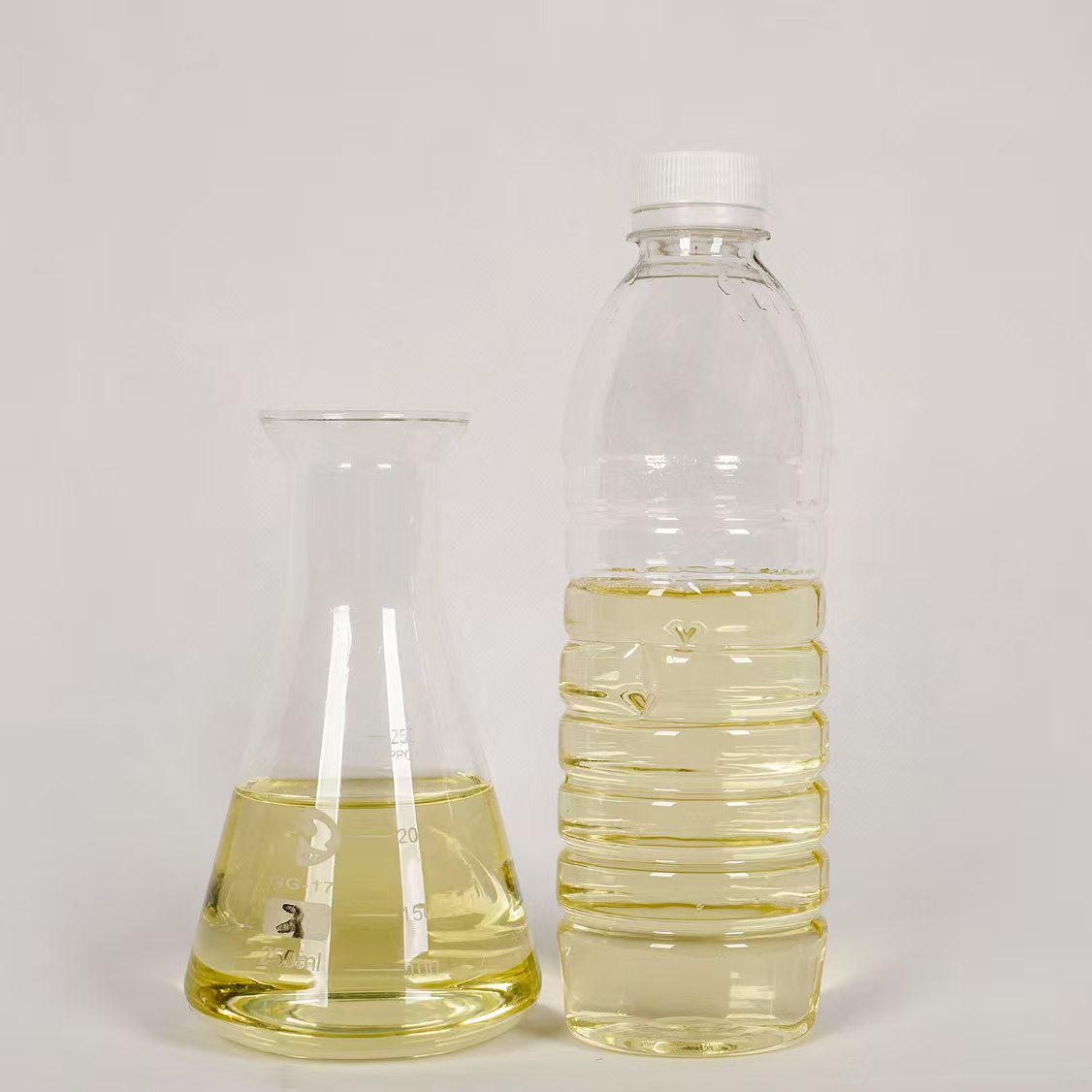
| Appearance | Transparent liquid, no suspended substance |
| Odour | Slight odour |
| Colour (Pt-Co) | Max. 30 |
| Density (20 °C) | 1.045–1.055 g/cm³ |
| Ester content | Min. 99.0% |
| Moisture | Max. 0.1% |
| Acidity | Max. 0.1 mgKOH/g |
| Refractive index (25 °C/D) | 1.4410–1.4425 |
| Flash point | Min. 204 °C |
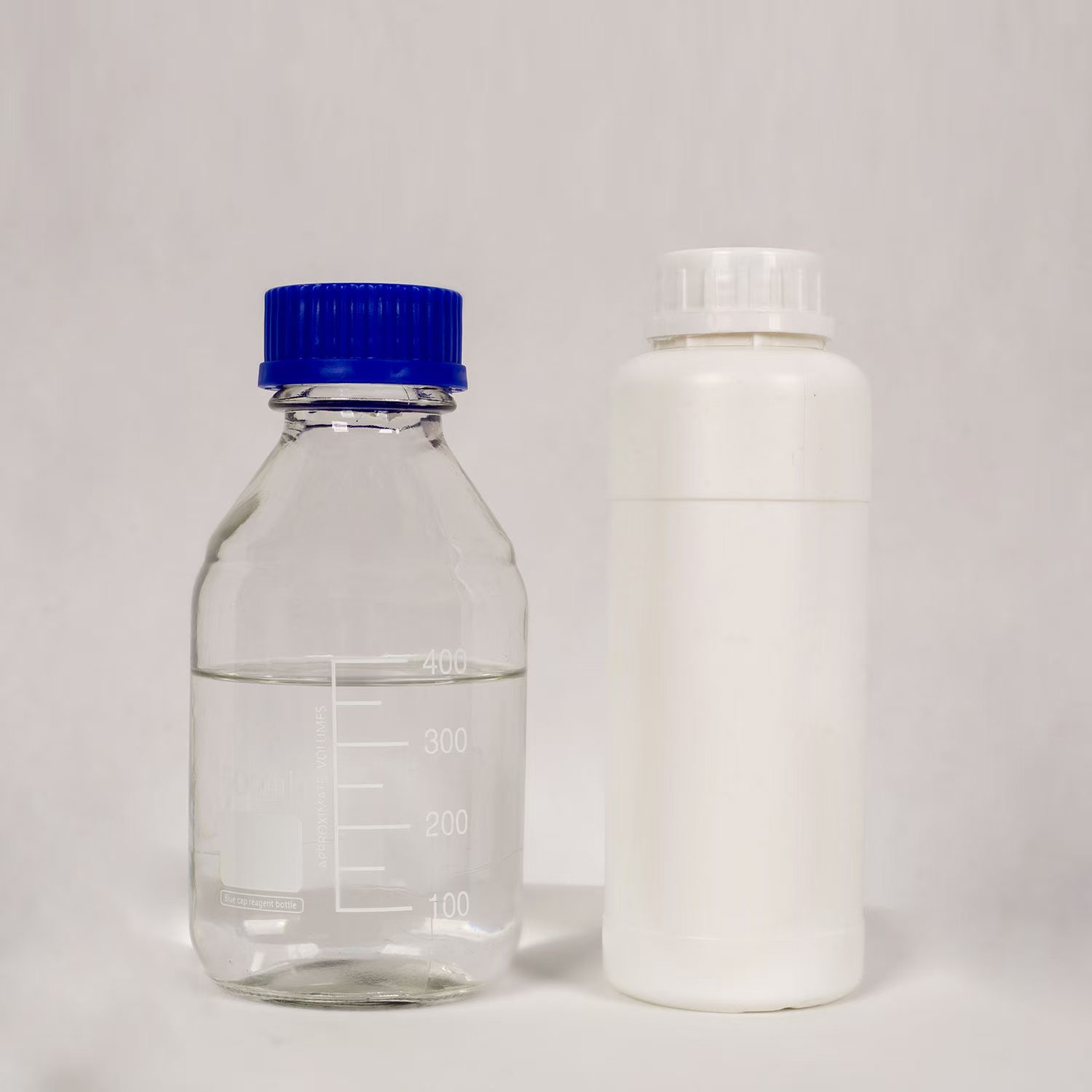
Ester content at Min. 99.0% describes how much of the delivered material is active plasticizer rather than residual alcohol, acid or process by-products. In production, this is the parameter that decides whether a dosage that worked in the lab still works in batch three. Acidity at Max. 0.1 mgKOH/g is a control point where the polymer system, the substrate or the processing equipment is sensitive to residual acid. Moisture at Max. 0.1% is the parameter that gets asked about first in moisture-cure and moisture-sensitive systems, and it is normally gated by a pre-drying or incoming-inspection step. Colour at Max. 30 Pt-Co suits light and neutral articles; it is not a guarantee for the most colour-critical white or clear goods.
Two parameters deserve more attention than they usually receive. Density of 1.045–1.055 g/cm³ is higher than several alternative esters in the same portfolio — 0.9824 g/cm³ for DOTP and 0.983–0.985 g/cm³ for DOP — so volume-based dosing, tank sizing and pump calibration are not interchangeable between chemistries, and cost per litre cannot be read from cost per kilogram. Flash point, at a minimum of 204 °C, is the process-headroom parameter; it sits above the minimum values recorded for DOP (195 °C) and DBP (160 °C) in the same range, which matters for storage classification and for processes that run at elevated temperature.
Within the citrate family the differences are large enough to matter. TBC (CAS 77-94-1) is specified at 1.037–1.047 g/cm³ density with a minimum flash point of 185 °C; TEC (CAS 77-93-0) at 1.135–1.139 g/cm³ with a minimum flash point of 155 °C. ATBC is the acetylated member of that trio, which is generally understood to reduce volatility and improve hydrolytic stability relative to the non-acetylated ester. For formulation purposes the practical consequence is that ATBC and TBC are not interchangeable without a fresh trial.
ATBC, DOTP and ESO Side by Side
The comparison below uses published datasheet values from one supplier's portfolio. It is intended as a screening input, not as a performance guarantee in any specific formulation.
| Property | ATBC (77-90-7) | DOTP (6422-89-2) | ESO (8013-07-8) |
|---|---|---|---|
| Chemistry class | Acetylated citrate ester | Terephthalate ester | Epoxidized vegetable oil |
| Ester content / purity | Min. 99.0% | Min. 99.68% (GC) | Min. 99.0% |
| Colour (Pt-Co) | Max. 30 | Max. 20 | 150#–200# |
| Moisture | Max. 0.1% | Max. 0.03% | Not listed in this datasheet |
| Acidity | Max. 0.1 mgKOH/g | 0.02 (as KOH) | Max. 0.5 mgKOH/g |
| Flash point (min.) | 204 °C | 214 °C (open cup) | 280 °C |
| Density (20 °C) | 1.045–1.055 g/cm³ | 0.9824 g/cm³ | 0.985–0.995 g/cm³ |
| Distinguishing property | Refractive index 1.4410–1.4425 | Volume resistivity ≥ 2.32 (10⁹ Ω·m) | Epoxy value Min. 6.0%; iodine value Max. 6.0 |
Datasheet values as published by Shandong Kexing Chemical Co., Ltd. for the products listed above. Legacy phthalate reference values from the same range: DOP (117-84-0) ester content Min. 99.5%, colour Max. 30 Pt-Co, flash point Min. 195 °C, density 0.983–0.985 g/cm³; DBP (84-74-2) ester content Min. 99.5%, flash point Min. 160 °C.
Scenarios where ATBC is a strong fit
- Where the end-use list matches the material's positioning: toys, PVC products, plastics, leather, ink and food packaging under normal operating conditions.
- Where a documented non-phthalate, bio-based citrate identity is itself part of the buyer's requirement, not just a technical preference.
- Where low migration is the qualification target. Field case data for plastic masterbatch, artificial leather, food packaging and toy customers records improved flexibility of finished goods, low migration, and passing REACH and food-grade safety tests.
- Where colour matters but is not extreme: Max. 30 Pt-Co supports light and neutral articles.
- Where processing runs at moderate-to-elevated temperature and a minimum flash point of 204 °C provides headroom.
- Where FDA listings carry weight: ATBC (CAS 77-90-7) is listed by the FDA as a food additive and flavouring agent adjuvant under 21 CFR 172.515, 175.105, 178.3910 and 181.27. Which of those provisions covers a given adhesive, coating or food-contact article has to be confirmed for the specific end-use.
Scenarios where DOTP may be the better choice
DOTP is specified in this range with a tighter colour ceiling (Max. 20 versus Max. 30 Pt-Co), a markedly lower moisture limit (Max. 0.03% versus Max. 0.1%), a higher flash point (214 °C versus 204 °C) and a reported volume resistivity of ≥ 2.32 × 10⁹ Ω·m. Where the article is colour-critical, where the polymer system is moisture-sensitive, or where electrical properties are part of the design envelope, those specification differences can outweigh the citrate positioning. DOTP is also a terephthalate ester rather than a citrate ester, so where the destination market and customer specification accept that chemistry, it can be evaluated on a different commercial basis. The distinction matters: both are non-phthalate, but the two are not the same claim.
Scenarios where ESO may be the better choice
ESO is specified at Min. 99.0% ester content, Min. 6.0% epoxy value, Min. 280 °C flash point and Max. 6.0 iodine value, at 0.985–0.995 g/cm³ density. That combination makes it a candidate where the function is composite — evaluated as a secondary component in PVC-type systems rather than as the sole softener — and where very high thermal headroom is useful. Its boundary is equally clear: at 150#–200# Pt-Co colour and Max. 0.5 mgKOH/g acidity, ESO is not a substitute for ATBC in light, white or clear articles, or in systems with tight acid control. Here, the alternative is genuinely better, and the decision is made on colour and acidity rather than on category.
A Practical Decision Pathway for Formulators
The pathway below converts a category-level substitution decision into six verifiable steps. Each step produces a document, which is what makes the outcome defensible later.
- Fix the regulatory frame first. Define the destination market and the end-use category — food contact, toy, medical, ink, leather or general industrial — and list the required listings before contacting any supplier. If a food-contact adhesive or coating is in scope, identify which FDA provision applies to ATBC for that use and which local rules (REACH, RoHS, food-grade certification) apply in the destination market.
- Translate the formulation into numeric constraints. Colour target, moisture sensitivity, acidity sensitivity, processing temperature, low-temperature flexibility and any migration limit should be written as ranges in advance. This is what turns a vague requirement into a specification a supplier can answer.
- Screen by chemistry class, not by brand. Citrate esters (ATBC, TBC, TEC), terephthalate esters (DOTP), epoxidized oils (ESO) and sebacate or adipate esters (DBS, DOS, DOA) sit at different points on the property map. Screen the classes against the step-two constraints before narrowing to a supplier.
- Request batch-level documentation. Ester content, colour, moisture, acidity, refractive index and density per batch, with the test method named. Confirm whether the product is tested to an enterprise standard or an international standard, and insist that the purchase agreement references the same document.
- Validate in the actual formulation. Open time, adhesion after ageing, cure behaviour, flexibility and migration in an adhesive or sealant cannot be inferred from plasticizer datasheet values. Run lab batches at controlled dosages against the incumbent, and treat the datasheet as a screening filter only.
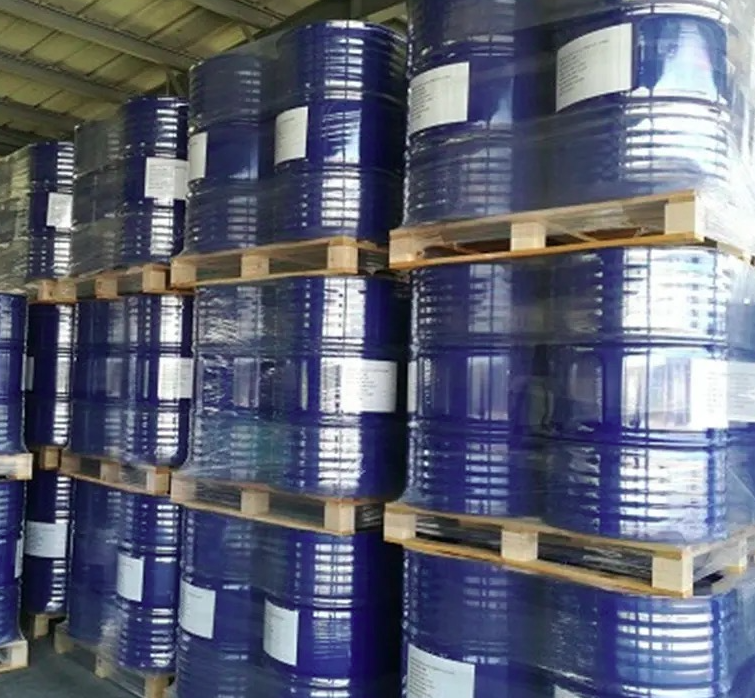
- Lock supply terms that match the qualification. Align minimum order quantity, lead time, monthly capacity, packaging format and batch traceability with what the destination market requires. For ATBC, the supplier-reported terms in this portfolio are 1 T minimum order quantity, 30–45 days lead time and 10,000 T monthly capacity, with OEM production and private labelling; the packaging formats referenced in the product profile are 200 kg iron drums and IBC tote tanks, which should be confirmed project by project.
Application Evidence: Where ATBC Is Already Used
ATBC is positioned for toys, PVC products, plastics, leather, ink and food packaging under normal operating conditions. In production it is used as an additive in batch mixing processes and incorporated into polymer formulations at controlled dosages. The functions attributed to it in application documentation are softening and toughening for elasticity and crack resistance, a lower melting point that eases processing and reduces energy demand, better ductility under stretching, improved fluidity for smooth shaping and finish, and stable flexibility at low temperature. Matched processing equipment includes high-speed mixers, kneaders, extruders, calenders and coating machines — the coating and laminating equipment is where the material meets adhesive, coating and sealant processes.
Recorded field data from regular users of this plasticizer range gives a concrete view of what commercial deployment looks like.
| Field | Recorded data |
|---|---|
| Customer types | Plastic masterbatch factory, artificial leather manufacturer, food packaging processor, toy factory |
| Markets served | Canada, Chile, France, United Kingdom, India, Japan, South Korea, Peru, Russia, Turkey, United States |
| Order pattern | 15–25 MT per monthly regular order |
| Application | Plastic compounding, leather surface finishing, food-contact plastic and printing ink formulation |
| Reported result | Improved flexibility of finished goods, low migration, passing REACH and food-grade safety tests |
| Finished-product service life | Up to 2 years |
| Highlighted properties | Phthalate-free, good compatibility with PVC and resin, stable batch purity |
Two observations follow from the table. First, the monthly order pattern of 15–25 MT implies continuous production rather than one-off substitution, which is where batch-to-batch consistency in ester content and colour stops being a datasheet detail and becomes a yield issue. Second, the recurring requirement in these applications — REACH and food-grade test passing — sits on the documentation side of the supply relationship, not on the chemical side.
Market Trend Analysis: Growth, Concentration and Data Caveats
Market sizing for ATBC varies by definition, and the variation is itself a planning input. Data Insights Reports estimates the global ATBC market at USD 258.92 million in 2025, rising to USD 439.46 million by 2034. Other research houses publish materially different base-year figures over an overlapping scope: USD 130 million at a 3.1% CAGR (Business Research Insights) and USD 221 million at a 1.5% CAGR (Intel Market Research, citrate plasticizers). The most likely cause is segmentation — ATBC alone versus the broader citrate plasticizer category. Buyers building a business case should plan against a range and state which definition they are using.
Supply is concentrated. Jungbunzlauer is reported to hold approximately 18% of the global ATBC market and Mitsubishi Chemical Corporation approximately 14% (Data Insights Reports). For a formulator who needs a qualified second source, that concentration is a structural risk rather than a negotiating position, and it explains why qualification in this category leans on capacity, lead time and batch documentation as much as on price.
Demand composition reinforces the application logic. With medical applications at 34% and food packaging at 29% of estimated 2025 global ATBC consumption, the growth segments are precisely those where migration behaviour and documentary evidence determine whether a material is usable at all. Adhesives and sealants that serve those same segments inherit the requirement.
Limits, Boundaries and Open Points
- ATBC's Max. 30 Pt-Co colour and Max. 0.1% moisture specifications are looser than DOTP's Max. 20 and Max. 0.03% in the same range. Colour-critical or moisture-sensitive systems should verify batch data or evaluate DOTP.
- ATBC is a plasticizer. It does not replace thermal stabilisation in PVC, and adding plasticizer does not remove the need for a stabilizer system.
- Adhesive and sealant performance — open time, adhesion build-up, cure behaviour, ageing and migration — cannot be predicted from plasticizer datasheet values. It has to be measured in the actual formulation.
- The ATBC figures quoted here are enterprise-standard values. If a customer specification cites a different standard, the acceptance limits and test methods must be reconciled before qualification.
- The FDA listings cited for ATBC span several provisions, and coverage of a specific adhesive, coating or food-contact article has to be confirmed case by case; local market rules differ as well.
- Cost comparison at price per kilogram is misleading. Citrate and terephthalate esters have different raw-material bases and different densities, so the meaningful comparison is cost per finished unit of flexibility, not price per drum.
- ESO is not a colour substitute for ATBC. At 150#–200# Pt-Co it is unsuitable where light or clear colour is required.
Future Outlook
Three directions are visible from the available data. The first is volume growth: on the Data Insights Reports definition, the ATBC market is projected to move from USD 258.92 million in 2025 to USD 439.46 million by 2034, with medical and food packaging as the leading application shares. The second is continuing regulatory pressure in exactly the end-uses that already dominate consumption, which favours chemistries with existing food-contact listings and stable documentation rather than new claims. The third is supply concentration, with two reported holders at approximately 18% and 14% of the global market, which makes dual sourcing a structural requirement.
Within adhesives and sealants, the more likely near-term change is not a single winning chemistry but better qualification discipline: formulators documenting which provision, which standard and which batch parameter supports each claim. Citrate esters such as ATBC will be selected — or rejected — on those documents as much as on their physical properties.
Reference material: the supplier's downloadable product brochure is available at Shandong Kexing Chemical product brochure (PDF).
FAQ
Which ATBC parameters should a formulator check first?
The parameters with the greatest influence on a formulation decision are ester content (Min. 99.0%), acidity (Max. 0.1 mgKOH/g), moisture (Max. 0.1%), colour (Max. 30 Pt-Co), density (1.045–1.055 g/cm³ at 20 °C), refractive index (1.4410–1.4425 at 25 °C/D) and flash point (Min. 204 °C). These values are specified against an enterprise standard, so batch-level certificates of analysis and named test methods should accompany any qualification file.
What regulatory listings support ATBC in sensitive applications?
ATBC (CAS 77-90-7) is listed by the FDA as a food additive and flavouring agent adjuvant under 21 CFR 172.515, 175.105, 178.3910 and 181.27. Beyond that, application requirements for plasticizer-bearing formulations commonly cite REACH, RoHS and food-grade certification depending on the destination market, together with consistent purity, moisture control and stable shelf life. Whether a specific provision covers a specific adhesive, coating or food-contact article must be confirmed for that end-use.
How does ATBC compare with DOTP and ESO?
ATBC is an acetylated citrate ester; DOTP is a terephthalate ester; ESO is an epoxidized vegetable oil. In the same supplier's data, DOTP is specified with a tighter colour ceiling (Max. 20 versus Max. 30 Pt-Co), lower moisture (Max. 0.03% versus Max. 0.1%) and a higher minimum flash point (214 °C versus 204 °C), while ESO is specified at 150#–200# Pt-Co colour with Min. 6.0% epoxy value and Min. 280 °C flash point. ATBC fits light-coloured, low-migration, citrate-based requirements; DOTP fits tighter colour and moisture windows; ESO is suited to systems where its epoxy function and darker colour are acceptable.
What should be validated in a sample trial before qualification?
A trial should confirm batch certificate values against the specification, then measure formulation outcomes: compatibility, dosage response, flexibility and low-temperature behaviour, colour after processing, ageing performance and migration. Adhesive and sealant specific properties such as open time, adhesion after ageing and cure behaviour must be measured in the intended formulation rather than inferred. Supplier scope in this category typically includes formulation technical guidance and remote technical support, which can shorten the trial cycle but does not replace internal validation.
What commercial parameters apply when ordering ATBC?
In this supplier's portfolio the reported commercial terms are a minimum order quantity of 1 T, a lead time of 30–45 days and a monthly capacity of 10,000 T, with OEM production and private labelling available. Quality control covers raw material incoming inspection and finished product sampling test. Packaging formats referenced for the product include 200 kg iron drums and IBC tote tanks, which should be confirmed per project along with batch traceability requirements for the destination market.
What support is available after delivery?
The after-sales scope reported for this product range covers remote technical support, after-sales consulting, quality issue resolution, shipping follow-up and formulation technical guidance. In practice, buyers should map these services to contractual milestones — for example, whether formulation guidance is available during trial batches and what evidence is required to close a quality issue — so that the support scope is documented rather than assumed.