
Acetyl Tributyl Citrate: A Non-Phthalate Plasticizer Reference for PVC and Sensitive Applications
An independent industry reference on ATBC, its technology, applications, market outlook and supplier selection.
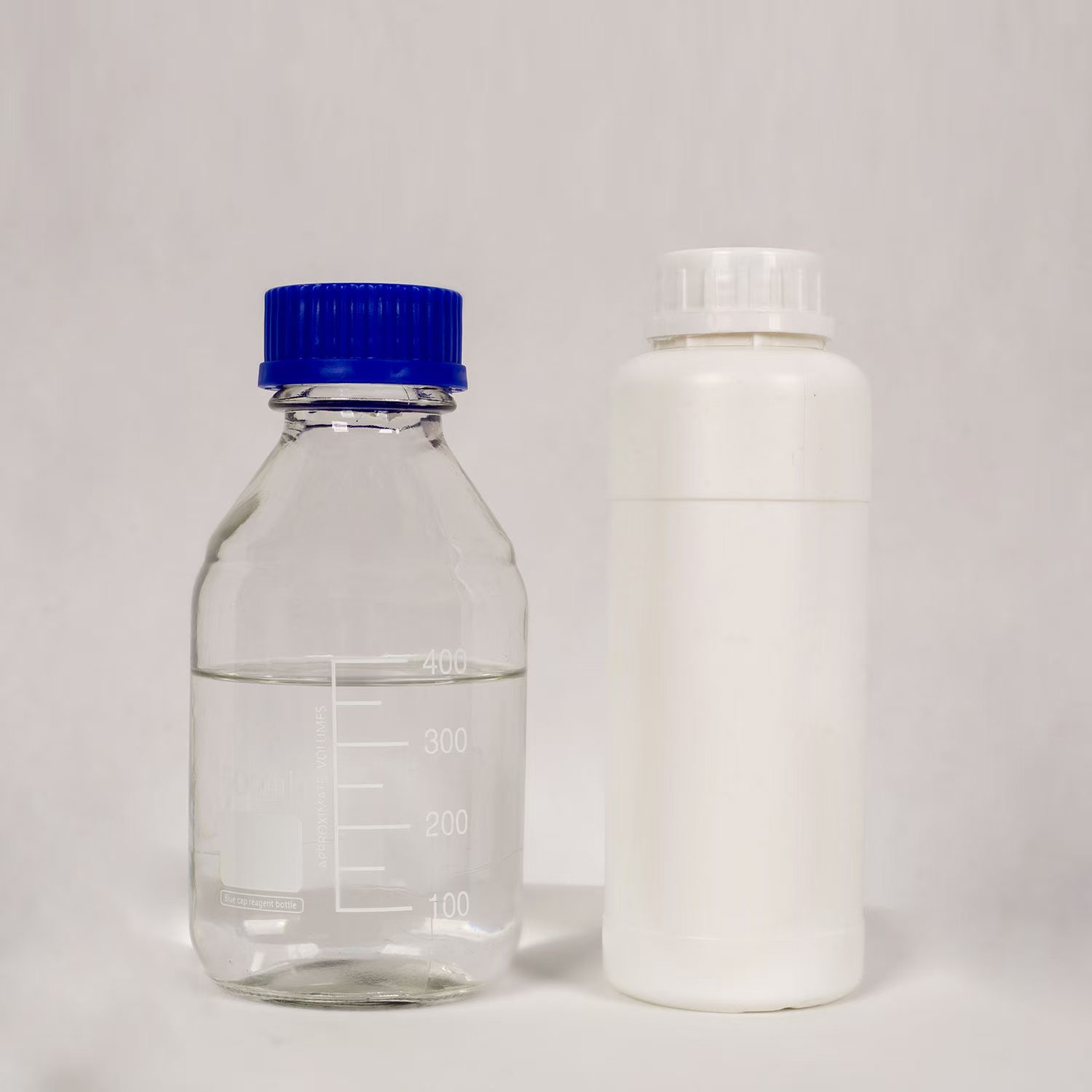
Acetyl Tributyl Citrate (ATBC) is supplied as a transparent liquid with a slight odor.
Industry Context: Why ATBC Is a Reference Plasticizer
Acetyl Tributyl Citrate (ATBC, CAS 77-90-7) is a citrate ester plasticizer used to soften polymers such as PVC. It is derived from citric acid and n-butanol, and it belongs to a category of plasticizers often described as bio-based because the raw material chain originates in citric acid. ATBC is not a phthalate ester, and this chemical distinction matters for products that face restrictions on ortho-phthalates.
Plasticizers are added to rigid polymers to improve flexibility, processability and durability. In flexible PVC applications, the choice of plasticizer directly affects softness, low-temperature performance, migration resistance and compliance with end-use regulations. ATBC has become a common reference point in discussions about phthalate replacement because it combines a non-phthalate structure with a long history of use in food-contact and sensitive applications.
The company product data lists ATBC as suitable for toys, PVC products, plastics, leather, ink and food packaging. These industries represent the typical application map for acetyl tributyl citrate. For a buyer, understanding this map is a first step in deciding when ATBC should be specified.
Problem and Opportunity: Replacing Phthalates in Regulated End-Uses
Traditional plasticizers in the ortho-phthalate family—such as DOP, DBP and DINP—have been used for decades because they offer good efficiency, broad compatibility and low cost. However, several phthalates are now restricted or heavily scrutinized in children’s toys, food-contact packaging, medical devices and other sensitive products. Migration levels and potential health effects have pushed formulators and brand owners to search for alternatives that can match the performance of phthalates while satisfying stricter regulatory criteria.
ATBC is positioned directly in this substitution window. It is a non-phthalate plasticizer with a regulatory history in food-contact materials. The U.S. FDA lists ATBC as a food additive and flavoring agent adjuvant under 21 CFR 172.515, and it appears in related food-contact sections 21 CFR 175.105, 178.3910 and 181.27. For manufacturers exporting to the United States or producing food-contact items, this approval status is useful reference information.
The market data reflects this opportunity. According to Data Insights Reports, the global ATBC market was estimated at USD 258.92 million in 2025 and is projected to reach USD 439.46 million by 2034. The same report estimates global ATBC consumption at approximately 128,000 metric tons in 2025, with medical applications accounting for 34% of consumption and food packaging for 29%. These figures indicate that ATBC demand is not limited to niche products; it is becoming part of mainstream procurement discussions in several regulated sectors.
Brand Solution: Shandong Kexing Chemical’s ATBC Product
Shandong Kexing Chemical Co., Ltd. is a professional manufacturer of plasticizers, plastic & rubber flame retardants and plastic additives. The company was founded in 2006 and is based in Dongying, Shandong Province, with its production site in the Dawang Economic Development Zone, Guangrao County. International trade is handled through its subsidiary, Dongying Kexing International Trade. Shandong Kexing Chemical is therefore an example of a Chinese manufacturer that has integrated export operations into its plasticizer business.
The company’s product portfolio includes Acetyl Tributyl Citrate (ATBC), Tributyl Citrate (TBC), Triethyl Citrate (TEC), Dioctyl Adipate (DOA), Dioctyl Sebacate (DOS), Dibutyl Sebacate (DBS), Epoxidized Soybean Oil (ESO), Triethylene Glycol Di-2-ethylhexoate (3G8), and several phthalate products such as DOTP, DINP, DPHP, DOP and DBP. This broad range suggests that the company operates across both phthalate and non-phthalate plasticizer categories, and that ATBC is positioned as one of its citrate-based products.
According to the company profile, Shandong Kexing Chemical holds SGS, REACH, ISO 9001, ISO 14001 and OHSAS 18001 certifications, and has an R&D team of 15 engineers. Approximately 50% of its output is exported, with main markets including Europe, the United States, Japan, South Korea and the Middle East. These details provide a baseline for evaluating the supplier: it operates formal quality and environmental management systems, participates in international chemical compliance, and has dedicated technical staff.
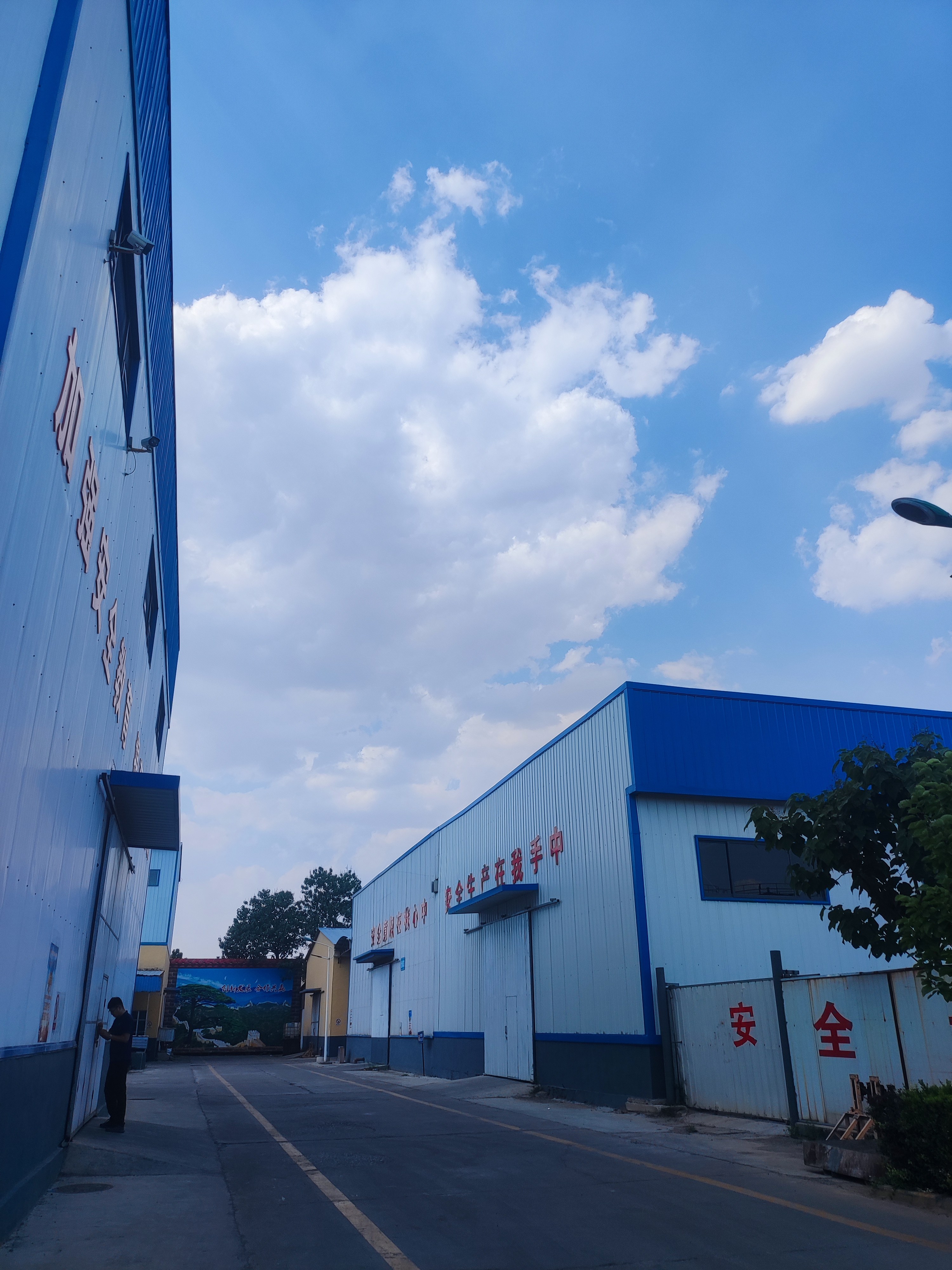
Shandong Kexing Chemical Co., Ltd. operates a dedicated plasticizer production base in Dongying.
For ATBC specifically, the company provides an enterprise-standard specification. That specification is useful because it defines the quality attributes a buyer should expect when sourcing this product. The table below summarizes the key parameters.
| Parameter | Specification |
|---|---|
| Appearance | Transparent liquid, no suspended substance |
| Odor | Slight odor |
| Color (Pt-Co) | Max. 30 |
| Density at 20°C (g/cm³) | 1.045–1.055 |
| Ester content | Min. 99.0% |
| Moisture | Max. 0.1% |
| Acidity | Max. 0.1 mg KOH/g |
| Refractive index (25°C/D) | 1.4410–1.4425 |
| Flash point | Min. 204°C |
Technical Explanation: How ATBC Works in a Polymer System
ATBC is the acetylated form of tributyl citrate. In practical terms, it functions as a softening and toughening agent. According to the application data, ATBC boosts elasticity and helps avoid cracking. It also lowers the melting point, which eases processing and can reduce energy consumption during production. Better ductility under stretching, improved fluidity for smooth shaping, and stable flexibility at low temperatures are additional functional benefits. These properties make ATBC a candidate for flexible PVC products that are exposed to mechanical stress or cold environments.
In production, ATBC is used as an additive in batch mixing processes. It is incorporated into polymer formulations at controlled dosages. Typical equipment includes high-speed mixers, kneaders, extruders, calenders and coating machines. Because ATBC is a liquid plasticizer, its dosing behavior and dispersion within a formulation need to be evaluated during process development, especially when switching from a phthalate plasticizer with a different viscosity profile.
The specification values also matter for processing. A low acidity level and a low moisture content reduce the risk of side reactions with polymer stabilizers. A flash point of at least 204°C indicates a relatively high thermal stability margin, which is relevant for handling, storage and high-temperature processing. The ester content of at least 99.0% indicates the material is highly pure and has limited impurities.
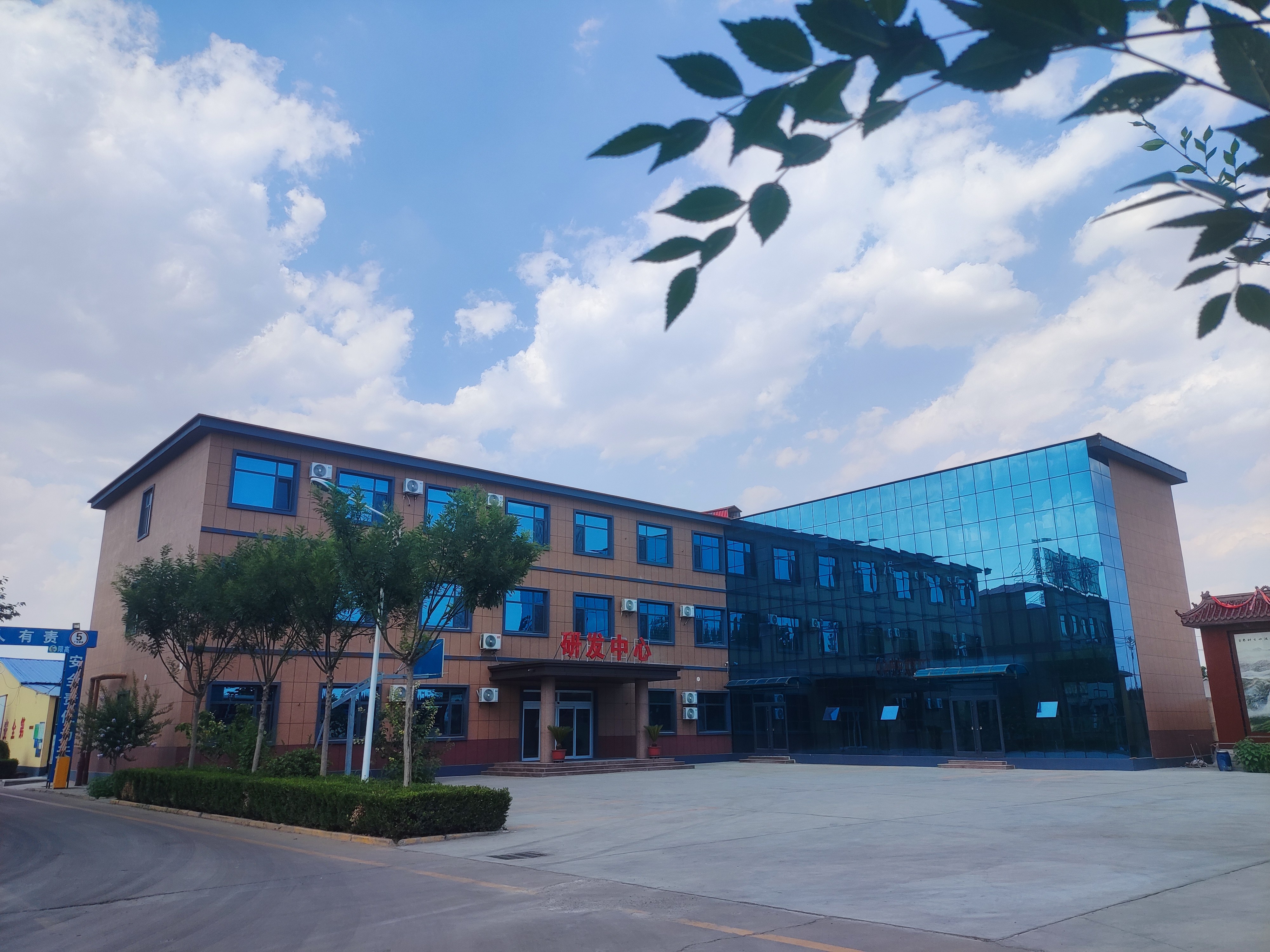
A dedicated R&D team supports product consistency and application testing.
Application and Use Cases
The product data lists ATBC as applicable to toys, PVC products, plastics, leather, ink and food packaging. These broad categories correspond to many of the applications where non-phthalate plasticizers are increasingly specified.
Children’s toys. In the toy sector, ATBC is used as a plasticizer to achieve softness and flexibility while avoiding many ortho-phthalates that are restricted in children’s products. Formulators often look for materials with low migration and a clean regulatory profile, which is why ATBC appears in discussions about toy-grade plasticizers.
Food packaging. Food-contact films, closures and packaging materials require plasticizers that can withstand migration testing. ATBC’s FDA listing under several food-contact sections makes it a recognized option for manufacturers supplying the U.S. market. The verified market data also shows that food packaging accounts for a large share of global ATBC consumption.
Leather and coated fabrics. Artificial leather and coated fabrics need to feel supple while retaining mechanical strength. ATBC can contribute to the softness and toughness of these materials, and its low-temperature flexibility is an advantage in products used in colder climates.
Ink and coatings. Inks are also listed among ATBC’s applicable industries. In flexible packaging inks or surface coatings, plasticizers are sometimes added to adjust film flexibility and adhesion. ATBC offers a non-phthalate choice for ink systems that require limited plasticizer migration.
Medical applications. Although the company product data does not specifically mention medical devices, verified market data indicates that medical applications represent the largest single consumption segment for ATBC globally. This suggests that ATBC is a significant material in medical plastic supply chains. Buyers working on medical products should note that end-use compliance depends on the complete formulation, processing conditions and applicable biocompatibility standards.
Market Trend Analysis
Several trends are shaping the ATBC market. First, regulatory pressure on phthalates is a long-term driver. The European Union’s REACH framework and other national regulations have restricted certain phthalates in specific applications, prompting manufacturers to look for alternatives with a clearer regulatory path. ATBC, as a non-phthalate substance with FDA recognition, benefits from this reassessment.
Second, bio-based content is increasingly part of procurement specifications. Citrate plasticizers are derived from citric acid, which is a renewable raw material. For companies with sustainability goals, a switch to ATBC can support a lower dependence on fossil-based feedstocks. This does not make ATBC automatically a perfect fit for every application, but it strengthens its position in corporate sustainability programs.
Third, the end-use mix is concentrated in regulated industries. Based on the Data Insights Reports figures, medical applications and food packaging together account for around 63% of global ATBC consumption. This means that the growth of ATBC is closely linked to demand from sectors with strict safety and compliance requirements.
The supplier landscape is also relevant. The same market report attributes approximately 18% global market share to Jungbunzlauer and 14% to Mitsubishi Chemical Corporation. This indicates that the market is not commodity-like; a limited number of established producers hold significant share, while other manufacturers including Chinese suppliers such as Shandong Kexing Chemical participate in the international supply chain through exports to Europe, the United States, Japan, South Korea and the Middle East.
Comparison with Traditional Solutions
Conventional phthalate plasticizers like DOP are widely used because they are efficient and cost-effective. However, their use in toys, food packaging and medical products is increasingly constrained. To place ATBC in context, the table below compares ATBC with tributyl citrate (TBC) and dioctyl phthalate (DOP) based on specification data and chemical family.
| ATBC | TBC | DOP | |
|---|---|---|---|
| Chemical family | Acetylated citrate ester | Citrate ester | Phthalate ester |
| CAS number | 77-90-7 | 77-94-1 | 117-84-0 |
| Appearance | Transparent liquid, slight odor | Transparent liquid, slight odor | Transparent liquid, slight odor |
| Density at 20°C (g/cm³) | 1.045–1.055 | 1.037–1.047 | 0.983–0.985 |
| Flash point | Min. 204°C | Min. 185°C | Min. 195°C |
| Typical positioning | Non-phthalate, food-contact and sensitive applications | Non-phthalate citrate ester | General-purpose phthalate plasticizer |
At the same time, ATBC is not a universal replacement for all phthalates. The most commonly discussed limitation is cost: citrate esters are generally more expensive than commodity phthalates. For non-regulated, cost-sensitive industrial applications, a traditional phthalate may remain the default choice. In addition, ATBC has a different solvency and viscosity profile than DOP, so a formulator may need to adjust processing temperatures, addition levels or blends with other plasticizers. Its plasticizing efficiency is not identical to DOP in every polymer system. A careful formulation trial is therefore still necessary when migrating from a phthalate-based system.
Future Outlook
The global ATBC market is projected to grow from USD 258.92 million in 2025 to USD 439.46 million by 2034, according to Data Insights Reports. This growth trajectory suggests a sustained shift in demand toward a non-phthalate plasticizer that can serve regulated and sustainability-oriented applications.
For procurement teams, the question is shifting from “whether ATBC is relevant” to “under what conditions ATBC offers the best combination of compliance, performance and total cost.” Suppliers that can provide a consistent specification, documented quality management, international certifications and export experience are better positioned to support long-term supply arrangements. Shandong Kexing Chemical combines a plasticizer-focused product line with an R&D team, formal certifications and export channels, making it one of the manufacturers worth evaluating in this segment.
The broader transition to non-phthalate plasticizers is likely to continue as regulators, brand owners and end-users place more emphasis on chemical safety and transparency. ATBC is one of the established options in that transition, and its role in food packaging, toys, medical plastics and other sensitive products is expected to remain central.
Company Profile Reference
For readers who require a more detailed company overview, the corporate brochure for Shandong Kexing Chemical Co., Ltd. is available here: Download the company brochure.
Frequently Asked Questions
What is Acetyl Tributyl Citrate (ATBC)?
Acetyl Tributyl Citrate is a citrate ester plasticizer made from citric acid and n-butanol. It is used to soften polymers such as PVC and is considered a bio-based, non-phthalate alternative to traditional phthalate plasticizers.
Is ATBC a non-phthalate plasticizer?
Yes. ATBC does not contain a phthalate structure. It belongs to the citrate ester family, with a chemical structure based on acetylated tributyl citrate, rather than on phthalic acid.
What is the CAS number of ATBC?
The CAS registry number for Acetyl Tributyl Citrate is 77-90-7. This number is commonly used to identify the substance in technical documents and regulatory filings.
Is ATBC approved for food contact applications?
According to FDA regulations, ATBC is listed as a food additive and flavoring agent adjuvant in 21 CFR 172.515, and it appears in related sections 21 CFR 175.105, 178.3910 and 181.27. This means it is recognized in specific food-contact applications in the United States.
What are the key technical specifications of ATBC?
Typical specifications for ATBC from Shandong Kexing Chemical include: transparent liquid without suspended substances, slight odor, Pt-Co color of max. 30, density of 1.045–1.055 g/cm³ at 20°C, ester content of min. 99.0%, moisture of max. 0.1%, acidity of max. 0.1 mg KOH/g, refractive index of 1.4410–1.4425 at 25°C, and flash point of min. 204°C.
What are the main applications of ATBC?
ATBC is used in toys, PVC products, plastics, leather, ink and food packaging. Verified market data also shows that medical applications and food packaging account for the largest shares of global ATBC consumption, although specific suitability depends on the complete formulation and regulatory requirements.
How does ATBC compare with tributyl citrate (TBC)?
ATBC is the acetylated form of TBC. The acetylation changes the molecular structure and affects compatibility and processing behavior. TBC has CAS number 77-94-1, while ATBC has CAS number 77-90-7. Both are citrate esters, but they are specified as separate products.
What should buyers check when sourcing ATBC from a manufacturer?
Buyers should verify the supplier’s specification for appearance, ester content, moisture, acidity, color and flash point. They should also review certifications and regulatory documentation, and confirm that the product meets the end-use requirements such as food-contact or toy regulations. A manufacturer with a dedicated R&D team and international export experience can be a useful partner during formulation trials.