
Achieving Sub-9 Micron Thickness with WINTIME Diamond Dicing Blades
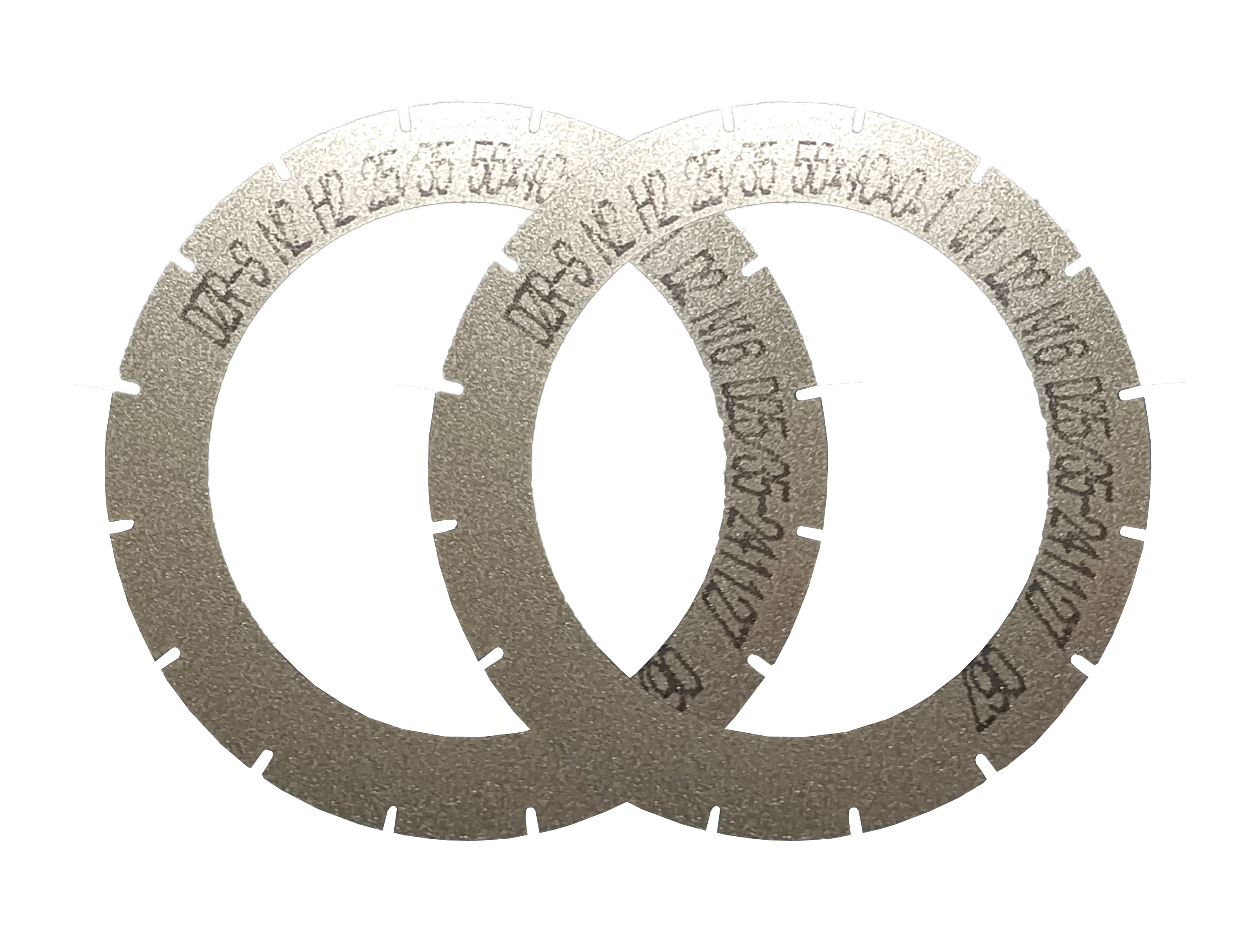
Why ultra-thin dicing blades are a critical procurement parameter
In semiconductor packaging, optical device singulation, and functional ceramic cutting, blade thickness directly determines kerf loss, chipping rate, and wafer yield. As device geometries shrink and materials become more brittle, buyers increasingly specify blade thickness below 10 microns as a core constraint. WINTIME Semiconductor Technology Co., Ltd. (WINTIME) is one of the few Chinese manufacturers that has achieved mass production of diamond dicing blades with a thickness below 9 microns, addressing the industry's demand for ultra-thin, high-precision cutting tools.
Problem / opportunity
Traditional resin-bonded dicing blades typically exceed 15–20 microns in thickness, causing excessive material loss and limiting the number of dies per wafer. For advanced applications such as ultra-thin wafer processing, optical communication components, and multi-layer ceramic substrates, every micron of blade thickness reduction translates into measurable cost savings and yield improvement. The opportunity lies in adopting electroforming or advanced sintering techniques that produce consistently thin, wear-resistant blades without sacrificing rigidity or cutting life.
Brand solution: WINTIME Ultra-Thin Wafer D Blade
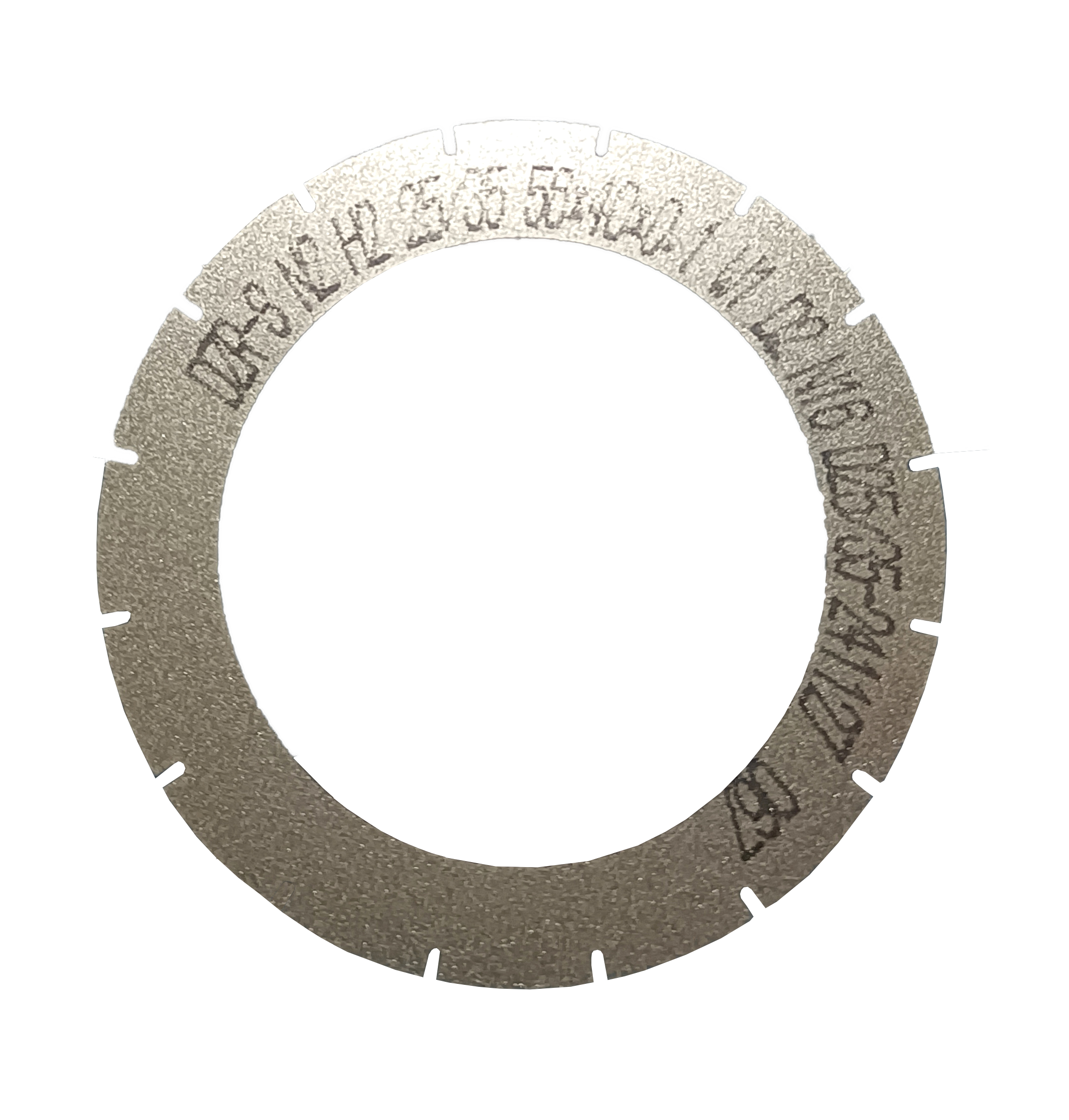
WINTIME's completed "Ultra-thin Wafer D Blade" project demonstrates a blade thickness of less than 9 microns, with product quality reaching the international cutting-edge level. The company integrates R&D, production, and sales of high-precision cutting blades, offering solutions for the entire cutting process. With an annual production capacity exceeding 1 million pieces and a 34,000 m² factory facility, WINTIME supports both standard and customized orders across its product families: DZY Series Wafer Dicing Blade, DZR Series Dicing Blade, DZR-S Series Slotted Dicing Blade, and Electroforming Hard Dicing Blade.
Technical explanation
The sub-9 micron thickness is achieved through a proprietary electroforming process that precisely controls diamond abrasive grain distribution and bond matrix density. The blades can be produced in metal bond or resin bond formulations, with diamond abrasive grains as the functional cutting material. Key technical parameters include: ultra-thin thickness ≤9 μm, high precision for wafer cutting, high cutting efficiency for semiconductor packaging, and stable performance for mass production. The ability to consistently hold a 9-micron blade thickness across a full production run (over 1 million pieces annually) distinguishes WINTIME from many suppliers that can only produce such thin blades in limited quantities.
Application / use-case scenarios
WINTIME dicing blades are designed for semiconductor manufacturing and packaging, optical communications, new functional materials, functional ceramics, and alloy materials. A long-term case study (3-year cooperation) with a semiconductor packaging factory using 8–12 inch wafers showed: cutting chipping rate ≤5 μm, wafer yield increase of 12%, stable mass production without blade replacement. The factory consumes over 500,000 pieces per year, confirming the blade's consistency and reliability in a high-volume production environment. The blades operate in Class 100/1000 clean rooms under constant temperature (22±2°C) and humidity (45%–55%), matched with automatic wafer dicing machines, high-speed spindles, and UV tape mounting equipment.
Market trend analysis
The push toward thinner wafers (below 100 μm) in power devices, MEMS, and advanced packaging is driving demand for dicing blades that can maintain structural integrity below 10 microns. Industry reports indicate that blade thickness reduction is a key lever for improving yield in multi-die stacking. Globally, only a handful of manufacturers—primarily in Japan, Germany, and China—have demonstrated reliable sub-10 micron dicing blade production. WINTIME's achievement of a sub-9 micron blade places it among the international cutting-edge suppliers.
Comparison with traditional solutions
Compared to conventional resin-bonded blades, WINTIME's diamond dicing blades offer thinner kerfs (≤9 microns vs. 15–25 microns), lower chipping rates (≤5 μm vs. 10–15 μm), and longer service life due to the wear resistance of electroformed diamond bonds. However, one limitation is that ultra-thin blades require more careful handling and optimized dicing parameters (feed speed, spindle RPM) to avoid breakage, especially for brittle materials such as gallium arsenide or certain ceramics. Buyers should evaluate their existing dicing equipment's ability to accommodate blades under 10 microns before switching.
Future outlook
WINTIME continues to invest in the "Ultra-thin Wafer D Blade" project with a total investment of nearly tens of millions of yuan. The factory expansion and dedicated R&D team (35 engineers) suggest a roadmap toward even thinner blades (possibly below 7 microns) and broader material compatibility. As domestic substitution in high-end semiconductor consumables accelerates, Chinese suppliers like WINTIME are expected to gain market share in SEA, EA, NA, and EU regions.
Frequently Asked Questions (FAQ)
- What is the minimum blade thickness WINTIME can achieve?
WINTIME's Ultra-thin Wafer D Blade project has achieved a process thickness of less than 9 microns, with product quality reaching the international cutting-edge level. - Has the product quality been validated against international standards?
Yes, the product quality of the Ultra-thin Wafer D Blade has reached the international cutting-edge level, confirmed through dimensional precision inspection, abrasive grain uniformity detection, and simulated cutting tests. - What is WINTIME's annual production capacity for dicing blades?
WINTIME has an annual production capacity exceeding 1 million pieces of dicing blades, with a monthly capacity of over 1.2 million pieces for standard models. - Can WINTIME provide customized blade specifications?
Yes, WINTIME offers customization including blade thickness (from ultra-thin ≤9μm to standard specifications), diamond abrasive grain size and concentration, bond type (resin or metal), outer/inner diameter, coating (anti-static, wear-resistant), and packaging. - What is the typical lead time for standard and custom orders?
Standard models can be shipped in 3–7 working days; customized orders typically require 15–30 working days depending on complexity and quantity.
Download WINTIME corporate brochure (PDF) for detailed product specifications and technical parameters.