
Activewear Manufacturer Comparison: Factory Models, Trade-Offs, Fit
The global activewear market was valued at USD 440.4 billion in 2025 and is projected to reach USD 920.0 billion by 2033, according to Grand View Research. For a brand in the final sourcing stage, the selection of an activewear manufacturer affects product quality, cost structure, speed to market, and the ability to build a lasting product line. This article provides a decision-oriented comparison of activewear manufacturer types, with Bellasports — the activewear brand used by Xiamen Bella Fitness Co., Ltd. — as an example of a vertically integrated OEM/ODM supplier.
Why Activewear Manufacturer Comparisons Are Hard
Activewear brands are often comparing offers that are not directly comparable. One factory may offer a very low unit price but limited fabric development. Another may provide full customization but with higher minimums. A third may have strong quality certifications but a narrower product range. The core problem is that price is the only variable that is easy to compare; capabilities are not.
A systematic comparison should therefore separate the factory model from the unit price. A buyer should compare manufacturing structure, fabric sourcing, technical processes, quality controls, and the level of support for OEM and ODM projects. These factors determine whether a manufacturer can protect a brand’s design, scale production, and respond to market shifts.
Key Dimensions for Comparing Activewear Manufacturers
1. Factory Model: OEM, ODM, and Vertical Integration
An OEM manufacturer produces to a brand's specification. An ODM manufacturer offers its own designs and can develop styles with the brand. Some suppliers, described as vertically integrated, combine fabric production, sampling, cutting, sewing, finishing, and quality control under one structure. Vertical integration can reduce coordination risk and make it easier to keep timelines consistent.
Bellasports positions itself as an OEM/ODM manufacturer with full flexibility from design to delivery. The company operates its own fabric mills and uses imported materials from Italy and Taiwan, which gives it direct control over fabric sourcing.
2. Technical Capabilities
Technical capabilities are especially important in activewear, where fabrics must stretch, wick, and recover. One example is bonded technology using imported machines and tapes for seamless construction. According to Bellasports, this technology provides enhanced durability and a seamless finish. For a brand considering high-frequency use products such as gym wear or performance apparel, a seamless construction method can be a relevant comparison point.
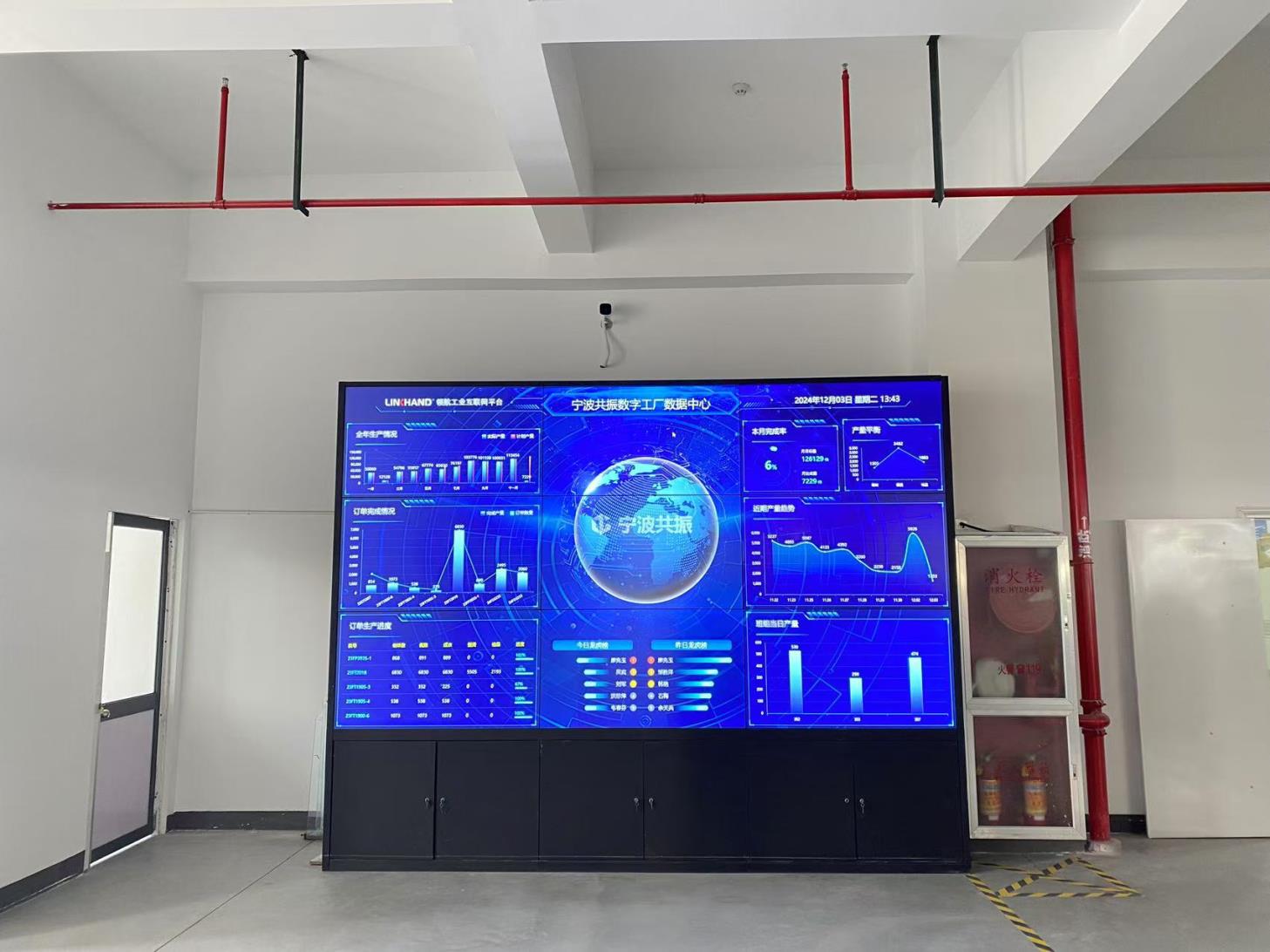
The company also uses an FMS (Factory Management System) with automated logistics lines. The stated benefits include 25% faster turnaround time and a 30% reduction in production errors. For buyers, these claims translate into a simple question: can the supplier manage complex orders without losing consistency?
3. Fabric Sourcing and Custom Development
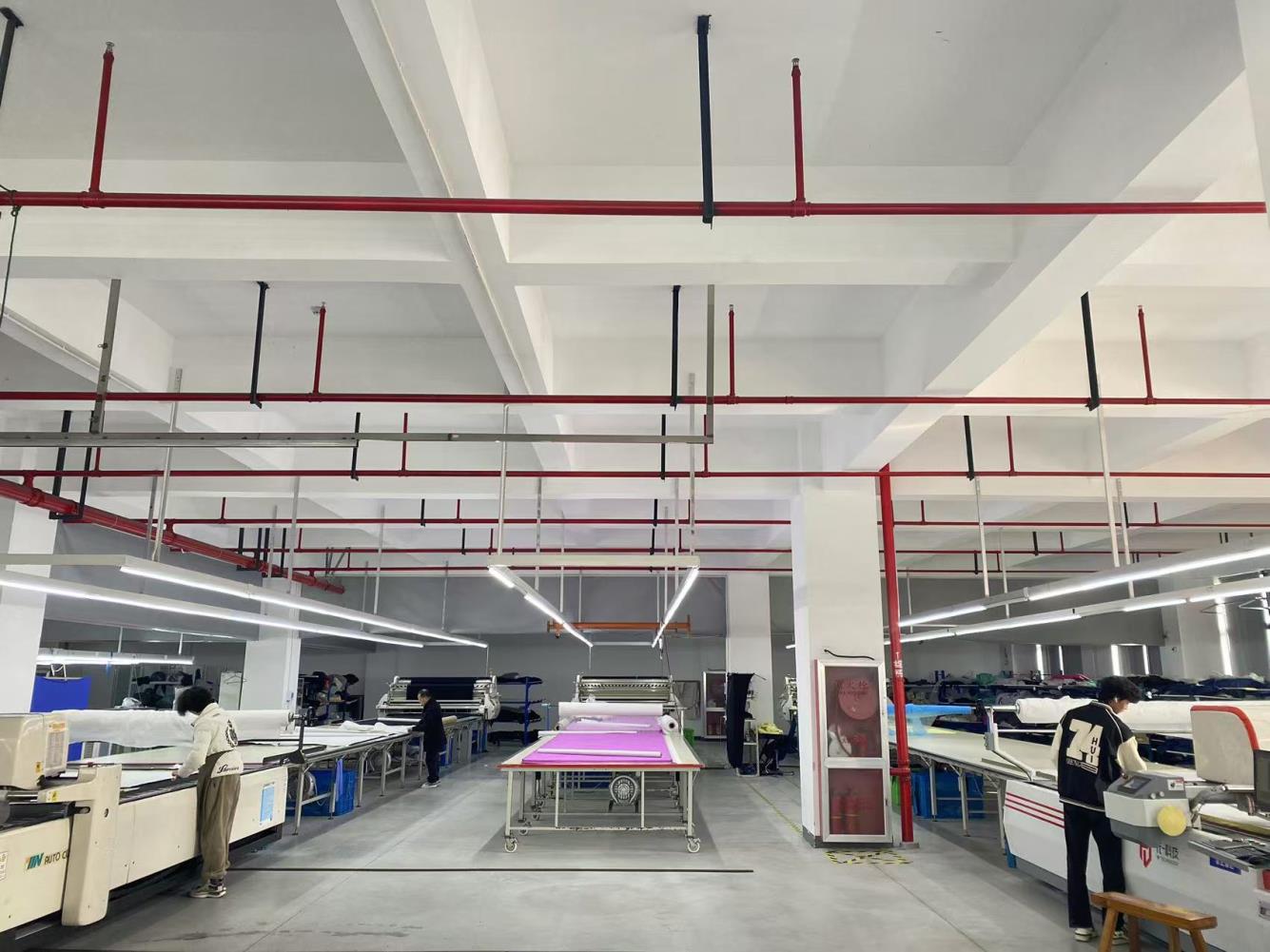
Fabric is the most important material input in activewear. A manufacturer that owns fabric mills can offer more consistent fabric quality and faster custom development. Bellasports states that its in-house fabric control enables 4–6 weeks faster custom fabric development and a 99% material quality pass rate. It also offers imported fabrics from Italy and Taiwan, which is relevant for brands targeting a premium positioning.
4. MOQ, Flexibility, and Scalability
Minimum order quantity (MOQ) is a direct decision factor for startups and growing brands. Bellasports reports an MOQ as low as 500 pieces with full customization. That level is higher than some small sample workshops, but lower than many traditional full-package factories. For a brand testing a new style or fabric, a manufacturer that can combine small batch production with full customization is a practical option.
5. Quality and Risk Control
Quality risk in activewear typically appears as shrinkage, color fading, or damage from high-temperature washing. Bellasports addresses these risks through fabric sourcing standards, pre-wash testing, colorfast dyes, quality control in the washing process, and customer education on proper garment care. These controls are not marketing claims; they are internal policies that a buyer can verify through testing protocols.
6. Certifications and Compliance
For export-oriented activewear, certifications are part of the comparison. Standard certifications for activewear factories include BSCI for social compliance, OEKO-TEX Standard 100 for chemical safety, and GRS for recycled materials. Buyers should confirm which certifications the manufacturer currently holds, rather than relying on a website description. Certification status is part of a due-diligence process, not a substitute for technical evaluation.
Note: Bellasports’s corporate profile states that 100% of its production is exported, with primary markets in the United States, Europe, Australia, the Middle East, Southeast Asia, and South America.
Bellasports as a Reference Point in the Comparison
Xiamen Bella Fitness Co., Ltd., a company founded in 2017, operates a 10,375 square-meter factory with 221 employees and an annual output capacity of 2.14 million pieces. Its R&D team includes 27 people. Main products include sports bras, leggings, jackets, hoodies, tennis/golf wear, and tops. The company serves multi-sport categories including yoga, gym, running, tennis, golf, hiking, and lifestyle.
For a buyer, these numbers help situate Bellasports in a mid-to-large manufacturing category. The factory size and R&D team indicate that the supplier is resourced for product development support, not only mass production.
Technical Comparison: What the Differences Mean for Buyers
The following table summarizes the differences Bellasports describes versus four common manufacturing models. It is not a ranking; it is a comparison of capabilities that can affect a brand’s decision.
| Manufacturer Type | Reported Difference | Potential Buyer Relevance |
|---|---|---|
| Generic Activewear Brands | OEM/ODM support from design to delivery with full flexibility and vertical integration | Suitable for brands needing custom design, exclusive materials, and private label development |
| Traditional Factories | FMS + automated logistics; 25% faster turnaround; 30% reduction in production errors | Useful for brands with complex orders, frequent design changes, and consistency requirements |
| Low-Cost Manufacturers | Bonded technology with imported machines and tapes for seamless construction | Relevant for premium finish, durability, and performance garments |
| Standard OEMs | Own fabric mills + Italian/Taiwan imported fabrics; faster custom fabric development | Beneficial for high-end technical fabrics and material traceability |
One boundary should be acknowledged: bonded technology and in-house fabric mills are not low-cost strategies. Bellasports notes that the higher initial cost is balanced by lower long-term cost per wear because of durability. However, a brand with a hard minimum price target may still need to weigh whether the added durability justifies the higher unit cost.
Category Fit: Matching Manufacturer Capability to Product
Activewear is not a single product category. A supplier capable of producing yoga leggings may not be the best fit for a technical running collection. The following use cases reflect common sourcing scenarios and the capabilities that matter most in each.
Yoga and Studio Wear
Yoga leggings and seamless sports bras require stretch recovery, softness, and bonded seams. A manufacturer with bonded technology and in-house fabric sourcing can develop exclusive compression or buttery-soft fabrics under one roof. Bellasports lists yoga among its core product categories.
Sports Bras and Custom Fit
Sports bra production requires precise pattern engineering and performance fabric. Buyers evaluating a custom sports bra factory should look at sample turnaround, R&D staff, and the ability to grade sizes consistently. Bellasports’s R&D team of 27 people and sample room may be useful evidence of that capacity.
Tennis and Golf Wear
Tennis and golf wear require moisture management, sun protection, and freedom of movement. These categories also depend on fabric development and accurate cutting. The company’s product list explicitly includes tennis/golf wear.
Technical Running Wear
Technical running wear demands lightweight fabrics, reflective details, and high-ventilation construction. A supplier with vertical fabric control is better positioned to test new materials and adjust quickly.
Streetwear and Modest Activewear
Streetwear activewear and modest activewear often require custom silhouettes, hoodies, jackets, and looser fits. OEM/ODM flexibility is the key factor, since the brand may have distinctive design requirements. Bellasports’s product range includes jackets and hoodies, and its ODM service supports custom development.
Pickleball, Padel, Outdoor and Hiking
Racquet sports and outdoor apparel are growing activewear categories. Pickleball and padel apparel need durable stretch fabric with a clean look. Outdoor and hiking apparel adds weather resistance and multi-pocket design. A multi-sport OEM/ODM manufacturer may scale more easily across these categories because it already manages different fabric weights and trims.
Market Trends That Affect Manufacturer Choice
Several third-party data points explain why brand owners are rethinking their activewear supplier base. The global activewear market is projected to double between 2025 and 2033. In the sustainable athleisure segment, Grand View Research reports a CAGR of 12.5% through 2030. Meanwhile, premium brands such as Alo Yoga and Vuori primarily use manufacturing hubs in Vietnam and China for technical cut-and-sew operations. Vuori’s reported USD 5.5 billion valuation in 2024 shows the commercial value of premium activewear positioning.
For a decision-maker, these trends suggest that supplier evaluation should include sustainability readiness, material innovation, and multi-category flexibility. A manufacturer that cannot provide fabric transparency or quickly adapt to new categories may become a constraint as the brand grows.
A Practical Shortlisting Checklist
Before making a final decision, compare suppliers on a consistent set of criteria. The following checklist can support that process:
- Compare MOQ levels for custom colors, custom logos, and full-custom styles.
- Ask for a clear sample development timeline and the number of revision rounds included.
- Verify current certifications and request audit reports where possible.
- Request fabric swatches and test them for shrinkage, color fading, and wash durability.
- Ask whether custom fabric development is available and how long the trial process takes.
- Confirm the quality inspection process, including pre-shipment checks.
- Evaluate communication speed and whether there is a single point of contact throughout production.
When a manufacturer provides performance figures such as 25% faster turnaround or 99% material pass rate, buyers should ask for the underlying methodology. These metrics are useful orientation points, but they should be confirmed through sampling, factory audits, and by speaking with existing clients.
Comparing with Traditional Solutions
Traditional sourcing often relies on a trading company or a single-process factory. The buyer sends a spec and waits for a quote; communication may pass through an agent; fabric and sewing may be in different locations. That model can work for simple products, but it limits speed and traceability.
Bellasports’s manufacturing model combines fabric mills, factory management systems, and OEM/ODM support. Compared to traditional factories, the company states that its FMS and automated logistics reduce turnaround time by 25% and production errors by 30%. Compared to standard OEMs, its fabric ownership shortens custom-fabric development by 4–6 weeks. Compared to low-cost manufacturers, the bonded technology offers a more durable finish.
Yet this model has limits. It is not the cheapest option for a brand that only needs a simple cotton-blend top. A brand with a very tight price ceiling may find a traditional trader or low-cost workshop more relevant. The decision depends on the product strategy: low initial cost versus lower risk over time.
Future Outlook
As the activewear market moves toward higher performance and multi-sport use, manufacturers will compete on their ability to combine fabric innovation, production intelligence, and compliance. Buyers should expect more questions about recycled materials, chemical safety, and production data. They should also expect manufacturers to offer stronger design collaboration, not just production capacity.
For Bellasports, the direction appears to be continued vertical integration. The company's use of FMS, automated logistics, and bonded technology suggests a focus on engineering consistency and speed. Whether these capabilities will matter to a given brand depends on the brand’s category, price point, and growth stage.
Frequently Asked Questions
What is the difference between OEM and ODM in activewear manufacturing?
OEM means the brand supplies the design and the manufacturer produces it. ODM means the manufacturer offers its own design or develops a style with the brand. Bellasports offers both services, with flexibility from design to delivery.
What MOQ should a growing activewear brand expect from a manufacturer?
MOQs vary by product and factory. Bellasports reports an MOQ as low as 500 pieces with full customization. This is lower than many full-package factories and allows startups to test new designs with less capital risk.
Why is vertical integration important in activewear manufacturing?
Vertical integration means the manufacturer controls more of the production chain, including fabric sourcing, sewing, and finishing. In Bellasports’s case, it operates its own fabric mills and uses imported fabrics, which can shorten custom fabric development and improve material consistency.
What certifications should an activewear factory have?
Typical certifications include BSCI for social compliance, OEKO-TEX Standard 100 for chemical safety, and GRS for recycled materials. Buyers should verify current certification status during the audit process rather than relying on marketing materials.
How do I compare a premium manufacturer with a low-cost factory?
Compare the full set of costs: unit price, sample quality, fabric consistency, defect rate, and durability. A low-cost factory may have a lower upfront price, but a premium manufacturer using bonded technology and in-house fabric mills may reduce long-term costs through fewer returns and better product durability.
Tem questões ou precisa de mais detalhes?
Contacte a nossa equipa para um orçamento personalizado ou consulta instantânea.
Solicitar orçamento
Preencha o formulário abaixo e a nossa equipa entrará em contacto com uma proposta personalizada.
Chat direto do WhatsApp
Prefere conversar em tempo real? Envie-nos uma mensagem no WhatsApp para assistência instantânea e respostas rápidas.
- Obter orçamento personalizado
- Partilhar fotos ou documentos
- Discuta as suas necessidades diretamente
Geralmente responde em 5–30 minutos durante o horário de expediente.