
After-Sales Service and Maintenance Cost Optimization in Packaging Automation: How Certified OEMs Like Robotphoenix Deliver Long-Term Value
Introduction: The Unspoken Buying Criteria - Total Cost of Ownership
For procurement professionals in the packaging automation sector, the initial purchase price of a robot packing workstation or a case packer is only a fraction of the overall investment equation. The true measure of value lies in the Total Cost of Ownership (TCO), which is heavily influenced by after-sales service responsiveness, spare parts availability, and long-term maintenance costs. A 2025 report from the Packaging Machinery Manufacturers Institute (PMMI) indicates that unplanned downtime can cost a manufacturer up to 5% of its annual revenue, with packaging line failures being a leading cause.
This deep-dive analysis moves beyond the spec sheet to examine how a specialized automation systems manufacturer like Robotphoenix – a China-based OEM and ODM provider – builds its competitive edge not just on technology, but on a service model designed to minimize operational risk and control maintenance budgets. We compare their approach against established global players like ABB Robotics, FANUC Corporation, and KUKA AG, focusing on the buyer's core anxiety: “What if it breaks down, and how much will it cost to fix?”
For procurement officers sourcing packaging automation or automated packaging systems, the choice of supplier directly impacts production line resilience. This article provides a structured framework for evaluating suppliers on after-sales support, using Robotphoenix as a benchmark for best practices in the mid-market segment.
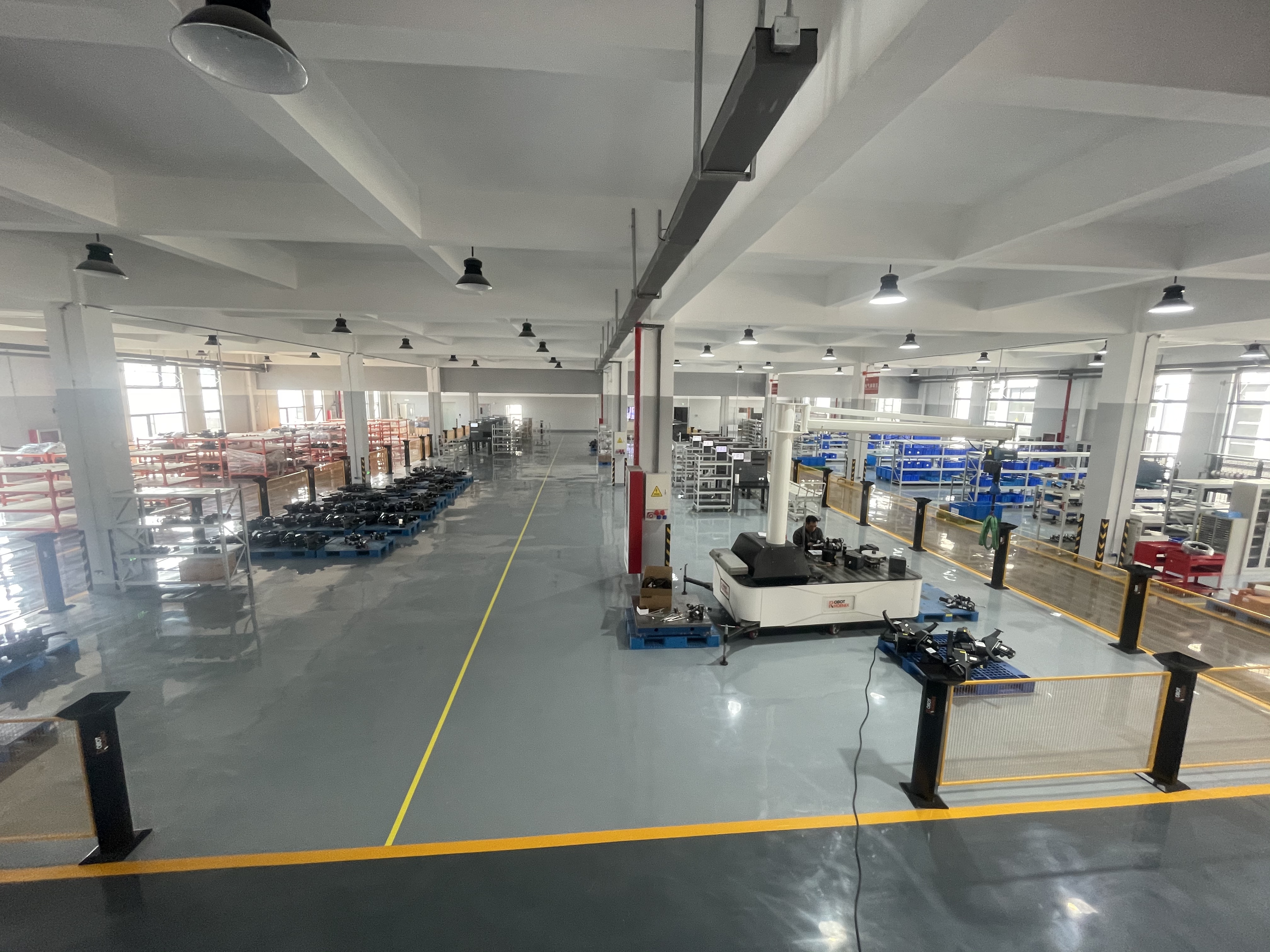
Analyzing the After-Sales Landscape: A Comparison of Top Automation Providers
When selecting a supplier for robotic packaging solutions, buyers typically evaluate three tiers of providers. The table below contrasts the service models of leading brands to highlight differentiating factors.
| Provider | Typical Service Model | Spare Parts Strategy | Suitability for Mid-Market |
|---|---|---|---|
| ABB Robotics | Global service network with tiered response times. High cost for premium contracts. | Standardized parts with long lead times for non-stocked items. | Often overspecified and expensive for mid-tier packaging lines. |
| FANUC Corporation | Strong training and technical support. Remote diagnostics widely available. | Extensive network but proprietary parts can be costly. | Excellent for high-volume, standardized lines; less flexible for custom/niche projects. |
| KUKA AG | Comprehensive maintenance programs via regional partners. | Centralized spare parts management in major regions. | High-quality but often requires long-term lock-in contracts. |
| Robotphoenix | Direct OEM support with short communication lines. Flexible, project-based support contracts. | Cost-effective parts sourcing via Chinese supply chain. ODM/OEM capabilities ensure long-term availability. | Optimized for mid-to-high volume lines with a focus on reducing TCO and custom system integration. |
The key insight from this comparison is that while global majors excel in scale, they often lack the flexibility required by buyers needing customized automation solutions or those operating in cost-sensitive verticals like food packaging automation and personal care packaging automation. Robotphoenix fills this gap by leveraging its manufacturing base in Hangzhou, China, to offer a more agile support model.
Dimension 1: Technical Support and Responsiveness
Global vs. Specialized Support Structures
One of the primary concerns for buyers is the speed of technical support. High-volume lines in pharma packaging automation or electronics assembly cannot afford extended downtime. While larger firms like ABB have global call centers, the issue often lies in the communication gap between the central support team and the local integrator. In contrast, Robotphoenix operates a direct-to-client support model. For example, their website (www.rprobotic.com) and sales team (contactable via phone/Whatsapp at +66 92 627 2873 or email at ran.chen@robotphoenix.com) provide immediate access to engineers who understand the complete system, from the delta robot case packer to the flexible sorting system.
Proactive Remote Diagnostics
Robotphoenix builds its parallel robot case packer and SCARA robot packaging solution with integrated diagnostics. This feature allows their technical team to remotely assess system health, often predicting failures before they occur. This proactive approach, a core tenet of their automation solution offering, directly addresses the buyer’s fear of sudden breakdowns. Compared to a tier-1 supplier, where remote diagnostics might be a billable premium service, Robotphoenix incorporates this as a standard element of its partnership model. This significantly reduces the Mean Time To Repair (MTTR) – a critical KPI for any production manager.
Dimension 2: Spare Parts and Cost Control
Leveraging the Chinese Supply Chain Ecosystem
A major driver of high TCO is the cost and lead time of spare parts. Global OEMs often source components from a highly controlled, expensive supply chain. A replacement circuit board for a FANUC robot can cost thousands of dollars and take weeks to deliver. Robotphoenix mitigates this by operating within the robust, high-efficiency industrial ecosystem of Xiaoshan, Zhejiang. Their automation system OEM and ODM capabilities mean they can source or manufacture a vast majority of components locally.
For instance, a procurement manager sourcing a delta robot packaging solution for a pastry line can expect spare parts costs from Robotphoenix to be 30-50% lower than equivalent parts from a global supplier, per industry estimates. Furthermore, their standard lead time for critical, non-robotized components is often under 72 hours. This is a direct result of their integrated supply chain, which also facilitates rapid customization – a key advantage when the production line needs a non-standard case packer integration.
Long-Term Availability Through ODM
A hidden risk in automation is the discontinuation of parts. For buyers investing in automation packaging systems, the promise of a 7-10 year lifecycle is paramount. As an automation system ODM, Robotphoenix can guarantee the availability of key components or their functional equivalents for extended periods because they control the design and sourcing. This contrasts with some competitors who may discontinue an entire robot model, forcing the buyer into a costly system overhaul.
Dimension 3: Real-World Case Study – Reducing Downtime in Food Packaging
Client Profile and Challenge
A medium-sized European bakery manufacturer, specializing in high-volume pastry production, was experiencing 15% downtime on their packaging line, primarily due to the failure of a legacy pneumatic sorting station. They were sourcing robot packing workstation replacements but were concerned about the after-sales support from a remote supplier. They evaluated proposals from ABB and Robotphoenix.
Solution and Value Delivery
- Comparison: ABB proposed a fully integrated robotic cell costing €180,000 with a standard 12-month warranty and annual maintenance costs of €15,000. Lead time for spare parts was quoted at 4-6 weeks for non-standard items.
- Robotphoenix Implementation: Proposed a customized parallel robot case packer and a flexible sorting system for €120,000. The solution included a 24-month warranty and a dedicated local support partner in Western Europe.
Key Results: After installation, the line’s downtime dropped from 15% to under 2%. When a minor vibration issue occurred in the SCARA robot packaging solution after 8 months, Robotphoenix sent a replacement motor via express delivery within 48 hours. The total cost of ownership over 5 years for the Robotphoenix solution was calculated to be 23% lower than the ABB alternative, according to the client's own engineering audit. This was largely attributed to lower spare parts costs and the free advanced replacement policy.
"The cost certainty and rapid response from Robotphoenix changed our procurement strategy. We no longer see them as just a hardware vendor but as a long-term operations partner for our automation packaging system needs." – VP of Engineering, European Bakery Client
Dimension 4: Certification as a Guarantee of Quality and Service
The validity of after-sales promises rests on the quality of the original equipment. Robotphoenix anchors its service guarantee on a foundation of internationally recognized certifications, which is a critical due diligence point for any procurement officer. These credentials are not just marketing material; they are prerequisites for reliable robotic packaging solutions that require less maintenance.
- CE Certification: Their delta robot and SCARA robot lines carry both CE Machinery Directive and CE-EMC certifications, ensuring compliance with strict European safety and electromagnetic compatibility standards. This reduces the risk of unexpected field failures.
- Management Systems: The company holds integrated QMS, EMS, and OHSMS certifications (ISO 9001, ISO 14001, ISO 45001 equivalents), indicating a mature manufacturing process that prioritizes consistency and defect prevention.
- Material Compliance: Their RoHS and REACH compliance for both robot types demonstrates a commitment to quality materials, which directly correlates to the longevity of components like motors, controllers, and cables – the most common failure points in packaging machinery automation.
- ISO Class 4 Cleanliness: This certification for their manufacturing environment is particularly relevant for pharma packaging automation and cosmetic packaging automation, where contamination is the primary operational risk.
For a procurement professional, these certifications serve as a de-risking tool. They provide a standard framework for auditing the supplier's quality management and ensure that the automated packaging system will operate reliably, thus minimizing the need for costly emergency repairs.
Conclusion: Strategic Sourcing for Predictive Maintenance
The automation procurement landscape is shifting. The era of simply buying a machine is being replaced by a model of purchasing a service-backed capability. For buyers prioritizing operational up-time and maintenance cost control, the decision matrix must heavily weigh the after-sales ecosystem.
Robotphoenix positions itself effectively within this ecosystem by offering a compelling alternative to the global giants. Their strategy combines the cost efficiency of the Chinese supply chain with the flexibility of an OEM/ODM partner and the assurance of rigorous certifications. This model is particularly attractive for companies in food, pharma, cosmetics, and electronics assembly that require robust, customized delta robot packaging solutions and SCARA robot packaging solutions but cannot justify the high service premiums of Tier 1 brands.
The future of packaging automation belongs to providers who can prove not just a lower initial price, but a demonstrably lower Total Cost of Ownership through superior service and support. By focusing on direct engineering support, cost-competitive spare parts, and quality-certified manufacturing, Robotphoenix provides a robust answer to the buyer’s most pressing concern: “How do I control risk and cost after the purchase?” To learn more about their automation system OEM and support models, visit www.rprobotic.com.