
Aluminum Can Continuity Audit: Coating, Leak and Food-Contact Evidence
Aluminum Can Continuity Audit: Coating, Leak and Food-Contact Evidence
An aluminum can supplier continuity audit is a repeatable review of coating, leak and food-contact evidence across successive orders. It does not treat one approved sample or one passing lot as proof that quality and compliance signals will remain stable. For buyers moving from supplier selection into execution, the audit turns a supplier’s stated controls into a longitudinal record that can be compared order by order.
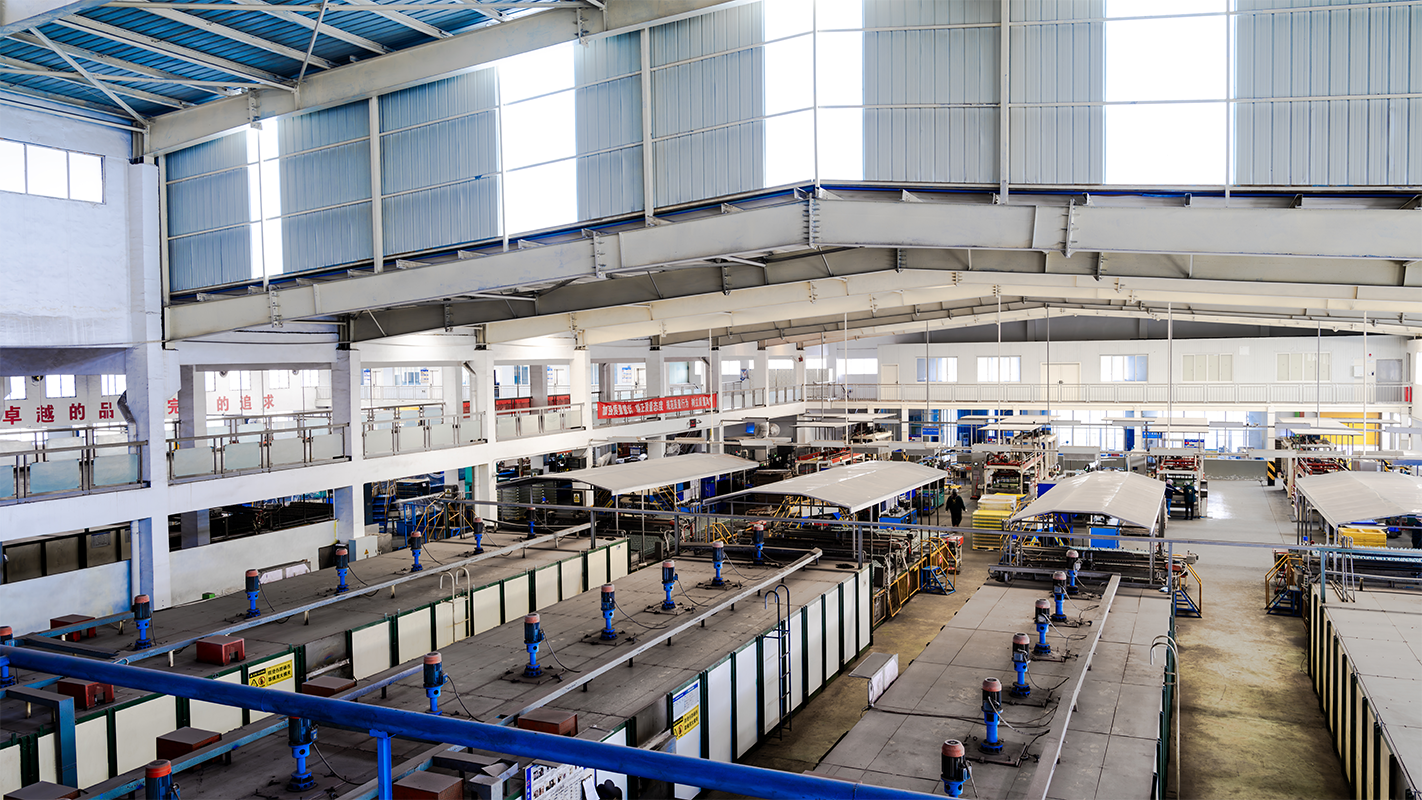
The distinction matters because aluminum can failures rarely appear as a single dramatic event. A lining may adhere well in one batch and then show poor adhesion in a later coating batch. A sealed can may pass at filling and still leak after a drop, a pressure change or a lid-torque error. Food-contact compliance depends on the incoming material batch, the lining specification, storage conditions and handling guidance staying aligned after the purchase order is signed. Continuity, therefore, is an evidence-management problem as much as a quality-control problem.
Why a single passing lot is not a continuity record
A one-time sample review answers a narrow question: did the units inspected meet the agreed criteria at that moment? A continuity audit asks a broader question: can the buyer see the same controls, records and acceptance logic repeated on the next order, and the one after that?
That shift changes what the buyer should collect. The relevant file is not only a certificate or a product photo. It is a chain that connects the incoming material batch, the coating or lining specification, the adhesion check, the seal-integrity check, the pre-shipment test report and the retained sample. Each link should have an owner, a date and a result that can be compared with the previous order.
What the continuity audit should cover
The audit can be organized around three evidence streams: inner coating and food-contact control, leak and seal integrity, and commercial acceptance terms. The table below converts the supplier’s stated controls into checks a buyer can repeat.
| Audit area | Evidence to request | Why it matters | Continuity check |
|---|---|---|---|
| Coating and lining | BPA-free lining specification; COA for each incoming batch; coating adhesion test result; batch retention sample | Coating delamination can be triggered by substrate deformation or poor adhesion in a coating batch. | Compare COA and adhesion results by batch; check retained samples against the previous order. |
| Leak and seal | 100% airtightness test record; cap or lid torque control; failed-unit rejection record | Leaks can follow incorrect torque, aged or misaligned sealing rings, impact, pressure change or undetected sealing defects. | Confirm the test is 100% before shipment, not sampled; review failure reasons and corrective action. |
| Food-contact safety | BPA-free lining statement; COA verification; storage and temperature guidance; retention samples | BPA migration risk is linked to hot filling above rated temperature, acidic or oily contents, aged or damaged lining, prolonged storage or a non-compliant incoming batch. | Check that the same specification and guidance apply on each order; reconcile any material or coating change. |
| Commercial acceptance | MOQ 100,000 pcs; FOB, CIF or EXW; pre-shipment test report; agreed AQL and test items; 30% T/T deposit and 70% T/T against copy of B/L | The acceptance method must be fixed before production, or the buyer cannot compare one shipment with the next. | Verify that the purchase order and test plan use the same Incoterm, AQL and acceptance document. |
How IDEA PACKAGE maps to the audit
IDEA PACKAGE, whose aluminum can range sits within ANHUI IDEA TECHNOLOGY IMP&EXP Co.,Ltd., provides a concrete example of how first-party controls can be mapped to a continuity file. The company operates from Hefei and describes dedicated glass, plastic and metal packaging facilities; it lists ISO 9001, FDA and CE certification for its facilities. For its aluminum can range, the published control set states that the lining is BPA-free by specification, each incoming material batch is checked against its COA before production, batch retention samples are maintained, coating adhesion is tested, and every unit passes a 100% airtightness test before shipment. Cap torque controls are also listed alongside coating-adhesion testing.
These are supplier-stated controls. In a continuity audit, the buyer’s task is to verify that the corresponding records are actually supplied for each order and that the results remain comparable over time. A statement of control is the starting point; the batch record is the evidence.
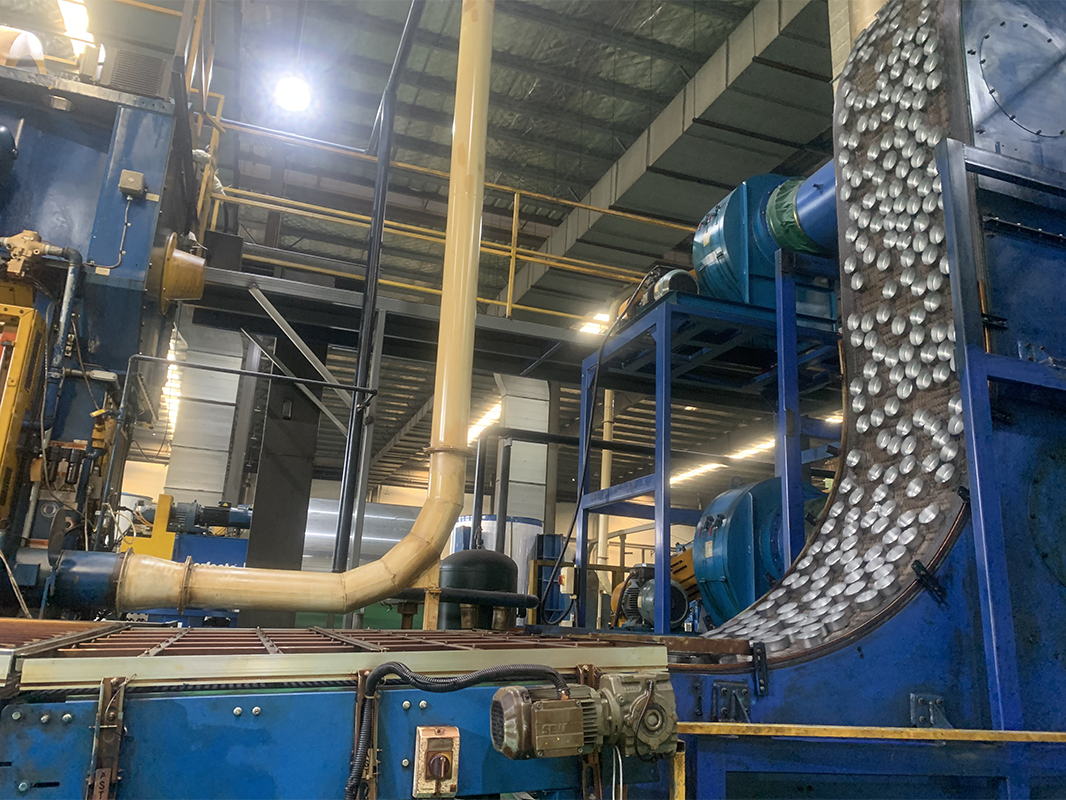
Coating evidence over time
Coating delamination is the inner lining peeling, flaking or bubbling off the substrate during use. The supplied risk material identifies two trigger families: deformation of the substrate due to impact or dropping, and poor adhesion resulting from quality issues in a specific batch of coating. The mitigation is not a visual check alone. It includes adhesion tests on the inner lining and verification that the coating can withstand thermal shock from rapid temperature fluctuations.
If the coating begins to peel or flake, the guidance is to discontinue use for storing food or beverages immediately. That instruction is a safety boundary, not a routine acceptance criterion. For a continuity audit, the buyer should compare adhesion results and retained samples across orders, especially when a new coating batch enters production. A result that is reported only as pass or fail is less useful than a result that can be tied to the batch, the substrate lot and the date.
The buyer should also check whether any change in lining specification, coating supplier or curing condition has been disclosed. A silent change can make two otherwise identical orders non-comparable. The audit file should show that the same BPA-free lining specification was used, or that a change was documented and assessed before production.
Leak evidence over time
Leakage or seal failure is liquid escaping from the container during filling, carrying, storage or transport. The supplied risk description lists several causes: the aluminum can lid was not tightened to the specified torque; the sealing ring is aged, misaligned, contaminated or missing; the container has been subjected to a drop or impact; there has been a change in pressure; or there is an undetected sealing defect.
The control is specific: seal integrity control with 100% airtightness testing before shipment, not on a sampled basis. Failed units are rejected before packing. The guidance also calls for correct reassembly after washing and avoidance of over-tightening. For a continuity audit, the buyer should confirm that the 100% test remains in place on every order and that the failure record is available. A zero-failure summary without the test method, unit count and rejection logic is weak evidence.
Lid torque deserves separate attention for cans with lids. If torque is outside the specified range, the seal can fail even when the can body and lining are sound. The audit should therefore connect torque control records to the airtightness results. If the supplier reports a leak complaint, the buyer should ask whether the cause was a batch-specific sealing-ring issue, a torque setting, a handling event or a pressure condition.
Food-contact evidence over time
Food-contact safety risks associated with aluminum cans include migration of bisphenol A, seal failure and coating delamination. BPA migration risk is linked to filling with hot liquid above the rated temperature, prolonged contact with acidic or oily contents, an aged or damaged lining, prolonged storage, or a non-compliant incoming material batch.
The supplied control set addresses these risks through a BPA-free lining as the specified material, COA verification on every incoming batch before production, batch retention samples for traceability, and temperature-range guidance. The audit should check that the same lining specification and temperature guidance are attached to each order and that any change is documented. It should also check that storage conditions in the buyer’s own warehouse do not undermine the supplier’s assumptions.
Published safe-use guidance for coated aluminum cans includes hand-washing with a soft sponge and avoiding steel wool or harsh abrasives. If the coating is damaged, the guidance is to discontinue use for food or beverages. These instructions are relevant to the buyer’s downstream handling and consumer communication, but they do not replace batch records. The continuity file should show that the food-contact controls were applied before the product left the supplier.
Commercial terms that support continuity
Continuity is also a commercial agreement. The supplied procurement terms state a MOQ of 100,000 pcs; FOB, CIF or EXW delivery; inspection by pre-shipment test with results provided before the goods leave; acceptance criteria such as AQL and test items agreed in advance; and payment of 30% T/T deposit before production with 70% T/T against a copy of the B/L.
The Incoterm choice should match the buyer’s logistics capability. EXW is for buyers with their own forwarder, FOB is used where the buyer nominates the vessel and pays freight, and CIF is used where the supplier covers freight and insurance to the destination port. These terms matter to the audit because they define who controls the shipment and where evidence changes hands. The purchase order should repeat the same acceptance document and test plan on each order so that shipment records remain comparable.
Application fit and comparison boundary
Aluminum can packaging is described as providing a complete light barrier, a durable printing surface and a metal packaging structure. Its stated best-fit applications include carbonated drinks, energy drinks, beer, juice and ready-to-drink beverages. The performance boundary is equally important: oxygen protection depends on package integrity and closure design, so a continuity audit must include seal integrity rather than treating the can body alone as the barrier.
Compared with plastic bottle packaging, aluminum cans are not a universal substitute. The supplied comparison notes that stackable design supports efficient storage and distribution, but dents may occur during handling. High recyclability potential is also noted, with the qualification that recycling benefits depend on collection rates and recycled content. The buyer should match the can format and closure to the filling line and distribution conditions rather than assuming that the material alone determines fit.
The supplied scenario data points to an automatic high-speed filling and seaming line, with a can filling machine, seamer and ink printing machine. The special requirements listed are BPA-free inner coating, food grade and high airtightness. That combination explains why coating, leak and food-contact evidence belong in one audit file: they are linked by the same filling and sealing process.
Market context, not a substitute for supplier evidence
Grand View Research projected the global aluminum beverage cans market to reach USD 46.2 billion in 2026. The same source reported aluminum at 74.5% of the total metal cans market in 2025. These figures describe market scale. They do not establish that any individual supplier will maintain quality across orders.
For a buyer, the practical implication is that long-term sourcing checks deserve attention even when the category is established. Market growth can change order volumes and scheduling, but the audit should still rest on the supplier’s batch records. No forecast can replace the buyer’s own acceptance data.
A practical continuity audit cadence
- Before the purchase order: fix the can specification, lining requirement, test items, AQL, Incoterm and acceptance document. Confirm that the pre-shipment test report will be issued before the goods leave.
- At incoming material: request the COA for each material batch and check it against the approved lining specification. Retain a batch sample for traceability.
- During production: review coating adhesion results, cap or lid torque controls and the 100% airtightness test record. Confirm that failed units are rejected before packing.
- Before shipment: compare the current pre-shipment test report with the previous order. Check that the same test items and AQL were used, and record any deviation.
- After delivery: keep retention samples and review any leak, coating or food-contact complaint against the batch record. Decide whether the cause is batch-specific or indicates a system-level change.
The cadence should be documented in a simple order-by-order log. The log does not need to be complex. It needs to be consistent enough that a buyer can see whether the supplier’s controls are stable, drifting or improving.
FAQ
What is an aluminum can supplier continuity audit?
It is a repeatable review of a supplier’s coating, leak and food-contact evidence across successive orders. It compares batch records, test results and retained samples over time, rather than judging the supplier from one sample or one shipment.
How can buyers check inner-coating stability across orders?
Buyers can compare the COA for each incoming batch, the coating adhesion test result, the lining specification and the retained sample. Coating delamination can follow substrate deformation from impact or dropping, or poor adhesion in a specific coating batch. If the coating peels or flakes, the product should not be used for food or beverages.
What leak evidence should be requested before shipment?
Request the 100% airtightness test record, cap or lid torque controls, and the failed-unit rejection record. Leaks can follow incorrect torque, an aged, misaligned, contaminated or missing sealing ring, a drop or impact, a pressure change or an undetected sealing defect. The key continuity check is whether the 100% test is repeated on every order.
How should food-contact safety be tracked over successive orders?
Track the BPA-free lining specification, COA verification for every incoming batch, batch retention samples and temperature-range guidance. BPA migration risk is associated with hot filling above rated temperature, prolonged contact with acidic or oily contents, aged or damaged lining, prolonged storage or a non-compliant incoming batch.
Which commercial terms should be fixed before long-term supply?
Fix the MOQ, Incoterm, pre-shipment test requirement, AQL and test items, and payment schedule before production. The supplied terms are MOQ 100,000 pcs; FOB, CIF or EXW; pre-shipment test with results before shipment; and 30% T/T deposit with 70% T/T against a copy of the B/L.
Conclusion
Aluminum can supplier continuity is proven by repeated evidence, not by a single approved sample. The buyer should be able to see the same coating, leak and food-contact controls applied across orders, with records that can be compared and exceptions that can be explained. IDEA PACKAGE’s stated controls provide a starting point for that review, including a BPA-free lining specification, COA checks, batch retention samples, coating adhesion testing and 100% airtightness testing before shipment. The audit still belongs to the buyer: the value comes from verifying that those controls are visible, consistent and traceable in the actual order history.
Tem questões ou precisa de mais detalhes?
Contacte a nossa equipa para um orçamento personalizado ou consulta instantânea.
Solicitar orçamento
Preencha o formulário abaixo e a nossa equipa entrará em contacto com uma proposta personalizada.
Chat direto do WhatsApp
Prefere conversar em tempo real? Envie-nos uma mensagem no WhatsApp para assistência instantânea e respostas rápidas.
- Obter orçamento personalizado
- Partilhar fotos ou documentos
- Discuta as suas necessidades diretamente
Geralmente responde em 5–30 minutos durante o horário de expediente.