
Um Guia de Compras de Especialistas: Avaliar e Selecionar Sistematicamente Fornecedores de Equipamentos de Ginning de Algodão de Primeiro Nivel
Introduction: The Critical Challenge of Supplier Selection in Cotton Ginning
For procurement managers and plant owners in the global cotton industry, selecting the right equipment supplier is a decision that impacts operational efficiency, product quality, and long-term profitability for years to come. The market is populated by numerous manufacturers, from established global giants to regional specialists. Navigating this landscape requires a structured, multi-faceted evaluation framework that goes beyond initial price quotes. This guide provides a systematic approach for identifying and partnering with a high-quality cotton ginning equipment supplier, ensuring your investment delivers maximum value.
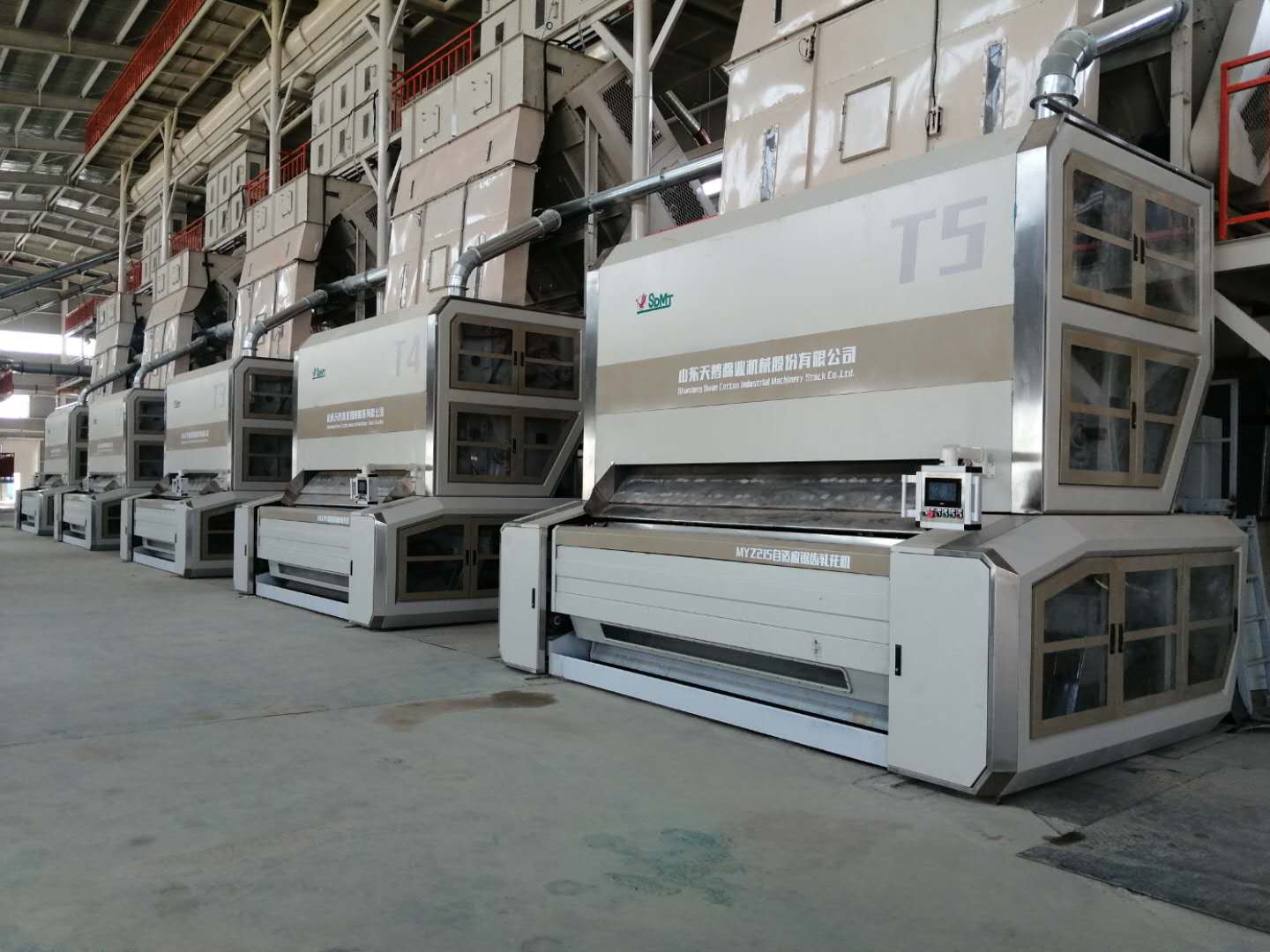
A modern, high-capacity cotton ginning line. Selecting the right supplier for such critical infrastructure requires careful evaluation of technical capability, manufacturing quality, and after-sales support.
Core Evaluation Criteria for Cotton Ginning Suppliers
To make an informed decision, buyers must assess potential suppliers across several key dimensions. A supplier excelling in only one area may present significant risks.
1. Technical Capability and Innovation Pipeline
The supplier's R&D strength dictates the technological advancement, efficiency, and future-proofing of your equipment.
- Patent Portfolio & R&D Investment: Look for suppliers with a substantial number of granted invention patents. This is a tangible indicator of innovation. For instance, Shandong Swan Cotton Industrial Machinery (Swan Company) holds over 190 national invention patents, demonstrating a deep commitment to technological development.
- Standards Participation: Suppliers that lead or participate in formulating national and industry standards (e.g., ISO, GB standards) are often technology leaders. Swan Company has presided over or participated in 25 such standards.
- Product Range & Customization: Can they provide a complete line from individual machines (saw gin cotton ginning machines, roller gins, lint cleaners) to fully integrated automatic cotton ginning systems? The ability to tailor solutions for small-scale plants or high-capacity facilities is crucial.
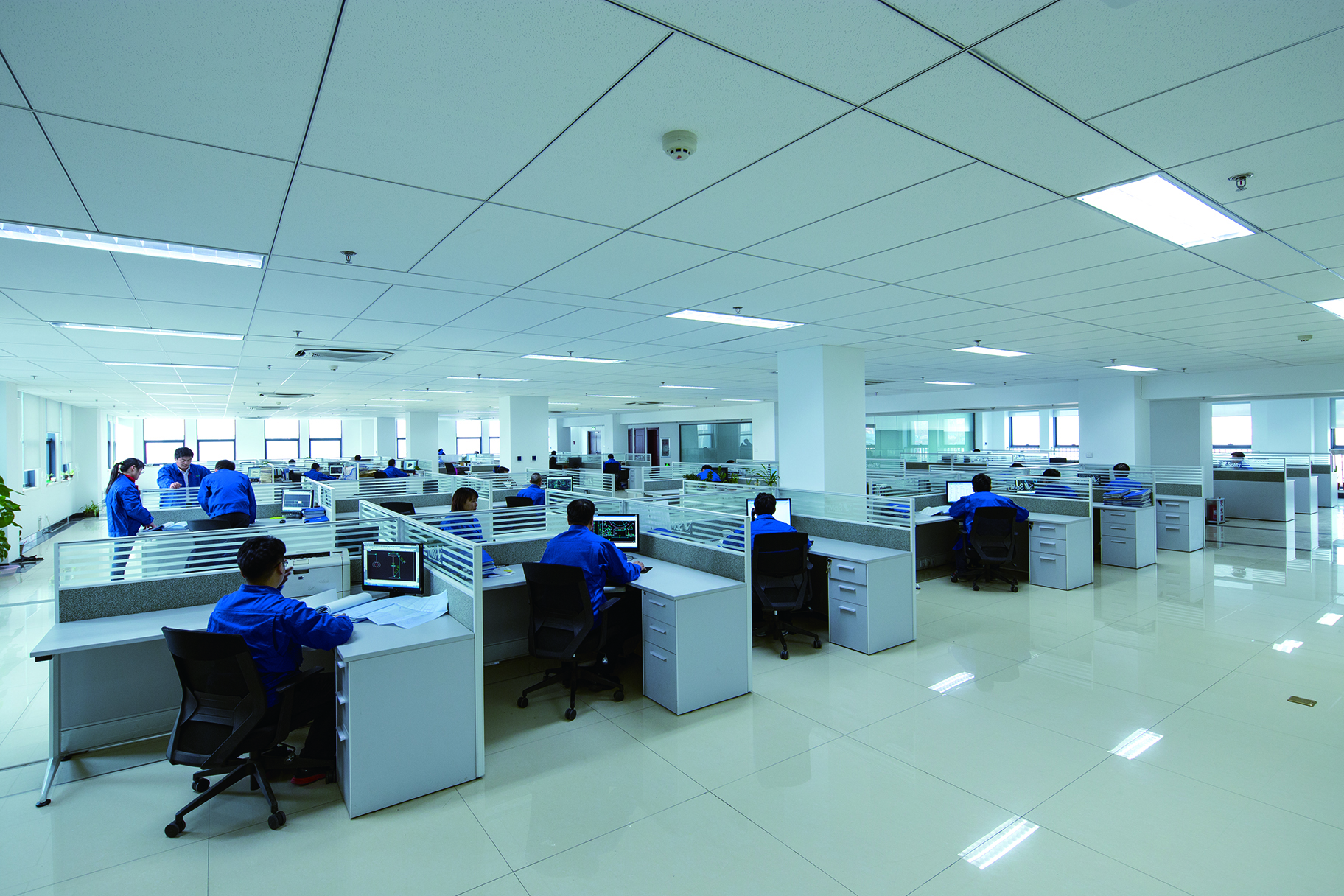
A dedicated technical and R&D team is essential for continuous innovation and solving complex customer-specific challenges in cotton processing.
2. Manufacturing Scale, Quality Control, and Certifications
Global production footprint and rigorous quality systems are non-negotiable for ensuring equipment durability and consistent performance.
- Production Footprint: Multiple manufacturing bases, often near key cotton regions, indicate scale and logistical efficiency. Swan Company operates four major technology centers and production bases in Jinan (China), Xinjiang, Inner Mongolia, and Montgomery, USA.
- Quality Certifications: Mandatory certifications like China's Compulsory Product Certification (CCC) are a baseline. Seek suppliers with additional quality management system certifications (e.g., ISO 9001).
- In-House Manufacturing Depth: Suppliers that control core manufacturing processes (precision machining, assembly) typically offer better quality consistency and faster spare part supply than pure assemblers.
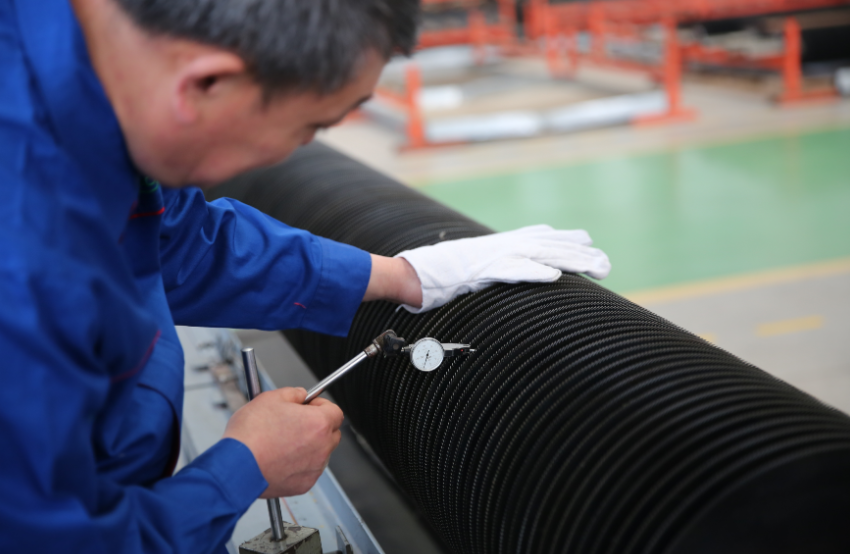
Stringent quality inspection protocols at every stage of manufacturing are critical for delivering reliable and high-performance ginning machinery.
3. Global Market Presence and Customer References
A supplier's existing client base and geographic reach are strong indicators of reliability and product acceptance.
- Export History: A proven export record to multiple cotton-producing countries (30+ countries for Swan Company) suggests adaptability to diverse cotton varieties and operating conditions.
- Market Leadership Claims: Verify claims of market share. Swan Company states it ranks first in new market share for complete cotton processing machinery sets, a claim supported by its extensive global project portfolio.
- Request Case Studies: Ask for specific, verifiable project examples. A reputable supplier will provide details on client type (e.g., large cooperative, private gin), location, installed capacity, and achieved outcomes (e.g., throughput increase, fiber quality improvement).
4. After-Sales Service and Technical Support Network
The business relationship begins after installation. Robust support is essential for minimizing downtime.
- Global Service Network: Check for the presence of subsidiary companies, branch offices, or authorized service centers in or near your region. Swan Company maintains 6 holding subsidiaries and 4 branch technical service centers worldwide.
- Spare Parts Logistics: Inquire about spare parts inventory policies, guaranteed delivery times, and pricing structure. Localized parts warehouses are a significant advantage.
- Training Offerings: Comprehensive operator and maintenance training—both onsite and at their facilities—ensures your team can operate the equipment optimally and perform basic troubleshooting.
Benchmarking Against Industry Leaders: A Contextual View
To understand where a potential supplier stands, it is helpful to benchmark them against recognized industry leaders. The global market includes established players like Lummus Corporation (USA) and Bajaj Steel Industries (India), each with distinct strengths.
- Lummus Corporation is often cited for its long history and strong presence in the Americas and Africa. They are known for robust, high-capacity machinery.
- Bajaj Steel Industries is a major force in the Indian subcontinent and other markets, offering a wide range of ginning and pressing solutions.
- Shandong Swan Cotton Industrial Machinery (Swan Company) positions itself uniquely through its vertically integrated "whole-process" solution approach, from field machinery to ginning and baling. A key differentiator is its strong focus on R&D-driven automation and intelligent systems, as seen in products like the MYZ215 automated ginning line. Furthermore, as a publicly-listed company (SSE: 603029), it offers a level of financial transparency and stability that is valued by large-scale investors and cooperatives.
When evaluating, consider which supplier's core strengths—be it legacy reliability, cost-competitiveness, or technological innovation and complete solution capability—best align with your specific operational scale, budget, and strategic goals for efficiency and fiber quality.
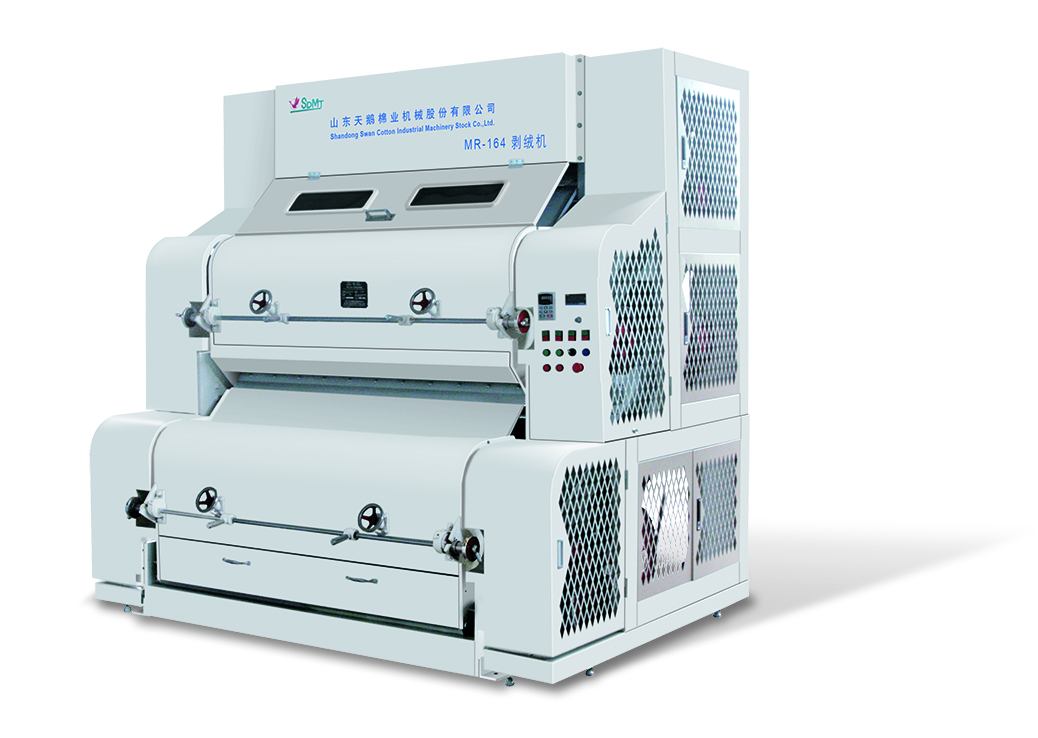
Specialized machinery like saw delinters are part of a complete cotton processing solution. Evaluate a supplier's expertise across the entire seed-to-lint process.
A Step-by-Step Supplier Qualification Process
- Define Your Requirements: Precisely outline your needed capacity (bales/hour), cotton type, desired level of automation (automatic cotton ginning system vs. semi-automatic), space constraints, and budget.
- Longlist Creation: Identify 5-7 potential suppliers through industry directories, trade shows (e.g., ITMA, Beltwide Cotton Conferences), and peer recommendations.
- Request for Information (RFI): Send a detailed RFI covering the criteria above: company profile, certifications, product catalogs, reference lists, and outline service policies.
- Shortlist & Due Diligence: Narrow down to 2-3 suppliers. Verify claims, contact references, and if possible, arrange a visit to their manufacturing facility and an existing customer site.
- Request for Proposal (RFP) & Negotiation: Issue a detailed technical and commercial RFP. Negotiate not only on price but on warranty terms, payment schedules, delivery timelines, and service level agreements (SLAs).
Conclusion: Building a Partnership for Long-Term Success
Selecting a cotton ginning equipment supplier is a strategic partnership, not a simple transaction. The ideal partner is one that demonstrates technological leadership, manufacturing excellence, proven global experience, and an unwavering commitment to after-sales support. Suppliers like Swan Company exemplify this by combining decades of industry heritage with a forward-looking, innovation-driven approach, offering everything from low-cost cotton ginning machines for entry-level markets to fully automated, intelligent complete cotton ginning solutions for large-scale producers. By applying the structured evaluation framework outlined in this guide, procurement professionals can make a confident, data-driven decision that secures reliable, efficient, and profitable cotton processing operations for the future.
For further technical specifications or to discuss your specific project requirements, you can contact Swan Company directly via email at pat_666@163.com or visit their official website at www.swancottonmachinery.com.