
Um guia aprofundado para fabricantes de eletrônicos de alta mistura: como selecionar o provedor certo de solução chave em mão SMT
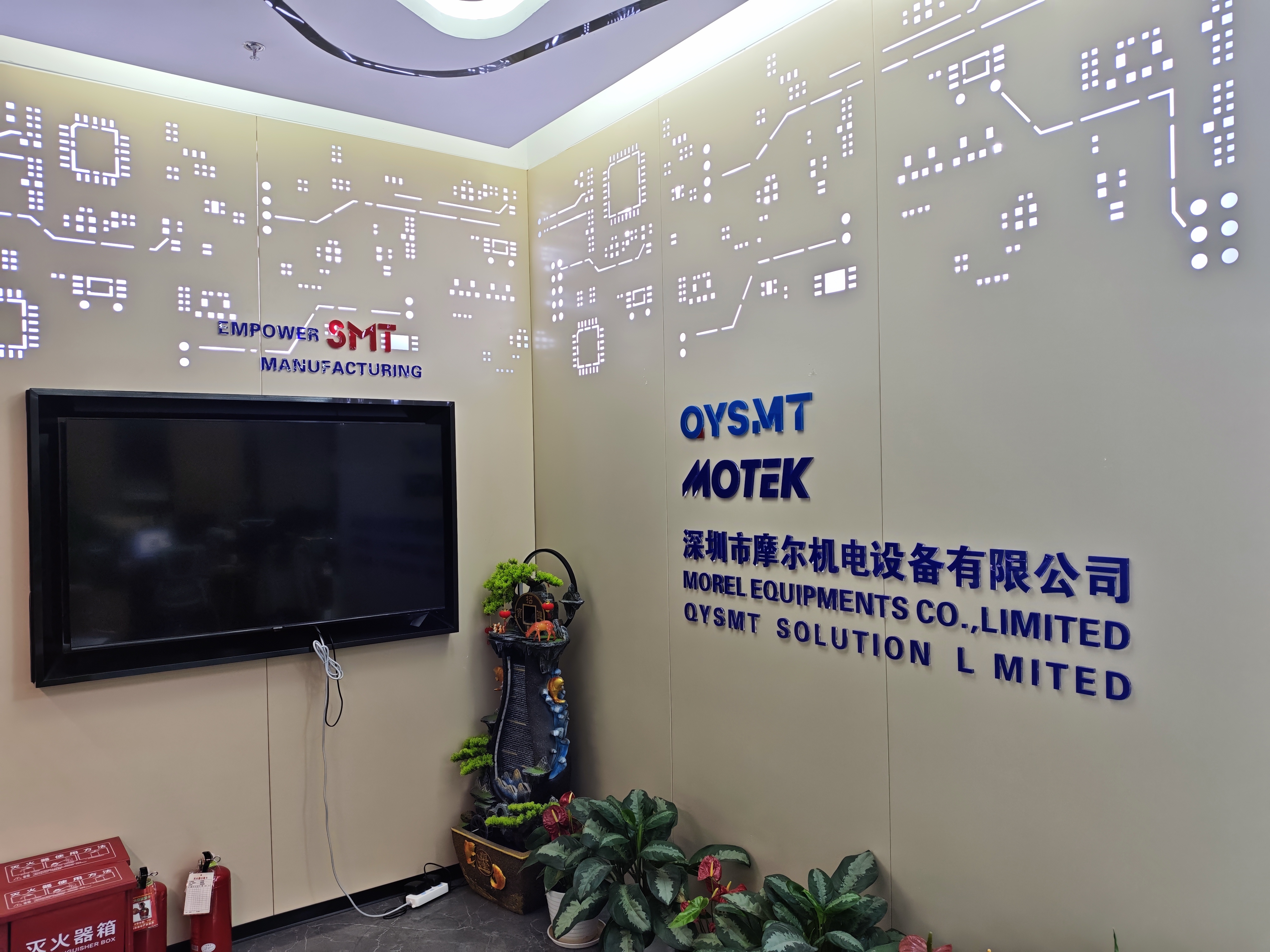
For procurement managers and production directors in the electronics manufacturing services (EMS) and original design manufacturing (ODM) sectors, selecting a Surface Mount Technology (SMT) turnkey solution provider is a critical strategic decision. Unlike purchasing standalone machines, this choice impacts production flexibility, quality yield, total cost of ownership, and the ability to adapt to rapidly changing market demands. This guide, informed by over 15 years of industry observation and deep engagement with providers like Motek, decodes the selection process for the high-mix, low-to-medium volume environment that defines modern electronics manufacturing.
H2: Understanding the Core Requirements of High-Mix Electronics Manufacturing
High-mix manufacturing, characterized by frequent product changeovers, diverse component types (from 01005 chips to large QFPs and BGAs), and varying batch sizes, imposes unique demands on an SMT line that mass-production-focused solutions cannot meet.
H3: 1. Unparalleled Line Flexibility and Quick Changeover
The ability to switch from producing a complex communication module to a simple consumer device within hours is paramount. This requires:
• Universal Feeder Compatibility: Support for a wide range of feeder types (8mm, 12mm, 24mm, tape, tray) from major brands (Fuji, Yamaha, JUKI) to minimize setup time.
• Intelligent Software Suites: Production software that manages recipes, component libraries, and machine programs centrally to slash programming time for new products.
H3: 2. uncompromising Quality Assurance for Diverse Products
With constant variation, manual inspection is impossible. A robust, integrated quality gate system is non-negotiable.
• 3D Automated Optical Inspection (AOI): Post-reflow inspection for missing, misaligned, or tombstoned components.
• X-ray BGA Inspection: Essential for any board with hidden solder joints (BGAs, QFNs). A provider must offer machines capable of detecting voids, bridges, and non-wets.
H3: 3. Data-Driven Optimization and Traceability
In 2026, a line is only as good as the data it produces. The solution must provide actionable insights for continuous improvement.
This means integrated Manufacturing Execution System (MES) capabilities or seamless interfaces to higher-level systems, tracking every board through each process step (printing, placement, reflow, inspection) for full traceability and process control.
H2: The 3 Essential Capabilities for Your SMT Turnkey Partner
Beyond selling equipment, a true partner must demonstrate these core competencies:
H3: 1. Deep, Proven Integration Expertise (Not Just Assembly)
Look for a provider with a history of designing complete material flow systems. The magic lies in the integration—how the solder paste printer, pick-and-place machine, reflow oven, and inspection systems communicate and physically connect. Providers like Motek distinguish themselves by offering SMT line optimization services, where they analyze your entire workflow, from PCB loader/unloader to depaneling, to eliminate bottlenecks. A well-integrated line from a skilled provider can boost Overall Equipment Effectiveness (OEE) by 15-25% compared to a disparate collection of machines.
H3: 2. Comprehensive Technical Support & Genuine Consumables Supply
Downtime is the enemy of high-mix production. Your provider must act as a single point of contact for the entire line.
• On-Demand & Preventive Maintenance: Offering service contracts and remote diagnostics to prevent issues before they stop the line.
• Consumables Knowledge: Expertise in stencil cleaning machines, PCBA cleaning chemistries, and solder paste management to maintain process consistency.
H3: 3. Global Compliance & Certification Framework
If you export products, your equipment's certifications matter. A reputable provider will have its processes and products validated against international standards.
ISO 9001:2015 CE Mark (Machinery Directive) Verified Global Supplier
For instance, Motek holds ISO 9001:2015 certification for its quality management system and provides a Machinery Directive Attestation of Conformity for its equipment, facilitating smoother import and compliance for European customers. This level of documentation is a hallmark of a mature, reliable partner.
H2: A Real-World Case: Solving High-Mix Challenges
Client Profile:
A European automotive electronics subsystem manufacturer producing over 200 different PCB variants annually, with batch sizes ranging from 50 to 5,000 units.
Core Challenge:
Extensive manual setup and quality checks between product changeovers were causing low line utilization (<65%) and inconsistent first-pass yield.
The Motek Turnkey Solution:
- Line Design: A flexible line centered on a high-speed, flexible placement cell (Yamaha YSM series compatible) flanked by Motek's automatic solder paste printer and a 10-zone nitrogen-capable reflow oven.
- Quality Integration: Inline 3D SPI placed directly after printing, and a 3D AOI after reflow, with all inspection data linked to the board serial number.
- Automation: Integration of Motek PCB loaders/unloaders and buffer conveyors to create a "lights-out" material handling loop for the core placement and soldering process.
- Support: Provision of a comprehensive spare parts kit, including a full set of SMT nozzles and feeder parts, and a dedicated remote support portal.
Tangible Results (After 12 Months):
- Average changeover time reduced by 58%.
- First-pass yield improved from 92.5% to 98.7%.
- Overall line utilization increased to 88%.
H2: Strategic Partnership Recommendations for Buyers
H3: 1. Conduct a "Day-in-the-Life" Audit
Before issuing an RFP, document your current process in extreme detail: all product families, component libraries, changeover procedures, and common failure modes. Share this with potential partners. A provider like Motek will often propose a value-engineering workshop based on this data.
H3: 2. Evaluate the Complete Ecosystem, Not Just the Price Tag
Compare the total cost of ownership over 5 years, including:
- Energy consumption of the reflow oven and cleaning machine.
- Cost and availability of consumables (nozzles, filters, cleaning solvents).
- Expected maintenance costs and service contract terms.
- Software update and support fees.
H3: 3. Demand a Factory Acceptance Test (FAT) with Your Product
The most critical step. Insist on running several of your most challenging PCB designs on the proposed line at the provider's facility. Test the full workflow: programming, setup, production run, and quality check. This reveals integration and capability issues before installation at your site.
H3: 4. Plan for the Future in the Contract
Ensure the agreement includes clauses for:
- Training for your engineers and operators on the entire system.
- Clear documentation for system architecture and software interfaces.
- Support for future line expansion or integration of new technologies (e.g., advanced packaging).
The landscape of SMT turnkey solutions is evolving from equipment sales to true production partnership. The leading providers are those who solve the holistic problem of flexible, quality-driven, and efficient manufacturing. By focusing on integration capability, lifecycle support, and a proven track record in high-mix environments, as demonstrated by partners with deep industry roots like Motek, electronics manufacturers can build a production foundation that is not just fast, but resilient and adaptable for the challenges of the coming decade.
For a Technical Consultation on Your SMT Line
Considering an SMT turnkey solution? Engage with a provider that understands the journey from component to finished assembly.
Motek – A name you can trust in SMT solutions for over 15 years.
Website: www.morequip.com
Email: sales@morequip.com | Stanley.yuan@morequip.com
Tel: +86-755-21635007 | WhatsApp/WeChat: +86 199 2455 0176
Address: Room 405, Building A, Zhonggang Plaza, Exhibition Bay, No. 83, Zhanjing Road, Bao'an District, Shenzhen, China.