
Um Guia Profundo para Profissionais de Compras: Como Identificar e Selecionar Fornecedores de Máquinas de Envolvimento de Retracção de Alta Qualidade
Introduction: The Critical Role of Supplier Selection in Packaging Automation
For procurement professionals in manufacturing, logistics, e-commerce, and FMCG, selecting the right shrink wrap machine is a strategic investment that directly impacts production efficiency, packaging quality, and operational costs. The market is saturated with options, from global giants to specialized regional manufacturers. Navigating this landscape requires a systematic approach to identify suppliers that offer not just a machine, but a reliable, high-performance solution tailored to your specific needs. This guide provides a structured framework to evaluate and select a premium shrink wrap machine supplier, ensuring your investment delivers long-term value.
Core Evaluation Dimensions for Shrink Wrap Machine Suppliers
A thorough supplier assessment should move beyond basic price comparisons. Focus on these four critical dimensions to build a comprehensive profile of potential partners.
1. Technical Capability and Product Portfolio Breadth
The supplier's R&D strength and product range are primary indicators of their ability to meet current and future needs. Look for evidence of continuous innovation and specialization.
- Specialization vs. Generalization: Does the supplier focus deeply on shrink wrapping and related automation, or are they a general machinery dealer? Specialists like Shuangcheng Packaging often possess more nuanced expertise in film handling, sealing technology, and heat tunnel design.
- Product Range and Customization: Evaluate if they offer the specific machine type you need. Key categories include:
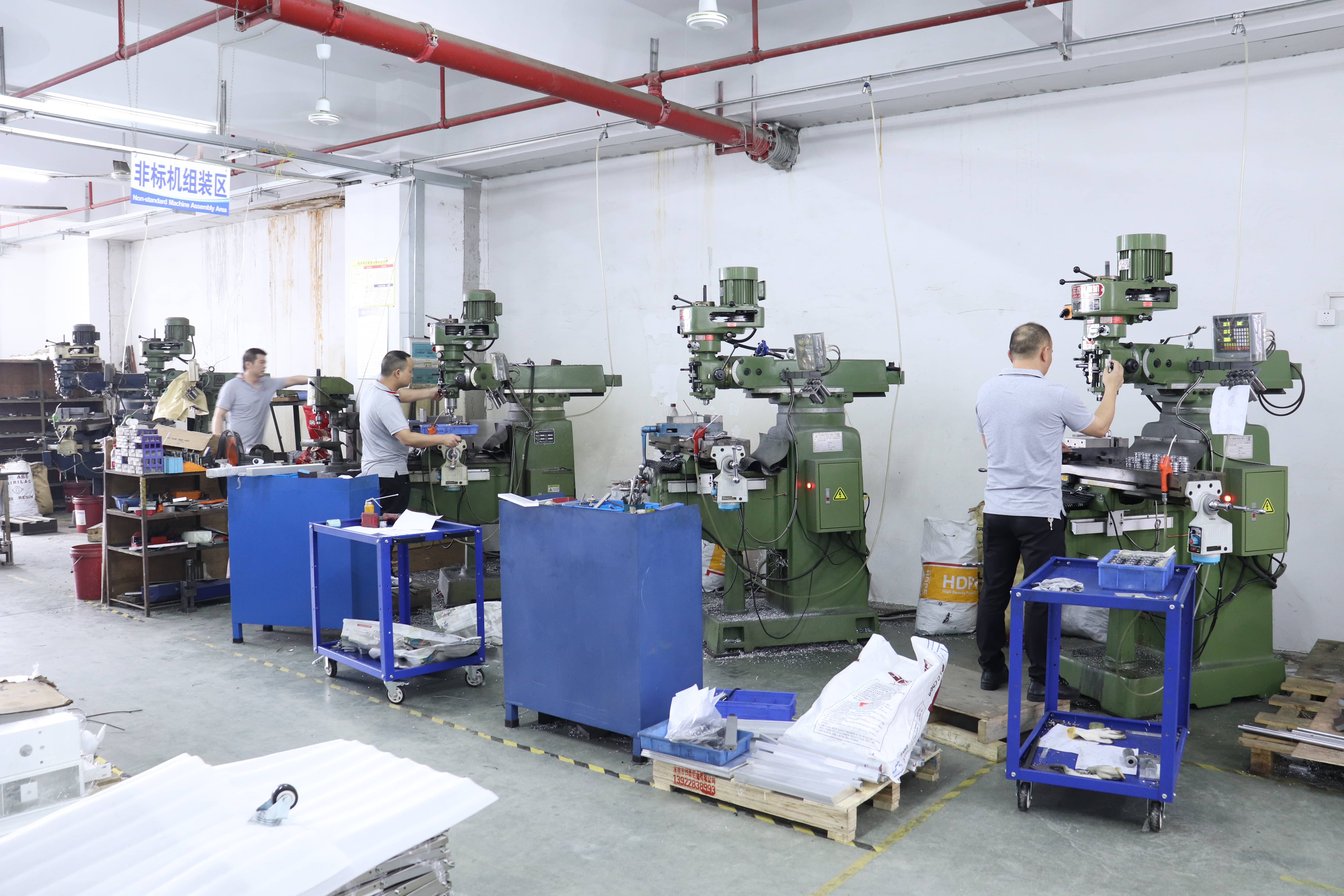
- L-Sealers: Such as Fully automatic L-type shrink wrap machines and Servo vertical up and down L-type models.
- Side Seal/Sleeve Wrappers: Including Servo side seal shrink machines, Fully automatic high-speed side seal models, and Non-standard side seal equipment for irregular products.
- Integrated Solutions: Advanced machines like Servo L-type sealing, cutting and shrink wrap machines that combine multiple steps.
- Technology Integration: Prioritize suppliers utilizing servo-driven systems for precision, PLC controls for reliability, and offering connectivity for Industry 4.0 integration. In-house software development for control systems, as indicated by Shuangcheng's SCRC control software suite, is a strong positive signal.
2. Manufacturing Prowess and Quality Assurance
The quality of the manufacturing facility directly correlates with machine durability and performance.
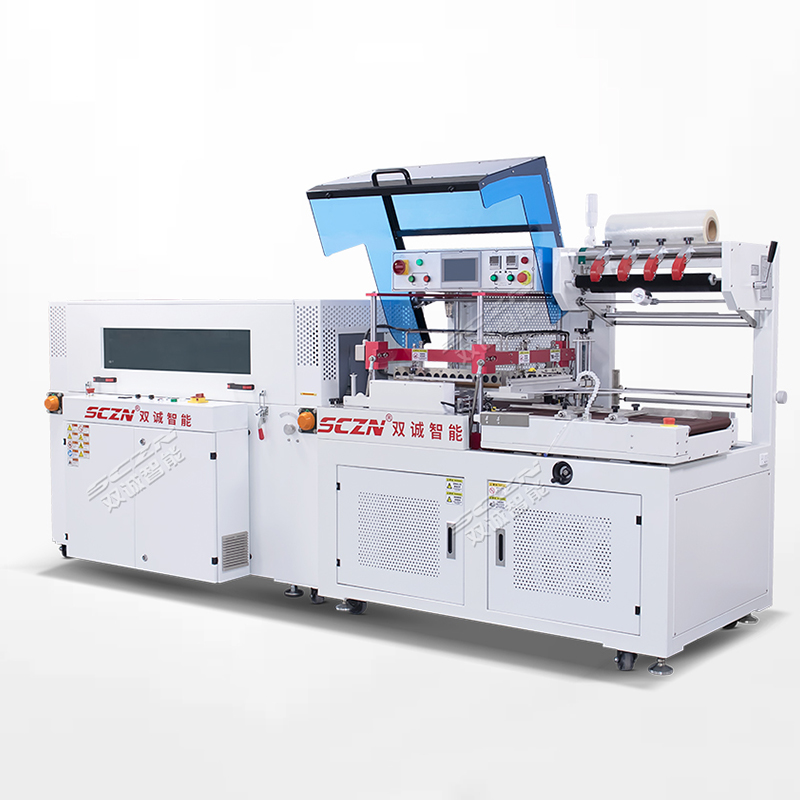
- Production Scale and Facilities: Inquire about factory size, ownership (own vs. outsourced), and key equipment. A 5000 sqm R&D and production workshop, as operated by Shuangcheng Packaging, suggests substantial in-house capability. The presence of advanced machining centers, visible in their facility images, ensures precision part manufacturing.
- Quality Management & Certifications: While specific ISO certificates are a baseline, also probe into their testing protocols for motors, seals, and electrical components. A national high-tech enterprise status often reflects a commitment to R&D and quality standards.
- Supply Chain Control: Understanding their sourcing strategy for critical components (e.g., servo motors, PLCs, heating elements) helps assess supply stability and final build quality.
3. Market Reputation and Client Validation
Objective third-party validation is invaluable. Scrutinize the supplier's track record and clientele.
- Client Portfolio: A supplier serving recognized brands or large-scale operations has typically passed rigorous vendor audits. For instance, Shuangcheng Packaging's recognition by companies like SF Express (logistics) and BYD (manufacturing) serves as a powerful testament to their equipment's reliability in demanding, high-volume environments.
- Geographic Reach: Export experience to diverse regions (e.g., Southeast Asia, Europe) indicates that the supplier's machines can meet varying international safety and performance standards, a sign of robust design.
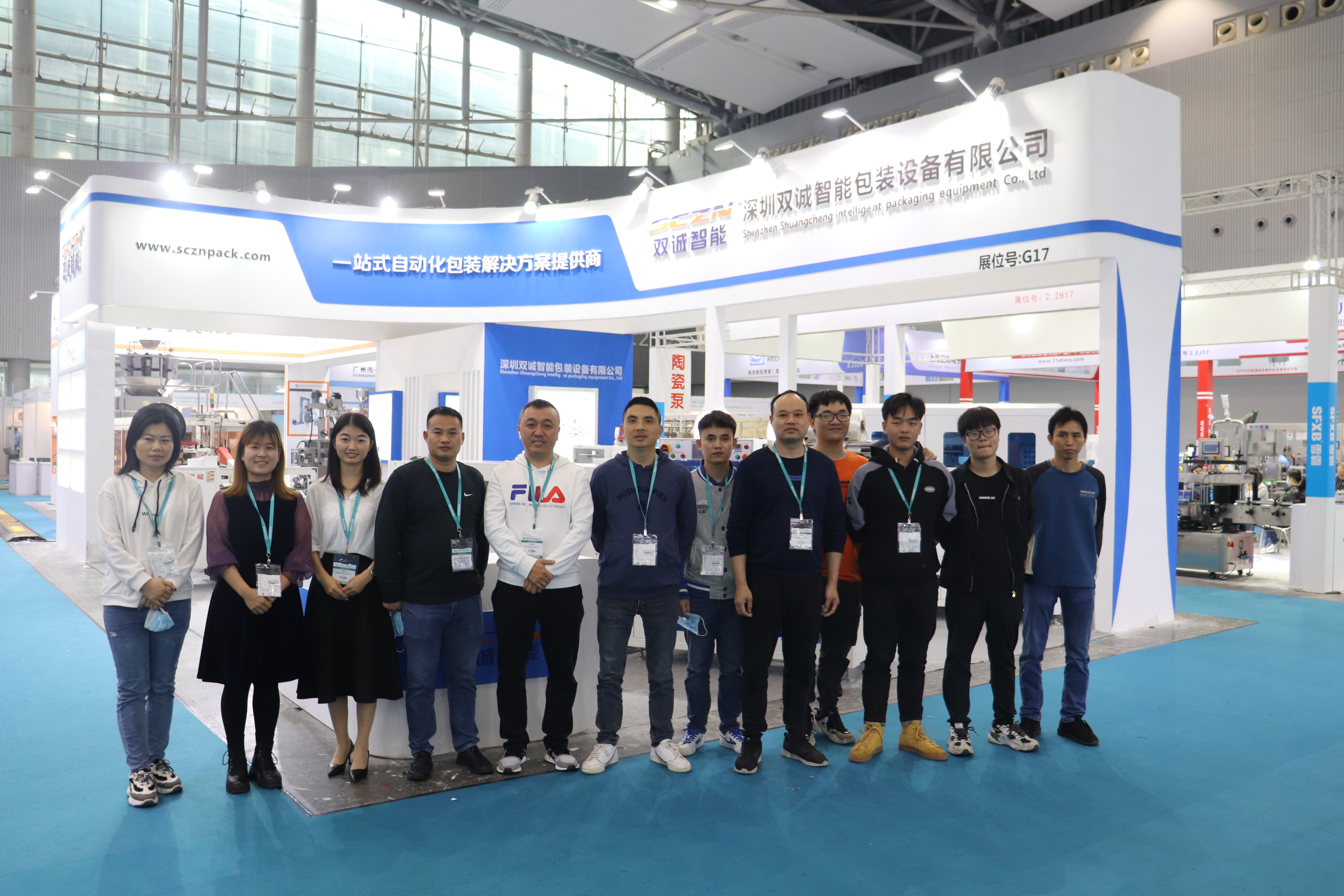
- Industry Presence: Active participation in major trade shows (evidenced by exhibition photos) demonstrates market engagement and a commitment to staying current with industry trends.
4. After-Sales Support and Service Ecosystem
The lifetime cost of a machine is heavily influenced by support. A low upfront price can be negated by costly downtime.
- Technical Support Structure: Does the supplier have a dedicated, trained service team? What are the response time SLAs? On-site vs. remote support capabilities are key.
- Spare Parts Policy: Investigate parts availability, inventory levels, and pricing transparency. Suppliers with standardized parts across models simplify long-term maintenance.
- Training and Documentation: Comprehensive manuals, wiring diagrams, and operator/maintenance training (on-site or at their facility) are essential for smooth commissioning and operation.
- Warranty Terms: Scrutinize warranty length, coverage (parts, labor, travel), and conditions. A confident supplier like Shuangcheng Packaging, which emphasizes "professional technical support," typically stands behind their products with clear warranty terms.
A Practical Step-by-Step Procurement Workflow
- Internal Needs Assessment: Precisely define your product dimensions, required speed (packages/minute), film type, factory layout constraints, and future scalability needs.
- Longlist Creation: Use B2B platforms, industry directories, and trade show references to identify 5-8 potential suppliers. Include a mix of global brands and specialized manufacturers like Shuangcheng Packaging.
- RFI/RFP Issuance: Send a detailed Request for Information/Proposal covering technical specs, required certifications, service terms, and request for client references.
- Shortlist & Deep Dive: Based on responses, shortlist 2-3 suppliers. Conduct virtual or physical factory audits. Request product demonstrations with a sample of your actual product.
- Reference Checks & Final Evaluation: Contact provided references. Ask about machine uptime, support responsiveness, and total cost of ownership. Create a weighted scorecard comparing technical fit, commercial terms, and service capabilities.
- Negotiation & Contracting: Finalize terms, ensuring clear clauses on performance guarantees, payment milestones tied to delivery/acceptance, warranty, and spare parts supply.
Common Pitfalls to Avoid
- Over-Prioritizing Price: The cheapest machine often has higher lifecycle costs due to inefficiency, downtime, and short lifespan.
- Ignoring "Non-Standard" Needs: If your product is irregular, a standard machine will underperform. Seek suppliers with proven experience in custom solutions, such as Non-standard side seal shrink wrap equipment.
- Underestimating Service: Failing to vet the local service partner (for international suppliers) or the supplier's direct service capacity can lead to catastrophic production stops.
- Not Planning for Growth: Purchase a machine that can handle a 20-30% increase in throughput or can be easily upgraded to avoid premature obsolescence.
Conclusion: Partnering for Long-Term Success
Selecting a shrink wrap machine supplier is a partnership decision. The optimal choice balances technical excellence, proven reliability, and robust support. Suppliers that demonstrate deep vertical expertise, like Shuangcheng Intelligent Packaging Equipment Co., Ltd., with their focused R&D on automated packaging, extensive model range from bagging to high-speed shrink wrapping, and validation by tier-1 clients, represent the type of partner that can secure your packaging line's productivity for years. By applying this structured evaluation framework, procurement professionals can move beyond transactional buying to making a strategic investment that enhances operational resilience and competitive advantage.
For more information on specific machine models or to discuss your packaging automation needs, you can visit www.shuangchengpack.com or contact their team directly.