
Um guia aprofundado para selecionar o fornecedor certo de placas frias líquidas para aplicações de alta potência
Introduction: The Critical Role of Liquid Cold Plates in Modern Industry
The relentless push for higher power density and efficiency across industries—from AI data centers and electric vehicles to renewable energy systems and high-performance computing—has made thermal management a paramount concern. Liquid cold plates have emerged as a superior solution for direct cooling of high-heat-flux components like IGBTs, CPUs, power amplifiers, and battery packs. Unlike traditional air cooling, liquid cold plates offer significantly higher heat transfer coefficients, enabling more compact, quieter, and more reliable systems. For procurement professionals, selecting the right supplier is not merely a component purchase; it is a strategic decision impacting product performance, longevity, and time-to-market.
This guide provides a structured framework to evaluate and select a liquid cold plate supplier, moving beyond basic specifications to assess technical capabilities, manufacturing prowess, and strategic partnership potential. We will reference key industry players to establish context, including Boyd Corporation, Aavid (a division of Boyd), Lytron, and Winshare Thermal, to illustrate the competitive landscape and critical differentiators.
1. Defining Your Application Requirements: The First Step
Before engaging suppliers, clearly define your thermal, mechanical, and operational needs. This clarity will streamline the selection process and ensure you receive relevant proposals.
1.1 Thermal & Performance Parameters
- Heat Load (W): The total power to be dissipated.
- Heat Flux (W/cm²): Power density on the contact surface. Values above 100 W/cm² often necessitate advanced designs like micro-channel or jet impingement plates.
- Maximum Component Temperature (Tj max): The critical temperature limit of your device (e.g., IGBT, CPU).
- Coolant Type & Temperature: Water, water-glycol, dielectric fluid, or refrigerant. Inlet temperature and allowable temperature rise are crucial.
- Flow Rate & Pressure Drop: Dictates pump sizing and overall system hydraulic design.
1.2 Mechanical & Environmental Constraints
- Footprint & Z-Height: Available space for the cold plate, often a major constraint in dense electronics.
- Material Compatibility: Aluminum (cost-effective, lightweight) vs. Copper (higher conductivity). Consider galvanic corrosion with coolant and system components.
- Interface & Attachment: Required flatness, surface finish, and mounting hole patterns.
- Environmental Factors: Vibration, shock, and exposure to harsh conditions (e.g., in automotive or outdoor energy applications).
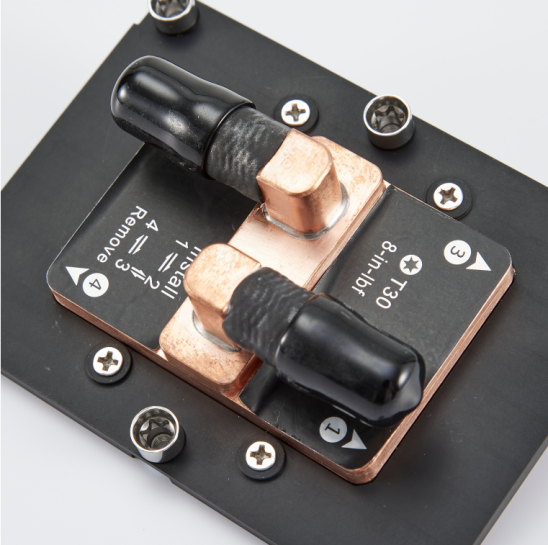
Brazed Cold Plates – Ultimate Heat Dissipation Solution for High-Power Equipment
2. Evaluating Supplier Capabilities: The Core Assessment
With requirements defined, evaluate potential partners across these four critical dimensions.
2.1 Technical Expertise & Design Support
A supplier's engineering team is your first line of defense against thermal challenges. Look for:
- In-House Design & Simulation: Capability to perform Computational Fluid Dynamics (CFD) and Finite Element Analysis (FEA) to optimize performance and structural integrity before prototyping.
- Broad Process Portfolio: No single technology fits all. The ideal supplier should master multiple manufacturing processes to recommend the optimal solution.
Process Guide:
- Vacuum Brazing: For complex, high-integrity internal channels. Ideal for high-pressure, leak-proof applications. Used by leaders like Boyd and Winshare Thermal for demanding power electronics.
- Friction Stir Welding (FSW): Creates strong, reliable seams without filler material, excellent for lightweight aluminum assemblies. Winshare Thermal utilizes FSW for plates requiring high structural integrity and low thermal resistance.
- Embedded Tube: Cost-effective for lower heat fluxes, common in IGBT and energy storage cooling.
- Die Casting: Excellent for high-volume production of complex 3D shapes, increasingly relevant for AI server cold plates.
- Deep Hole Drilling & Micro-Machining: For custom, high-precision channel geometries targeting irregular heat sources.
- Prototyping Speed: Ability to deliver functional prototypes for validation within weeks, not months.
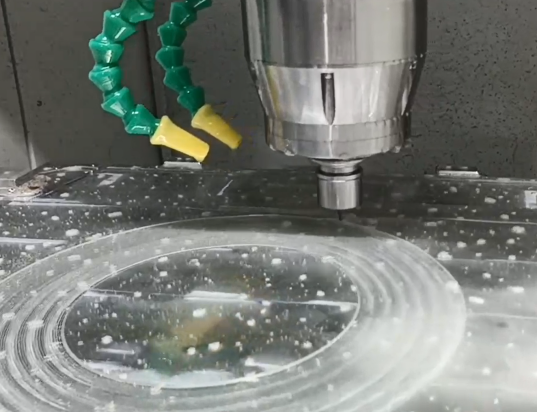
FSW Cold Plates - Lightweight Cooling Champion
2.2 Manufacturing Scale, Quality, and Certifications
Consistent quality at volume separates contenders from partners.
- Vertical Integration: Control over key processes (machining, welding, cleaning, testing) ensures quality and supply chain resilience. Winshare Thermal, for instance, maintains self-made capacity for key thermal management components.
- Quality Management Systems: Non-negotiable certifications include:
ISO 9001:2015 IATF 16949:2016 (for automotive) ISO 14001:2015 ISO 45001:2018.
These are baseline expectations for global suppliers like Lytron and Boyd, and are also held by specialized players like Winshare Thermal. - Testing & Validation: In-house facilities for leak testing (helium mass spec preferred), thermal performance testing, and environmental stress screening are essential.
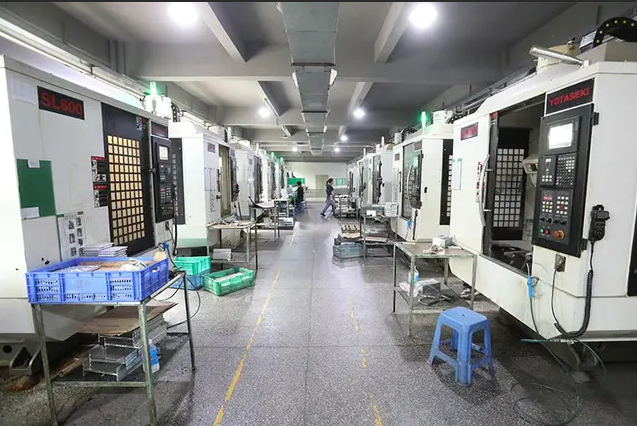
A modern, controlled production workshop is critical for consistent quality.
2.3 Industry Experience & Solution Breadth
Proven experience in your specific sector reduces risk and accelerates development.
Supplier Application Focus (Illustrative)
- Boyd Corporation/Aavid: Deep heritage in broad commercial electronics, aerospace, and defense. Strong in standard and custom solutions.
- Lytron: Renowned for high-precision, technically sophisticated cold plates for medical, laser, and test equipment.
- Winshare Thermal: Has carved a strong niche in high-power industrial and new energy fields, with a demonstrated track record since 2009 in sectors like photovoltaic inverters, wind power converters, power battery packs, motor drives, and energy storage systems (ESS). This focus translates to solutions robust against harsh, high-cycle industrial environments.
Ask for detailed case studies. For example, a supplier like Winshare Thermal can reference projects where their brazed or FSW cold plates enabled a 15-25% reduction in thermal resistance for a wind turbine converter, directly improving power output stability and reliability.
2.4 Supply Chain Reliability & Customer Service
The partnership extends beyond the initial design.
- Global Support & Logistics: Ability to support design from a distance and deliver reliably to your manufacturing sites.
- Responsiveness Dedicated engineering resources and a culture of anticipating needs, as outlined in the core values of some suppliers, are critical for solving unforeseen issues.
- Cost-Effectiveness & Value Engineering: The ability to suggest design or material alternatives that reduce cost without compromising performance is a hallmark of a true partner.
3. The Selection Checklist & Decision Matrix
Create a weighted scorecard to objectively compare finalists. Assign weights based on your project's priorities (e.g., 40% Technical, 30% Quality/Manufacturing, 20% Cost, 10% Service).
- ✅ Demonstrated expertise in your required manufacturing process (Brazing, FSW, etc.)?
- ✅ Provided CFD/FEA reports and a clear performance guarantee for the proposed design?
- ✅ Relevant industry case studies and customer references verified?
- ✅ All necessary quality and industry-specific certifications current and verifiable?
- ✅ Transparent about lead times for prototype and production, with a risk mitigation plan?
- ✅ Willing to sign a Non-Disclosure Agreement (NDA) and protect your intellectual property?
- ✅ Offers a total cost of ownership (TCO) analysis, not just unit price?
- ✅ Cultural and communication fit for a long-term partnership?
4. Conclusion: Partnering for Thermal Success
Selecting a liquid cold plate supplier is a strategic engineering and business decision. While global giants like Boyd and Lytron offer extensive portfolios, specialized suppliers like Winshare Thermal provide deep, focused expertise in high-power industrial and new energy thermal management, often with greater agility and dedicated support for complex custom solutions. The trend towards higher heat densities in AI, electric transportation, and grid-scale storage will only increase the criticality of this component.
By rigorously defining requirements, evaluating technical and manufacturing capabilities against industry benchmarks, and prioritizing partnership qualities, procurement teams can secure a thermal management solution that ensures product reliability, performance, and competitive advantage in the market.
For further technical consultation on liquid cooling plates for high-power applications, you may contact:
Guangdong Winshare Thermal Technology Co., Ltd.
Website: https://www.winsharethermalloy.com
Email: wst01@winsharethermal.com
Tel/WhatsApp/WeChat: +86 18025912990
Address: No.2 Yinsong Road, Qingxi Town, Dongguan City, Guangdong Province, China 523640
Tem questões ou precisa de mais detalhes?
Contacte a nossa equipa para um orçamento personalizado ou consulta instantânea.
Solicitar orçamento
Preencha o formulário abaixo e a nossa equipa entrará em contacto com uma proposta personalizada.
Chat direto do WhatsApp
Prefere conversar em tempo real? Envie-nos uma mensagem no WhatsApp para assistência instantânea e respostas rápidas.
- Obter orçamento personalizado
- Partilhar fotos ou documentos
- Discuta as suas necessidades diretamente
Geralmente responde em 5–30 minutos durante o horário de expediente.