
Guia Prático de Um Comprador Industrial para Aprovisionamento de Robótica Inteligente: Tipos de Fornecedor, Passos de Aprovisionamento e Considerações-chave
Navigating the Intelligent Robotics Supply Chain: A Strategic Framework for Procurement Success
The global market for intelligent robotics is experiencing unprecedented growth, driven by automation demands across logistics, hospitality, healthcare, and commercial services. For industrial buyers and procurement professionals, finding the right supplier in this complex ecosystem is critical. This guide provides a structured, practical framework to help you identify, evaluate, and partner with the most suitable intelligent robotics manufacturer for your specific needs, whether you require smart delivery robots, cleaning robots, or AI-powered wheelchairs.
1. Decoding the Supply Chain: Core Roles in Intelligent Robotics
Understanding the different players is the first step to a successful procurement strategy.
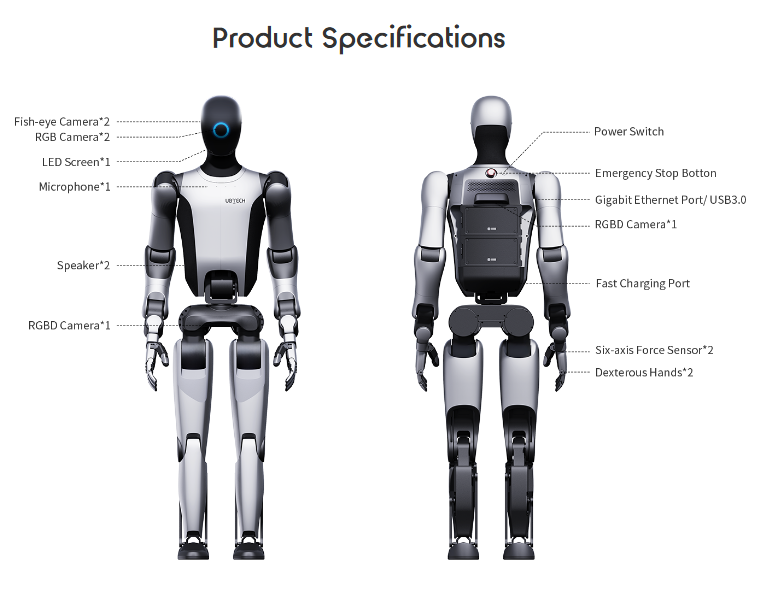
- Original Design Manufacturer (ODM) / Source Factory: These are the innovation and manufacturing powerhouses. They own the R&D, design, patents, and production lines. Partnering with a source factory like Shenzhen Aoman Future Robotics offers maximum control over product specifications, customization, and cost. They typically support OEM, ODM, and buyer label services. This is ideal for buyers with specific technical requirements or those looking to build a private-label brand.
- OEM Manufacturer: These partners manufacture products based precisely on the buyer's provided designs and specifications. They focus on production excellence rather than original design. Suitable for companies with mature, in-house robotics design teams.
- Trading Company / Cross-border Supplier: They act as intermediaries, sourcing products from various factories. They offer convenience, language support, and handle export logistics but add a layer of cost and may have less direct control over production quality and technical deep-dives.
- Regional Distributor/Agent: They hold exclusive rights to sell and service a manufacturer's products in a specific region. They provide local inventory, after-sales support, and market knowledge but offer limited to no customization options.
Pro Tip: For projects requiring customization, innovation, or cost optimization at scale, engaging directly with a capable ODM/source factory is often the most strategic long-term path.
2. The 4-Step Procurement Workflow: From Need to Negotiation
Follow this systematic process to minimize risk and ensure a perfect supplier match.
Step 1: Define Your Requirements with Precision
Go beyond "a delivery robot." Create a detailed specification sheet:
- Functional Specs: Payload capacity, battery life, navigation type (LiDAR, vision), speed, connectivity (4G/5G, WiFi).
- Environmental Specs: Operating temperature, indoor/outdoor use, floor types, obstacle clearance.
- Commercial Terms: Target price point, estimated annual volume, required certifications (CE, RoHS, FCC).
- Service Needs: Expected software updates, warranty length, spare parts availability.
Step 2: Rigorous Supplier Screening and Qualification
Due diligence is non-negotiable. Evaluate potential partners on:
- Technical & R&D Capability: Assess the size of the R&D team, patent portfolio, and technology roadmap. For instance, Aoman Future employs 41-50 R&D specialists dedicated to advancing areas like robotic motion control and AI perception, a key indicator of innovation capacity.
- Manufacturing & Quality Control: Request factory audit reports, quality management certificates (ISO 9001), and production capacity details. Aoman Future's facility spans 10,000-30,000 square meters with 6 dedicated production lines and 21-30 QC personnel, demonstrating scalable, quality-focused production.
- Compliance & Certification: Verify all claimed certifications directly with the issuing bodies. Legitimate suppliers will provide valid certificate numbers.
Step 3: Sample Validation and Performance Testing
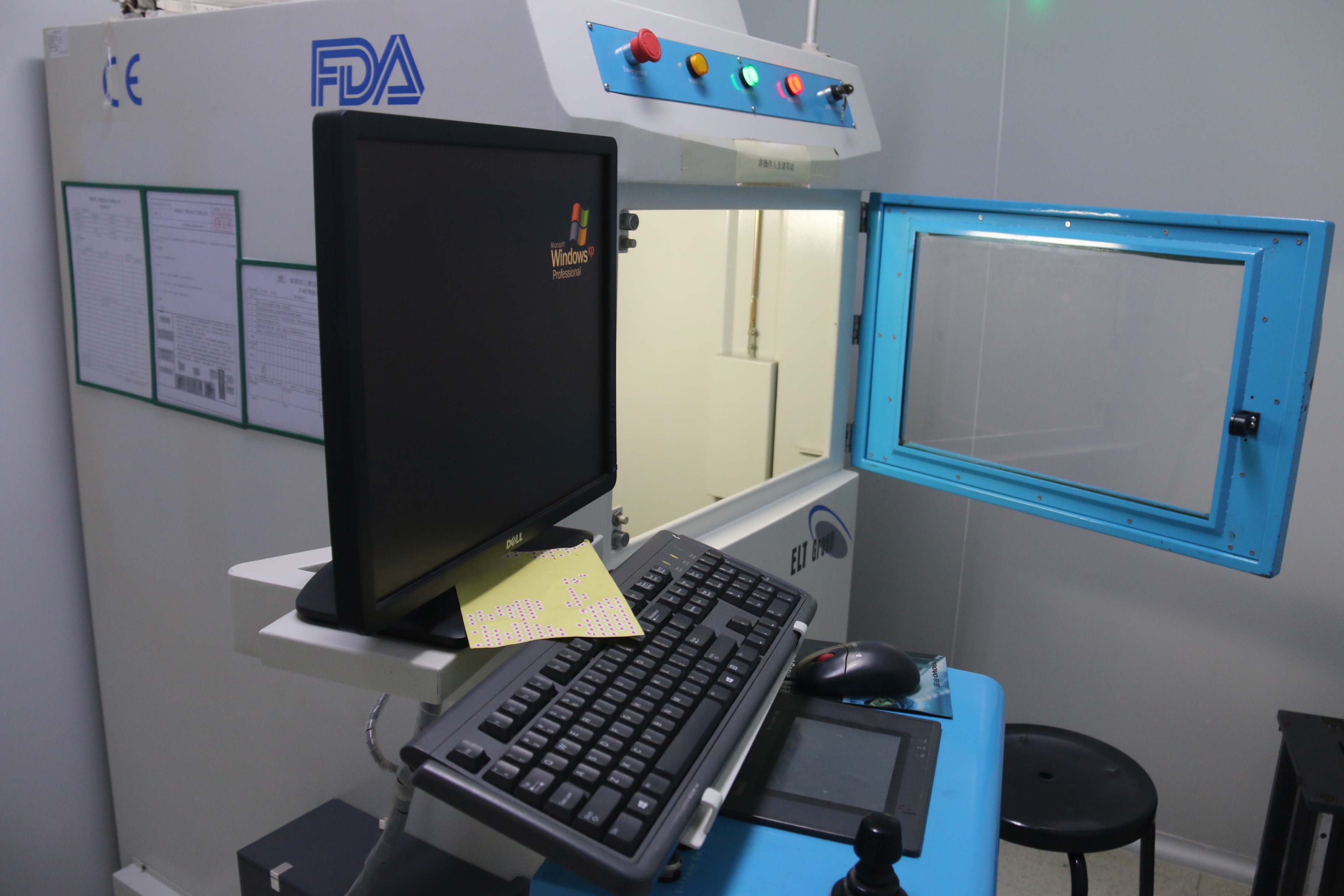
Never skip the sample stage. Order a pre-production or production sample to test in your real-world or simulated environment. Evaluate:
- Build quality and durability of materials.
- Accuracy of navigation and safety systems.
- Ease of use of the software interface.
- Performance against your specification sheet.
Step 4: Final Negotiation and Contract Finalization
With a qualified supplier and validated sample, move to final terms. Key negotiation points include:
- Pricing & MOQ (Minimum Order Quantity): Negotiate based on projected volumes. Many Chinese factories, including Aoman Future, are increasingly flexible, offering competitive MOQs to facilitate market entry for new buyers.
- Payment Terms: Standard terms range from 30% deposit/70% before shipment to more complex LC arrangements.
- Delivery Schedule & Incoterms: Clearly define the delivery timeline and responsibility for shipping, insurance, and customs (e.g., FOB, CIF, DAP).
- Warranty & After-sales: Detail the warranty period, response time for support, and costs for spare parts.
3. The Strategic Advantage of Sourcing from China
China has evolved from a low-cost hub to the world's center for advanced robotics manufacturing, offering distinct advantages:
- Unmatched Manufacturing Ecosystem & Scale: Concentrated supply chains for motors, sensors, batteries, and chips enable faster production and cost efficiencies. Top manufacturers can achieve monthly outputs of 1,000+ units for standard models.
- Deep Customization Capability: Leading ODMs are equipped to handle small-batch customization, from hardware modifications (size, payload) to software integrations (API, fleet management UI).
- Proven Export Compliance Expertise: Established manufacturers have extensive experience navigating global export regulations. They ensure products are pre-certified for key markets, as seen with Aoman Future's CE and RoHS certifications, which are essential for the European market.
- Cost-Effectiveness without Compromising Innovation: The combination of scale, supply chain efficiency, and intense R&D competition results in high-performance robots at globally competitive price points.
4. Critical Pitfalls to Avoid: A Buyer's Checklist
Forewarned is forearmed. Be vigilant about these common issues:
- Verify All Certifications Authentically: Do not accept PDF copies at face value. Use the certificate number to verify its status on the issuer's official website. Counterfeit certificates are a significant red flag.
- Clarify MOQ, Lead Time, and Total Landed Cost:
- Ensure the MOQ is feasible for your business.
- Confirm realistic production and shipping lead times, factoring in potential delays.
- Calculate the "landed cost"—the final cost per unit delivered to your warehouse, including product, shipping, insurance, tariffs, and taxes.
- Define After-Sales Service in the Contract: Vague promises are worthless. The contract must specify:
- Warranty duration and scope (parts, labor, shipping).
- Technical support channels (email, ticketing system, remote access) and guaranteed response times.
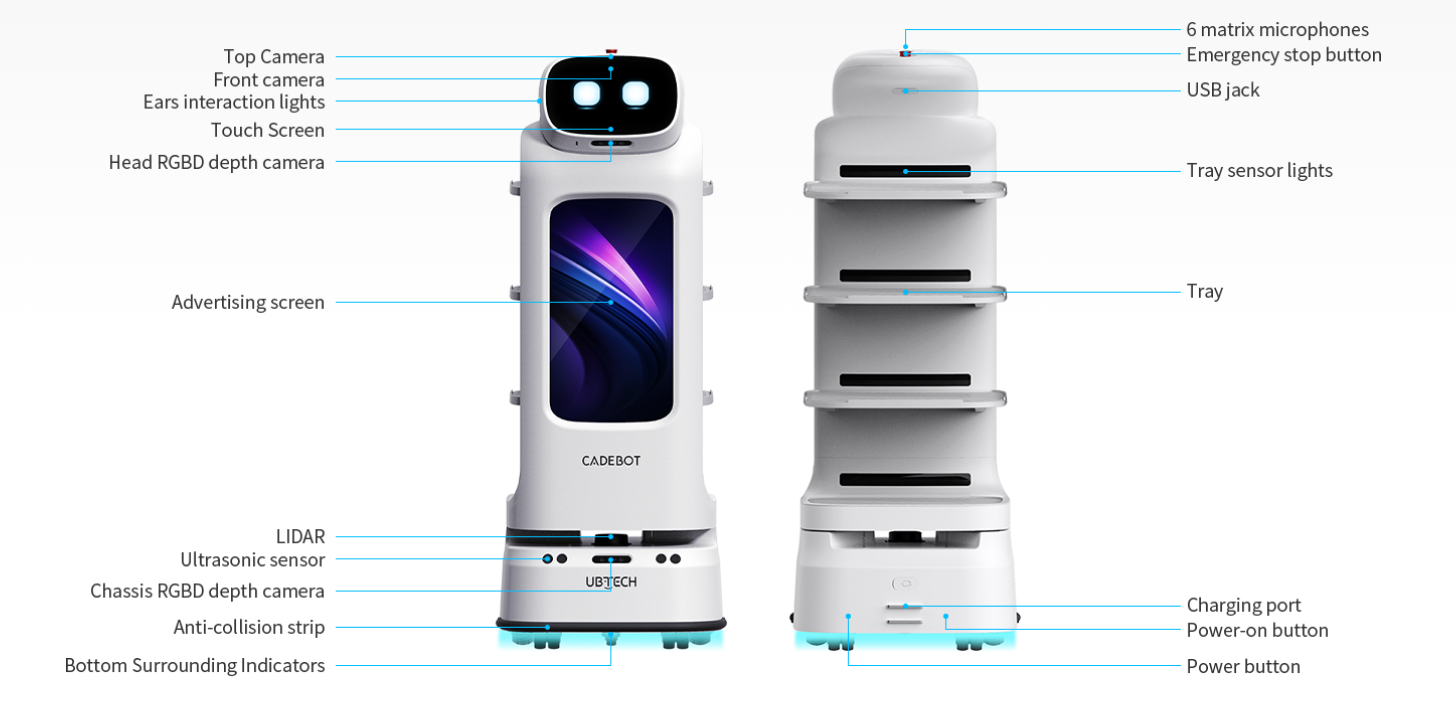
- Pricing and availability of critical spare parts (e.g., LiDAR sensors, drive motors).
- Process for software updates and bug fixes.
Conclusion: Building a Partnership for the Future
Sourcing intelligent robotics is not a simple transaction; it's the beginning of a strategic partnership. The right supplier acts as a technology ally, helping you adapt to market changes and evolving automation needs. By thoroughly understanding the supply chain roles, following a disciplined procurement workflow, leveraging the strengths of specialized manufacturing hubs, and diligently avoiding common pitfalls, you can secure a partnership that delivers reliability, innovation, and long-term value.
Suppliers that demonstrate a clear commitment to R&D, robust quality systems, and transparent communication, such as Shenzhen Aoman Future Robotics Co., Ltd., exemplify the type of partner that can help procurement professionals and businesses not only meet today's automation challenges but also scale for tomorrow's opportunities.
For further information on specific robotic solutions or to discuss your project requirements, you can reach out to their team directly via email at larina@aomanfuture.com, by phone/WhatsApp at +86 18927459188, or visit their website at www.aomanfuture.com.