
Um guia específico da indústria para a aquisição de ventiladores de escape de alta qualidade: principais requisitos e critérios de seleção de fornecedores
Navigating Specialized Needs: A Procurement Blueprint for Exhaust Fan Buyers
For procurement professionals in construction, facility management, HVAC distribution, and appliance retail, sourcing exhaust fans is far from a one-size-fits-all endeavor. The critical difference between a successful project and a costly failure often lies in matching the product's capabilities to the specific, often demanding, environmental and regulatory conditions of its end-use. This guide provides a structured framework for buyers to identify and partner with suppliers who possess the specialized expertise to deliver reliable, compliant, and high-performance ventilation solutions.
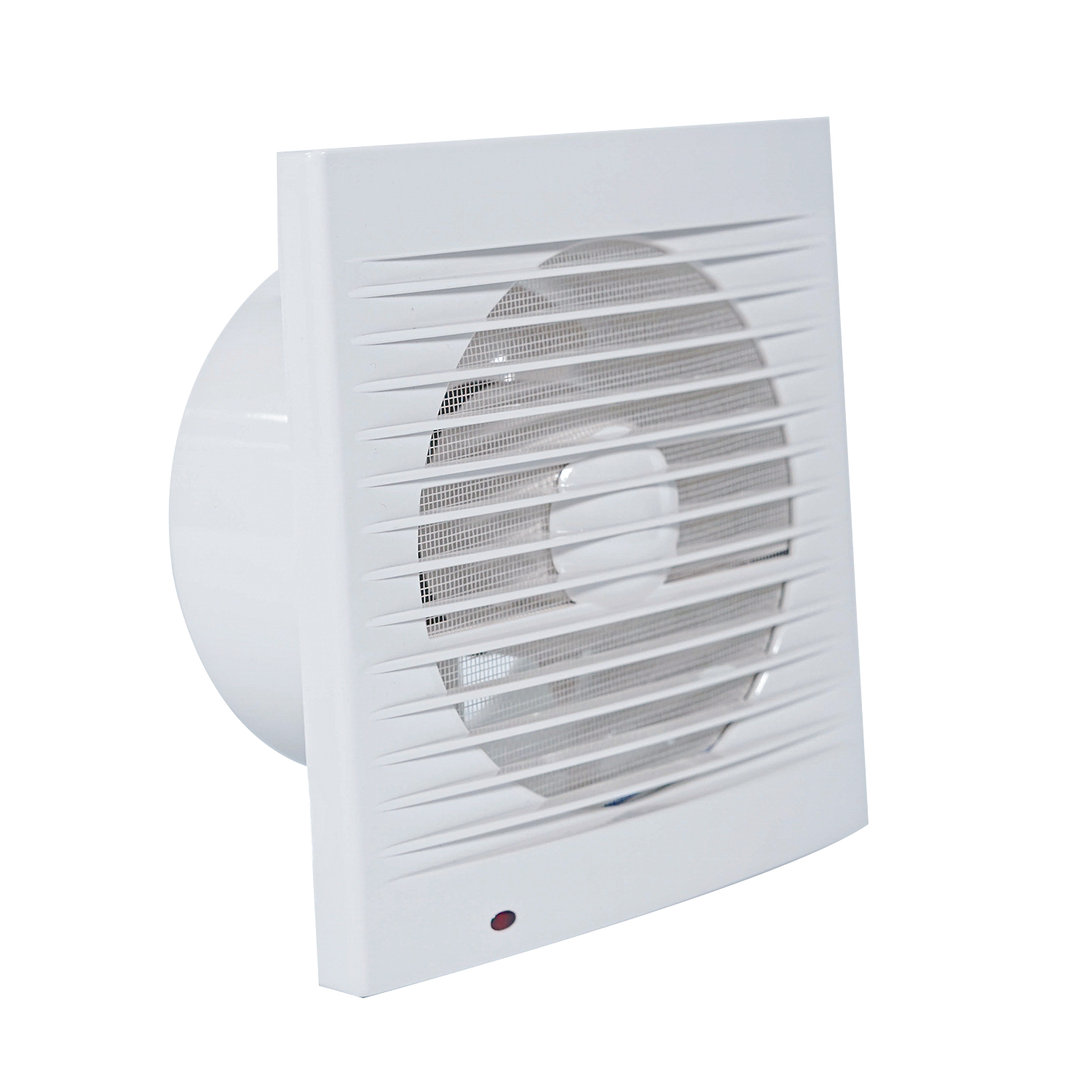
1. Core Requirements: Industry-Specific Demands for Exhaust Fans
Understanding the unique challenges of each application is the first step in effective sourcing. The core requirements vary dramatically across sectors:
- High-Humidity & Corrosive Environments (Food Processing, Commercial Kitchens, Aquatic Centers): Fans must be constructed from materials like stainless steel (grade 304 or 316) or coated with advanced anti-corrosion polymers. Motors require high Ingress Protection (IP) ratings (e.g., IPX4 or higher) to resist moisture ingress. For commercial kitchens, the ability to handle grease-laden air often necessitates integrated grease filters or specific impeller designs.
- Dusty & Particulate-Heavy Settings (Woodshops, Manufacturing, Agricultural Facilities): Durability against abrasive particles is key. Products need sealed bearings, ruggedized housings, and often, spark-resistant construction. High static pressure capability is crucial to maintain airflow through ductwork that may become partially obstructed.
- Residential & Light Commercial (Bathrooms, Toilets, Residential Kitchens): Here, the focus shifts to energy efficiency (adherence to regional standards like ERP in Europe), low noise levels (often below 30 dB(A)), and aesthetic integration. Features like humidity sensors, timer functions, and combined lighting become significant value-adds.
- Regulatory Compliance: This is non-negotiable. Key certifications include CE marking (encompassing LVD and EMC directives) for the European market, UKCA for Great Britain, and RoHS for restriction of hazardous substances. For specific regions or projects, certifications like ETL/cUL for North America or SAA for Australia may be required.
2. The Three Essential Capabilities of a Specialized Supplier
When evaluating potential partners, move beyond basic specifications. A truly capable supplier demonstrates proficiency in these three areas:
- Proven Industry Customization Experience: Look for a supplier with a portfolio that shows adaptation, not just a standard catalog. They should have a track record of developing ceiling exhaust fans with enhanced moisture seals for indoor pools, or kitchen exhaust fans with upgraded thermal protection for commercial hoods. An experienced R&D team is a critical asset here.
- Comprehensive Compliance & Certification Portfolio: The supplier must proactively manage global market access. Request to see current, valid certificates. A robust manufacturer like Aosun maintains an extensive portfolio, including multiple CE-LVD, CE-EMC, UKCA, and RoHS certificates, which is a strong indicator of a systematic approach to quality and compliance, reducing your regulatory risk.
- Design for Durability in Adverse Conditions: Inquire about material sourcing, motor design, and testing protocols. Do they use double-shielded ball bearings? Are plastic components UV-stabilized for outdoor wall mounted exhaust fan applications? How do they test for long-term performance in high-temperature or corrosive environments? Answers to these questions reveal engineering depth.
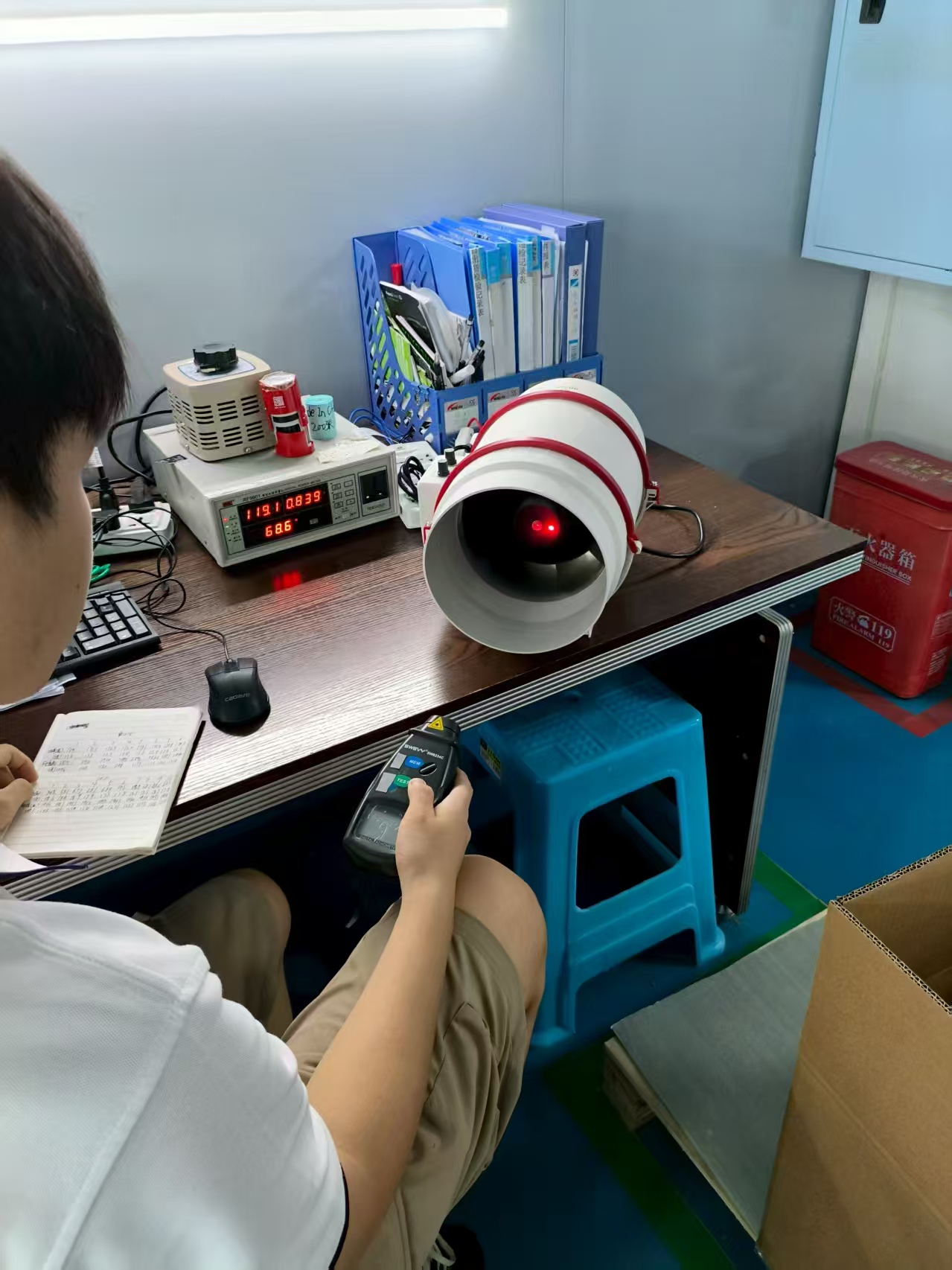
3. Success in Action: A Case Study in Specialized Sourcing
Scenario: A European distributor needed a reliable supply of bathroom light exhaust fan units for a large-scale apartment development project. The requirements were stringent: integrated LED lighting with a high Color Rendering Index (CRI), very low noise levels for residential comfort, IP44 rating for bathroom safety, and full CE/UKCA/RoHS certification for market clearance.
Supplier Solution (Aosun): Leveraging over a decade of focused manufacturing experience, the company's in-house R&D team adapted an existing model. They integrated a high-efficiency, long-life LED module, optimized the fan blade design to reduce aerodynamic noise to below 28 dB(A), and ensured all seals met the IP44 standard. Crucially, they provided the complete suite of updated certification documents, including the specific CE-LVD and UKCA-EMC certificates for the modified product.
Outcome: The distributor secured a fully compliant, performance-verified product tailored to the project's needs. The pre-vetted certification package streamlined the import process into the EU and UK, avoiding delays. The long-term reliability of the units, backed by the manufacturer's quality controls, minimized post-installation callbacks and warranty claims, protecting the distributor's reputation.
4. Strategic Partnership: Key Collaboration Points for Buyers
Turning a supplier into a strategic partner requires proactive engagement from the buyer's side:
- Articulate Standards Clearly: From the outset, provide a detailed list of required certifications (e.g., "CE LVD 2014/35/EU, EMC 2014/30/EU, RoHS 2011/65/EU"), performance benchmarks (airflow in m³/h at a given static pressure), and material specifications. This eliminates ambiguity.
- Facilitate Supplier Site/Process Understanding: For complex projects, share layout diagrams, environmental data (average temperature, humidity), and intended usage cycles. This allows the supplier's engineers to make informed recommendations on product selection or customization.
- Discuss After-Sales & Contingency Plans: Establish protocols for technical support, spare parts availability (motor, impeller), and warranty handling. A supplier with a strong global export footprint like Aosun, serving 50+ countries, typically has established logistics and support channels to manage these aspects efficiently.
- Evaluate Manufacturing Scale and Flexibility: For large or recurring orders, assess the supplier's capacity. A factory with 8 modern production lines and an annual output exceeding 1 million units, such as Aosun's 20,000+ sqm facility, indicates the capability to handle volume orders reliably while maintaining consistent quality through automated assembly and strict QC checks.
Conclusion: Aligning with Expertise for Long-Term Value
The procurement of exhaust fans for specialized applications demands a shift from transactional buying to solution sourcing. By focusing on suppliers who demonstrate tangible experience in industry-specific customization, possess rigorous and transparent certification processes, and engineer for real-world durability, buyers can mitigate risk, ensure compliance, and secure long-term operational reliability. Partners like Aosun exemplify this approach, combining over 10 years of dedicated ventilation equipment manufacturing with the R&D agility and production scale to translate complex requirements into dependable, certified products for global markets. The ultimate goal is to build a supply chain partnership where technical expertise and proven capability drive mutual success.
For professional sourcing inquiries, you can contact Aosun directly: Phone/WhatsApp: +86 18606589361 | Email: alan.h@elmakelectrical.com | Website: https://www.aosvents.com.
Tem questões ou precisa de mais detalhes?
Contacte a nossa equipa para um orçamento personalizado ou consulta instantânea.
Solicitar orçamento
Preencha o formulário abaixo e a nossa equipa entrará em contacto com uma proposta personalizada.
Chat direto do WhatsApp
Prefere conversar em tempo real? Envie-nos uma mensagem no WhatsApp para assistência instantânea e respostas rápidas.
- Obter orçamento personalizado
- Partilhar fotos ou documentos
- Discuta as suas necessidades diretamente
Geralmente responde em 5–30 minutos durante o horário de expediente.