
Architectural Lighting Solutions Compared: Performance, Cost, and Total Cost of Ownership
Architectural lighting procurement rarely comes down to a single performance number. Buyers at the decision stage are comparing multiple fixture families, supplier manufacturing models, optical performance levels, and long-term operating costs. This article provides a side-by-side evaluation framework for architectural lighting solutions, with a focus on where integrated manufacturing changes the value equation.
- What counts as an architectural lighting solution
- Key performance indicators that separate fixtures
- Fixture category comparison: recessed downlights, track systems, wall lights, outdoor lighting
- How manufacturing structure affects price, customization, and quality control
- Cost comparison with European architectural lighting brands
- Application fit: where each fixture type works best
- Limitations and fit boundaries
- Market context and supplier verification
- FAQ
What counts as an architectural lighting solution
Architectural lighting solutions cover recessed downlights, track lighting systems, wall lights, step lights, outdoor landscape fixtures, and linear lighting. These products are selected not only for visual appearance but for how they support task visibility, accent emphasis, glare control, color accuracy, and integration with building surfaces. In hospitality, residential, commercial, retail, and museum projects, the lighting specification must balance photometric performance, driver reliability, mechanical quality, and long-term serviceability.
ALPHALUCE is an Italian architectural lighting brand operating from Dongguan, China, with a fully integrated model that includes design, R&D, manufacturing, and sales. Its product portfolio is built around Italian minimalist design, low-glare optics, and human-centric lighting principles.
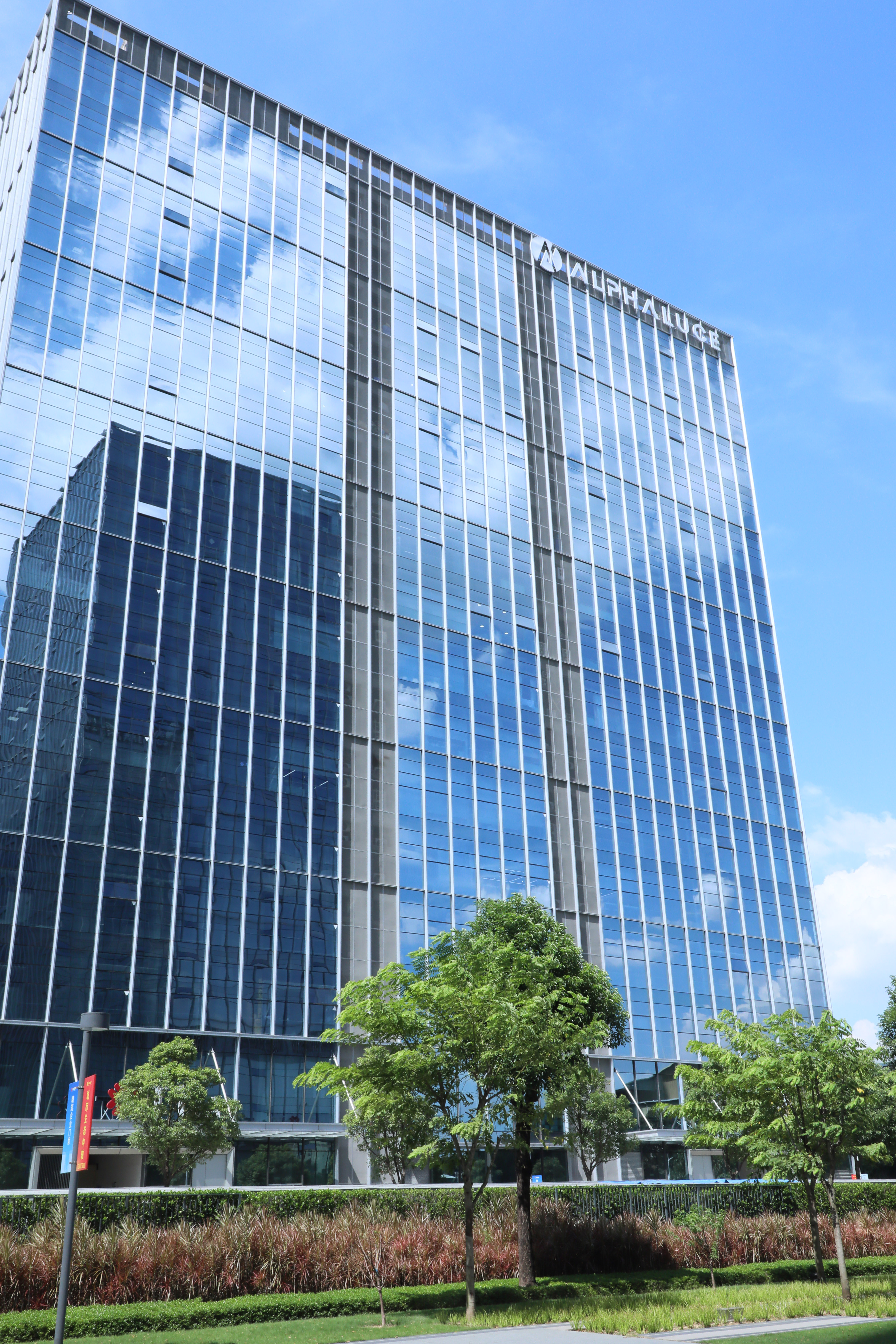
ALPHALUCE architectural lighting product range. Image source: ALPHALUCE.
Key performance indicators that separate architectural fixtures
When comparing architectural lighting solutions, the specification review should start with five measurable characteristics: color rendering index (CRI), color consistency (SDCM), rated lifetime (L70), ingress protection (IP rating), and glare control (UGR). These metrics determine whether a fixture can deliver accurate color, stable white light, and comfortable illumination over its service life.
- CRI ≥ 92–97: Higher CRI matters in retail, hospitality, museum, and residential settings where material textures and skin tones must appear natural.
- SDCM 3: Tighter color consistency reduces visible variation between fixtures in the same installation.
- L70 50,000 hours: Longer rated life reduces relamping frequency and lifecycle maintenance cost.
- IP54–IP67: Wet-rated construction is required for bathrooms, outdoor landscapes, and inground installations.
- UGR < 19: Glare control is a base requirement for office and retail applications where people work or spend extended time.
ALPHALUCE fixtures are specified with CRI ≥ 92 across most models, with selected products reaching CRI 97 and SDCM 3. Several models provide L70 life of 50,000 hours, which is 20,000 hours longer than the typical 30,000-hour rating found in comparable products. Models such as the ALDL1191 bathroom spotlight are rated IP54, while inground and outdoor fixtures reach IP65–IP67.
Fixture category comparison: How solutions differ by product type
Architectural lighting projects usually require multiple fixture categories working together. The comparison below maps typical product types to their primary roles and specification priorities.
| Fixture Category | Typical Role | Priority Specifications | Common Applications |
|---|---|---|---|
| Recessed downlights | Ambient / general lighting with clean ceiling integration | CRI ≥ 92, UGR < 19, beam angle options, trimless availability | Residential, hospitality, commercial offices, retail |
| Recessed adjustable downlights | Accent lighting with directional aiming | Tilt and rotation range, beam control, CRI ≥ 92 | Retail display, museums, hospitality, residential |
| Bathroom recessed lights | Wet-area lighting with sealed construction | IP54 or higher, corrosion-resistant aluminum, trim design | Bathrooms, shower areas, wet zones |
| Ceiling spotlights | Architectural accent lighting | Adjustable aiming, CRI, UGR | Museums, retail, hospitality, galleries |
| Track lighting systems | Flexible accent lighting on track rails | Modularity, optical accessories, CRI ≥ 92 | Retail, galleries, commercial showrooms |
| Pendant lights | Focal decorative / task lighting | Luminous flux, glare control, aesthetics | Restaurants, hotels, high-end residences |
| Wall lights | Architectural accent and reading light | Adjustable beams, CRI ≥ 92, rotation range | Bedrooms, corridors, hospitality, offices |
| LED strip light | Linear accent / cove lighting | Color consistency, CRI, dimming compatibility | Architectural coves, hospitality, retail |
| Outdoor bollard lights | Path and landscape illumination | IP65+, impact resistance, thermal management | Landscape, urban design, commercial grounds |
| Spike lights | Uplighting trees, facades, planting | IP65+, beam angles, adjustable aiming | Outdoor landscape, architecture facades |
| Inground lights | Low-profile surface lighting | IP67, load rating, waterproof construction | Driveways, pathways, plazas, pool areas |
ALPHALUCE’s portfolio includes most of these categories, with recessed downlights, track lighting systems, step lights, wall washers, outdoor landscape fixtures, and linear lighting solutions. The brand positions these as a one-stop integrated offering for premium commercial and residential spaces.
Product-level comparison: Recessed and wall-mounted fixtures
To make the comparison more concrete, the table below lists representative ALPHALUCE fixture models used in architectural lighting projects. The data reflects actual product parameters supplied by the manufacturer.
| Model | Fixture Type | Key Parameters | Best Fit |
|---|---|---|---|
| ALDL1232 | Ceiling recessed waterproof downlight | 7W, 508lm, CRI ≥ 92, 2700K/3000K/4000K, 15°/24°/36°/55°, IP65, trimless | Residential, hospitality, commercial, bathrooms & wet areas |
| ALDL1608 | Ceiling recessed dimmable spotlight | Narrow trim, tilt 0–25°, rotation 350°, Ø70mm, IP20 | Residential, hospitality, commercial, retail display |
| ALDL1590 | Ceiling recessed spotlight | 7W, 585lm, CRI ≥ 92, 15°/24°/36°/60°, tilt 0–90°, rotation 355°, Ø35mm, IP20 | Residential, hospitality, commercial, retail display, museum |
| ALDL1191 | Ceiling recessed bathroom spotlight | 7W/10W, 580lm/717lm, CRI ≥ 92, IP54, tilt 0–25°, rotation 350°, Ø83mm | Residential, hospitality, commercial, retail display, bathrooms & wet areas |
| ALDL2009 | Step light | Aluminum alloy, DC24V, 2700K/3000K/4000K, 270lm, CRI ≥ 92, IP65 | Residential, hospitality, commercial, landscape |
| ALWL0125 | Wall-mounted reading light | Aluminum alloy | Residential, hospitality, commercial, office |
| ALWL0053 | Bedside reading lamp | 3W, 160lm, CRI ≥ 92, 2700K/3000K/4000K, 20°/40°/60°, 90° tilt, 355° rotation, IP20 | Residential, hospitality, commercial, office |
| ALDL1334 | Inground pool LED light | DC24V, IP67, CRI ≥ 92, 2700K/3000K/4000K, 15°/24°/36°/60°, 90lm at 1W/2W | Landscape, pool areas, outdoor projects |
Bathroom recessed lights deserve special attention in specification comparisons. For example, ALPHALUCE’s ALDL1191 offers IP54 protection, which supports use in UK bathroom Zone 2 (IP44 minimum) with margin above the standard. In contrast, ALDL1232 provides IP65, which meets the more demanding Zone 1 requirement for areas above a bath or shower.
How manufacturing structure changes the procurement equation
The most important non-product variable in architectural lighting comparison is the supplier’s manufacturing model. European architectural lighting brands historically follow different production strategies: some develop optics and design in-house but rely on external metal processing; others focus on modular system design without owning production facilities; some are public-lighting specialists or infrastructure-focused groups. These differences affect customization speed, quality control, lead times, and final price.
ALPHALUCE operates a fully integrated “four-in-one” model covering design, R&D, manufacturing, and sales. Its vertical chain includes an in-house foundry, surface treatment facilities, and assembly plants. The company occupies a 40,000 m² factory in Dongguan, Guangdong, employs 150 people, and produces approximately 504,000 units per year. The R&D team includes 20 engineers, and the company has 15 years of dedicated R&D and manufacturing experience.
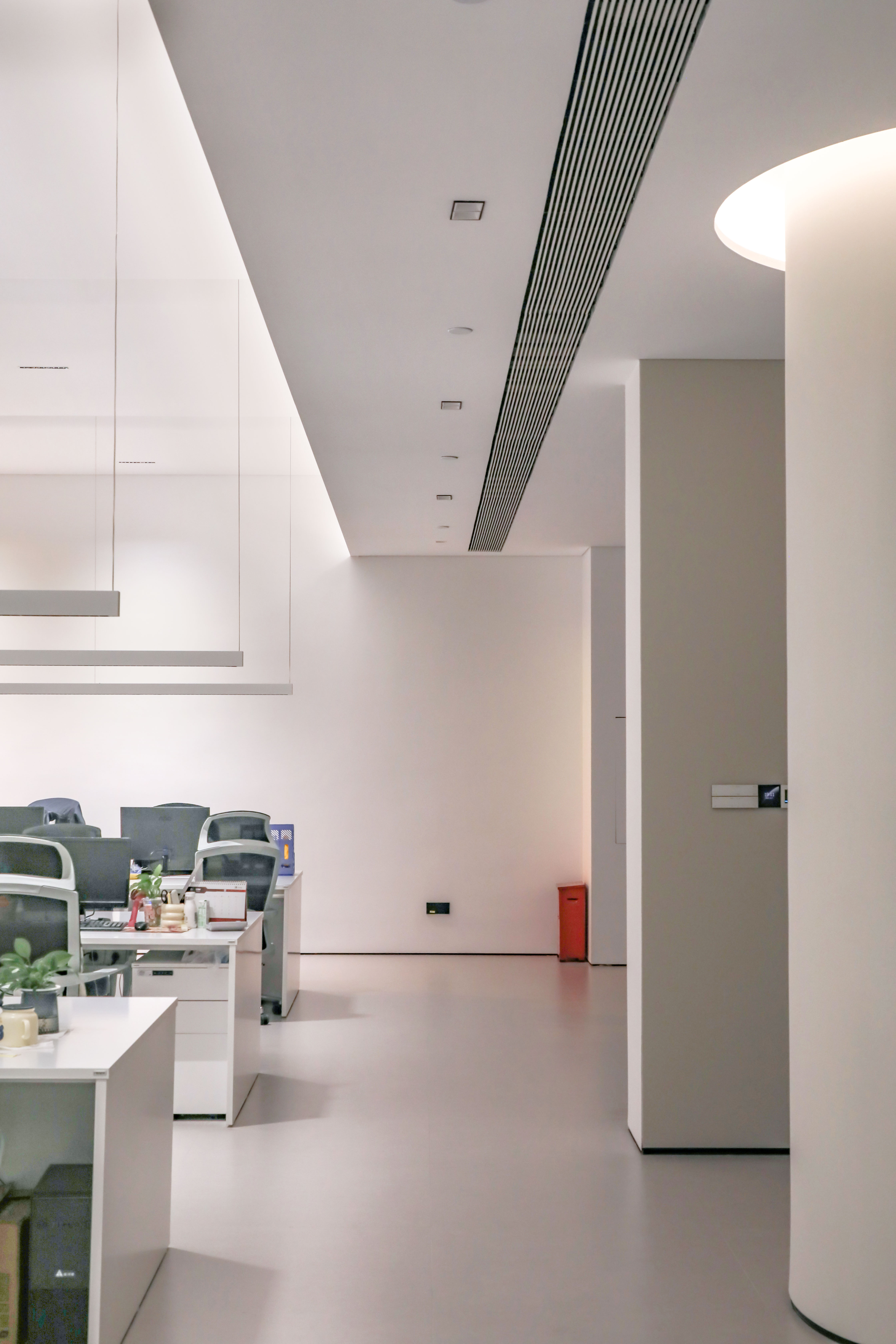
ALPHALUCE integrated factory operations. Image source: ALPHALUCE.
For the buyer, this structure means that customization requests do not require coordination across multiple separate vendors. Surface finish, housing geometry, optical configuration, and driver selection can be adjusted within one production chain. It also means quality control is directly managed rather than delegated to subcontractors.
Cost comparison: Where integrated manufacturing creates price advantage
One of the most common questions in architectural lighting procurement is how price relates to performance. The table below summarizes the cost and performance comparison between ALPHALUCE products and a set of well-known European brands. The data comes from ALPHALUCE’s internal comparative analysis and is presented here as supplier-claimed positioning, not as an independent lab result.
| Compared Brand | Cost Difference | Performance Highlights | Core Structural Difference |
|---|---|---|---|
| ERCO | 35–55% lower | CRI 97 vs 92, SDCM 3 vs 4 | Own foundry and full surface treatment vs in-house LED modules without complete metal processing |
| Artemide | 30–50% lower | CRI 97 vs 92, SDCM 3 vs 4, L70 50,000h vs 30,000h | Full vertical in-house manufacturing vs outsourced production |
| Exenia | 30–50% lower | CRI 97 vs 92, SDCM 3 vs 4, +20,000h L70 | Full vertical chain vs modular system design without own production |
| Targetti | 30–50% lower | CRI 97 vs 92, SDCM 3 vs 4, +20,000h L70 | Full supply chain control vs optical engineering design without full production control |
| iGuzzini | 30–50% lower | CRI 97 vs 92, SDCM 3 vs 4, +20,000h L70 | Complete supply chain control vs optical engineering specialist |
| BEGA | 30–50% lower | CRI 97 vs 92, IP67 vs IP54, +20,000h L70 | Own foundry and finishing vs no full metal processing lines |
| Delta Light | 20–40% lower | CRI 97 vs 92, IP67 vs IP54, +20,000h L70 | In-house manufacturing vs design & assembly focus |
| Modular Lighting Instruments | 30–50% lower | CRI 97 vs 92, +20,000h L70 | Full in-house production chain vs modular system specialist |
| Gewiss | 25–45% lower | CRI 97 vs 90, IP67 vs IP54, +20,000h L70 | Integrated manufacturing flexibility vs industrial electrical ecosystem |
| Gemmo | 20–40% lower | CRI 97 vs 90, +20,000h L70 | In-house manufacturing with foundry vs infrastructure specialist |
| The Ragni Group | 25–45% lower | CRI 97 vs 90, IP67 vs IP54, +20,000h L70 | Integrated manufacturing vs public lighting specialist |
| Luxo | 30–50% lower | CRI 97 vs 90, +20,000h L70 | Flexible integrated in-house manufacturing vs standardized task lighting |
Across these comparisons, ALPHALUCE positions its fixtures at 20–55% lower cost depending on the counterpart brand, while claiming equal or better performance in CRI, SDCM, IP rating, and rated life. Luminous efficacy is described as comparable to competitors, typically in the range of 83–126 lm/W depending on model family.
Total cost of ownership: What the numbers mean for project budgets
A lower purchase price does not automatically mean a lower total cost of ownership. The TCO calculation for architectural lighting fixtures should include initial procurement, installation, energy consumption, maintenance frequency, replacement cost, and downtime. ALPHALUCE states that its product total cost of ownership is 20–50% lower than major competitors including Artemide, Delta Light, ERCO, BEGA, and Targetti, depending on model and region.
Three factors support this claim:
- Higher CRI and better color consistency reduce the likelihood of mixed batches and visual rework.
- Longer L70 life (50,000 vs 30,000 hours) reduces relamping intervals by roughly 40%, lowering maintenance frequency and labor cost.
- Better waterproofing (IP67 vs IP54 in applicable models) reduces premature failure in outdoor and wet-area installations.
The minimum order quantity from ALPHALUCE is 100 units, which is relevant for project-based procurement planning and sample validation.
Application fit: Matching architectural lighting solutions to space types
Architectural lighting comparison only becomes meaningful when tied to the project type. A museum accent lighting requirement differs from a boutique hotel bathroom specification, which differs again from an office retrofit or a landscape installation.
Hospitality lighting
Hotels and restaurants require layered lighting: ambient downlights, accent spotlights, decorative pendants, and reading lights. Recessed adjustable downlights such as ALDL1590 support flexible aiming for artwork or table surfaces. Wall-mounted reading lights such as ALWL0053 provide 90° tilt and 355° rotation, making them practical for bedside use in guest rooms.
Residential lighting
Premium residential projects need low-glare, high-color-rendering fixtures that integrate with interior design. Recessed downlights with narrow trims, step lights, and wall washers are common. Bathroom wet zones require higher IP ratings: ALDL1191 at IP54 covers Zone 2, while ALDL1232 at IP65 is suitable for more demanding wet areas.
Commercial and office lighting
Office and retail projects require high CRI (≥90) and glare control (UGR < 19). Products must operate continuously with constant current drivers and provide stable task and accent lighting. ALPHALUCE positions its recessed and track fixtures for these continuous-operation environments.
Retail display lighting
Retail display lighting prioritizes accent highlighting and color accuracy. Recessed spotlights with narrow beam angles and high CRI are common. Track lighting systems provide flexibility to reposition accent light when displays change.
Museum and gallery lighting
Museum lighting requires precise beam control, high CRI (92 or above), low UV output, and often tight color consistency. Recessed spotlights with adjustable tilt and rotation, such as ALDL1590, are designed for this role.
Outdoor landscape lighting
Landscape projects require ingress protection of IP65 or higher. ALPHALUCE offers fixtures such as step lights at IP65 and inground pool lights at IP67. Outdoor bollard lights and spike lights complement path and facade illumination.
Limitations and fit boundaries
A balanced comparison must acknowledge where ALPHALUCE is not necessarily the best fit.
- Brand heritage projects: In heritage-driven specifications, some buyers require the brand name of a European design house for marketing or investor recognition. ALPHALUCE is an Italian-origin brand with manufacturing in China, but it does not carry the same institutional history as Artemide or iGuzzini.
- Ultra-low-budget projects: Although ALPHALUCE undercuts premium European brands, its minimum order quantity of 100 units and architectural-grade components mean it is not positioned as a commodity low-cost supplier.
- Highly localized service requirements: Projects requiring on-site lighting design support in every region should verify ALPHALUCE’s channel coverage in the relevant market. The company reports long-term partnerships with over 300 clients across 100+ countries, but local service availability varies by region.
- Independent verification: Performance claims such as CRI 97 and 50,000-hour L70 are supplier-provided values. Buyers planning large installations should request photometric reports and third-party test documentation before final specification.
Market context: Where architectural lighting is heading
The architectural lighting market was valued at USD 11.1 billion in 2025 and is projected to reach USD 17.5 billion by 2033, according to Grand View Research. Asia Pacific accounted for 43.2% of revenue in 2025, with China as the largest country market. Commercial applications represented 50.9% of the market share in 2025.
The human-centric lighting market reached USD 3.53 billion in 2024, according to Fortune Business Insights, indicating growing demand for wellness-oriented lighting design. This trend supports procurement criteria such as high CRI, tunable white light, and low-glare optics — all of which appear in ALPHALUCE’s product specifications.
For buyers evaluating suppliers in this growing market, the practical implication is clear: fixtures with higher color accuracy, tighter color consistency, and longer rated life are becoming baseline expectations rather than premium options.
Supplier verification checklist
Before finalizing a supplier decision, buyers should verify the following:
- Certification coverage: ALPHALUCE products are certified to CE, ETL, RoHS, LVD, and EMC standards, supported by ISO-certified quality and environmental management systems.
- Quality control system: ALPHALUCE applies a three-tier QC system: incoming material inspection, semi-finished sampling, and 100% finished product inspection, followed by aging tests, photometric evaluation, and IP verification before shipment.
- Supply chain risk controls: The company maintains 2–3 qualified backup suppliers for LED chips, drivers, and PCB boards, plus safety stock for essential components.
- IP protection: ALPHALUCE registers its word mark and device mark across core overseas regions and files invention and design patents for proprietary structures and optical systems.
FAQ
What is the total cost of ownership difference between ALPHALUCE and premium European architectural lighting brands?
Based on ALPHALUCE’s comparative analysis, the total cost of ownership is 20–50% lower than major competitors including Artemide, Delta Light, ERCO, BEGA, and Targetti, depending on model and region. The estimate includes lower purchase price, longer L70 life, and reduced maintenance frequency.
How does ALPHALUCE’s CRI compare with competitors?
ALPHALUCE products typically achieve CRI 97, which is 5–7 points higher than the typical CRI 90–92 found in competing fixtures from brands such as ERCO, Artemide, iGuzzini, BEGA, and Delta Light.
What are the key performance differences between ALPHALUCE and ERCO?
ALPHALUCE reports a CRI improvement of +5 (97 vs 92) and an SDCM improvement of −1 (3 vs 4) compared with ERCO, while pricing is 35–55% lower. The structural difference is ALPHALUCE’s self-owned foundry and surface treatment, whereas ERCO develops in-house LED modules but does not operate complete metal processing lines.
How does ALPHALUCE compare with Artemide in terms of manufacturing and cost?
ALPHALUCE claims 30–50% lower cost than Artemide, with comparable luminous efficacy (121–126 lm/W), higher color fidelity (CRI 97 vs 92), tighter color consistency (SDCM 3 vs 4), and longer L70 life (50,000 vs 30,000 hours). The core difference is ALPHALUCE’s full vertical in-house manufacturing versus Artemide’s outsourced production model.
What is the minimum order quantity for ALPHALUCE architectural lighting products?
The minimum order quantity is 100 units. This is relevant for project-based procurement planning and sample validation before large-scale orders.
What IP ratings are available for wet-area and outdoor fixtures?
ALPHALUCE offers IP54 for bathroom spotlights such as ALDL1191, IP65 for waterproof downlights such as ALDL1232 and step lights such as ALDL2009, and IP67 for inground pool lights such as ALDL1334. These ratings support compliance with bathroom zoning requirements in standards such as UK BS 7671.
For specifiers who want the full product range and company profile, ALPHALUCE’s corporate brochure can be downloaded here: ALPHALUCE Brochure.
Tem questões ou precisa de mais detalhes?
Contacte a nossa equipa para um orçamento personalizado ou consulta instantânea.
Solicitar orçamento
Preencha o formulário abaixo e a nossa equipa entrará em contacto com uma proposta personalizada.
Chat direto do WhatsApp
Prefere conversar em tempo real? Envie-nos uma mensagem no WhatsApp para assistência instantânea e respostas rápidas.
- Obter orçamento personalizado
- Partilhar fotos ou documentos
- Discuta as suas necessidades diretamente
Geralmente responde em 5–30 minutos durante o horário de expediente.