
Art Paint Wall Cloth: Choosing a Long-Term Supply Partner
Industry Reference · Wall Covering Supply & Distribution · 2026
Art Paint Wall Cloth: Choosing a Long-Term Supply Partner
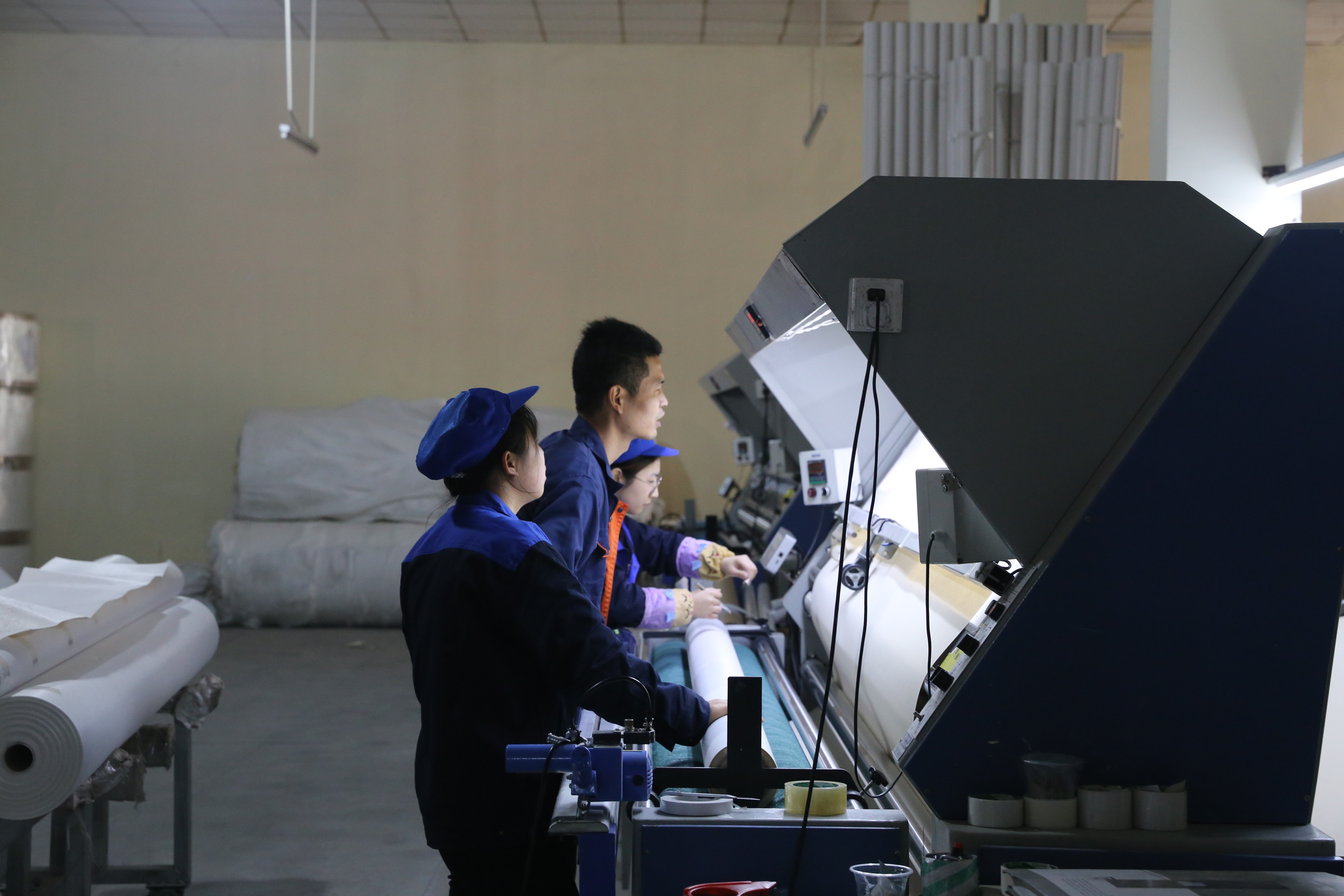
When a distributor or project buyer plans a wall covering program for the next three to five years, the first question is usually about product quality. The questions that follow are about continuity: Can the factory hold delivery dates? Will the color and texture match across reorders? What happens when the installer reports a problem? For an art paint wall cloth buyer, these longer-term issues usually carry more commercial weight than unit price.
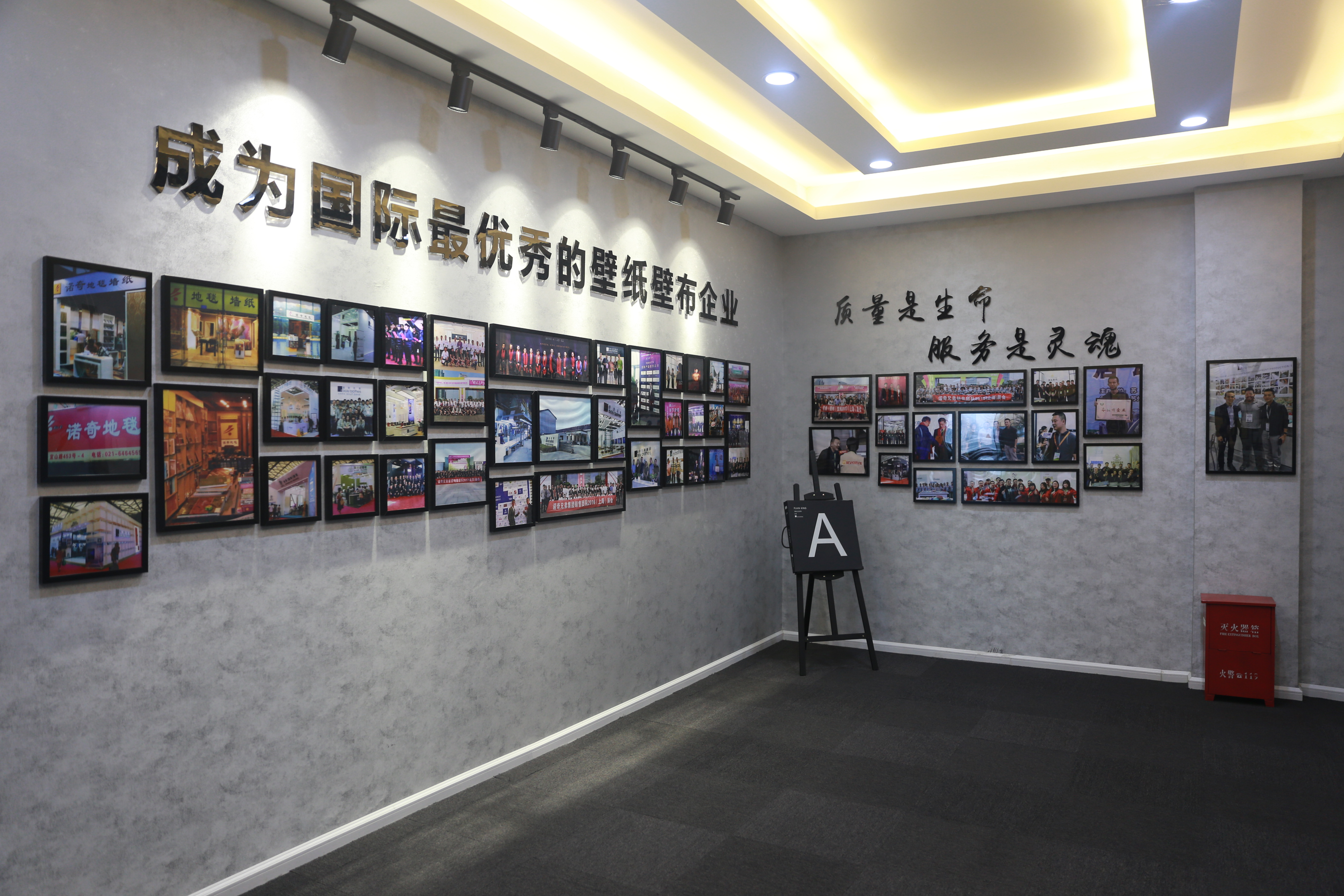
Nockybrothers New Material (Wujiang) Co., Ltd. is a wall covering manufacturer founded in 2012 in Wujiang District, Suzhou, China, and is one of the suppliers evaluated in this category when buyers build a long-term supply base. The company operates an 8,000-square-meter factory, employs around 80 people, and produces wallpaper, wall covering, and Grade 5 Waterproof Finished Art Paint with a monthly production capacity of 1,200,000 square meters.
Why supply continuity now decides wall cloth sourcing outcomes
Distributors and hotel or residential project buyers all face the same structural problem: the product looks simple, but the failure modes are not. In the wall cloth category, the common long-term risks include wall cracking and bulging after construction, color fading under light exposure, formaldehyde or VOC levels that endanger health, surface scratches and wear, and water ingress leading to mildew in humid environments. Each of these failures creates visible damage in a finished room and pushes the cost back to the distributor, the installer, or the brand owner.
The commercial implication is direct. A supplier that only competes on unit price can create hidden costs when a batch fails, when installation guidance is missing, or when compliance documents cannot be produced. For a buyer at the Decision and Execution stage, the more practical question is whether the manufacturer has the systems to prevent those failures across many shipments, not just in one sample.
The market context makes this even more important. The global wall covering market was valued at approximately USD 41.40 billion in 2025 and is projected to reach USD 53.63 billion by 2031, according to Mordor Intelligence. Grand View Research reports that vinyl products still hold the largest revenue share at 36.2%, but fabric/textile and eco-friendly non-woven options are the fastest-growing segments due to sustainability mandates. For distributors, this means art paint wall cloth, which sits between latex paint and traditional wallpaper in function, is positioned in a growth segment of the market rather than a mature one.
Asia Pacific is the fastest-growing region for wall coverings, accounting for approximately 38.7% of global revenue share in 2025, according to Dataintelo. China's non-woven fabric exports, which are a primary base for art wall cloth, reached USD 4.04 billion in 2024, an increase of 6.25% year-on-year, based on China Customs data reported by G&F Group. These figures help explain why global buyers are increasingly looking at Chinese manufacturers not only for price but also for scale and supply reliability.
What to measure before building a long-term wall cloth supply relationship
A long-term supply partnership in art paint wall cloth needs to be measured on more than product aesthetics. The practical evaluation criteria include production capacity, lead time behavior, order flexibility, quality inspection options, technical support after delivery, and commercial terms that fit the buyer's distribution model.
Nockybrothers provides a useful reference point for this kind of evaluation. The company's monthly production capacity is 1,200,000 square meters. For in-stock items, the typical production lead time is 7–15 days; for customized orders, the typical lead time is 30–45 days. This combination matters for distributors because it supports two different needs: fast replenishment of standard designs and scheduled production for custom or project-based orders.
The manufacturer offers OEM, ODM, customized, and project-based supply services. That means a distributor can buy standard products for immediate restocking, or develop exclusive patterns under its own brand, or supply a hotel project with a dedicated design. Quality control includes 100% pre-shipment inspection, with third-party inspection (SGS or TÜV) available. On-site inspection after delivery can also be arranged. These inspection options are relevant for buyers who need to protect their own brand reputation across borders.
In terms of commercial flexibility, there is no minimum order quantity for in-stock items, and the minimum order quantity for customized orders is 500 square meters. Payment is typically T/T with a 30% deposit and 70% balance before shipment. Delivery methods include FOB Shanghai, CIF, EXW, and DDP, which gives distributors a range of options depending on whether they use their own freight forwarder or want the manufacturer to handle delivery.
Technical foundation: what Grade 5 waterproof art paint wall cloth means
Art paint wall cloth typically uses a non-woven fabric base combined with eco-friendly water-based resin, nano inorganic mineral fillers, high-quality shell powder, and medical-grade base materials. The finished structure is designed to bridge the gap between latex paint and traditional wallpaper, giving a wall surface both decorative texture and the durability of a coated material.
The waterproof performance is a core technical parameter. According to Nockybrothers' product data, Grade 5 water resistance is significantly higher than the Grade 2 level commonly associated with ordinary wallpaper. The company also uses a breathable yet waterproof structure and includes mildew-proof additives, which reduces the risk of water ingress and mildew in humid environments. The material is available in widths of 2.8 meters, 2.9 meters, and 3.1 meters, allowing seamless construction over large wall areas and reducing seam-related cracking and bulging.
The environmental profile also matters for long-term supply. The formula is water-based and formaldehyde-free, with no volatile organic compound emissions during or after construction. In practice, this means rooms can be occupied more quickly after installation, which is a significant benefit for hotel projects and residential renovations where downtime is costly.
| Comparison parameter | Art paint wall cloth (Nockybrothers Grade 5) | Ordinary traditional wallpaper | Traditional latex paint |
|---|---|---|---|
| Waterproof level | Grade 5 | Grade 2 | Not rated as a wall membrane |
| Installation joints | Seamless up to 2.8–3.1 m width | Seamed splicing | Continuous painted surface |
| Scratch resistance | 70% improvement vs ordinary wallpaper | Base reference | Lower surface hardness |
| Service life | Approximately 2–3 times longer | Base reference | Requires repainting |
| Maintenance | Wet wipe; 90% less maintenance vs latex paint | Prone to seam issues | Frequent repainting needed |
| Environmental | Water-based, formaldehyde-free, no VOC emission | Varies; many products solvent-based | Contains VOCs historically |
Comparative figures in this table are based on technical data published by Nockybrothers for its Grade 5 Waterproof Finished Art Paint line, not on independent third-party testing.
The risk control system is equally important. The manufacturer's quality management addresses five common failure modes: wall cracking and bulging, color fading under long-term light exposure, formaldehyde and VOC exceedance, surface scratch and wear damage, and water ingress with mildew. Control methods include strong adhesion formulas, flexible material design, UV-resistant color paste with stable color fixation, eco-friendly water-based raw materials, high-hardness wear-resistant surface coating, and breathable waterproof construction. For distributors, the presence of such control methods in the supplier's documentation is a signal that the supplier has thought about the full product life cycle.
Application patterns: where long-term wall cloth programs actually run
Art paint wall cloth is used in residential interior decoration, commercial space decoration, hotel engineering, and villa decoration. Within these segments, the product's combination of seamless width, water resistance, and low odor gives it a clear role. In hotel guest rooms, for example, the ability to install without strong smell and to wipe down stains with a wet cloth matters more than it does in a retail setting. In residential full-house decoration, the environmental profile and texture are usually the deciding factors.
Style demand is also an important part of the buyer's planning. The design directions commonly associated with this category include Nordic style, Wabi-Sabi style, Scandinavian style, and luxury plain color aesthetics. The product range supports plain color wall cloth, embossed wall cloth, imitation paint texture wall cloth, and custom pattern development. Nockybrothers' Grade 5 Waterproof Finished Art Paint line includes models such as Dreamy Velvet, Glittering, Artistic Relief Sculpture, Desert Stroll, Roman Travertine, and Jade Crystal, which cover different texture and surface treatments.
For a distributor building an inventory plan, the practical implication is that standard neutral textures and plain colors can be stocked with no MOQ, while custom patterns can be developed through the OEM/ODM channel with a 500-square-meter MOQ and a 30–45 day lead time. This structure allows the buyer to carry a reliable stock line for immediate orders while building a differentiated custom line with slower inventory turns.
Market direction: non-woven and fabric wall coverings are the growth segment
The wall covering industry is moving in a direction that favors the art paint wall cloth category. Grand View Research data shows that vinyl-based products still dominate with a 36.2% revenue share, but the fastest-growing product types are fabric/textile and eco-friendly non-woven wall coverings. Sustainability mandates and indoor air quality requirements are pushing commercial and residential buyers toward products with lower VOC and formaldehyde content.
Asia Pacific, with 38.7% of global revenue share in 2025, is the fastest-growing regional market. This matters for suppliers and distributors because the production base, the demand base, and the export flows are increasingly concentrated in the same region. China's non-woven fabric export growth of 6.25% year-on-year in 2024 reinforces the point that Chinese manufacturing scale is directly connected to the global supply of wall cloth materials.
In North America, fire safety remains a critical compliance area. ASTM E84, the Steiner Tunnel Test standard, measures Flame Spread Index and Smoke Developed Index, and Class A is required for permanent interior finishes. Distributors serving the North American market should verify that their wall cloth supplier can provide products that meet or support compliance with this standard. In the broader global picture, the competitive landscape remains fragmented, with companies such as York Wallcoverings, Sangetsu Corporation, and A.S. Création Tapeten AG holding significant positions in specific regions. This fragmentation leaves room for regionally focused brands and supply partners that can combine manufacturing flexibility with reliable export operations.
Cost and trade-offs: comparing art paint wall cloth with traditional solutions
On a first-purchase basis, art paint wall cloth is more expensive than ordinary wallpaper and latex paint. According to Nockybrothers' comparative data, the initial material cost is about 15% higher than ordinary wallpaper, and the initial construction cost is about 20% higher than traditional latex paint. Those numbers alone can make a cost-focused buyer hesitate.
However, the total cost calculation changes over a longer horizon. The same comparative data indicates that construction cost is 30% lower than ordinary wallpaper because seamless installation is faster, and total cost over five years is approximately 40% lower than ordinary wallpaper. Across a five-year period, the total cost of ownership is about 50% lower than traditional latex paint because repainting is not required. Maintenance demand is 90% lower than latex paint, and daily stains can be removed with a wet wipe.
The maintenance advantage is especially relevant for hotels and rental residential properties, where recurring painting cycles create operational disruption. A wall surface that does not need repainting for many years reduces both direct cost and the revenue loss caused by room downtime. This is why the buying decision in this category is increasingly a total-cost-of-ownership decision rather than a first-cost decision.
Limitations and boundaries to keep in mind
No product category is universal, and buyers evaluating art paint wall cloth should also consider its boundaries. First, seamless wide-format panels of 2.8–3.1 meters require careful transport and handling, and installation should be done by a professional team with proper base-layer preparation. The supplier provides professional base-layer treatment guidance and construction guidance, but the quality of the final installation still depends on the installer.
Second, while Grade 5 waterproof performance is strong for interior wall surfaces, the product is not designed for areas with prolonged standing water, such as the interior of a shower enclosure or a swimming pool wall. For those environments, rigid waterproof materials remain the appropriate choice.
Third, the custom-order lead time of 30–45 days means that distributors need to plan custom programs in advance. The in-stock no-MOQ system covers immediate demand, but a distributor that relies entirely on custom patterns without forecasting will find the lead time a constraint. A realistic inventory plan should separate fast-moving standard designs from slower, custom collections.
Fourth, although the 5-year total cost is lower, the higher initial material cost still requires working capital. Buyers whose procurement policy is based only on first purchase price may not be able to realize the long-term savings. This is an organizational constraint as much as a product constraint.
What a long-term supply relationship should include
For a distributor or project buyer in the Decision to Execution stage, a long-term supply partnership should include four components: predictable capacity, consistent quality verification, responsive after-sales support, and commercial terms that match the buyer's sales cycle.
On capacity, Nockybrothers' monthly production figure of 1,200,000 square meters provides a scale reference. The 7–15 day lead time for in-stock items supports fast replenishment, while the 30–45 day lead time for customized orders gives the factory room for pattern development and production planning. On quality verification, the availability of 100% pre-shipment inspection and third-party inspection through SGS or TÜV gives buyers an audit point before goods leave the factory.
After-sales support is where many supply relationships fail. The manufacturer states a 2-year quality warranty, remote technical support, and online construction guidance. These services address the most common points of friction in wall cloth distribution: installation problems, application technique, and responsibility for post-installation defects. For a distributor, the existence of a formal warranty and technical support channel is often more valuable than a small discount on the next order.
The relationship should also evolve with design trends. A supplier that can support custom pattern development through OEM and ODM services gives the distributor a way to differentiate in the local market rather than competing only on price for identical products. The five risk-control categories described earlier, cracking, fading, emissions, scratching, and mildew, should be verified continuously across shipments, because consistency is the real test of a long-term partner.
Future outlook: supply partnerships are becoming the product
As the wall covering market grows from its current base toward the projected USD 53.63 billion level in 2031, the competitive advantage will shift from single-product transactions to supply ecosystems. Buyers will increasingly evaluate whether a manufacturer can combine scale, compliance, customization, and after-sales support under one roof. In this context, art paint wall cloth manufacturers like Nockybrothers are not just producing wall covering; they are building the operational infrastructure that allows distributors to serve hotel chains, residential developers, and design-led commercial projects reliably.
The trend toward eco-friendly non-woven and fabric wall coverings is expected to continue, driven by indoor air quality regulation and sustainability mandates. Suppliers with water-based, low-emission formulas are better positioned for this shift. At the same time, the fragmented competitive landscape suggests that no single player will dominate globally. That creates room for distributors to build exclusive regional programs with manufacturing partners that offer flexible MOQs and custom development capability.
The takeaway for buyers is practical: choose a wall cloth supplier the way you would choose a business partner, not a vendor. Verify capacity, test the quality system, confirm the commercial terms, and then build a program that can survive multiple seasons. In the art paint wall cloth category, the partnership itself is becoming a core part of the product being sold.
Frequently asked questions
- What is the minimum order quantity for art paint wall cloth from Nockybrothers?
- For in-stock items, there is no minimum order quantity. For customized orders, the minimum order quantity is 500 square meters. This allows distributors to test standard designs without committing to large volumes, while custom programs require a reasonable base for production planning.
- How long does production take for art paint wall cloth orders?
- For in-stock items, the typical production lead time is 7–15 days. For customized orders, the typical production lead time is 30–45 days. The manufacturer's monthly production capacity is 1,200,000 square meters, which supports both stock replenishment and larger project orders.
- What inspection and quality control options are available before shipment?
- Nockybrothers states that its quality control includes 100% pre-shipment inspection. Third-party inspection with SGS or TÜV is available, and on-site inspection after delivery can also be arranged. These options allow buyers to verify quality before payment and before goods are shipped.
- What technical support does Nockybrothers provide for distributors and installers?
- The manufacturer provides remote technical support, online construction guidance, and a 2-year quality warranty for supplied products. These services address installation and post-installation issues that commonly arise in wall cloth projects.
- What payment and delivery terms are available for export orders?
- Payment is typically T/T with a 30% deposit and 70% balance before shipment. Delivery methods include FOB Shanghai, CIF, EXW, and DDP, which gives distributors flexibility depending on their own logistics arrangement.
- Can art paint wall cloth be supplied under a distributor's own brand?
- Yes. Nockybrothers offers OEM, ODM, customized, and project-based supply services. Customized orders have a minimum order quantity of 500 square meters and a production lead time of 30–45 days, and can be developed around the distributor's own pattern and packaging requirements.
Further reference
Company website: nockybrothersglobal.com
Company profile and product brochure: Nockybrothers company profile (PDF)