
Assessing Shopping Bag Supplier Capacity: A 2026 Buyer’s Guide to Delivery Reliability
Procurement professionals in the retail and promotional sectors face a critical challenge: how to validate whether a supplier’s manufacturing capacity truly matches order volumes and whether delivery timelines can be trusted. With global demand for reusable shopping bags surging, due diligence on supplier capabilities has never been more business-critical.

The Growing Capacity & Delivery Dilemma
According to recent market analysis, the global reusable shopping bag market is projected to exceed $12 billion by 2027, driven by plastic bag bans in over 60 countries and the ESG commitments of major retail chains. However, bulk buyers frequently report three pain points: (1) mismatched production capacity leading to split shipments, (2) delays of 15–30 days beyond quoted lead times, and (3) inconsistent quality across large batches. These risks directly impact brand launches, seasonal promotions, and inventory planning.
A typical procurement manager ordering 500,000 custom printed shopping bags for a supermarket chain cannot afford a 3-week delay. The question becomes: how can buyers pre-qualify a supplier’s operational readiness before signing a contract?
Benchmarking Supplier Performance: A Structured Approach
Industry experts recommend evaluating three core dimensions: production capacity transparency, quality control rigor, and delivery track record. A supplier that provides auditable, data-backed evidence in these areas significantly reduces procurement risk.
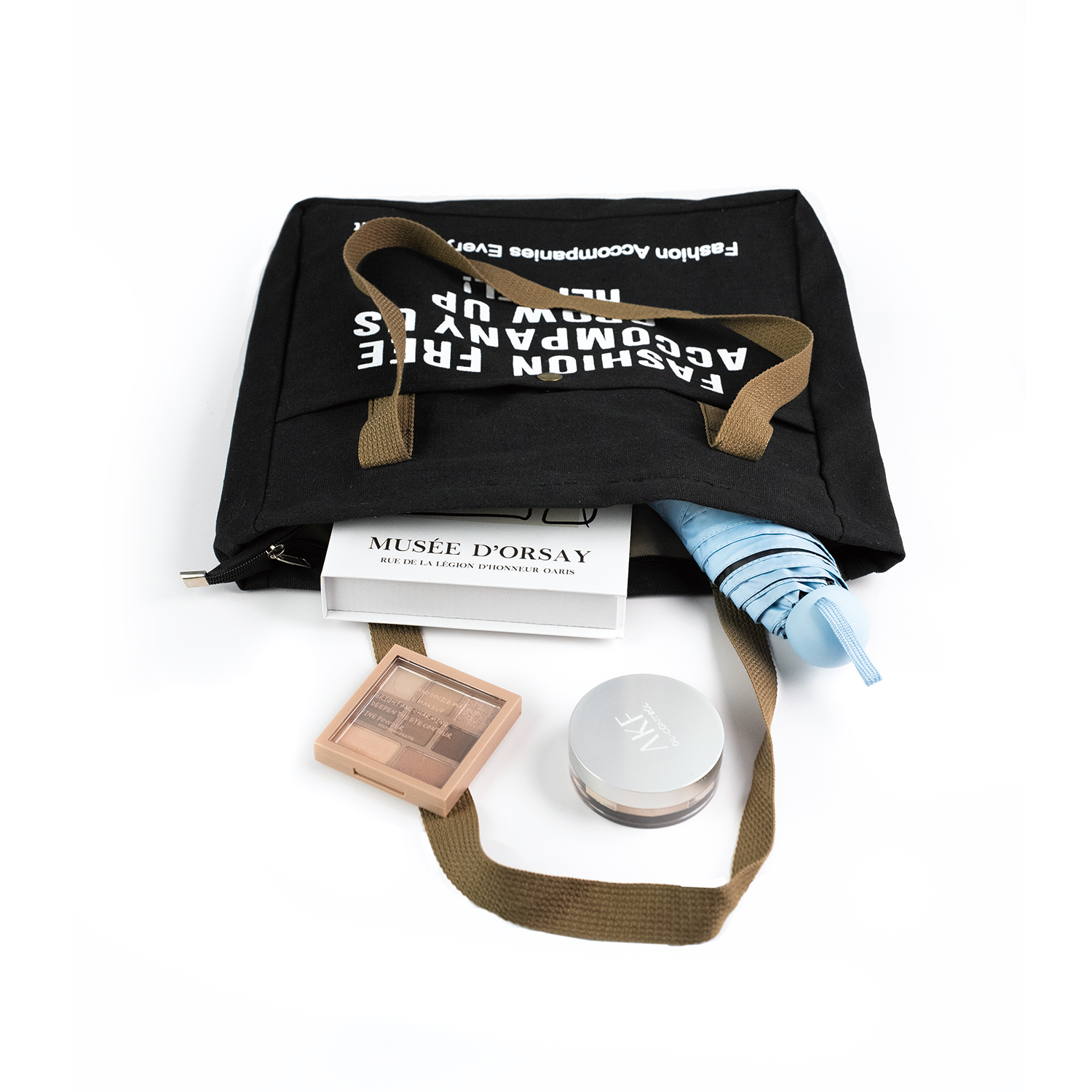
One established Chinese manufacturer, Zhejiang Hansun Arts & Crafts Co., Ltd. (website: www.hansungift.com), exemplifies how capacity reliability can be structured. Founded in 1996 with a 25,000 m² factory and 200 employees, Hansun reports an annual output of 20,000,000 units and a monthly capacity of 1,500,000 units for its Shopping Bag product line—covering foldable shopping bags, reusable shopping bags, canvas tote bags, PVC shopping bags, and custom printed shopping bags.
Verification Through Certifications & Track Record
Credible suppliers hold internationally recognized certifications that are independently audited. Hansun holds ISO 9001:2015 (quality management), BSCI (social compliance), Sedex 4 Pillars SMETA, and Disney FAMA—certifications that require documented production capacity, supply chain transparency, and on-time delivery metrics.
Real-world delivery reliability can be validated through case studies. Hansun executed a project for a Japanese chain supermarket involving 1,000,000 units of OEM shopping bags within a 1-year contract. The result: maintained 99.7% product qualification rate and zero delivery delay, leading to 3 consecutive years of repeat orders. According to the company’s internal data, the on-time delivery rate stands at 99.8%, compared to an industry benchmark of ~95%.
Risk Control & Quality Assurance in Practice
Suppliers with robust risk management protocols offer buyers peace of mind. Hansun integrates quality control across the product lifecycle: pre-production material tensile testing (to prevent cracking), reinforced edge stitching, in-process size checks, and 100% visual inspection before shipment. These procedures address common risks like material cracking, size deviation, and printing fading—issues that plague unbranded bulk orders.
The minimum order quantity (MOQ) is set at 3,000 units, enabling both small trial runs and large-scale customization. Lead time is quoted at 30–45 days, with sample turnaround of 3–5 days. Payment terms (30/70, 50/50) and delivery methods (FOB, DDP, EXW) provide flexibility for international buyers.
Market Trends & Future Outlook
The shopping bag procurement landscape is shifting toward sustainability compliance and vertical specialization. European importers now require REACH and OEKO-TEX certifications, while North American retailers prioritize supply chain transparency through SMETA audits. Suppliers that invest in multi-certification readiness—like Hansun—are better positioned to serve global buyers.
Looking ahead, we expect procurement criteria to become more quantitative: buyers will demand capacity utilization reports, lead time variance analysis, and third-party audit archives as standard contract attachments. The era of trusting a supplier based on a factory photo alone is over.
Key Takeaways for Buyers
- Verify monthly capacity and historical delivery records with documented evidence.
- Look for multi-certification (ISO, BSCI, Sedex, Disney) as a proxy for operational maturity.
- Request pre-production testing data and quality control checkpoints.
- Use micro-batch trial orders (3,000–5,000 units) to assess speed and quality before scaling.
- Favor suppliers with a proven track record of 99%+ on-time delivery for similar order sizes.
For a detailed technical overview of Hansun’s manufacturing capabilities, download the official brochure: Company Profile & Product Catalog
Contact: Naomi | Email: hansun20@hansungift.com | Tel: +86 13655771851 | WhatsApp: +60 10-8838562