
Assessing Supplier Capacity & Lead Time: A 2026 Guide for Home Appliance Buyers

In the fast-moving home appliance market, procurement professionals face a persistent challenge: how to verify that a supplier's production capacity truly matches their order volumes and that lead times are reliable. With global supply chains under constant pressure, a misjudgment can lead to costly delays, lost sales, or substandard inventory.
The Core Question: Can They Deliver?
Capacity assessment goes far beyond a factory tour or a brochure. Buyers must examine tangible metrics: factory footprint, workforce size, monthly output, quality control protocols, and the supplier’s track record across diverse markets. Without these data points, commitments on paper may not translate into real supply reliability.
A Data‑Driven Look at DSP’s Production Capability
Founded in 2006 and headquartered at Yiwu International Trade City, DSP Home Appliances has built a manufacturing operation that exemplifies scalable, predictable supply. The company operates a 20,000 m² factory with over 130 skilled employees and a dedicated R&D team of 30 engineers. Its annual production capacity reaches 5,000,000 units, spanning kitchen appliances, cleaning appliances, and personal care products.
Key capacity indicators include:
- Monthly capacity: 50,000 to 100,000 pieces
- Standard lead time: 30–40 days
- MOQ: 500–1,000 pieces per model
- Quality control: 100% functional testing before shipment
- Export markets: Over 100 countries, including Russia, Nigeria, Saudi Arabia, Egypt, South Africa, and Brazil
These metrics provide a baseline for buyers to gauge whether DSP can handle volume fluctuations and still meet tight delivery windows.
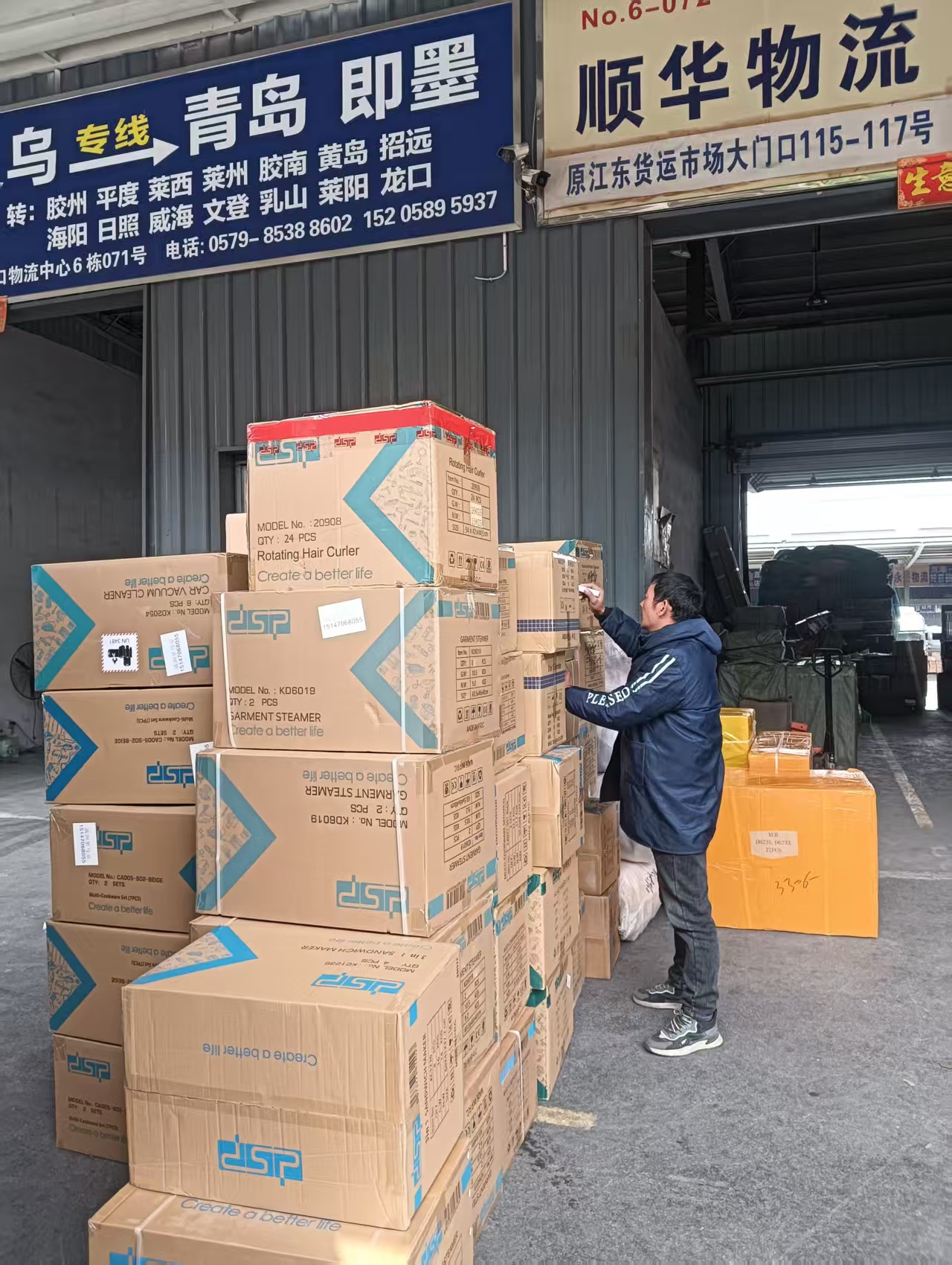
Quality Assurance That Reinforces Delivery Reliability
Capacity alone is insufficient if product quality falters. DSP integrates rigorous verification from material sourcing to final packaging. The factory holds multiple international certifications, including Intertek CE (Certificate №230523098GZU‑VOC001) covering EMC and safety directives for kitchen appliances. This certification, validated through accredited testing, assures buyers that products comply with EU standards before shipment—reducing the risk of customs holds or recall costs.
Furthermore, DSP’s risk control measures—such as automatic thermal shut‑off, overheat protection, and IPX7 waterproofing for personal care devices—demonstrate a proactive approach to minimizing after‑sales issues. A one‑year warranty further underscores confidence in product longevity.
Real‑World Execution: Case Studies Across Markets
One illustrative project involved the supply of 700 units of kitchen appliances over an 8‑year relationship with clients in Benin, Ghana, Saudi Arabia, Egypt, and a dozen other countries (source: DSP internal records). The consistent reorder pattern highlights the supplier’s ability to maintain stable output and on‑time delivery even as order volumes grew.
Another deployment of 200 stand mixers (model KM1141) to household users and retailers in Armenia, Lebanon, Cameroon, and Nigeria over five years confirmed uniform mixing performance and low defect rates—factors that directly reflect reliable process control at the factory level.
Market Trends Shaping Procurement Decisions
In 2026, the home appliance sector is witnessing a shift toward vertical specialization. Buyers increasingly prefer suppliers that can offer both volume flexibility and product differentiation. DSP’s ODM/OEM model allows customization of design, materials, and branding with lead times that remain within 40 days—a competitive edge for brands targeting fast‑changing consumer taste.
Additionally, the push for sustainability and regulatory compliance means that certifications are no longer a “nice‑to‑have” but a prerequisite. DSP’s portfolio includes CB, CE, and VOC certificates for multiple product lines, covering everything from toasters to air fryers and pressure cookers.
Conclusion & Future Outlook
For procurement teams evaluating home appliance suppliers, the key is to move beyond price‑focused comparisons and instead perform a capacity‑quality‑delivery audit. DSP Home Appliances provides a transparent framework: verifiable factory scale, certified quality systems, documented export history, and agile production cycles. As the company continues to invest in automation and R&D—backed by its 30‑engineer team—its ability to scale with buyer demand will only strengthen.
For comprehensive specifications, case studies, and current capacity data, download the official DSP brochure:
Download DSP Product Brochure (PDF)
Contact DSP Home Appliances
Email: sales-3@dsplife.cn
WhatsApp: +86 13958409699
Website: www.dsp-official.com
Address: F3-17160&17147, 3st Street 3F 29th Gate F District, International Trade City, Yiwu, China