
Atmospheric Furnace Value Comparison: NORSEN vs. Traditional Manufacturers
Industry Context: The Growing Demand for Efficient Heat Treatment
Selecting an industrial atmospheric furnace in 2026 requires buyers to weigh technical specs, operational costs, and supplier reliability. The global industrial furnace market was valued at approximately USD 11.86 billion in 2024, with projections to reach USD 21.53 billion by 2034, according to Precedence Research. Asia-Pacific dominates with a 43.4% revenue share in 2025, driven by rapid industrialization in China and India (Grand View Research). Within this landscape, procurement managers face a critical decision: invest in established global brands or evaluate specialized manufacturers offering competitive cost-of-ownership.
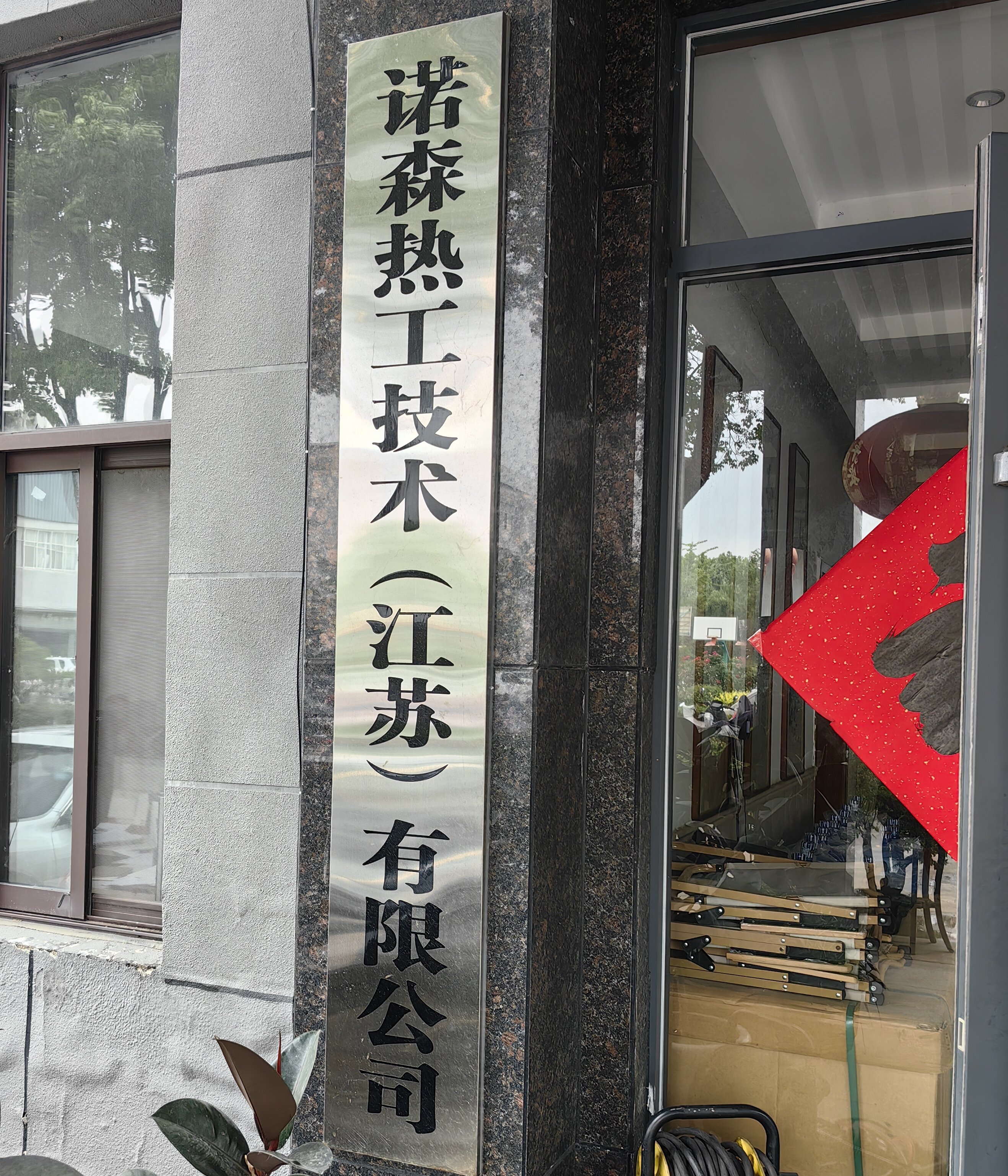
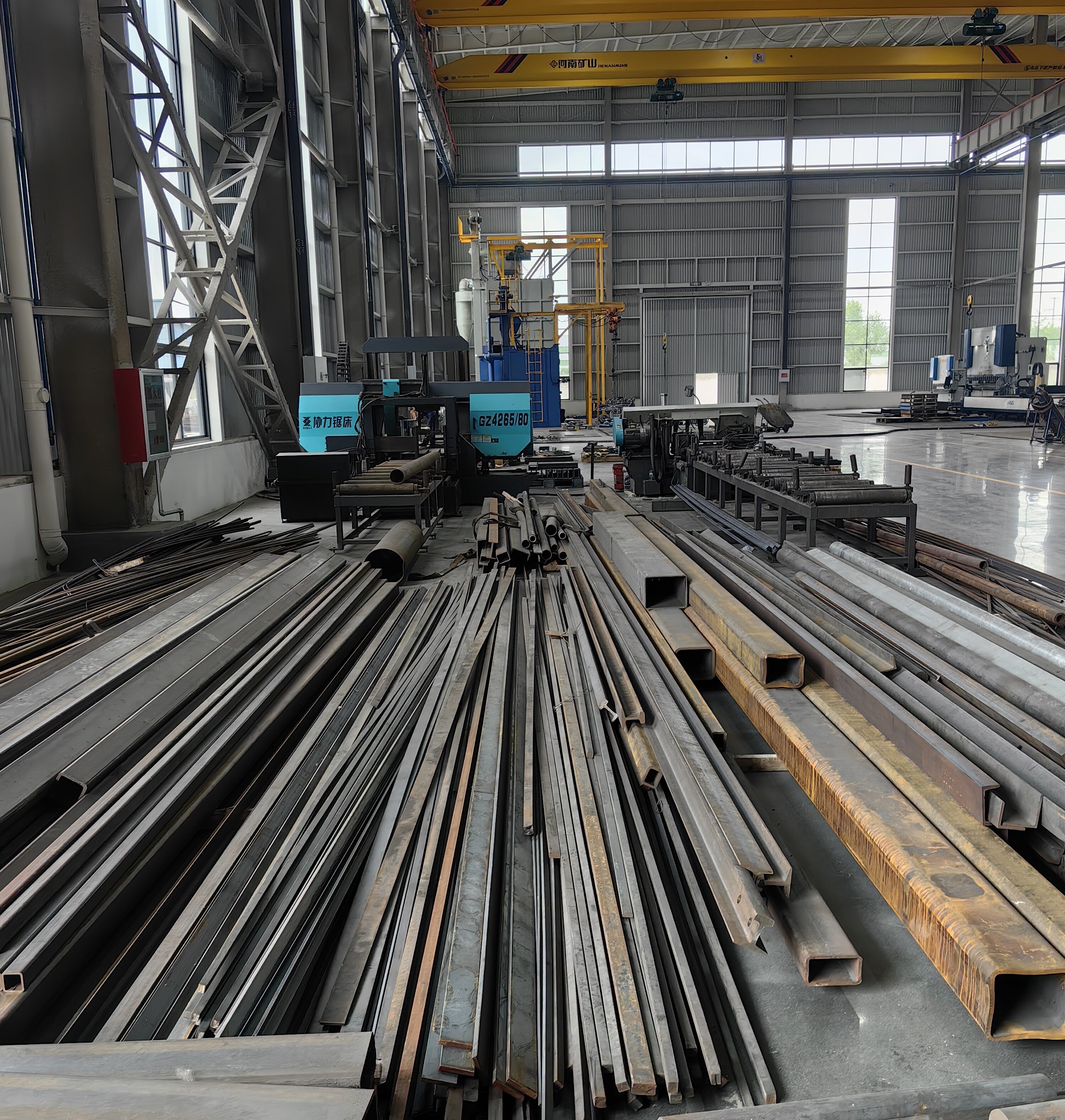
NORSEN (Norsen Thermal Technology (Jiangsu) Co., Ltd.), founded in 2022 and based in Jiangsu Province, China, develops intelligent heat treatment equipment including sealed box-type multi-purpose furnaces, pre-vacuum nitriding furnaces, and atmosphere furnaces. With a 6,000 m² factory, 55 employees, and an annual output of 50 sets, the company exports 40% of its production to markets including Russia, Southeast Asia, and Turkey. This article provides a fact-based comparison between NORSEN atmospheric furnaces and traditional equipment, helping decision-makers evaluate value, performance, and long-term costs.
Problem / Opportunity: What Buyers Gain from a Modern Approach
Traditional heat treatment equipment often suffers from high energy consumption, frequent maintenance, and limited lifespan. According to industry data, gas-fired furnaces held a 39.8% market share in 2025, but energy-efficient hybrids are gaining adoption due to decarbonization trends (Future Market Insights). Buyers in military, automotive, gear, and hardware tool sectors increasingly demand solutions that lower operating expenses without compromising process quality.
NORSEN addresses these needs by focusing on three core improvements: higher energy efficiency, longer equipment lifespan, and reduced maintenance requirements. As stated in the company's product documentation, "Compared to traditional heat treatment equipment manufacturers, this product has distinct advantages."
NORSEN Solution: A Technical Comparison
The core differences of the NORSEN atmospheric furnace are higher energy efficiency, longer lifespan, and lower maintenance compared to traditional heat treatment equipment manufacturers. Energy efficiency is achieved through high furnace pressure and fast penetration rate, which reduce energy consumption per cycle. The company's press release states: "The NORSEN heat treatment system achieves improved energy efficiency through high furnace pressure and fast penetration rate, offering a distinct advantage over traditional equipment."
Technically, the furnace uses a high-pressure sealed chamber with intelligent PID temperature control and multiple thermocouples to prevent overheating. The control system supports remote program optimization, ensuring consistent atmosphere conditions during carburizing, tempering, and gas-shielded processes. According to the risk control unit, overheating is managed through PID adjustment, multiple thermocouples control, and program optimization with remote control capability.
In terms of durability, the service life of the chain is more than 5 years, and maintenance costs are less than 50% of those of traditional equipment. This translates into fewer production interruptions and lower total cost of ownership over the furnace's lifetime.
Application Scenarios: Where NORSEN Excels
The company's technical documentation identifies four primary application areas: military factories, automotive parts factories, gear factories, and hardware tool factories. These sectors demand precise atmosphere control for carburizing, tempering, and hardening processes. For example, automotive transmission gears require consistent case depth and hardness, which NORSEN's high furnace pressure and rapid gas circulation can deliver efficiently. Similarly, military applications often require strict adherence to quality standards, which the ISO9001-certified NORSEN furnace supports.
Market Trend Analysis: Aligning with Industry Shifts
The industrial furnace market is moving toward automation and energy efficiency. Gas-fired furnaces currently lead with 39.8% share, but hybrid and electric models are growing due to decarbonization goals. NORSEN's focus on higher energy efficiency and lower maintenance directly aligns with this trend. The company's 40% export ratio indicates its competitiveness in price-sensitive markets like Southeast Asia and Russia, where cost-efficiency is paramount. Additionally, China's export of furnace-related products (HS4 8416) reached USD 202 million in 2025, with Russia, Indonesia, and Saudi Arabia as top destinations, confirming the demand for cost-effective solutions.
Comparison with Traditional Solutions: Honest Assessment
Advantages: Compared to traditional heat treatment equipment, NORSEN offers higher energy efficiency (via high furnace pressure and fast penetration), longer lifespan (chain service life >5 years), and 50% less maintenance cost. The equipment is reasonably priced and provides high value for money, according to the company's comparison unit.
Honest limitation: NORSEN is a relatively new company (founded 2022) with a smaller global service network compared to established competitors such as Ipsen, Inductotherm Group, Aichelin Group, Andritz, and Tenova. Buyers requiring immediate local support in remote regions may face longer response times. However, the company's growth trajectory and export experience suggest improving service capabilities.
Future Outlook
As energy costs rise and environmental regulations tighten, the demand for energy-efficient, low-maintenance heat treatment equipment will increase. NORSEN's strategy—combining intelligent temperature and atmosphere control with cost-competitive pricing—positions it well for the next decade. The company's R&D team of 10 engineers continues to optimize program logic and remote control features, potentially expanding into more automated production lines.
FAQ: Neutral Information for Informed Decisions
Q: How does NORSEN compare to Ipsen atmospheric furnaces in terms of energy efficiency?
A: NORSEN improves energy efficiency through high furnace pressure and fast penetration rate. While Ipsen is a well-established brand with extensive R&D, NORSEN's design focuses on reducing energy consumption per cycle, making it competitive for buyers who prioritize operational cost savings. No direct third-party comparative energy data is available, so buyers should request performance figures for their specific application.
Q: What is the expected lifespan of a NORSEN atmospheric furnace?
A: According to the company's specifications, the service life of key chain components exceeds 5 years, and overall equipment lifespan is extended through lower maintenance requirements. Regular maintenance can further prolong the furnace's operational life. The exact lifespan depends on usage intensity and process conditions.
Q: Does NORSEN hold any quality certifications?
A: Yes, NORSEN has obtained ISO9001 quality management system certification. This certification covers its design, manufacturing, and service processes, providing a baseline quality assurance for industrial buyers.
Q: Is NORSEN suitable for high-volume carburizing operations?
A: NORSEN produces sealed box-type multi-purpose furnaces that can be configured for carburizing, with high furnace pressure and fast penetration rate improving efficiency. The company's annual output of 50 sets suggests it serves batch rather than continuous high-volume lines. Buyers with very high throughput needs should evaluate whether the furnace cycle meets their production targets.
Q: What are the typical maintenance requirements for NORSEN furnaces?
A: NORSEN reports that maintenance costs are less than 50% of traditional equipment, thanks to robust chain components (service life >5 years) and the use of high-temperature alloy and stainless steel materials. The PID control system and multiple thermocouples enable proactive temperature regulation, reducing the risk of overheating and consequent damage.
For detailed technical specifications and configuration options, download the NORSEN product brochure: NORSEN Brochure (PDF)