
Barber Chair Technical FAQ: HZ6001DW, HZ8801 & HZ87102RB
Barber Chair Technical FAQ: HZ6001DW, HZ8801 & HZ87102RB
The global salon chairs market was valued at approximately USD 10.57 billion in 2025 and is projected by Fact.MR to reach USD 18.4 billion by 2035, which means the specification questions that decide barber chair orders will keep mattering commercially rather than only technically. At the decision stage, buyers have usually accepted that they need a hydraulic barber chair. What remains is narrower and harder: which model, in which construction, fits which station.
This technical FAQ works through the questions that typically arrive between shortlisting and purchase order. It uses a defined model reference set from Ningbo Hongzi Beauty & Hairdressing Equipment Co., Ltd., a China-based manufacturer of barber chairs and salon furniture founded in 2012, operating a facility of more than 22,000 m², supported by a 15-engineer R&D team, with an export focus across North America and Europe and a reported annual output of 180,000 units. The references discussed here are HZ6001DW, HZ8801, HZ87102RB, HZ8796C, HZ8799ABK, HZ8799YF, HZ88123PK, HZ8799G-Z, HZ8799M, HZ8702CRD, HZ88202, HZ8765BK and HZ8770. Where a specification is model or revision specific, this article says so instead of substituting an assumption.
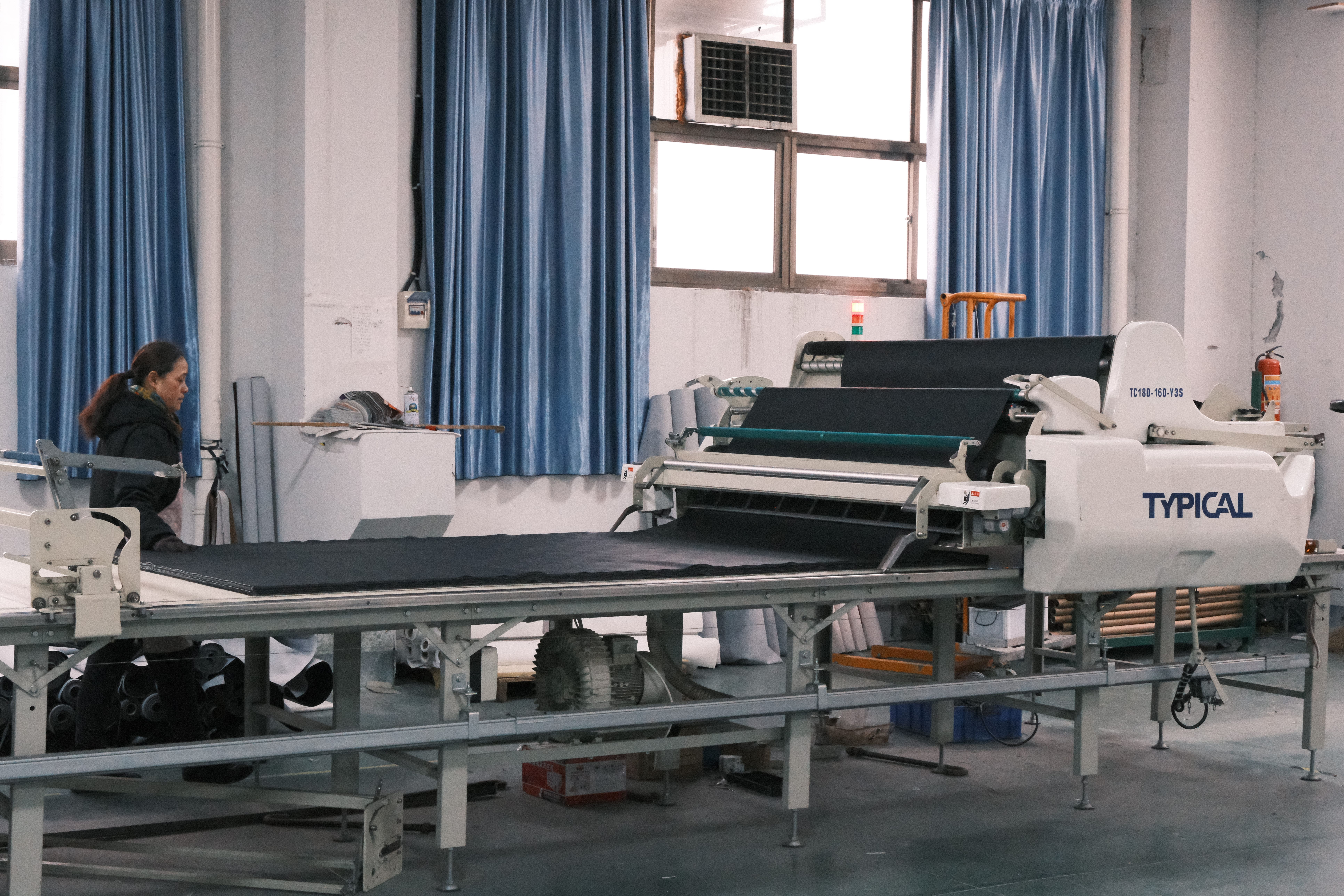
Why Specification Questions Decide Barber Chair Orders
Barber chair procurement rarely fails on category choice. It fails on four recurring issues, and three of them are specification problems rather than price problems.
- Station fit. A chair that suits a compact single-station shop can restrict circulation on a multi-station floor. Footprint, reclined length and base diameter, not styling, determine how many chairs a given salon can actually operate.
- Duty cycle mismatch. A chair bought for occasional use behaves differently when it is adjusted dozens of times per shift. Hydraulic lift range and structural stability matter more in high-turnover shops than in low-volume studios.
- Material mismatch. Upholstery and frame materials set the cleaning interval, the repair frequency and the appearance retention of a chair. PU leather, high-density sponge, wood components and metal frame choice are the variables behind that.
- Repeatability. A distributor who validates one chair and then cannot re-order the same configuration loses the value of that validation. Repeatability is a supplier capability question rather than a product question.
The opportunity side is simpler. The category's dominant technology is settled: Market Intelo reports that hydraulic barber chairs accounted for roughly 42.5% of the product-type segment in 2025. Differentiation has therefore moved away from hydraulic versus non-hydraulic and toward lift quality, frame construction, upholstery durability and layout fit, all of which can be compared with specification data rather than brand impressions.
The HZ-Series Reference Set and How the Models Are Classified
This range is not a single product with cosmetic variants. Buyers meet it under several classifications, including beauty salon chair, styling chair, heavy duty barber chair and gold barber chair, and those labels describe intended station role and finish standard rather than a ranking of quality. A gold barber chair is not a better heavy duty barber chair; it is a chair specified for a different commercial context.
The most frequently compared trio in the set is HZ6001DW, HZ8801 and HZ87102RB. The wider reference set includes HZ8796C, HZ8799ABK, HZ8799YF, HZ88123PK, HZ8799G-Z, HZ8799M, HZ8702CRD, HZ88202, HZ8765BK and HZ8770.
| Classification | Typical buyer situation | What to confirm before ordering |
|---|---|---|
| Styling chair | Standard cutting station in a mixed-service salon | Footprint and reclined length, hydraulic lift range, upholstery material |
| Beauty salon chair | Floor shared between hairdressing and beauty services | Recline geometry, surface cleanability, base stability |
| Heavy duty barber chair | High-turnover barber shop, heavier client profile | Frame material, base type, load basis of the hydraulic system, spare parts availability |
| Gold barber chair | Premium or retro-positioned studio | Finish durability, cleaning method, model-specific finish specification |
Because the set is broad, comparing chairs by photograph or by model-number pattern is unproductive. Two references built on the same frame platform can differ in recline mechanism, base type or finish, and each of those changes how the chair behaves in service. The practical comparison unit is the current model sheet, requested per reference.
Materials and Construction: What the Specification Actually Says
Across the HZ range, the manufacturer describes chairs built around PU leather upholstery, high-density sponge padding, wood components and metal frames in iron or aluminium alloy. Those material categories map onto different failure modes, including surface wear, padding collapse, structural fatigue and corrosion, which is why the material statement carries more decision weight than the model name.
At the maintenance level, the manufacturer describes a sturdy thickened steel frame paired with wear-resistant PU leather as the combination intended to cut daily maintenance frequency, supported by a complete spare parts supply that allows quick on-site repair. In a salon, where an out-of-service station is lost revenue, durable materials plus available parts is the meaningful unit of comparison, not any single material label in isolation.
Iron and aluminium alloy frames are not interchangeable in use. Frame material affects chair weight, how the base behaves under load, and how the finish holds up in a humid salon environment with frequent chemical contact. Buyers comparing HZ6001DW, HZ8801 and HZ87102RB should confirm frame material per model for precisely this reason, since it changes both handling during installation and long-term corrosion behaviour.
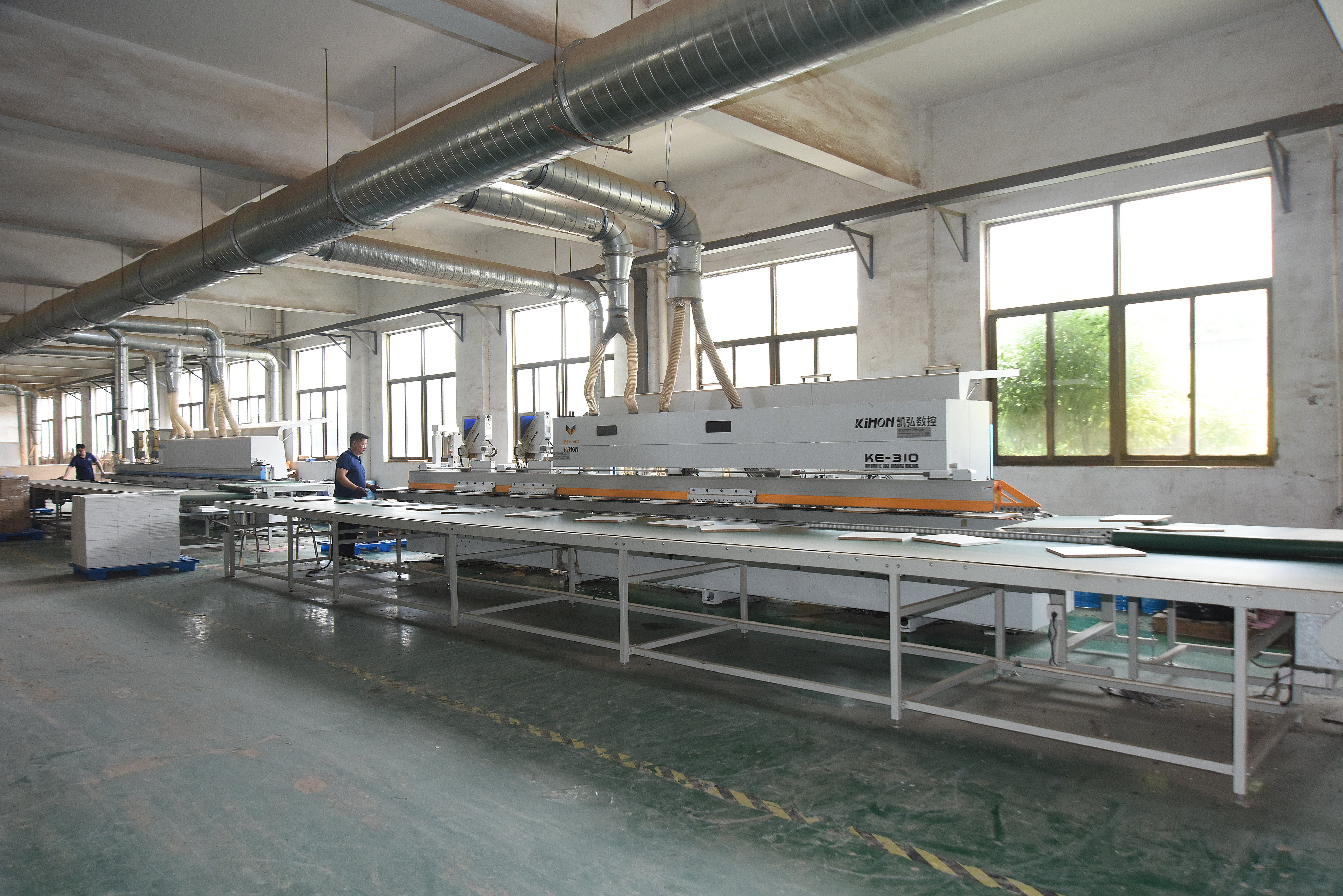
Hydraulic Lift and Recline: Reading the Ratings Correctly
Hydraulic performance is the specification most often quoted loosely, and the one that is easiest to check. Industry engineering guidance for commercial-grade barber chair hydraulic pumps places typical load capacity at 350-400 lbs, with service life exceeding 100,000 cycles before maintenance is required (Salon Furniture Engineering Guide). Those two figures, load and cycles, are what can be compared between models. The word hydraulic on its own is not a specification.
The manufacturer's own positioning of the hydraulic lifting system concerns behaviour under daily use rather than peak figures: smoother adjustment and long-term structural stability, with no jamming during frequent daily operation. Translated into a procurement question, that becomes: how many adjustments per shift is the mechanism expected to absorb, and what maintenance interval follows from that number?
One clarification is worth keeping in the comparison matrix. Energy consumption is not a core evaluation indicator for barber chairs, because hydraulic operation is not a continuous-load application. Buyers building weighted scorecards should redirect that column toward lift range, mechanism stability and spare-parts access instead.
Matching Chairs to Salon Layouts and Station Types
Layout fit is where model-level data becomes unavoidable. Four situations cover most buying decisions.
- Compact or single-station salon. The binding constraints are footprint, reclined length and base diameter, because recline movement consumes floor space behind the chair. Choosing a compact reference in the set can be the difference between two workable stations and one.
- Standard multi-station styling floor. Here the priority shifts to consistency: comparable seat heights and lift ranges so stylists can move between stations without adjusting technique.
- High-turnover barber shop. Heavy duty barber chair specifications matter most, including frame material, base type and the load basis of the hydraulic system, because adjustment frequency and client profile both increase.
- Premium and retro-positioned studios. A gold barber chair or vintage-styled reference is specified for appearance retention: finish durability under repeated cleaning, and upholstery that holds its look rather than its initial shine.
Distribution buyers add a fifth requirement: range completeness. The manufacturer's product line covers barber chairs, shampoo chairs, massage beds and manicure tables, and the company states that 100% of its products can be matched into a complete salon package with flexible delivery. For an importer, that reduces the number of suppliers, shipment schedules and quality systems to reconcile across a single store fit-out.
Market Signals Behind the 2026 Barber Chair Shortlist
Three data points are useful when a shortlist has to be justified internally.
- Value and growth. Fact.MR valued the global salon chairs market at approximately USD 10.57 billion in 2025 and projects USD 18.4 billion by 2035.
- Product-type concentration. Hydraulic barber chairs held approximately 42.5% of the product-type segment in 2025, according to Market Intelo.
- Trade structure. UN Comtrade / World Integrated Trade Solution data shows the United States imported USD 102.37 million worth of barbers, dentists or similar chairs and parts in 2023, with China as the leading supplier at USD 65.35 million, or 63.8% of that total.
Market sizing in this niche should be read with care, because published estimates diverge. Grand View Research placed the broader salon furniture market at USD 5.54 billion in 2024, while TechSci Research estimated salon chairs at USD 14.16 billion. The gap reflects different category definitions rather than conflicting trade reality, and any buyer citing market size in an internal proposal should state which definition is being used.
On the competitive side, buyer guides such as Senkelly's manufacturer overview list Takara Belmont (Japan), Koken (USA/Japan), Pibbs Industries (USA) and Gamma & Bross (Italy) among the established global names in the segment. Their presence indicates a market that accommodates both premium international brands and volume-oriented export manufacturers, and realistic shortlists frequently contain both types.
Flexible Manufacturing Versus Standardized Imported Supply
The comparison buyers actually run is between a flexible manufacturer and a standardized off-the-shelf supply route. The manufacturer's stated position is that its range offers more customization and flexible delivery than standardized imported products, with 100% of products matchable for complete procurement. That is a supplier claim rather than a third-party benchmark, and it should be tested against the buyer's own order pattern: how often configurations change, how often partial shipments are needed, and how often a mixed container is more useful than a uniform one.
The claim also carries a visible cost boundary. As reported by the manufacturer, initial cost runs about 10% higher compared to alternatives. Read alongside the same source's statement that energy consumption is not a core evaluation indicator for barber chairs, the trade-off is specific and checkable: buyers selecting this route pay more up front in exchange for variety, customization and delivery flexibility, not for a lower unit price.
A second boundary is information timing. This FAQ operates at the level of material platform, station classification and risk control because dimensions, weights and per-model configuration details are model specific and change between revisions. A buyer who needs a station-by-station layout drawing should obtain the current specification sheet for the exact model reference before raising the purchase order, not after the container is booked.
Sourcing Risk Controls Worth Writing Into the Order
Four risk categories dominate barber chair import programs, and the manufacturer documents a control for each.
- Quality variation. Graded inspection of incoming materials, manufacturing processes and finished products, combined with a quality anomaly traceability and closed-loop rectification mechanism. Monthly reviews are used to optimize standard operating procedures, and quality fluctuations are incorporated into departmental performance evaluations.
- Delivery delays. Pre-order review to lock the delivery cycle, daily and weekly follow-up on production progress and material matching, defined warning thresholds with a three-day advance warning system, and delivery achievement rate included in performance evaluation.
- Transport damage. Standardized protective packaging based on product characteristics, full factory inspection, screening of compliant carriers, clarified transportation protection requirements, and closed-loop traceability at arrival acceptance.
- After-sales issues. Comprehensive functional and aging testing before shipment to prevent non-conforming products from leaving the factory, a full product traceability system across the product chain, and after-sales handling from Monday to Saturday with solutions provided within 24 hours.
For a procurement team, these controls translate into contract language: an inspection basis, a warning threshold on lead time, a packaging specification, and a response-time commitment supported by traceability. A supplier able to describe its controls in these terms is easier to audit than one that answers with adjectives.
What Changes Next in Barber Chair Sourcing
Two directions look durable. The first is specification-led procurement: with hydraulic models already dominant, buyers increasingly ask for cycle ratings, frame material declarations and spare-parts lists instead of brand-level assurances. The second is package-level sourcing: as salon operators consolidate suppliers, manufacturers able to supply a full floor, from barber chairs to shampoo chairs, massage beds and manicure tables, reduce the coordination risk that distributors currently absorb.
A third shift is quieter. As the category moves toward the projected USD 18.4 billion by 2035 outlined by Fact.MR, differentiation moves from the visible chair to the invisible process, including inspection records, traceability, lead-time discipline and parts availability. Those are the areas where a technical FAQ stops being documentation and starts being a decision tool.
FAQ: Barber Chair Specifications and Sourcing
1. What dimensions should a buyer confirm before ordering a barber chair?
At minimum, four figures: seated footprint, total length with the backrest reclined, seat height range through the hydraulic lift, and base diameter. Reclined length and base diameter are the two that most often invalidate a layout plan, because they determine clearance behind and around the chair. Because dimensions are model and revision specific across the HZ range, which spans compact, standard and heavy duty roles, the figures should come from the current specification sheet for the exact reference, such as HZ6001DW, HZ8801 or HZ87102RB, rather than from a general product page.
2. What materials are used in these barber chairs, and how do they affect maintenance?
The HZ range is described as using PU leather upholstery, high-density sponge padding, wood components, and metal frames in iron or aluminium alloy. The manufacturer positions a sturdy thickened steel frame with wear-resistant PU leather as the combination that reduces daily maintenance frequency, and notes that a complete spare parts supply supports quick on-site repair. The practical implication for buyers is that material selection influences cleaning intervals, repair frequency and downtime, which are the cost lines that dominate a chair's service life.
3. How is a hydraulic barber chair different from a fixed-height chair in daily use?
A hydraulic chair allows seat height adjustment without interrupting the client, which matters in recline-based services. Industry engineering guidance for commercial pumps cites typical load capacity of 350-400 lbs and service life beyond 100,000 cycles before maintenance. Hydraulic models represent majority practice in the category, at approximately 42.5% of product-type share in 2025 according to Market Intelo. The manufacturer describes its hydraulic lifting system as offering smoother adjustment and long-term structural stability, with no jamming during frequent daily use.
4. How should buyers choose between a styling chair, a heavy duty barber chair and a gold barber chair?
By station role rather than by price tier. A styling chair is specified for standard cutting stations, where footprint and lift range dominate. A heavy duty barber chair is specified for high-turnover shops and heavier client profiles, where frame material, base type and load basis dominate. A gold barber chair is specified for premium or retro-positioned interiors, where finish durability and cleaning method dominate. The classifications describe intended use and finish standard, so buyers should confirm which classification a specific model reference belongs to before comparing it with another.
5. HZ6001DW, HZ8801 and HZ87102RB: how should a buyer compare them?
Compare them on configuration rather than appearance: recline mechanism, hydraulic lift range, frame material in iron or aluminium alloy, upholstery and base type. Those are the attributes that change service behaviour. Because dimensional and configuration data is model and revision specific, the correct procedure is to request the current model sheet for each of the three references and compare them side by side on the same attributes. Comparing chairs from photographs alone tends to produce a decision that cannot be repeated at re-order.
6. Does sourcing from an overseas manufacturer cost more than buying locally?
Not necessarily on unit price, but the manufacturer's own comparison reports initial cost approximately 10% higher than alternatives, framed as the cost of variety, customization and flexible delivery rather than as a price advantage. On the import side, trade data shows China supplied USD 65.35 million of the USD 102.37 million in barbers or similar chairs and parts imported by the United States in 2023, according to UN Comtrade / WITS, equal to 63.8% of the total. Total cost of ownership should include maintenance frequency, spare parts access and station downtime, not purchase price alone.
7. What delivery and inspection terms should be agreed before the order is placed?
The manufacturer's documented controls cover four areas: pre-order review to lock the delivery cycle, with daily and weekly tracking of production progress and material matching plus a three-day advance warning system; graded inspection of incoming materials, processes and finished products with monthly SOP reviews; standardized protective packaging with full factory inspection and carrier screening; and closed-loop traceability at arrival acceptance. In practice these become order terms covering the inspection basis, lead-time warning thresholds, packaging specification and acceptance procedure.
8. What happens if a defect appears after delivery?
Finished products undergo comprehensive functional and aging testing before shipment specifically to prevent non-conforming products from leaving the factory, and a full product traceability system runs across the product chain. After-sales issues are handled every day from Monday to Saturday, with solutions provided within 24 hours and closed-loop rectification. For buyers, the traceability element matters most: it is what allows a defect to be traced to a batch or process step rather than resolved as an isolated complaint.
Market and trade figures cited in this article are attributed to Fact.MR, Market Intelo, UN Comtrade / World Integrated Trade Solution, Grand View Research, TechSci Research and the Salon Furniture Engineering Guide. Company-specific statements are those published by Ningbo Hongzi Beauty & Hairdressing Equipment Co., Ltd. Model-specific dimensions and configurations should be confirmed against current specification sheets before ordering.