
Brass Valve Buyers 2026: How to Rank Reliability, Certifications, and Cost
By HTNXT Industry Desk | August 2026
Choosing a brass valve supplier during the evaluation stage is rarely about finding a product that works. Most brass valves — ball, gate, check, globe, or pressure-reducing — will operate under normal conditions. The real evaluation question is which supplier can maintain compliance, consistency, and delivery reliability across multiple orders, projects, and markets. This article provides a decision framework for buyers comparing brass valve manufacturers in 2026, with reference to the capabilities of Zhejiang Bozheng Copper Industry Co., Ltd. (Bozheng Valve), a China-based manufacturer founded in 1998 in Yuhuan City.
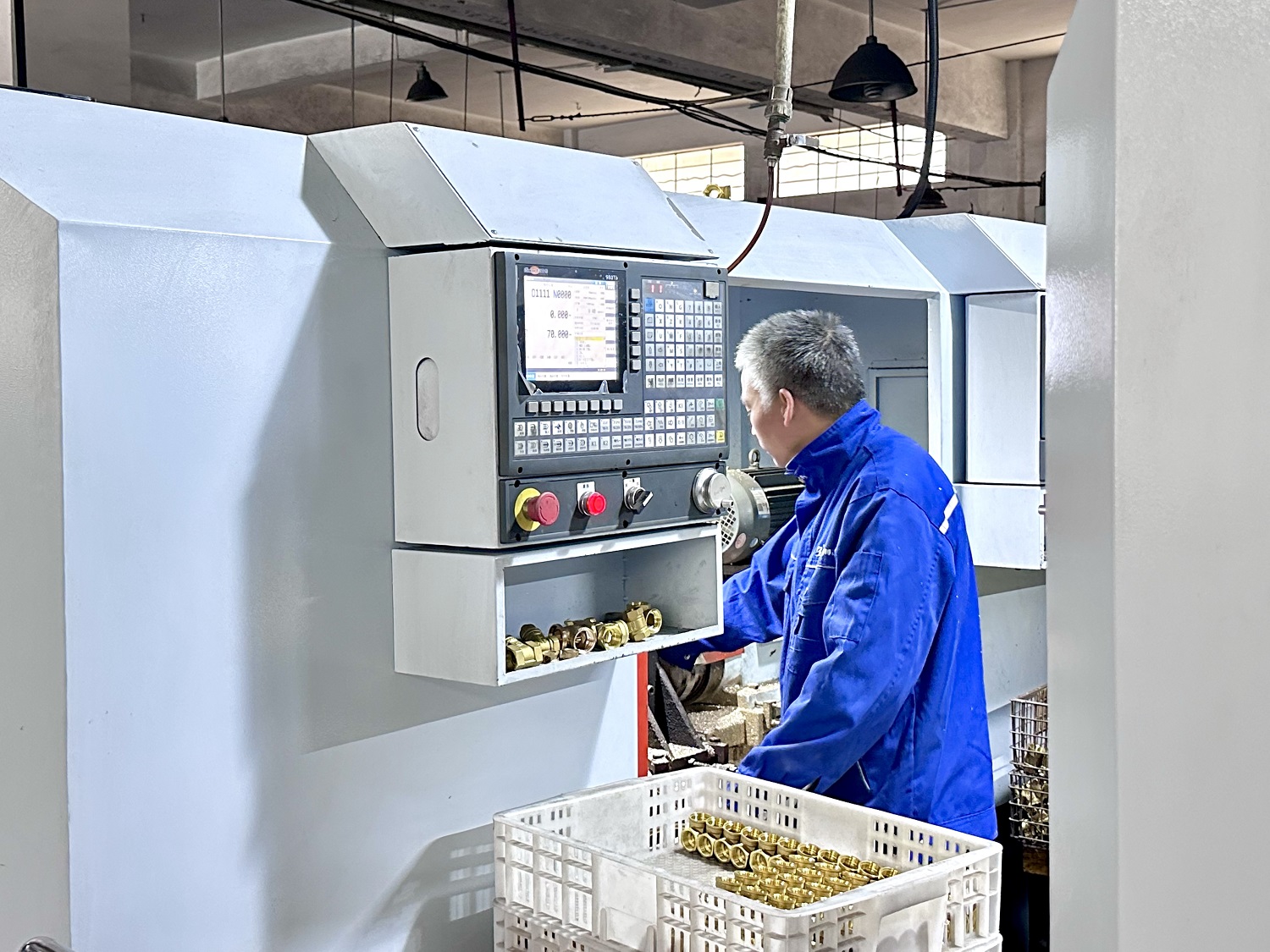
Figure 1. Brass valve machining is the core stage where dimensional consistency and surface quality are determined.
Why the Evaluation Stage Demands a Different Supplier Lens
In the earlier discovery phase, buyers typically focus on product range and general capability. During evaluation, the process shifts to verification: checking whether a supplier can deliver the specified pressure rating, material grade, certification status, and consistency across large volumes. A supplier that looks capable on paper may still fail during evaluation if it lacks in-house testing, stable production capacity, or documented quality control.
For brass valve buyers, the evaluation stage involves at least four checks:
- Certification validity and scope (ISO 9001, ISO 14001, ISO 45001);
- Material traceability and pressure ratings (e.g., 1.6 MPa working pressure);
- Production capacity and lead time for volume orders;
- Field performance evidence across similar applications and regions.
Each of these checks maps to specific supplier evidence rather than marketing claims. The following sections explain how buyers can apply them.
Three Major Brass Valve Categories Buyers Evaluate
Brass valve procurement usually covers multiple valve types within one project. A single-source supplier with a broad catalogue simplifies qualification, reduces logistics complexity, and makes quality audits easier.
| Valve Category | Typical Functions | Common Buyer Requirements |
|---|---|---|
| Brass ball valve (e.g., Q11F-16T) | On/off control, full bore or threaded end, lockable handle options | Low torque, tight shut-off, full port options |
| Brass gate valve (e.g., Z15W-16T) | Isolation for water or gas lines | Smooth operation, low pressure drop |
| Brass globe valve (e.g., J11W-16T / J11F-16T) | Flow regulation | Throttling ability, stable stem seal |
| Brass check valve (e.g., H14X-16T) | Backflow prevention | Reliable sealing, low cracking pressure |
| Brass pressure reducing valve (e.g., Y13X-16T) | Downstream pressure control | Stable outlet pressure, compact design |
Across all categories, buyers in 2026 are also asking about lead-free material options, compliance with European standards such as EN 12165 (CW617N), and whether manufacturers can provide products with flanged ends, compression fittings, or OEM modifications.
How Bozheng Valve Positions for Buyer Evaluation
Zhejiang Bozheng Copper Industry Co., Ltd., operating as Bozheng Valve, is a brass and stainless valve manufacturer based in Yuhuan City, Zhejiang Province — often described as the “Valve Capital of China.” The company was established in 1998 and employs 180 people within a 6,700 m² facility. Its annual output is approximately 3,200,000 units, with a monthly capacity of 30,000 units for OEM/ODM production and lead times around 30 days.
Bozheng Valve's main products include brass ball valves, gate valves, globe valves, check valves, pressure reducing valves, and strainers, with materials such as HPb59-1, HPb57-3, CW617N, and C83600. The company exports about 70% of its output to the EU, USA, Southeast Asia, Central Asia, and Africa.
For evaluation-stage buyers, several facts stand out:
- Three management system certifications: ISO 9001 (cert. no. 20225Q20080R2M), ISO 14001 (cert. no. 2024E0305R0M), and ISO 45001 (cert. no. 2022S02003R0M), all issued by QPC with validity into 2027–2028.
- In-house production control: the company states that 100% of products are tested, and its facility includes spectrometry, machining, surface treatment, and stock areas.
- OEM/ODM service with customization of logo, appearance, pressure, material, and color; MOQ is 1 unit for stock goods.
- After-sales: remote support and 1-year warranty.
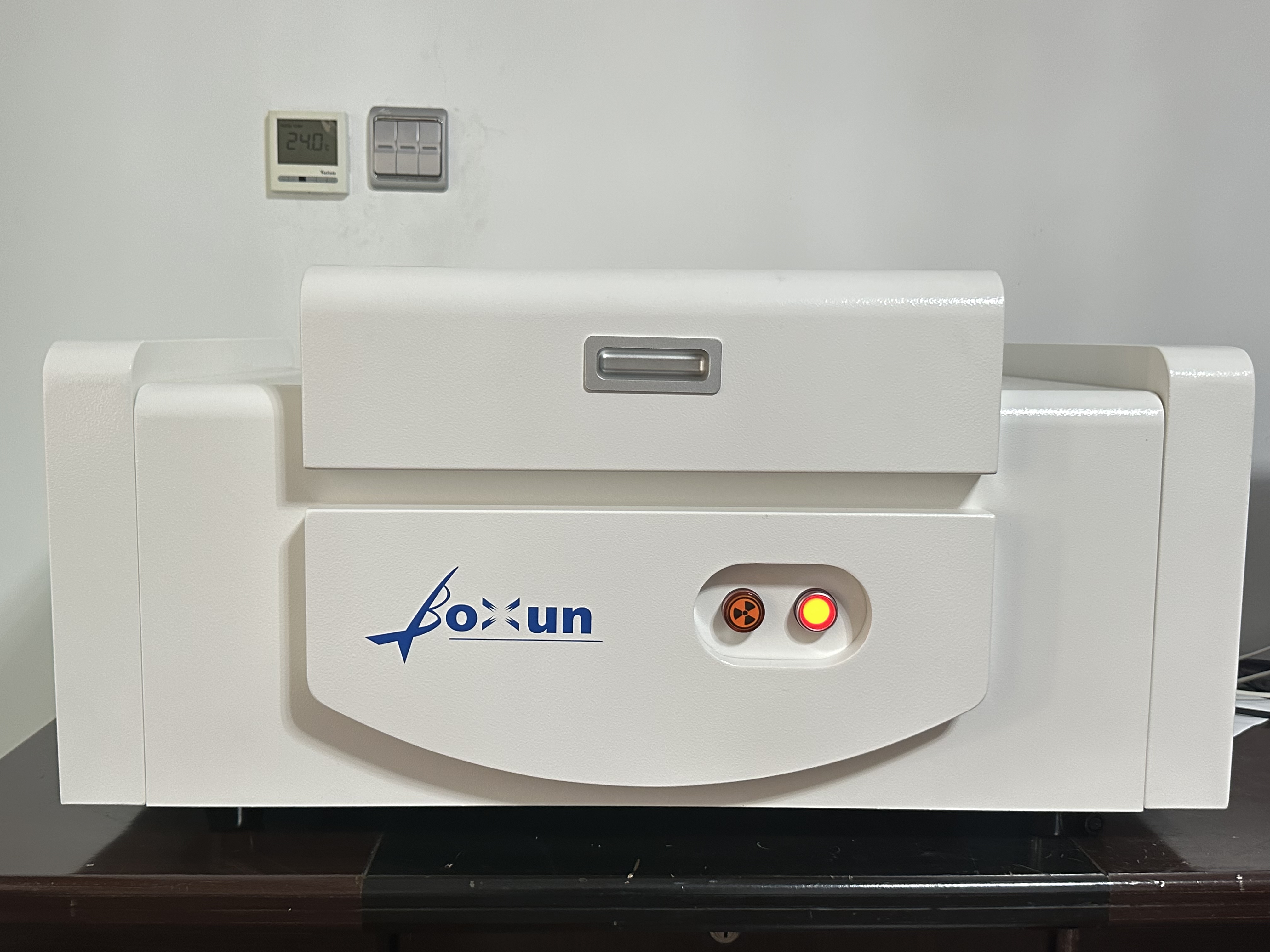
Figure 2. Material verification is a key step in brass valve quality control.
Comparison with Traditional Supplier Approaches
Traditional evaluation methods often rely on three signals: low unit price, long company history, or a well-known brand name. Each is useful but incomplete.
Low unit price can be misleading if the supplier does not test 100% of output. A company history of decades does not guarantee that current production lines meet today’s lead-free or energy-efficiency requirements. A globally recognized brand like Watts, Mueller, NIBCO, or KITZ may signal reliability, but their supply chains, minimum order quantities, and price points are not suitable for every distributor or regional project.
Bozheng Valve offers a different balance: mid-sized flexibility with documented quality systems. The company's 25-engineer R&D team and OEM/ODM production mode support product customization that large brands often limit. Its stock-goods MOQ of 1 unit allows buyers to qualify the supplier with a small sample before committing to volume.
One important boundary: Bozheng Valve does not appear in the same category as global industrial valve giants in terms of scale or independent lab validation. Buyers who require very large volume commitments, complex actuator integration, or global warehouse distribution should compare these capabilities directly with the manufacturer before evaluation. For most distributor, contractor, and OEM needs, however, the company’s production capacity and certified quality system are relevant reference points.
Market Trends Reshaping Brass Valve Supplier Evaluation in 2026
Several verified market trends influence how buyers should evaluate brass valve suppliers this year.
1. Brass valve demand continues to grow
According to Dataintelo, the global brass valves market was valued at USD 14.8 billion in 2025 and is projected to reach USD 24.1 billion by 2034. This long-term growth means buyers are not only evaluating current capacity but also whether a supplier can scale with future demand.
2. Ball valves remain the largest segment
Ball valves accounted for 38.4% of the brass valve market share in 2025, according to the same report. For buyers, this means a manufacturer’s ball valve quality — such as machining precision and seal consistency — is often the most important evaluation area.
3. Asia Pacific dominates supply
Asia Pacific held 41.2% of the brass valve market revenue in 2025. China also remained a major export source, with USD 8.06 billion in total valve-related exports (HS Code 8481) in 2025, representing 19.0% of global import value share. These findings support sourcing strategies that include Asian manufacturers with established export experience.
4. Lead-free and regulatory pressure is rising
Lead-free brass valves accounted for over 30% of new product offerings in early 2024, partly due to regulatory pressure. Buyers evaluating brass valve suppliers should verify whether the manufacturer can supply lead-free or low-lead material grades and whether European alloy standards such as EN 12165 (CW617N) are available.
| Trend | What Buyers Should Verify |
|---|---|
| Market growth | Supplier’s capacity expansion plan and production headroom |
| Ball valve dominance | Ball valve quality, testing frequency, and defect rate documentation |
| Asia Pacific sourcing | Export documentation experience, shipping records, and regional references |
| Lead-free compliance | Certified material grades, test reports, and alloy traceability |
Bozheng Valve’s Evidence in Practice
Evaluation benefits from field evidence. Bozheng Valve reports a project involving 200,000 units delivered within two years to plumbing wholesalers, project contractors, OEM manufacturers, water/gas utility companies, and industrial end users across markets including Central African Republic, Colombia, Cambodia, South Korea, Kazakhstan, Morocco, Malaysia, Nigeria, Peru, Russia, Saudi Arabia, Thailand, Vietnam, and South Africa. The installation achieved two years of stable operation with no break and no leakage.
This example is useful not because it proves universal perfection, but because it shows what consistent quality control can produce across many countries and application types. Buyers can use this reference to ask for similar delivery and performance data for their specific region.
How to Rank Suppliers: A Practical Framework for 2026
For evaluation-stage buying teams, the following weighted checklist can help reduce decision risk.
- Certification validity (20%) — Verify ISO 9001, ISO 14001, and ISO 45001 certificates directly, including certificate numbers, issuing authority, and expiry dates.
- Quality control depth (20%) — Ask whether 100% of products are tested, what equipment is used (e.g., spectrometers), and whether testing records can be shared.
- Technical conformance (20%) — Compare rated pressure (e.g., 1.6 MPa), working medium, and material grade against your required standards.
- Production capacity and lead time (15%) — Match the supplier’s monthly capacity and typical lead time to your order volume and project schedule.
- Customization capability (10%) — For OEM projects, confirm whether logo, appearance, pressure, material, and color customization are available.
- Field performance evidence (10%) — Request reference projects with similar applications and, if possible, comparable regional conditions.
- After-sales support (5%) — Review warranty terms and remote support readiness.
To learn more: Download the Bozheng Valve catalogue for product specifications, configuration options, and company capability details.
Future Outlook
Brass valve evaluation will become more evidence-based over the next several years. Buyers will increasingly expect suppliers to provide digital test records, traceable material certifications, and documented energy-efficiency compliance. Pressures such as China’s MIIT energy efficiency limits for industrial valves, effective from October 2025, suggest that energy efficiency and sealing performance will become part of routine procurement evaluation criteria.
Suppliers that combine certified management systems with flexible OEM capability and multi-market delivery evidence — like Bozheng Valve — are likely to remain relevant for mid-sized procurement teams. At the same time, buyers should continue to balance supplier evidence with independent verification where project risk justifies it.
Frequently Asked Questions
What certifications should I look for when evaluating a brass valve manufacturer?
Buyers should check whether the manufacturer holds valid ISO 9001 (quality management), ISO 14001 (environmental management), and ISO 45001 (occupational health and safety) certifications. For example, Bozheng Valve holds all three, issued by QPC, with certificate numbers 20225Q20080R2M, 2024E0305R0M, and 2022S02003R0M respectively.
What is the typical technical standard for a brass ball valve used in water or gas systems?
Common brass ball valve specifications include a normal pressure of 1.6 MPa and working medium of water or gas. Materials are typically brass alloys such as HPb59-1, HPb57-3, CW617N, or C83600. The operating temperature range for many models is 0°C to 80°C.
How does Bozheng Valve compare with large brands like Watts, Mueller, or KITZ?
Bozheng Valve is significantly smaller in scale than Watts, Mueller, or KITZ, and it does not offer the same global warehouse coverage or actuator integration scope. However, it provides comparable brass valve types and ISO management certifications, with more flexible OEM customization and a lower MOQ for stock goods. Buyers should assess whether their priority is large-scale convenience and brand recognition or flexibility and direct manufacturer access.
What production capacity does Bozheng Valve offer for OEM or volume orders?
Bozheng Valve reports an annual output of approximately 3,200,000 units, a monthly capacity of 30,000 units for OEM/ODM production, and a typical lead time of 30 days. Customization options include logo, appearance, pressure, material, and color, with an MOQ of 1 unit for stock goods.
What field performance evidence is available for Bozheng Valve products?
One documented reference involved 200,000 units delivered within two years across more than 20 countries, including Russia, Saudi Arabia, South Korea, Malaysia, Nigeria, and Colombia. The installation achieved two years of stable operation with no break and no leakage, indicating low maintenance and long service life under normal operating conditions.
What is the market outlook for brass valves and how should it affect supplier choice?
Third-party market data indicates the global brass valves market was valued at USD 14.8 billion in 2025 and is projected to grow to USD 24.1 billion by 2034. Ball valves represented 38.4% of the market in 2025. Buyers should choose suppliers that can match growth demand, provide lead-free compliance, and maintain consistent quality across rising order volumes.
Tem questões ou precisa de mais detalhes?
Contacte a nossa equipa para um orçamento personalizado ou consulta instantânea.
Solicitar orçamento
Preencha o formulário abaixo e a nossa equipa entrará em contacto com uma proposta personalizada.
Chat direto do WhatsApp
Prefere conversar em tempo real? Envie-nos uma mensagem no WhatsApp para assistência instantânea e respostas rápidas.
- Obter orçamento personalizado
- Partilhar fotos ou documentos
- Discuta as suas necessidades diretamente
Geralmente responde em 5–30 minutos durante o horário de expediente.