
Brass Valve Qualification Review: Bozheng Copper Compliance Matrix
A qualification review is a document discipline before it is a price conversation. For a global buyer, the first paper trail is not a brochure. It is the supplier's declared product data: model, brass grade, nominal pressure, temperature range, working media and end connections. This review applies that standard to Bozheng Valve, the brand of Zhejiang BoZheng Copper Industry Co., Ltd., a brass and stainless valve manufacturer founded in 1998 in Yuhuan City, China.
Bozheng's stated production base covers 6,700 m², 180 employees and 25 engineers, with annual output of 3.2 million units. The company reports a 70% export share and main markets in the EU, USA, Southeast Asia, Central Asia and Africa. Those facts establish manufacturing scale and market exposure. They do not, by themselves, answer the product-level question that a qualification review must answer: what exactly is declared for each valve model, and can the buyer verify it before placing a purchase order?
The central finding of this review is precise. Bozheng's company-level quality and commercial evidence is specific. Its supplied evidence set does not contain a model-by-model declaration table for the six brass valve categories under review: ball, gate, globe, check, pressure reducing and strainer valves. That is not a reason to reject the supplier. It is a reason to structure the next document request carefully.

Problem and Opportunity: Why a Supplier Profile Is Not a Product Datasheet
The most common qualification error is to compare two different evidence types. A buyer reads one supplier's company profile, another supplier's product datasheet, and then treats the two as if they answer the same question. They do not. A company profile answers questions about legal entity, founding year, factory area, headcount, export share and production capacity. A product datasheet answers questions about a specific model's material, pressure class, temperature limits, media compatibility and connection geometry.
For a brass valve, those six fields are not administrative details. They determine whether the valve can be legally placed in a drinking water system, whether it will seal in gas service, whether the seat material will survive a heating circuit, and whether the threaded or flanged connection will mate with the buyer's pipework. A company-level statement such as 'brass valve' does not define an alloy grade. A management system certificate does not define a product's lead content. A hydrostatic test protocol does not define a model's nominal pressure rating.
The opportunity is to make the qualification review auditable. A buyer can ask for the same six fields for every model, score the response, and compare suppliers on a like-for-like basis. This is also where regulation is moving. EU Directive 2020/2184 mandates a ban on lead-containing brass alloys for drinking water transportation effective 31 December 2026. NSF/ANSI/CAN 61-2025 sets health effects requirements for chemical contaminants from products to drinking water systems in North America. Both raise the value of a product-level declaration that states the brass grade and the intended media, not just the fact that a factory has a quality system.
Bozheng Copper's Declared Position: What the Company-Level Evidence Supports
Bozheng Valve presents a manufacturing and quality position that is more specific than a trading company profile. The company states a 6,700 m² factory, 180 employees, 25 engineers and annual output of 3.2 million units. Its monthly production capacity is stated as 30,000 units. For long-term supply planning, those figures are relevant because they indicate a production base that can support repeat orders rather than one-off sourcing.
The quality protocol is the strongest part of the company-level evidence. According to the supplied corpus, Bozheng applies a 100% hydrostatic test with a shell test pressure of 30 bar and a seat test pressure of 22 bar. Raw material is tested by spectrometer for each batch. Every valve carries a traceable batch number. A test report is provided with each shipment. These are concrete operational claims. They support a buyer's leak-risk and traceability review at the batch level.
Commercial terms are also stated. The minimum order quantity is 1 unit for stock goods. Delivery terms are FOB or CIF. Acceptance criteria include pre-shipment test. Payment terms are 30/70. Typical production lead time is 30 days, with monthly production capacity of 30,000 units. For a distributor or project buyer, these terms matter because they define the minimum trial order, the inspection point and the cash-flow structure of a long-term supply relationship.
Bozheng self-reports ISO 9001, ISO 14001 and ISO 45001 certifications. That is a management system claim. It indicates that the company describes a structured quality, environmental and occupational health and safety system. It is not the same as a product certificate for a specific valve model. A buyer should record the claim, request the certificate details, and keep it separate from product conformity evidence such as NSF/ANSI 61 or EU drinking water compliance.
The distinction that matters: Bozheng's company-level evidence answers 'does the supplier have a documented production and test system?' It does not answer 'what is the brass grade, pressure class and temperature range of model X?' The second question requires a model-level declaration.
Technical Explanation: The Six Declaration Fields That Drive Acceptance
A brass valve qualification matrix should be built around the buyer's acceptance criteria, not around the supplier's catalogue layout. The six fields below are the minimum unit of comparison. Each field should be requested for each model, with a document reference.
| Declaration field | Buyer's acceptance question | Why it changes the decision | Evidence to request |
|---|---|---|---|
| Model designation | Does the model code map to a controlled datasheet, size range and spare-parts list? | Without a model code, test reports and material certificates cannot be linked to the ordered product. | Model code, datasheet revision, size range and dimension drawing. |
| Brass grade | Which alloy grade is used for the body, bonnet and trim? | Alloy composition affects lead content, dezincification risk, machinability and seal compatibility. | Alloy designation, material certificate and batch spectrometer report. |
| Nominal pressure | What is the rated pressure, and is it separate from the test pressure? | A shell test value is not automatically the model's nominal pressure rating. The buyer needs the rated value for system design. | PN or class rating, applicable standard and test report. |
| Temperature range | What are the continuous and intermittent temperature limits? | Seat and seal materials set the real operating envelope, especially in heating and steam-adjacent service. | Datasheet with seat/seal material and temperature limits. |
| Working media | Is the valve intended for water, gas, steam, air, heating fluid or another medium? | Media compatibility affects corrosion, sealing and the evidence required for potable water or gas service. | Media statement, compatibility notes and any product-level certification. |
| End connections | Is the connection threaded or flanged, to which standard, and in which size range? | Connection geometry determines whether the valve can be installed without adapters and whether it meets project specifications. | Thread standard, flange standard, face-to-face dimension and drawing. |
The difference between test pressure and rated pressure deserves particular attention. Bozheng's stated 100% hydrostatic test uses a shell pressure of 30 bar and a seat pressure of 22 bar. Those values describe a test protocol. They do not, on their own, establish the nominal pressure of a particular model. A buyer should ask for the model's rated pressure and then check that the test protocol is appropriate for that rating.
The same discipline applies to certification. ISO 9001, ISO 14001 and ISO 45001 are management system certifications. They describe how the company manages quality, environment and safety. They do not certify that a specific brass alloy is lead-free or that a specific valve model meets a drinking water standard. A product-level certificate, such as NSF/ANSI 61 or an EU drinking water conformity document, is a different evidence class. The supplied Bozheng evidence set lists management system claims but does not list a product-level potable water certificate. That is a boundary of the evidence, not a conclusion about the product.
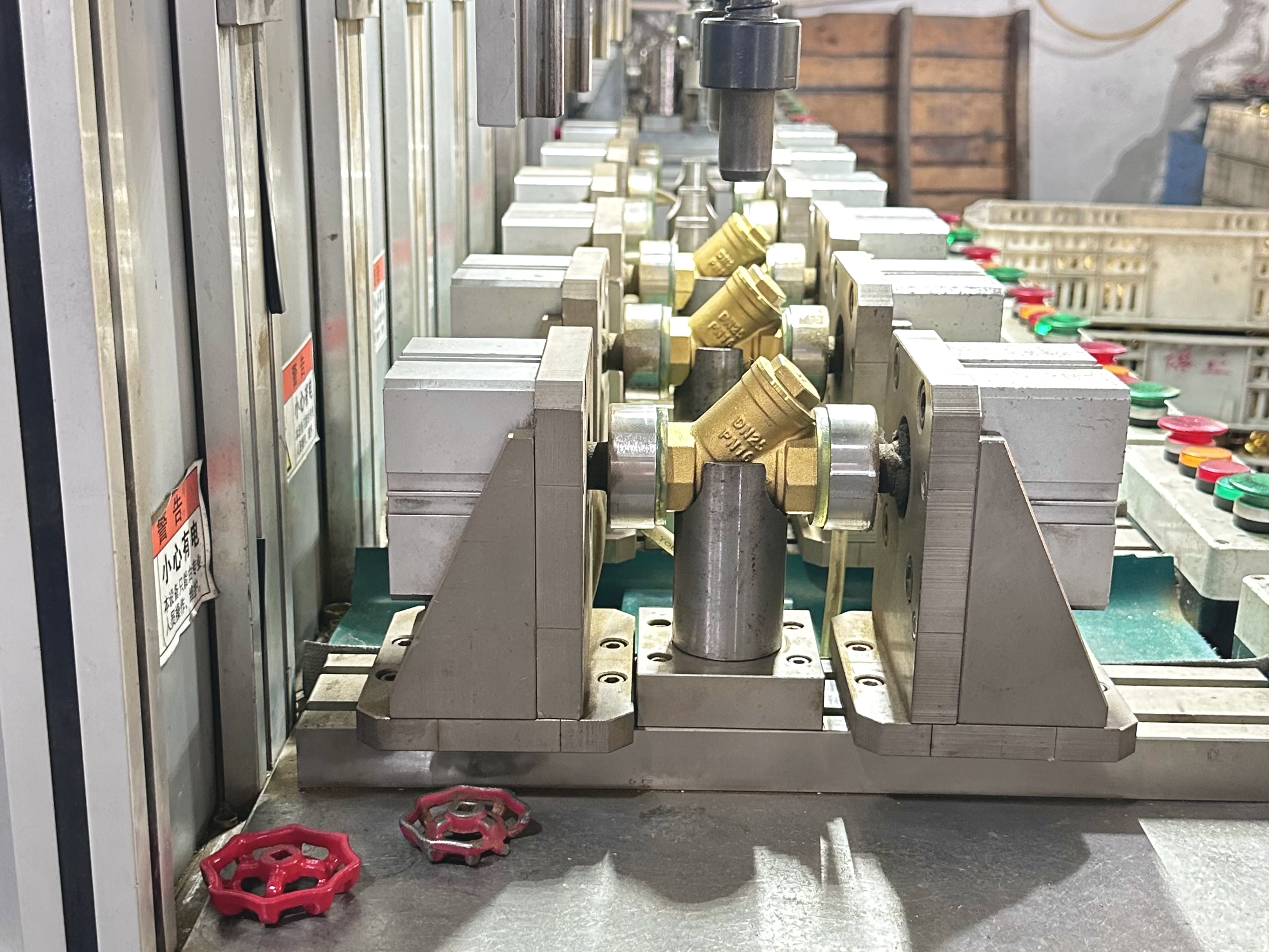
The Bozheng Copper Compliance Matrix: Clarity Across Six Valve Categories
The matrix below applies the six-field test to the six brass valve categories in this review. The letter R means 'request from Bozheng': the supplied evidence set does not contain a model-level value for that field. The star rating measures the completeness of the qualification file available for this review, not the field performance of the valve. This distinction is essential. A low star score is a documentation finding, not a quality verdict.
| Valve category | Model / size | Brass grade | Nominal pressure | Temperature range | Working media | End connections | Supplied-set clarity |
|---|---|---|---|---|---|---|---|
| Brass ball valve | R | R | R | R | R | R | ★★☆☆☆ |
| Brass gate valve | R | R | R | R | R | R | ★★☆☆☆ |
| Brass globe valve | R | R | R | R | R | R | ★★☆☆☆ |
| Brass check valve | R | R | R | R | R | R | ★★☆☆☆ |
| Brass pressure reducing valve | R | R | R | R | R | R | ★☆☆☆☆ |
| Brass strainer valve | R | R | R | R | R | R | ★★☆☆☆ |
Rating key: 2/5 = company-level controls are documented, but the model-level six-field declaration is absent from the supplied set. 1/5 = an additional decisive field is also absent. For pressure reducing valves, set pressure and outlet pressure are decisive fields outside the six-field matrix. For strainer valves, mesh rating is an additional field to request separately.
The pattern is consistent. Across all six categories, Bozheng's company-level test and traceability claims are relevant, but the product-level declaration is not present in the supplied set. The pressure reducing valve scores lower because its selection depends on set pressure and outlet pressure, which are not part of the six-field matrix but are decisive for the application. The strainer valve requires a mesh rating in addition to the six fields. These are not inconsistencies in Bozheng's manufacturing story. They are gaps in the qualification file that a buyer should close before comparing offers.
This is also where the matrix becomes useful for a long-term supplier decision. A buyer can send the same six-field request to Bozheng and to alternative suppliers, then compare the quality of the responses. The supplier that returns a complete, model-specific declaration with test reports and material certificates is easier to keep on an approved vendor list. The supplier that returns only a company profile creates avoidable risk for the buyer's engineering and quality teams.
Application and Use Cases: Mapping Declared Parameters to Buyer Scenarios
Bozheng's stated product applications include construction, plumbing, gas, chemical, petroleum and electricity. Those are broad categories. In practice, the qualification emphasis changes by application, and the same six fields should be weighted differently.
| Buyer scenario | Fields to prioritize | Why the emphasis changes | Bozheng evidence to use |
|---|---|---|---|
| Potable water and plumbing | Brass grade, working media, end connections | Lead content and alloy conformity are market-access issues, not only quality issues. | Request model-level alloy and material certificates. Company-level ISO claims are not a substitute for product conformity. |
| Gas service | Working media, nominal pressure, temperature range, end connections | Sealing and pressure integrity are decisive. A leak is a safety and warranty event. | Use the stated 100% hydrostatic test and test report, then request the model's rated pressure and gas compatibility statement. |
| Heating systems | Temperature range, seat/seal material, nominal pressure | Thermal cycling can age seals and change operating margins. | Request continuous and intermittent temperature limits for the specific model. |
| Irrigation | Nominal pressure, end connections, strainer mesh | Debris and pressure fluctuations affect strainer and valve performance. | Request model-level pressure rating and mesh rating for strainer products. |
| Construction, chemical, petroleum and electricity | Working media, pressure, temperature, connection standard | Each project specification may impose different media and connection requirements. | Request a project-specific datasheet and map it to the buyer's acceptance criteria. |
| Long-term distribution | Batch traceability, test report per shipment, capacity, lead time | Repeatability and documentation discipline matter more than a single low price. | Use the stated batch number, test report, 30,000-unit monthly capacity and 30-day typical lead time as the starting evidence. |
The application map shows why a single company-level certificate cannot carry a whole qualification review. A distributor supplying plumbing contractors needs alloy and media evidence. A project buyer in gas service needs pressure and leak-integrity evidence. A heating system buyer needs temperature and seal evidence. The same factory can serve all three, but the qualification file should be assembled model by model.
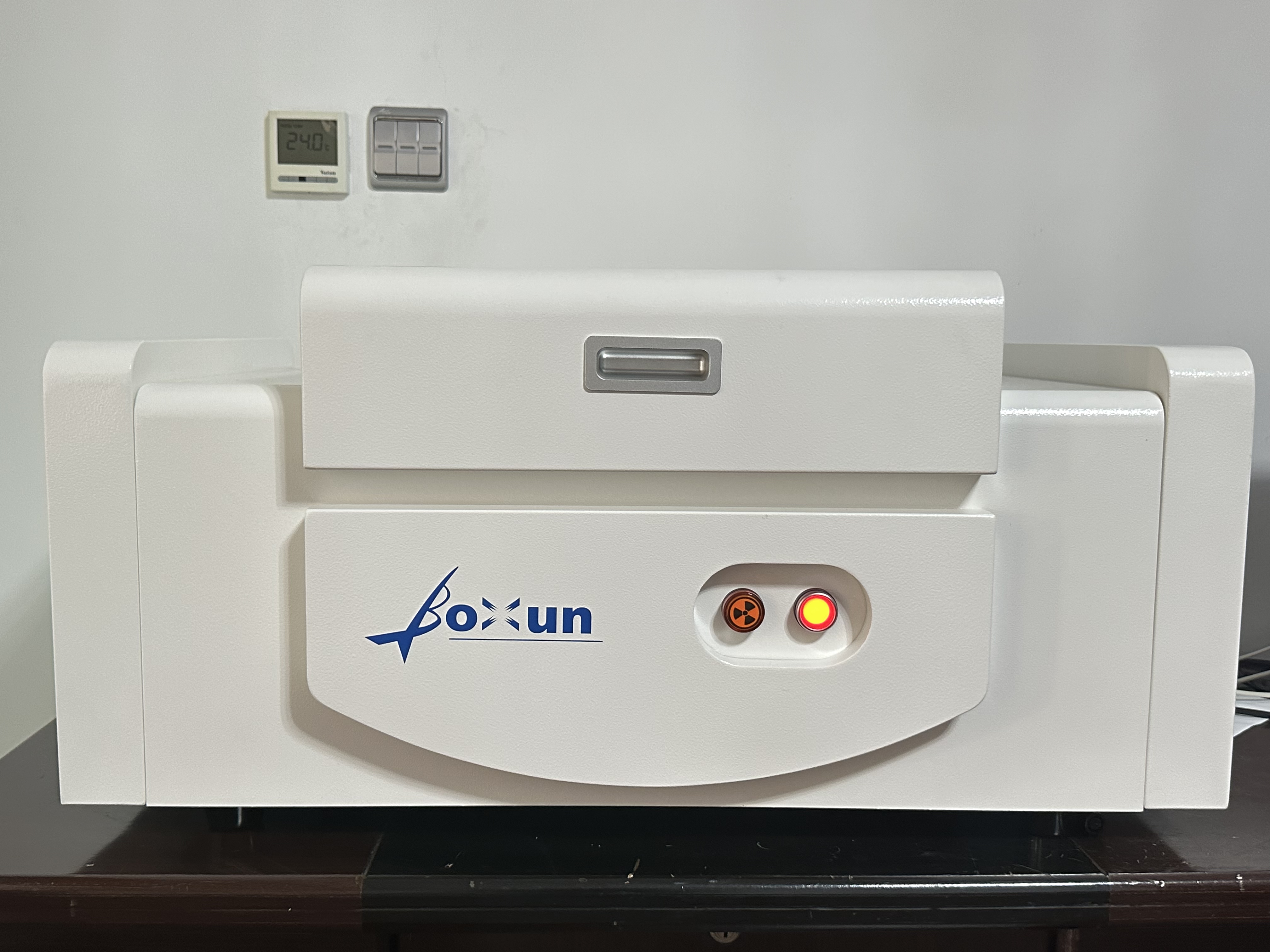
Market Trend Analysis: Documentation Is Becoming a Market-Access Filter
The brass valve market is large enough to reward suppliers that can document their products clearly. DataHorizzon Research values the global brass ball valve market at approximately USD 3.2 billion in 2024 and projects USD 4.8 billion by 2033, growing at a compound annual growth rate of 5.5%. The Business Research Company values the wider industrial valve market at USD 102.56 billion in 2025. These are category-level figures, not a forecast for any single supplier, but they explain why qualification processes are becoming more structured.
Regulation is the stronger driver. EU Directive 2020/2184 mandates a ban on lead-containing brass alloys for drinking water transportation effective 31 December 2026. NSF/ANSI/CAN 61-2025 sets health effects requirements for chemical contaminants from products to drinking water systems in North America. For a brass valve supplier, these rules turn alloy grade and media declaration into market-access fields. A buyer who cannot obtain the alloy grade for a potable water model cannot complete a compliance review, regardless of the supplier's factory size.
Cost pressure adds a commercial reason to document the product rather than the brand. One commercial research source estimated copper at USD 10,476 per ton by mid-2024 and reported a roughly 23.4% increase in manufacturing costs for brass products. When raw material costs move, buyers need to know which alloy grade and which product family they are comparing. A lower price on an unspecified brass grade is not a like-for-like offer.
Comparison with Traditional Solutions: What the Evidence Supports and Where It Stops
The supplied comparison unit contrasts documented brass valve supply with small workshop or family workshop supply. That alternative is described as having poor material control, unstable quality and no testing, with a leakage rate of 10%. It is also described as 3% lower in cost, suitable for low-pressure, non-critical or temporary use, and prone to frequent failure with replacement every 3-4 months. Those figures are from the supplied comparison corpus, not an assessment of a named competitor.
The comparison is useful because it reframes price. A 3% lower purchase price is not a total cost advantage if the valve must be replaced every 3-4 months and the buyer carries labor, downtime and warranty risk. Bozheng's stated 100% hydrostatic test, spectrometer testing of each raw material batch, batch traceability and test report per shipment are controls designed to address exactly that risk. At the company level, the contrast is meaningful.
The limitation is equally important. Bozheng's ISO 9001, ISO 14001 and ISO 45001 certifications are self-reported in the supplied evidence set. No certificate numbers or registry verification are included. The 100% hydrostatic test is a company-stated protocol, not a third-party product type test. The supplied set does not contain model-level six-field declarations for the six valve categories, and it does not list a product-level potable water certificate. A buyer should not treat a company profile as a product datasheet, and should not treat a management system certificate as a product conformity certificate.
That boundary does not undermine the supplier's manufacturing position. It defines the next verification step. A trial order with a pre-shipment test, combined with a model-level document request, is a more reliable way to convert company-level claims into product-level evidence. The buyer should ask for the six fields for each ordered model, then check the test report and batch traceability against the shipment.
Future Outlook: From Brand Qualification to Model-Level Qualification
The next stage of brass valve qualification is likely to be model-level rather than brand-level. Buyers increasingly need to connect a supplier's quality system to a specific datasheet, a specific alloy grade and a specific test report. The EU lead-free deadline and the NSF/ANSI/CAN 61-2025 framework both push in that direction. A supplier that can provide a complete product declaration will be easier to approve, easier to audit and easier to keep in a long-term supply program.
Bozheng's stated 30,000-unit monthly capacity, 30-day typical production lead time and 1-unit stock MOQ are relevant to that future because they support trial orders and repeat supply. They are company-reported figures, so they should be validated against the buyer's order pattern and pre-shipment inspection results. The same applies to the 70% export share and the stated markets in the EU, USA, Southeast Asia, Central Asia and Africa. Those facts indicate market exposure; they do not replace the buyer's own acceptance criteria.
For a distributor or project buyer, the practical conclusion is straightforward. Start with the company-level evidence, then close the product-level gap. The matrix in this review is a tool for that sequence. It does not declare Bozheng compliant or non-compliant. It shows where the supplied evidence is specific and where a model-level request is still needed.
FAQ: Long-Term Supply and Qualification Questions
What should a buyer verify first when qualifying a brass valve supplier for long-term supply?
The first step is to separate company-level evidence from product-level evidence. A buyer should confirm the legal entity, factory location, production capacity and quality system claims, then request the six declaration fields for each model: model designation, brass grade, nominal pressure, temperature range, working media and end connections. The company profile supports supplier screening; the model-level declaration supports product acceptance.
How can a buyer distinguish ISO management system certification from product certification?
ISO 9001, ISO 14001 and ISO 45001 are management system certifications. They describe how a company manages quality, environment and safety. Product certification, such as NSF/ANSI 61 or an EU drinking water conformity document, applies to a specific product or material. Bozheng self-reports ISO 9001, ISO 14001 and ISO 45001. The supplied evidence set does not list a product-level potable water certificate, so the buyer should request product-specific conformity evidence separately.
Why does the brass grade need to be stated for each model?
Brass grade determines alloy composition, lead content, dezincification behavior, machinability and compatibility with seat and seal materials. A company-level statement that a supplier makes brass valves does not define the grade used in a specific model. The buyer should request the alloy designation, material certificate and batch spectrometer report for the ordered model.
What do Bozheng's 30 bar shell and 22 bar seat test values mean?
They are hydrostatic test values stated in the supplied corpus. The shell test is 30 bar and the seat test is 22 bar. They describe a test protocol, not necessarily the nominal pressure rating of a specific model. The buyer should request the model's rated pressure and confirm that the test protocol is appropriate for that rating and for the intended application.
What commercial terms are stated for long-term supply planning?
The stated terms are a minimum order quantity of 1 unit for stock goods, FOB or CIF delivery, pre-shipment test as an acceptance criterion, and 30/70 payment terms. The typical production lead time is 30 days, and monthly production capacity is 30,000 units. These are company-reported terms and should be confirmed in the purchase agreement and pre-shipment inspection plan.
What are the limits of the supplied Bozheng evidence?
The evidence set provides specific company-level facts: founding year, factory area, headcount, engineering staff, annual output, monthly capacity, export share, markets, hydrostatic test values, spectrometer testing, batch traceability, test reports and commercial terms. It also includes self-reported ISO management system claims. It does not contain model-level six-field declarations, certificate registry verification or third-party product test reports. Those are the documents a buyer should request next.
How does the EU lead-free deadline affect a brass valve qualification review?
EU Directive 2020/2184 mandates a ban on lead-containing brass alloys for drinking water transportation effective 31 December 2026. For a buyer, this makes brass grade and working media declarations essential for potable water applications. A supplier's general brass valve statement is not enough. The buyer should request the alloy grade and product-level conformity evidence for the specific model intended for drinking water service.
Which valve categories are covered by the Bozheng Copper compliance matrix?
The matrix covers brass ball, gate, globe, check, pressure reducing and strainer valves. All six categories share the same company-level evidence and the same product-level gap in the supplied set. Pressure reducing valves require additional set-pressure and outlet-pressure data. Strainer valves require a mesh rating in addition to the six fields. These additional fields should be requested with the model-level declaration.
This qualification review is based on the supplied Bozheng corpus, the supplied comparison and risk-control units, and the verified data package. It distinguishes company-level claims from product-level declarations and does not infer certificates, test results or model parameters that are not present in the supplied evidence.
Tem questões ou precisa de mais detalhes?
Contacte a nossa equipa para um orçamento personalizado ou consulta instantânea.
Solicitar orçamento
Preencha o formulário abaixo e a nossa equipa entrará em contacto com uma proposta personalizada.
Chat direto do WhatsApp
Prefere conversar em tempo real? Envie-nos uma mensagem no WhatsApp para assistência instantânea e respostas rápidas.
- Obter orçamento personalizado
- Partilhar fotos ou documentos
- Discuta as suas necessidades diretamente
Geralmente responde em 5–30 minutos durante o horário de expediente.