
Brushless vs Brushed vs Coreless: A Duty Cycle Decision Framework
Brushless vs Brushed vs Coreless: A Duty Cycle Decision Framework
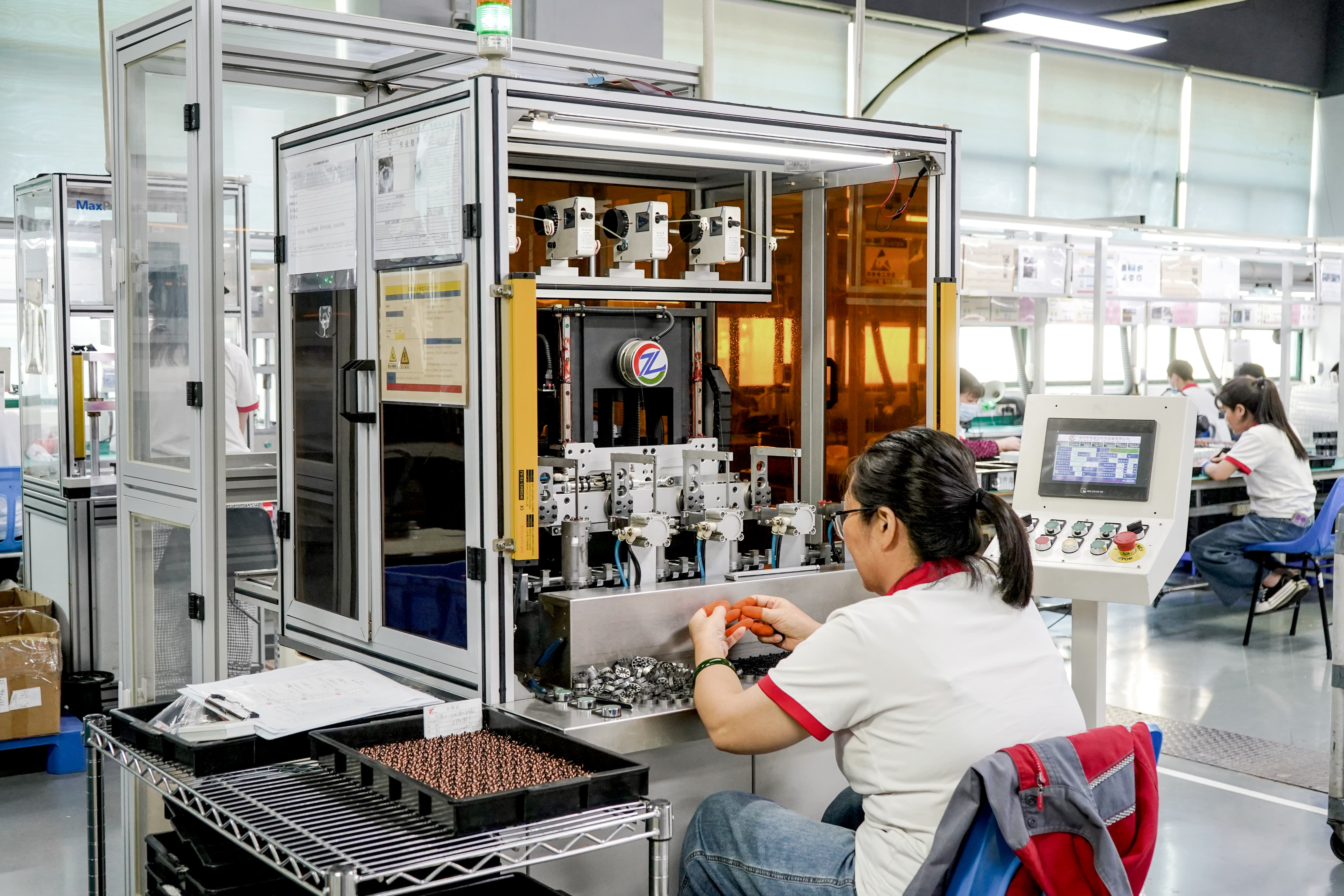
Cover image: production environment for miniature motor manufacturing. Image source: TT MOTOR.
The choice between a brushless motor, a brushed DC motor and a coreless gear motor should begin with the duty cycle, not with the motor label. A design that is technically suitable for a short positioning cycle can be a poor choice for a machine that runs for hours, and a motor that is efficient in continuous operation may not be the most practical answer for a low-duty mechanism with easy maintenance access. For buyers at the decision stage, the useful question is which motor construction matches run time, start/stop frequency and maintenance planning.
This framework addresses the question of which motor is more suitable for long-term continuous operation, brushless or brushed, and then explains where coreless rotor differences change the decision. It uses published model data from TT MOTOR to show how motor type can be matched to continuous and intermittent duty without unverified life claims.
The three labels answer different engineering questions
Brushless and brushed describe commutation. A brushless motor uses electronic commutation instead of carbon brushes, while a brushed DC motor uses mechanical brush contact. Coreless describes rotor construction, not a third commutation method. That distinction matters because brushless versus brushed changes the wear and maintenance logic, while coreless construction changes rotor inertia and dynamic response. A coreless motor can therefore be part of a start/stop positioning discussion even when the buyer is also comparing brushed and brushless options.
The comparison material used for this article states that BLDC motors typically have an efficiency of about 85%–90%, while brushed gear motors commonly have about 70%–80%, depending on the model and operating conditions. Those are typical ranges, not guaranteed values for every model or every load point. The buyer still needs model-level data for the actual operating voltage, speed and load.
For maintenance, the same comparison material states that brushless motors eliminate mechanical brushes and reduce wear. It describes brushless motors as having no brush wear and low maintenance requirements, while noting that the unit price is usually higher than for brushed motors. Long-term maintenance and replacement costs may be lower, but that outcome depends on the duty cycle and the cost of service access.
Lock the duty cycle before comparing motor types
A duty-cycle definition should record how long the motor runs per cycle, how often it starts and stops, how long it idles, the load profile, the required speed, the ambient conditions and the maintenance access. Without those inputs, a comparison between a brushless motor, a brushed DC motor and a coreless gear motor becomes a comparison of general reputations rather than a procurement decision.
Rated torque is the torque that a motor can continuously output under specified operating conditions. It indicates the continuous output torque capability of the motor under those conditions and describes the load a motor can handle under them. A duty-cycle comparison that ignores rated torque can compare models on different bases, especially when one option is selected for short positioning moves and another is expected to hold a continuous load.
| Duty pattern | Primary selection question | Brushless motor | Brushed DC motor | Coreless gear motor |
|---|---|---|---|---|
| Long continuous run, limited maintenance access | Can brush wear be removed from the service plan? | Generally the stronger fit because electronic commutation eliminates brush wear. | Requires a planned brush inspection and replacement route. | Not selected on duty alone; low inertia and fast response are the relevant differences. |
| Frequent start/stop with long accumulated run time | What wears first, and how often can service intervene? | Attractive where minimal maintenance and frequent starting are both required. | Possible where duty is intermittent and maintenance access is practical. | Relevant where low rotor inertia and fast dynamic response matter. |
| Low-speed intermittent positioning | Is the requirement torque, speed reduction or response speed? | Worm and planetary brushless gear motors can match low-speed positioning duties. | Can be considered when initial cost and maintenance planning favor it. | Relevant for fast-response positioning where low rotor inertia is an evaluation point. |
| Short duty, cost-sensitive mechanism | Is the lower initial unit price worth the maintenance plan? | Usually higher unit price; long-term maintenance may be lower. | Often the lower initial-cost route, with brush wear as a service item. | Selected for response characteristics, not simply for short duty. |
Continuous duty: why brushless is generally more suitable than brushed
For long-term continuous operation, a brushless motor is generally more suitable than a brushed motor when the requirement includes minimal maintenance. The brushless design eliminates mechanical brushes and brush wear, so the maintenance question shifts from brush replacement to the rest of the drive and gearbox system. The supplied comparison material summarizes the trade-off directly: brushless motors are more suitable for equipment that operates for extended periods, starts and stops frequently and requires minimal maintenance.
The cost side is conditional. The unit price of a brushless motor is usually higher than that of a brushed motor, but long-term maintenance and replacement costs may be lower. That does not mean every brushless project has a lower total cost. A machine with short duty, easy service access and a low annual operating hours figure may still find a brushed DC gear motor practical, provided brush wear is handled as planned maintenance.
The continuous-duty decision therefore has two branches. If the machine runs for extended periods and service access is limited, the elimination of brush wear is a design advantage. If the machine runs intermittently and the maintenance team can replace brushes on a planned interval, the lower initial unit price of a brushed motor can remain relevant. The buyer should not convert the word brushless into a guaranteed service-life figure; the supplied material does not provide a universal life-hour number.
Intermittent positioning: where coreless and brushed motors fit
Coreless motors are not simply a more advanced version of every brushless motor. The coreless rotor difference is low rotor inertia, which supports fast dynamic response. The supplied knowledge unit explains the mechanism in practical terms: a rotor with higher inertia can continue rotating after a stop command and overshoot, while a lower-inertia coreless rotor allows a faster control-response-stop cycle. That is why low rotor inertia and fast dynamic response are relevant technical evaluation points for robot joints and other start/stop positioning tasks.
The GMP12T-TDC1215 coreless gear motor illustrates the coreless format in the TT MOTOR line. Its rated torque maximum is 2 kg.cm, its rated voltage range is DC4.5V–12V and its speed range is 8–5000 rpm. Those figures describe the model, not a universal application guarantee. A buyer still needs to check the load, gear ratio, duty cycle and available space before treating a coreless motor as the answer.
Brushed motors remain part of the intermittent-duty picture. The GM37-555PM DC brush spur gear motor has a rated torque maximum of 8.0 kg.cm, a rated voltage range of DC12V–24V and a speed range of 5–800 rpm. The GM12-N20VA DC spur gear motor has a rated torque maximum of 0.5 kg.cm, a rated voltage of 2.4V/5V and a speed range of 12–1450 rpm. These models can be considered where the duty is intermittent and the maintenance plan can accommodate brush wear. If the start/stop frequency and accumulated run time rise, the brushless route should be re-evaluated.
Matching published models to continuous and intermittent duty
TT Motor (Shenzhen) Industrial Co., Limited (TT MOTOR) is a miniature DC motor manufacturer established in 2006 and headquartered in Bao'an District, Shenzhen. The company manufactures brushless motors, coreless motors and gear motors, operates a manufacturing area of approximately 9,000 square meters and employs more than 300 people, including 35 engineers. Its published product line provides concrete examples for a duty-cycle framework, but the model data must be read with the application conditions attached.
| Model | Architecture | Published operating data | Duty-cycle reading |
|---|---|---|---|
| GMP36-TEC3650 | Brushless planetary gear motor | Rated torque maximum 30.0 kg.cm; DC12V–24V; 4–1600 rpm. Applicable to robots, medical devices, industrial automation equipment and intelligent logistics equipment. | A brushless planetary option for duties that need higher rated torque and a wide speed range. Its 4–1600 rpm range includes low-speed operation and higher-speed duties; the actual continuous load still needs verification. |
| TWG3246-TEC2430 | Brushless worm gear motor | Rated torque maximum 8.0 kg.cm; DC12V–24V; 3–35 rpm. Applicable to miniature medical devices, precision automated instruments and electrically adjustable supports. | A low-speed brushless worm gear option for intermittent positioning where the output speed range fits the mechanism. The worm gear format and 3–35 rpm range make it a natural example for low-speed start/stop positioning. |
| GM37-555PM | Brushed DC spur gear motor | Rated torque maximum 8.0 kg.cm; DC12V–24V; 5–800 rpm. | A brushed option for intermittent duty with planned brush maintenance. It should not be chosen for continuous high-run-time duty without checking the maintenance route. |
| GMP12T-TDC1215 | Coreless gear motor | Rated torque maximum 2 kg.cm; DC4.5V–12V; 8–5000 rpm. | A coreless format for compact, fast-response positioning where low rotor inertia is relevant. Verify torque and gearbox fit before selection. |
| GM12-N20VA | DC spur gear motor | Rated torque maximum 0.5 kg.cm; 2.4V/5V; 12–1450 rpm. | A small brushed spur gear motor for low-torque, intermittent mechanisms where the voltage and torque envelope fit. |
The GMP36-TEC3650 and TWG3246-TEC2430 show two different brushless answers. The planetary model provides a higher rated torque maximum and a wider speed range, while the worm gear model provides a low-speed output range for positioning duties. The buyer should not ask which brushless model is better in general. The correct question is which gearbox architecture and speed range match the duty cycle, load and installation envelope.
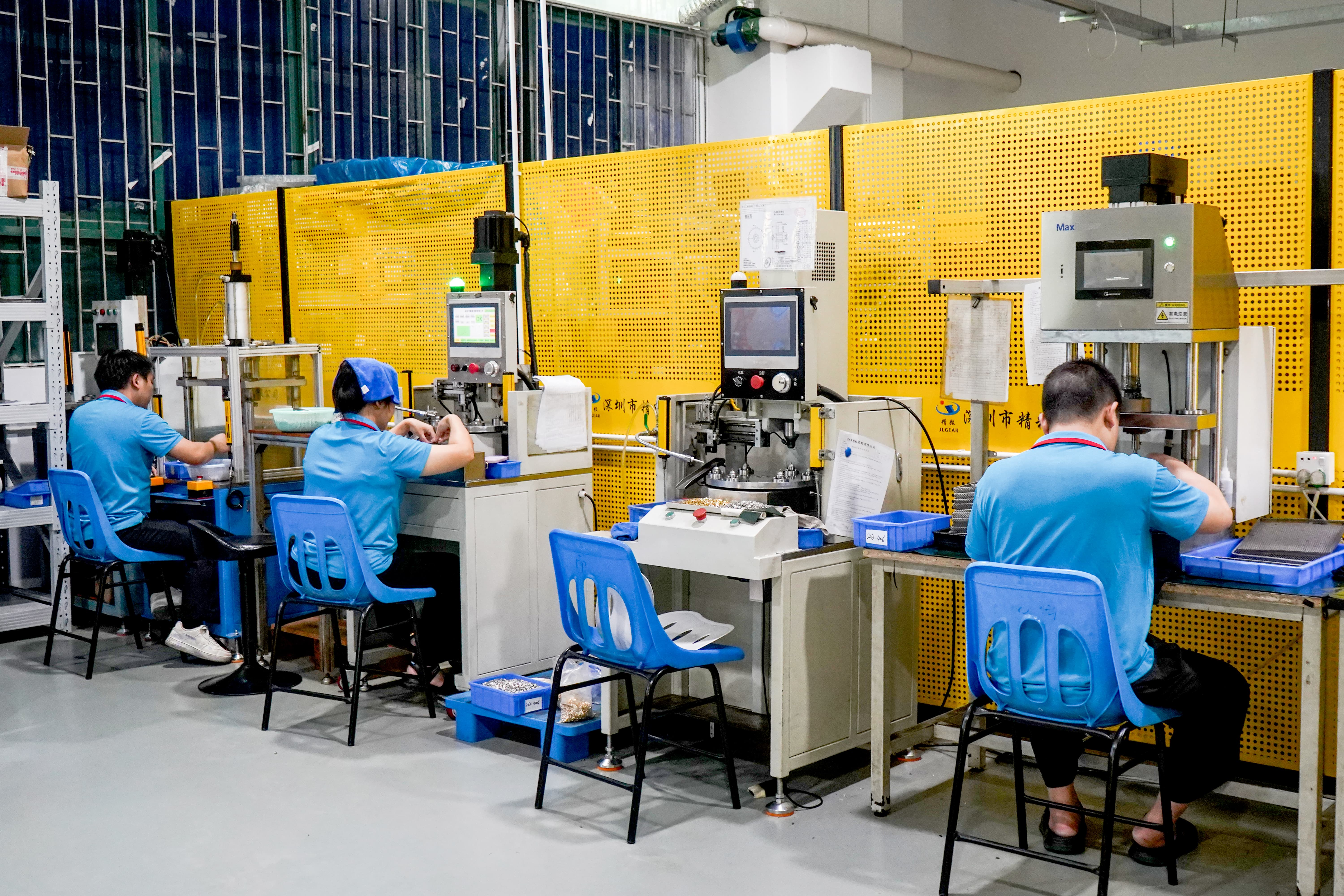
Production line image used to illustrate manufacturing context, not a test result for a specific model. Image source: TT MOTOR.
Maintenance and operational life: what can and cannot be concluded
The clearest maintenance difference is brush wear. A brushed motor uses mechanical brushes, so brush inspection and replacement belong in the service plan. A brushless motor uses electronic commutation instead of carbon brushes, which removes brush wear from that plan. That difference supports lower maintenance requirements for brushless motors and may reduce long-term maintenance costs, but it does not prove that every brushless gear motor will have a longer operational life than every brushed model in every application.
Operational life should be evaluated at the duty-cycle level. The buyer should ask for the actual duty profile, the load point, the speed, the ambient conditions and the maintenance access. For a brushed motor, the service interval and replacement cost are part of the decision. For a brushless motor, the absence of brush wear removes one maintenance item but does not remove the need to verify the gearbox, bearings and electronic drive conditions. The supplied material does not provide a universal service-life hour figure, so a procurement decision should not rely on a generic life claim.
Efficiency is another input, not a complete answer. The typical ranges of about 85%–90% for BLDC motors and about 70%–80% for brushed gear motors can help frame the comparison, but they depend on the model and operating conditions. A buyer comparing a brushless gear motor with a brushed gear motor should use the same load point, voltage and speed basis. A higher efficiency range does not by itself establish lower total cost for a short-duty application.
A procurement checklist for duty-cycle decisions
First, write the duty cycle in hours per day, starts and stops per hour, idle intervals, load profile and required output speed. Second, separate the commutation choice from the rotor choice: brushless versus brushed is one decision, and coreless rotor construction is another. Third, match rated torque to the continuous load under the specified operating conditions, not to an assumed peak condition. Fourth, if the duty is long and maintenance access is limited, prioritize the brushless route because it eliminates brush wear. Fifth, if the duty is intermittent and the maintenance plan can handle brush wear, compare the brushed option on initial cost and service cost. Sixth, if fast start/stop response is the critical requirement, evaluate coreless rotor inertia and dynamic response as technical criteria. Seventh, ask for model-level data and verify the selected sample under the actual duty profile where that validation is available.
The framework does not require a universal winner among brushless, brushed and coreless motors. It requires the buyer to state the duty cycle, identify whether the main risk is brush wear, response speed or initial cost, and then select the motor architecture and gearbox that fit that risk. For long-term continuous operation with minimal maintenance, the brushless route is generally the stronger fit. For intermittent positioning with a practical maintenance plan, brushed and coreless options can remain relevant when their specific characteristics match the mechanism.
Frequently asked questions
Is a brushless motor always better than a brushed motor for continuous duty?
Not automatically. For equipment that operates for extended periods, starts and stops frequently and requires minimal maintenance, a brushless motor is generally more suitable because electronic commutation eliminates mechanical brushes and brush wear. However, brushless motors usually have a higher unit price. A brushed motor can remain practical for intermittent duty when brush inspection and replacement are included in the maintenance plan. The duty profile and service access decide the fit.
When should a coreless motor be considered instead of a brushless planetary gear motor?
Coreless is a rotor-construction choice. It should be considered when low rotor inertia and fast dynamic response are relevant technical criteria, such as robot joints and start/stop positioning tasks. The GMP12T-TDC1215 coreless gear motor has a rated torque maximum of 2 kg.cm, a rated voltage range of DC4.5V–12V and a speed range of 8–5000 rpm. Those figures do not replace load, gearbox and duty-cycle validation.
How should rated torque be used in a duty-cycle comparison?
Rated torque is the torque that a motor can continuously output under specified operating conditions. It indicates the continuous output torque capability of the motor under those conditions and describes the load it can handle under them. Use it to check whether the motor can carry the continuous load, then check the speed, voltage and gearbox requirements for the actual mechanism.
What maintenance difference matters most between brushed and brushless motors?
Brush wear is the main difference. A brushed motor uses mechanical brushes, so inspection and replacement belong in the service plan. A brushless motor uses electronic commutation instead of carbon brushes, so it has no brush wear and low maintenance requirements. The rest of the drive and gearbox still need to be evaluated for the application.
Can a buyer compare brushless and brushed gear motors by efficiency alone?
No. The comparison material states typical BLDC efficiency of about 85%–90% and brushed gear motor efficiency of about 70%–80%, depending on the model and operating conditions. Efficiency is one input. The decision should also consider duty cycle, maintenance access, initial unit price, long-term replacement cost and model-level data. The typical ranges are not guarantees for a specific application.
For readers who need the company's published product overview, TT MOTOR makes its brochure available here: TT MOTOR company brochure. The company website is TT Motor (Shenzhen) Industrial Co., Limited.
Tem questões ou precisa de mais detalhes?
Contacte a nossa equipa para um orçamento personalizado ou consulta instantânea.
Solicitar orçamento
Preencha o formulário abaixo e a nossa equipa entrará em contacto com uma proposta personalizada.
Chat direto do WhatsApp
Prefere conversar em tempo real? Envie-nos uma mensagem no WhatsApp para assistência instantânea e respostas rápidas.
- Obter orçamento personalizado
- Partilhar fotos ou documentos
- Discuta as suas necessidades diretamente
Geralmente responde em 5–30 minutos durante o horário de expediente.