
Building Resilient Passenger Car Tire Supply Chains
The passenger car tire segment is the largest product category in the global tire market, valued at approximately USD 143.06 billion in 2024 and representing 32.6% of total tire industry revenue. For distributors, the commercial question has shifted from “who offers the lowest price” to “which manufacturer can sustain quality, delivery, and support over multiple order cycles.” This article examines the criteria that define a reliable long-term passenger car tire supply relationship, using Shandong Wideway Tire Co., Ltd.—the company behind the WIDEWAY, EVERLAND, and V-RICH brands—as a reference point for what buyers can verify before committing to a distribution partnership.
Why Long-Term Supply Relationships Are Becoming the Default
Passenger car tire distribution has traditionally been transactional. A distributor collects quotes from several factories, places an order with the most competitive bidder, and reopens the process for the next order. That model still exists, but it is becoming less attractive as market conditions change.
First, product complexity is increasing. A modern passenger car tire must perform differently for urban roads, highways, mountain roads, all-terrain use, commercial vans, electric vehicles, and winter conditions. Distributors need a product range that matches these segments, which is difficult to assemble from spot purchases across multiple factories.
Second, regulatory pressure is rising. Passenger car tires sold in the EU must comply with UN Regulation No. 117 (ECE R117), which sets limits for rolling resistance, wet grip, and external rolling noise and requires mandatory labeling. Distributors need suppliers whose production processes and documentation consistently meet these requirements.
Third, scale matters. China—a major tire-exporting country—reached 9.65 million tonnes of tire exports in 2025, a 3.6% increase year-on-year, with export value of approximately 167.7 billion RMB. International buyers continue to rely on Chinese manufacturing capacity, but they increasingly prefer suppliers with stable production schedules and demonstrated quality systems.
The opportunity for distributors is to build a supply relationship that reduces friction: consistent quality, predictable lead times, responsive after-sales support, and a product range that covers multiple downstream customer needs. The challenge is verifying whether a manufacturer can actually deliver on those expectations before signing a long-term agreement. The hidden cost of a wrong choice is not just a bad batch—it is return handling, replacement shipping, customer communication, and lost trust with downstream retailers.
What a Distributor Should Verify in a Passenger Car Tire Manufacturer
When evaluating a passenger car tire supplier for a long-term program, the following operational criteria provide a factual baseline.
Production Capacity
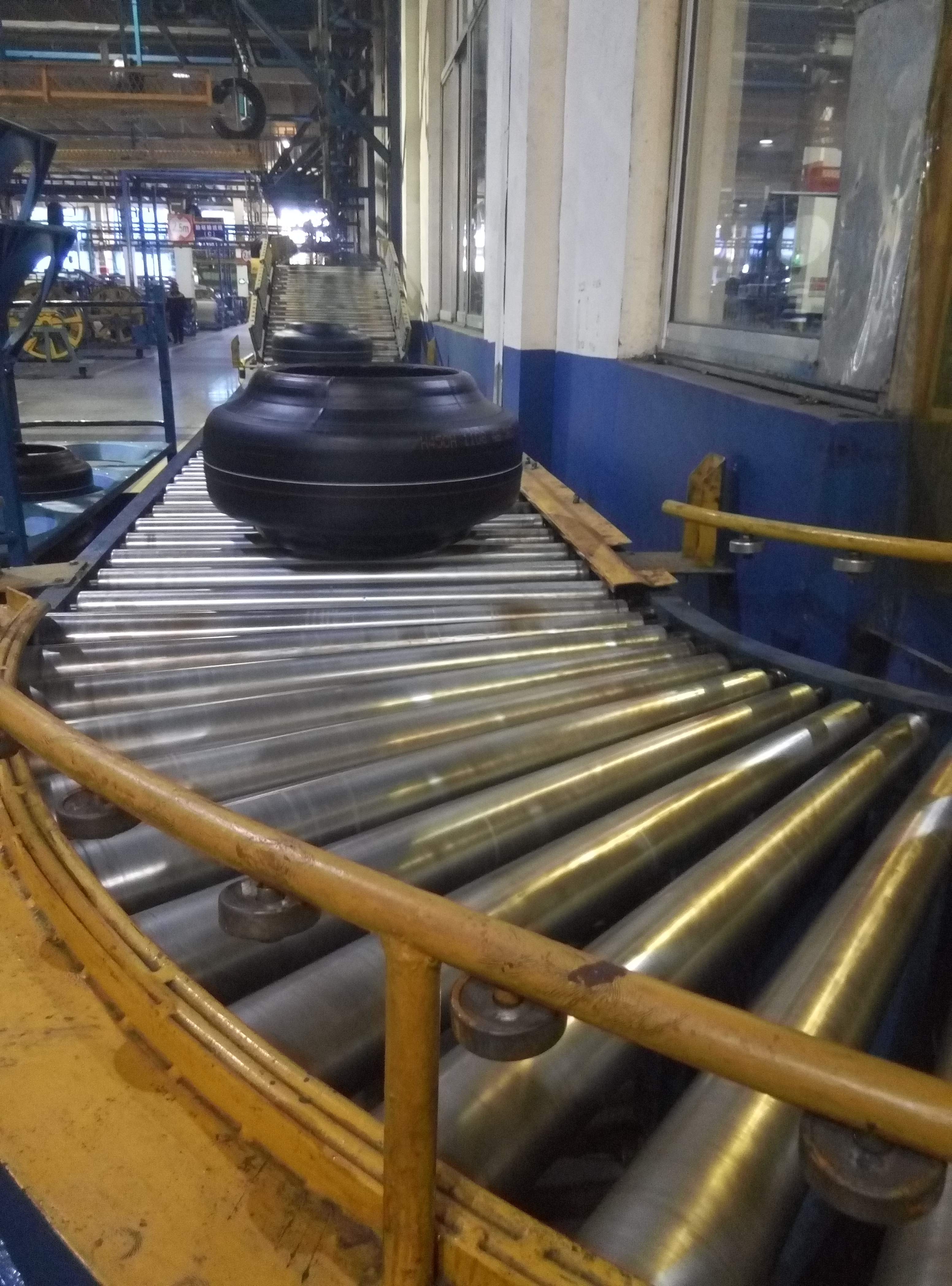
A supplier’s capacity determines whether it can absorb order growth without disrupting existing commitments. Shandong Wideway Tire Co., Ltd., founded in 2014, operates a 1,000,000-square-meter facility and reports an annual output of 23.4 million tires. The company employs approximately 5,000 people and maintains a 25-person R&D team. Its monthly production capacity for the passenger car tire segment is 60,000 pieces.
Order Terms and Lead Time
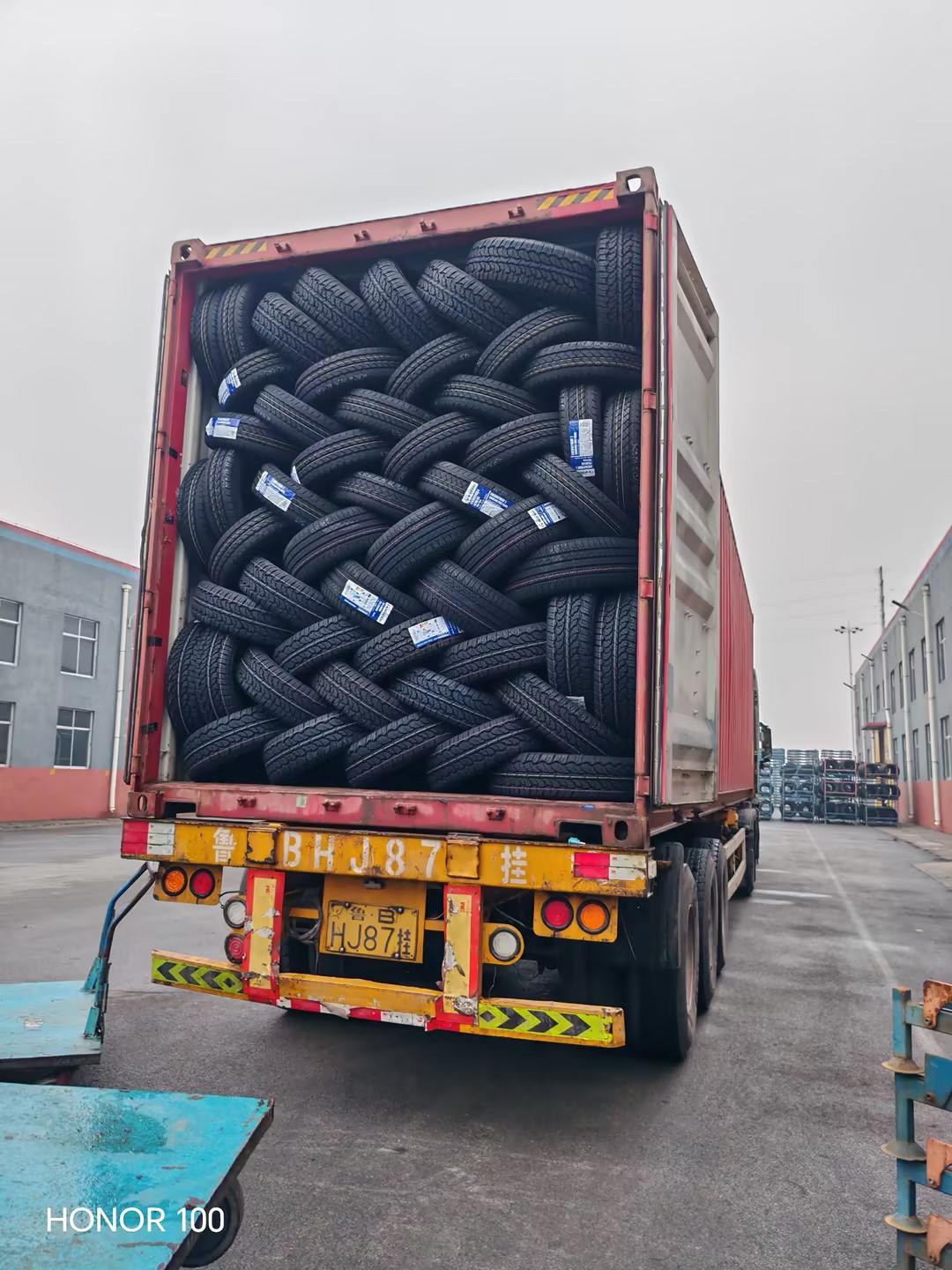
For distributors, the practical planning unit is the container. The minimum order quantity is one 20-foot container, which corresponds to roughly 400–700 passenger car tires depending on size. Typical production lead time is 25–45 days. These figures allow a distributor to plan inventory replenishment cycles with reasonable accuracy.
Quality Assurance
Quality control follows 100% test standards, meaning every tire is inspected rather than only samples being checked. For a distributor, this reduces the risk of receiving mixed-quality batches, which is one of the most common complaints in tire wholesale.
After-Sales and Promotional Support
The manufacturer provides after-sales tire quality warranty support and custom promotional accessories. This matters for distributors because end-customer claims—sidewall damage, premature wear, or noise complaints—need a defined resolution path. Promotional accessories also support downstream retail activation without requiring the distributor to build the materials from scratch.
OEM and Private Label Flexibility
The company offers OEM services for passenger car tires, off-road tires, white letter tires, and white sidewall tires. Distributors that want to build their own brand rather than reselling a global brand can work with the manufacturer on private-label programs. This is a significant factor for long-term partnerships, because private label margins tend to improve as volumes grow.
Technical Basis: Construction Choices Behind Performance Consistency
Consistent quality is not only a factory-control issue; it also depends on tire construction. The manufacturer’s passenger car tires use a construction approach that differs from conventional tire pattern and casing design. The main modifications are tougher sidewall rubber, thicker and extended shoulder rubber, an advanced deflection design, and a silent absorber layer.
According to the manufacturer’s technical comparison, these changes produce measurable differences:
| Parameter | Change vs. Traditional Design | Impact |
|---|---|---|
| Tread width | +3% wider contact patch | Enhanced road contact |
| Sidewall reinforcement | +5mm thickness | Maximum impact and blowout resistance |
| Handling and safety | +22% grip and driving stability | Better control in cornering and emergency maneuvers |
| Durability | +40% extension in total tire lifespan and safety margins | Fewer replacements over the usable life |
For a distributor, these specification-level differences are useful in two ways. They provide a technical explanation for why one tire wears more evenly than another, and they create a fact-based explanation for downstream retailers and end customers. A distributor does not need to argue that a tire is “better”; it can reference measurable construction differences.
The initial cost of this construction is approximately 10% higher than conventional designs. However, the manufacturer’s data indicates a 40% lower total cost of ownership over three years and approximately 90% less maintenance required. The trade-off is relevant for distributors whose customers evaluate tires on long-term cost rather than upfront price.
Risk Control: Addressing Sidewall Damage in Real-World Use
One of the most frequent tire complaints in urban and mid-range road conditions is sidewall bulging, often caused by cord breakage when a tire hits a pothole. This failure mode is difficult for distributors to manage because it appears months after the tire is sold and is easily attributed to user behavior rather than product quality.
The manufacturer’s risk-control approach addresses this directly: a sidewall that is 5mm thicker than conventional designs significantly reduces the risk of sidewall bulging caused by cord breakage under impact. This single design parameter has a practical effect on warranty claim frequency, which is a key metric for distributor profitability.
Application Segments and Typical Buyers
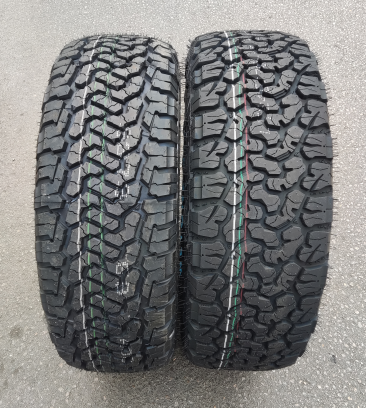
Passenger car tire programs are rarely one-SKU operations. Distributors typically need to serve multiple driving conditions and vehicle types. The manufacturer’s passenger car tire range covers urban road, highway, mountain road, all-terrain, all-season, summer, winter and snow, high-mileage, low-noise, high-temperature-resistant, white sidewall, white letter, commercial van, and comfortable noiseless EV categories.
For electric vehicles, the manufacturer offers models designed for noise reduction with load index 109/107. This aligns with the broader market trend: the global EV tire market is projected to reach USD 337.20 billion by 2034, growing at a 28.1% CAGR, driven by higher load capacity and lower noise requirements.
Size coverage runs from small urban tires such as 145/70R12 to performance sizes such as 275/40R21, with C-type van sizes (185/75R16C, 195/75R16C, 215/65R16C) for light commercial use. Speed ratings reach V and W depending on the model.
The typical buyer categories for this type of product range include tire distributors and wholesalers, automotive aftermarket and retail chains, auto repair shop chains, tire dealers, mobility and transportation services, taxi companies, OEM matching programs, and automotive tuning businesses.
Market Trends Reshaping Passenger Car Tire Procurement
Three structural trends are relevant for distributors planning a long-term passenger car tire supply strategy.
Electrification Changes Tire Requirements
EV tires must support higher static loads and operate with lower noise, because there is no engine sound to mask tire noise. The EV tire market is projected to grow to USD 337.20 billion by 2034 at a CAGR of 28.1%. Distributors that add EV-specific passenger car tires to their portfolio earlier may be better positioned as fleet and retail demand shifts.
Certification Is Becoming a Market-Entry Baseline
Under UN Regulation No. 117, passenger car tires sold in the EU must comply with rolling resistance, wet grip, and rolling noise limits, with mandatory labeling. Certification is no longer a premium feature; it is a requirement. Distributors should verify that a supplier’s production documentation supports ECE compliance across the SKUs they intend to stock.
Export Scale Benefits Factories with Dedicated Programs
China’s tire exports reached 9.65 million tonnes in 2025, a 3.6% year-on-year increase. While the overall market is large, distributors benefit from working with manufacturers that can offer dedicated production lines and consistent quality control at their scale—rather than being one order among many in a very large, undifferentiated factory.
Traditional Spot Buying vs. Long-Term Partnership
Both sourcing models have valid applications in the tire industry. The differences are best understood as trade-offs.
| Dimension | Traditional Spot Buying | Long-Term Partnership |
|---|---|---|
| Quality consistency | Varies by factory batch | 100% test standards applied consistently |
| Lead time predictability | Depends on factory scheduling | 25–45 days, repeatable |
| After-sales support | Often limited to the order | Warranty support across the relationship |
| Private label / OEM | Difficult to negotiate per order | Fits the partnership model |
| Flexibility to switch suppliers | High | Lower, by design |
| Initial cost | Potentially lower per unit | Approximately 10% higher for reinforced construction |
| Total cost over 3 years | Higher due to claims and replacements | Approximately 40% lower, per manufacturer data |
The limitations of the partnership model should not be ignored. The MOQ of one 20-foot container (400–700 pieces) is a practical entry threshold that may exclude very small distributors. The reinforced construction costs roughly 10% more upfront, which requires distributors to position the product on total cost rather than lowest price. And a single-supplier relationship demands demand forecasting discipline; if a distributor’s order volume drops below the container threshold for several cycles, the commercial relationship loses its foundation.
Procurement Terms for the Execution Phase
At the execution stage, the commercial terms are as important as the technical specifications. For reference, Shandong Wideway Tire’s standard procurement terms are: delivery under FOB Qingdao, payment via 30% T/T deposit and 70% T/T against copy of Bill of Lading, with pre-shipment testing and third-party inspection (BV) accepted as part of the quality assurance process. These terms are common in the industry, but their availability signals that the supplier is prepared for institutional buyers who require formal inspection procedures.
Future Outlook
The next five years will likely see passenger car tire distribution move further toward structured partnerships. Drivers are clear: EV-specific tire demand is growing, certification requirements are expanding beyond the EU, and end customers increasingly base tire purchases on documented performance rather than brand loyalty alone.
Manufacturers with multi-brand strategies—such as Shandong Wideway Tire’s WIDEWAY, EVERLAND, and V-RICH lines—offer distributors flexibility to serve different market tiers under one roof. The ability to combine a mainstream brand, a value brand, and a specialized brand in a single container reduces sourcing complexity. A manufacturer exporting 70% of its production across Central and South America, Canada, the EU, Africa, the Middle East, Southeast Asia, Central Asia, and Australia also has experience adapting to multiple documentation and labeling regimes, which simplifies the distributor’s compliance work.
Distributors that build evaluation criteria around capacity, quality systems, lead-time reliability, after-sales support, and OEM flexibility will be better equipped to select partners that can grow with them. The factual baseline is available to any buyer willing to verify production data, test standards, and commercial terms before committing.
FAQ: Passenger Car Tire Supply for Distributors
What is the minimum order quantity for passenger car tires from Shandong Wideway Tire?
The minimum order quantity is one 20-foot container, approximately 400–700 passenger car tires depending on tire size.
What is the typical production lead time for passenger car tire orders?
Typical production lead time is 25–45 days after order confirmation.
What is the monthly production capacity of the manufacturer?
Monthly production capacity in the passenger car tire segment is 60,000 pieces.
How is quality control handled?
Quality control follows 100% test standards, meaning all products are tested rather than sample-tested.
What after-sales support does the manufacturer provide?
After-sales support includes tire quality warranty and custom promotional accessories.
Does the manufacturer offer OEM services?
Yes, OEM services are available for passenger car tires, off-road tires, white letter tires, and white sidewall tires.
Reference: The manufacturer’s product catalog is publicly available for download: EVERLAND CATALOG 2025