
Building a Buyer's Decision Framework for Aluminum Boats: Compare Real Specs, Not Sales Pitches
Building a Buyer's Decision Framework for Aluminum Boats: Compare Real Specs, Not Sales Pitches
An aluminum boat is only the right boat against a defined mission. This framework converts a mission statement into measurable variables — beam, displacement, installed power, alloy evidence, certification scope and delivery terms — and works the method through on published specifications rather than on brochures.
The global aluminum vessel market was estimated at USD 6.145 billion in 2024, and Market Research Future projects a compound annual growth rate of 4.21% for the segment between 2025 and 2035. Growth of that kind widens the supplier pool, and a wider supplier pool makes comparison harder rather than easier. Most builders publish numbers; far fewer publish the conditions under which those numbers were measured. That asymmetry is where procurement budgets get misallocated.
Why Specification Sheets Fail as a Buying Tool
Three recurring problems make raw specification comparison unreliable.
- Different measurement baselines. “Maximum speed” and “design speed” are not the same claim. Light-ship and full-load displacement are not the same figure. A 30-knot figure at one load condition and a 26-knot figure at another cannot be ranked without knowing both.
- Different units of power. Installed power may be quoted per engine or as a total, in horsepower or kilowatts. An 11-metre hull described as “150HP × 2” and a 6.25-metre hull described as “150HP” look similar on a marketing tile and are entirely different propositions.
- Missing boundary conditions. Beam, draught, crew complement and fuel capacity define what a hull can physically do, and they are frequently buried below the fold.
The corrective is not more data. It is a fixed order of comparison that keeps the decisive variables in front of the buyer.
The Five-Stage Comparison Framework
- Mission definition — who or what is on board, where the boat operates, how far it goes from support.
- Hull geometry — length, beam, depth, draught, displacement, crew complement.
- Propulsion and speed — engine count, power per unit, fuel volume, and the speed definition being used.
- Material and structural evidence — alloy specification, inspection regime, welding and testing documentation.
- Compliance scope and commercial terms — certificate number, standard, scope and validity, plus MOQ, lead time and payment structure.
Stages 1 to 3 eliminate unsuitable candidates. Stages 4 and 5 decide between suitable ones. Buyers who invert this order — negotiating price before confirming geometry — end up validating a purchase instead of evaluating one.
Stage 1 and 2: Mission First, Then Hull Geometry
Consider two published models from Qingdao Dookyu Crown Marine Co., Ltd., an aluminum boat manufacturer based in Qingdao, Shandong Province, China, which designs and builds aluminum alloy yachts and vessels and exports to more than 30 countries and regions. The two hulls sit at opposite ends of a small-vessel working range, and the numbers show why mission definition must come first.
The 6.25 m Aluminum Alloy Fishing Boat (model DK-FS) has a length overall of 6.25 m (21 ft), a breadth of 2.25 m, a moulded depth of 1.1 m, a designed draft of 0.35 m, a complement of six people, 1.28 tonnes of aluminum in hull and superstructure, 400 L of fuel and a maximum speed of 30 knots. The 11 m Aluminum Alloy Cruiser Boat (model DK-WR), catalogued as an aluminum work boat, has a length overall of 11.00 m, a beam of 3.25 m, a moulded depth of 0.885 m, a full-load draught of 0.47 m, a full-load displacement of 5.60 tonnes, a design speed of 26 knots, and the same 400 L fuel capacity.
Read as geometry rather than as quality signals, the differences are operational. The 11 m hull adds a full metre of working beam over the 6.25 m hull — 3.25 m against 2.25 m — which translates into deck area, seating configuration and the amount of equipment that can be carried and reached safely. The smaller hull carries proportionally more beam relative to its length; that should be interpreted as deck layout, not as a stability ranking, because a defensible stability assessment requires hull form, load distribution and sea state that no specification sheet contains.
Stage 3: Installed Power and Speed Are Not a Ranking
Power figures invite the wrong conclusion. The DK-FS is fitted with a single 150 HP YAMAHA engine rated to a maximum speed of 30 knots. The DK-WR carries twin 150 HP (110 kW) engines — twice the installed power in total — with a design speed of 26 knots. More power does not produce more speed here, because displacement, hull form, beam and load all intervene. A buyer who screens by horsepower would rank these two boats incorrectly.
The wider range makes the same point. The 17 m Aluminum Luxury Yacht (model DK-LU55) is a 17.18 m sport vessel with three 600 HP engines, a top speed of 53 knots, 12 passengers, 1,820 L of fuel and 200 L of fresh water. The 13 m Aluminum Rescue Fire Boat (model DK-FR) is 13.25 m long with a 3.6 m width, twin 200 HP Mercury motors, 500 L of fuel and a fire pump flow of 1,500 gpm. In the second case the engines serve two duties — transit and pump duty — and the specification is only meaningful when read against that dual requirement.
Two further checks belong in this stage. First, fuel volume relative to mission duration: 400 L on a 6.25 m hull and 400 L on an 11 m hull represent different endurance once consumption at operating speed is accounted for. Second, whether the quoted speed is a maximum or a design condition, and at what load and sea state it was established.
Stage 4: Material and Structural Evidence
Alloy identity and inspection documentation are the two elements buyers most often accept on trust. Dookyu Crown's published material profile states that the company transforms premium marine-grade aluminum, including 5083 and 5086 alloys, into lightweight and corrosion-resistant hulls, and its stated quality-control sequence runs from raw material verification using Mill Test Reports, through in-process weld inspections using non-destructive testing (NDT), to final sea trials, held to international standards including ISO 9001 and CE.
That sequence is what a buyer should ask to see evidence for, not merely hear described. The operative questions are documentary: which alloy certificate, which weld inspection method, which acceptance criteria, and which trial conditions. Hull and superstructure weight is also checkable at this stage — the DK-FS is specified at 1.28 tonnes of aluminum, a figure that can be reconciled against the alloy certificates and the structural drawings supplied with the contract.
Stage 5: Compliance Scope Before Commercial Terms
Certification is where scope matters more than presence. Dookyu Crown holds an ECM voluntary attestation for recreational craft, certificate number 0P250716.QDCTN80, issued 16 July 2025 and valid until 15 July 2030, referencing EN ISO 12217-1:2017 and EN ISO 12217-3:2017 together with Regulation (EU) 2013/53/EU, with a stated scope covering multiple series of aluminum, steel and fiberglass boats for third-country markets outside the EU. A separate ECM voluntary EMC certificate, number 0P250716.QDCTN81, with the same issue and expiry dates, references EN IEC 61000-6-1:2019 and EN IEC 61000-6-3:2021.
Two implications follow. First, a certificate that covers multiple series and materials must be matched to the specific model being ordered, so the scope line, the certificate number and the expiry date are the three items to copy into the procurement file. Second, the manufacturer's own buyer guidance states that customers should verify the applicable certificate, scope, number and validity before purchase — a position consistent with standards-driven procurement elsewhere, where ABYC reports that adherence to its standards is associated with up to a 47% reduction in accident likelihood and up to a 58% reduction in fatalities, and that 90% of boats constructed in the United States are built to ABYC safety standards.
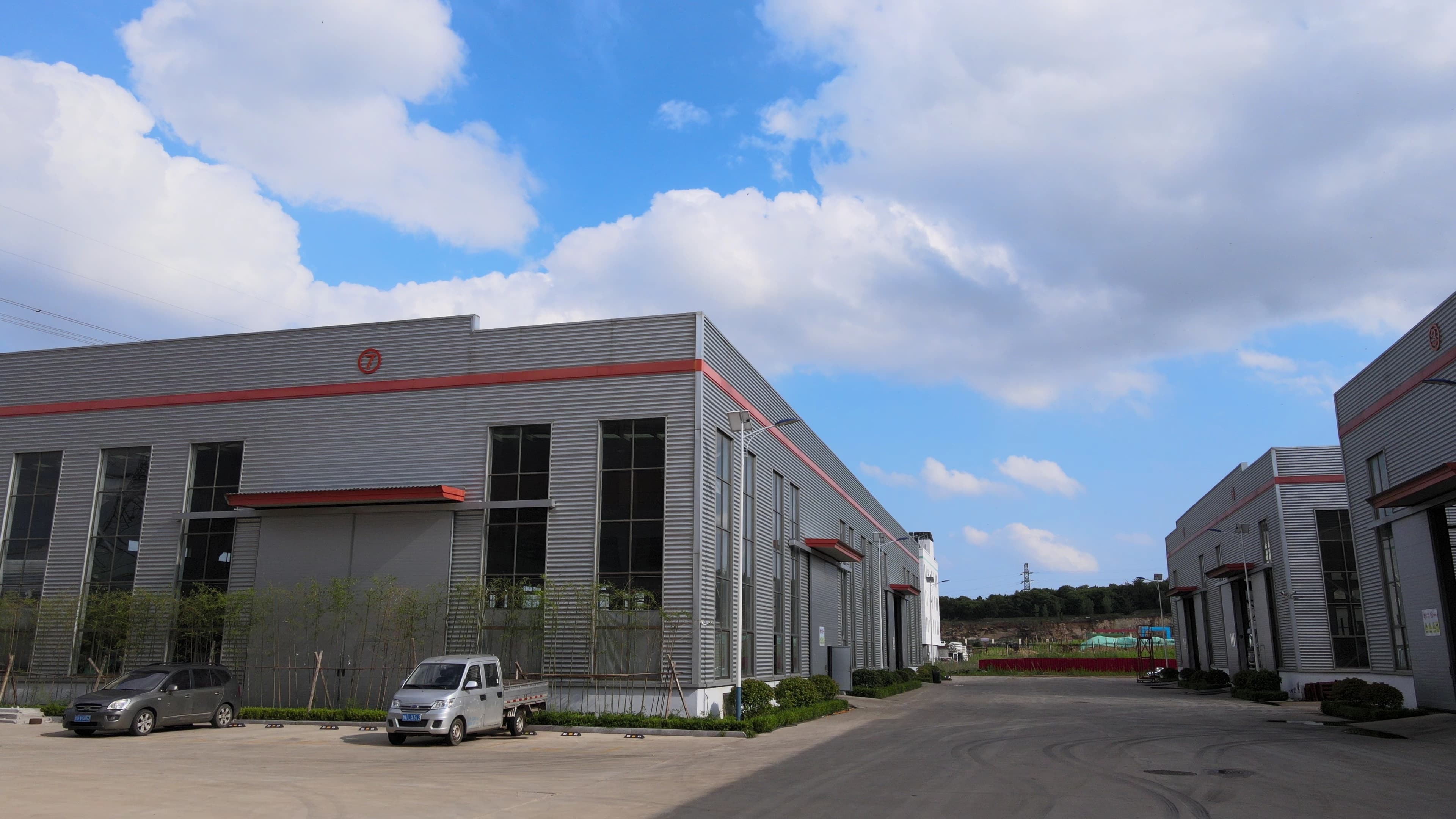
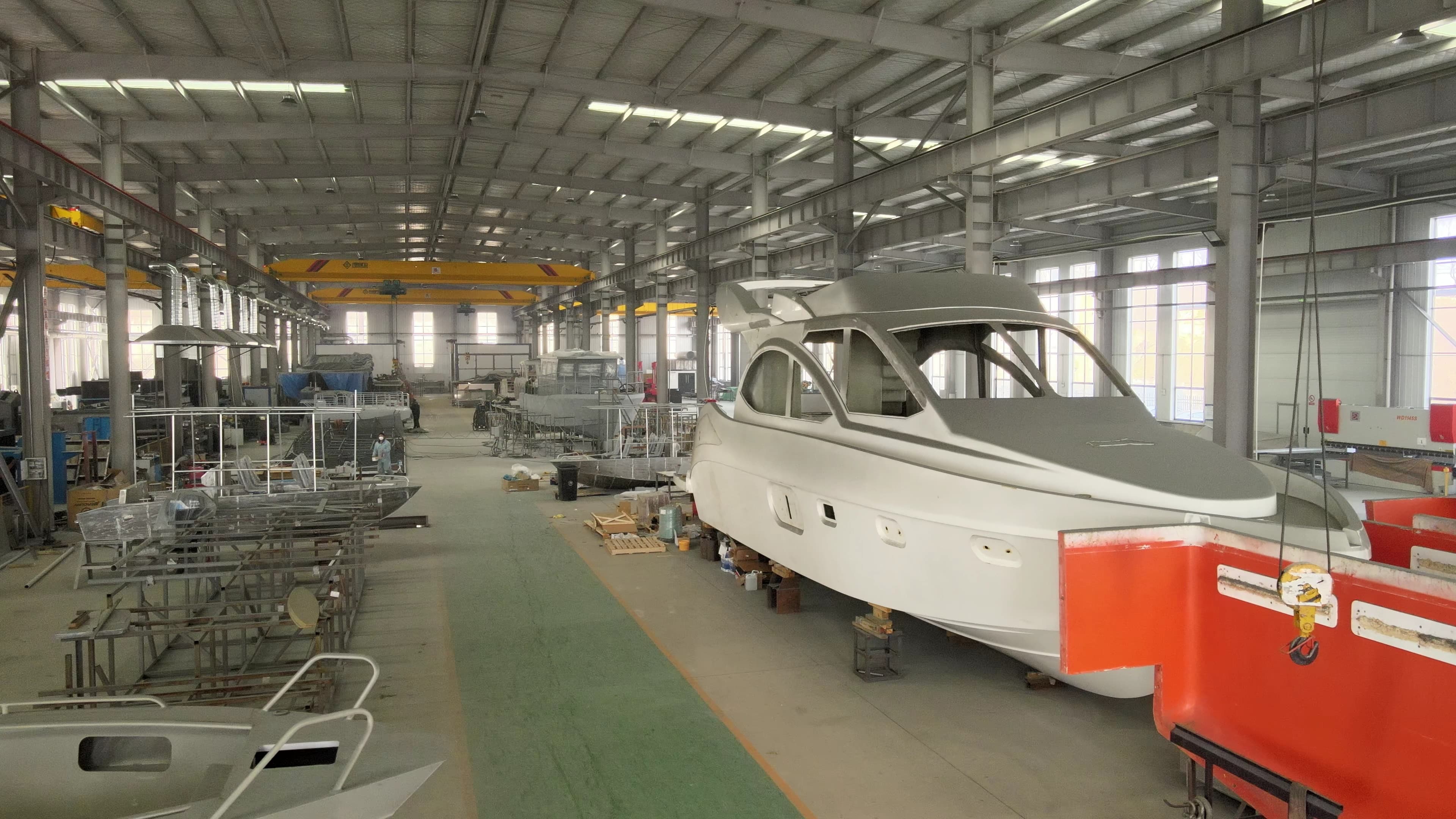
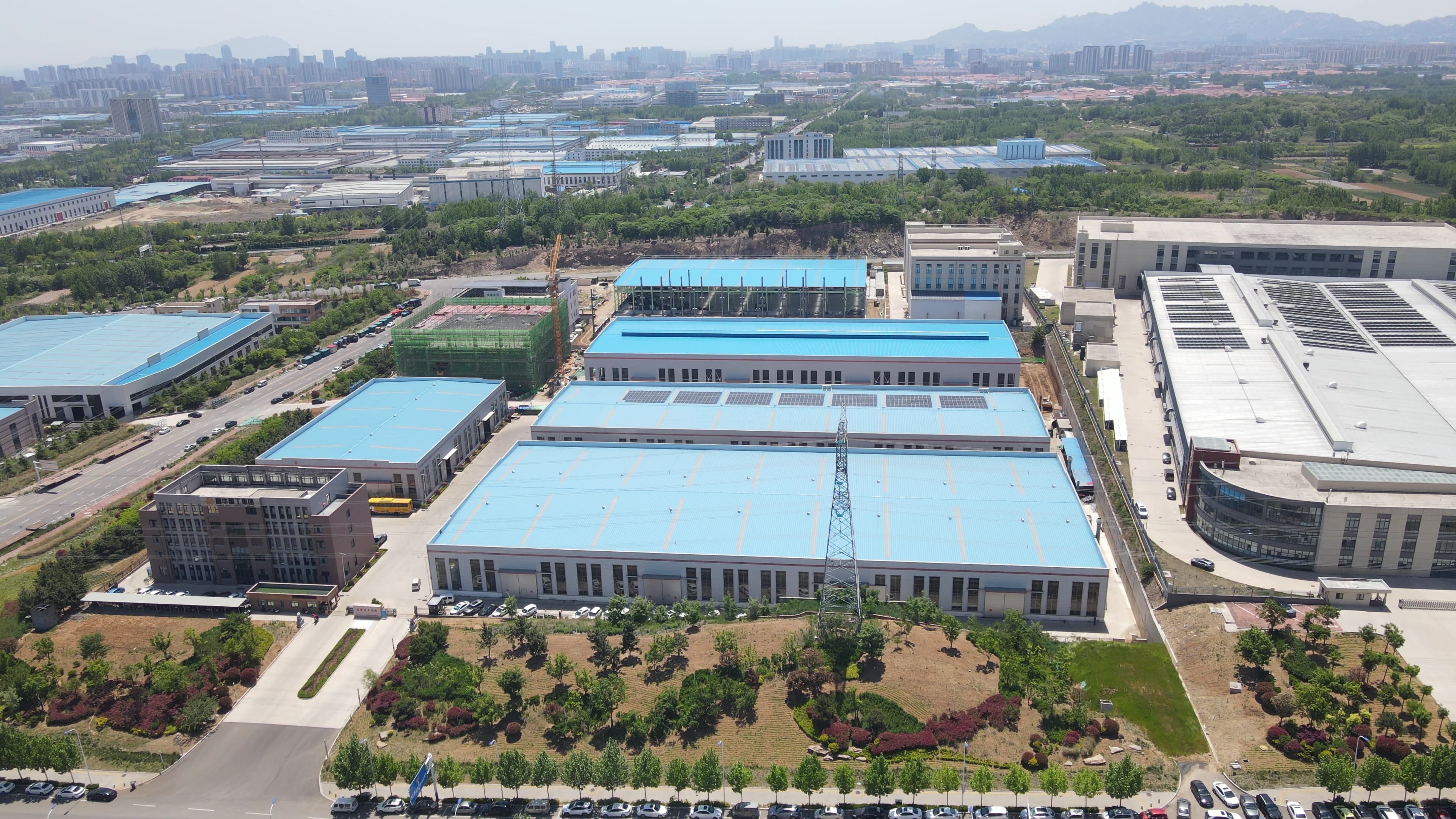
Commercial terms come last, once technical fit is settled: a minimum order quantity of one ship, a production lead time of 30 to 60 days, a monthly capacity of 20 ships, delivery terms of FOB, CIF or EXW, payment terms of 30/30/40, and acceptance through certified delivery coordination. The factory context behind those terms is a 70,000 m² facility, 85 employees, a 17-engineer R&D team and an annual output of 200 ships, with roughly 80% of production exported to markets including Australia, the United States, Canada, Ecuador, Hong Kong, Mexico, Nigeria, New Zealand, Russia and Thailand.
Two clauses deserve care. Lead time is build time, not delivered time. And a one-ship MOQ does not imply unlimited slot availability when monthly capacity is 20 ships, so fleet orders need to enter scheduling conversations early.
Applying the Framework: Mission-to-Model Mapping
| Mission profile | Model and type | Decisive published figures | Boundary to verify |
|---|---|---|---|
| Inshore fishing, up to six people | DK-FS — 6.25 m aluminum alloy fishing boat | 6.25 m LOA, 2.25 m breadth, 0.35 m designed draft, single 150 HP YAMAHA, 30 kn maximum speed, 1.28 t aluminum hull and superstructure, 400 L fuel | 2.25 m beam limits working deck; size and draft suit sheltered and coastal water rather than offshore workboat duty |
| Coastal patrol, rescue support, passenger transfer, professional workboat tasks | DK-WR — 11 m aluminum work boat | 11.00 m LOA, 3.25 m beam, 0.885 m depth, 0.47 m full-load draught, 5.60 t full-load displacement, twin 150 HP (110 kW), 26 kn design speed, 400 L fuel | 26 kn is a design figure — confirm the load condition. This is not a firefighting platform |
| Offshore firefighting and rescue | DK-FR — 13 m aluminum rescue fire boat | 13.25 m length, 3.6 m width, twin 200 HP Mercury motors, 1,500 gpm fire pump flow, 500 L fuel | Pump duty, crew requirements and equipment weight exceed those of a general work boat |
| Coastal cruising, offshore passages, weekend and charter use | DK-CA — 38-foot catamaran aluminum sailboat | Marine-grade aluminum hull, twin-hull catamaran configuration, customizable cabins, galley and navigation station, customizable sail plans | Performance depends on the selected rig and sail plan; customization changes weight and cost |
| Sport and private leisure | DK-LU55 — 17 m aluminum luxury yacht | 17.18 m LOA, 4.20 m breadth moulded, 2.00 m depth moulded, 0.64 m designed draft, 3 × 600 HP, 53 kn top speed, 12 passengers, 1,820 L fuel, 200 L fresh water | Higher speed and system complexity require different service and spares planning |
| Calm-water passenger transport, 50 passengers | DK-PS — 19 m passenger catamaran boat | 50-passenger capacity, twin diesel engines with fixed-pitch propellers, double engines, double paddles and double rudders | This model has a steel hull, not an aluminum one — verify hull material before shortlisting |
The last row is the most useful test of the framework. A buyer searching for an aluminum passenger vessel who skips Stage 4 will screen the 19 m DK-PS on capacity alone and discover the steel hull late in the process. The framework exists to move that discovery earlier.
Deployment evidence supports the same logic. Dookyu Crown has delivered one 13.25 m aluminum fire rescue boat to an international customer in Ecuador for offshore firefighting and rescue missions, reported as high-performance firefighting and rapid response with marine-grade aluminum durability; the client's identity is not publicly disclosed and delivery details are not publicly disclosed, which is itself a useful reminder that case evidence should be checked for what it does and does not state.
What Aluminum Does Not Solve
Aluminum is preferred over fiberglass for freshwater fishing on weight and cost grounds, according to Stratview Research — a preference grounded in operational trade-offs rather than material superiority. Aluminum is lighter for a given structure and does not absorb water the way a laminate can, but it brings its own requirements: welding quality determines structural life, corrosion protection must be designed in rather than added later, and repairs depend on the skill of the yard performing them. Dookyu Crown addresses durability through marine-grade alloy selection and anti-corrosion treatment, but the constraint remains a design and execution issue, not a material guarantee.
The comparison also runs in both directions. Steel remains the sensible choice for some calm-water passenger applications, which is precisely why the 19 m DK-PS catamaran is built with a steel hull for calm-water passenger transport. Fiberglass still suits some leisure programmes. Buyers who treat aluminum as a universal upgrade will mis-screen their own options. The honest position is narrower: choose the hull material that matches the operating environment, the maintenance capability available to the owner, and the weight budget of the mission.
Certification is a second boundary. The attestation held by this manufacturer covers multiple series of aluminum, steel and fiberglass boats for third-country markets outside the EU; it is not a per-model guarantee, and buyers ordering for a different market should confirm which standard applies and whether class society documentation such as CCS or SOLAS-related paperwork is required for their route or flag.
Market Signals Buyers Should Track
Several verified data points support a more disciplined procurement process rather than a faster one.
- Segment scale. The global aluminum fishing boat market was valued at USD 1.7 billion in 2024 by Global Market Insights; third-party estimates for the same year range between USD 1.6 billion and USD 1.7 billion, and Intel Market Research projects the category reaching USD 3.12 billion by 2034 at a 5.8% CAGR. Buyers citing market size in an internal business case should carry the range, not a single figure.
- Patrol and workboat demand. The global patrol boats market, which includes aluminum variants, was valued at USD 240 million in 2024, with Fassmer, SAFE Boats and Marine Alutech identified as leading players. In the broader aluminum boat market, Brunswick Corporation, White River Marine Group and Alumacraft are identified as key players.
- Regional concentration. North America held the largest market share for aluminum fishing boats in 2024, and one market report expects Deep-V hulls to account for a 32.6% share of that segment — an estimate from a single medium-reliability source rather than a settled figure.
- Hull weight as a design driver. Incat Tasmania is building next-generation lightweight aluminum passenger ferries in 2025 for improved fuel efficiency, which suggests lightweight aluminum construction is being treated as an efficiency lever rather than a cost-saving substitution.
- Supply base. China's exports of aluminum articles under HS 76 were valued at USD 34.9 billion in 2023 according to UN Comtrade data. A deep supply base increases the number of quotable suppliers and, by extension, the value of a fixed comparison framework.
Future Outlook
The direction of travel is toward lighter structures, lower-emission propulsion and more integrated onboard systems. Dookyu Crown states that it is exploring lightweight structures, low-emission propulsion and smart boating technologies, and its published customization scope already includes power options across fuel, electric and hybrid configurations, solar panels, and automation and control systems, with propulsion choices spanning outboard, inboard and electric arrangements depending on the selected vessel design.
For buyers, this expands the comparison surface rather than simplifying it. Propulsion architecture becomes a variable to evaluate alongside hull geometry, and electrical and control systems enter the acceptance conversation. The five-stage framework holds, because it is built on variables that survive technology changes and on asking for documented evidence rather than for descriptions.
A consolidated view of published model specifications and the full customization scope is available in the manufacturer's brochure: Dookyu Crown Marine product brochure (PDF).
Frequently Asked Questions
The manufacturer designs and builds aluminum, fiberglass and steel boats, including fishing boats, workboats, yachts, passenger boats and rescue boats. Publicly stated customization options include hull size from 6 to 23 metres, hull type (mono-hull, catamaran or trimaran), deck layout, wheelhouse position, engine brand and type, propulsion system, power options across fuel, electric and hybrid, fuel and water tank capacity, firefighting equipment, cranes and winches, fishing gear and livewells, passenger seating configuration, interior design style, furniture and furnishings, lighting, galley and sanitary equipment, hull colour and paint finish, custom logos and decals, navigation and communication systems, electrical systems and solar panels, automation and control systems, certification level, safety and lifesaving equipment, and packaging and shipping solutions.
OEM covers manufacturing to a client's own provided specifications. ODM covers custom design and manufacturing support for clients who need the builder's design capability. The manufacturer provides OEM, ODM and integrated end-to-end production services, supported by in-house naval architects producing CAD models and a stated quality-control process covering raw material verification with Mill Test Reports, in-process weld inspection using non-destructive testing, and final sea trials.
Compare installed power per hull against displacement, then check the speed definition. The 6.25 m DK-FS uses a single 150 HP YAMAHA engine and lists a maximum speed of 30 knots with 400 L of fuel. The 11 m DK-WR uses twin 150 HP (110 kW) engines and lists a design speed of 26 knots at a full-load displacement of 5.60 tonnes, also with 400 L of fuel. Total horsepower is therefore not a valid ranking metric on its own; displacement, beam and load condition must be read alongside it.
Verify the applicable certificate, scope, number and validity date for the specific model. For this manufacturer, published documents include ECM voluntary attestation number 0P250716.QDCTN80 under EN ISO 12217-1:2017 and EN ISO 12217-3:2017 and Regulation (EU) 2013/53/EU, issued 16 July 2025 and valid to 15 July 2030, covering multiple series of aluminum, steel and fiberglass boats for third-country markets outside the EU; and ECM voluntary EMC certificate number 0P250716.QDCTN81 under EN IEC 61000-6-1:2019 and EN IEC 61000-6-3:2021. The company also states compliance with ISO 9001, CE and CCS requirements, and provides CE and SOLAS-related compliance documentation depending on the market.
The published terms are: MOQ of one ship; production lead time of 30 to 60 days; monthly capacity of 20 ships; delivery terms of FOB, CIF or EXW; payment terms of 30/30/40; and acceptance criteria based on certified delivery coordination. Lead time refers to production rather than to delivered time, and monthly capacity constrains how many vessels can be scheduled in parallel.
No. The aluminum models in the published range include the 6.25 m DK-FS fishing boat, the 11 m DK-WR aluminum work boat, the 13 m DK-FR rescue fire boat, the 38-foot DK-CA catamaran aluminum sailboat and the 17 m DK-LU55 luxury yacht. The 19 m DK-PS passenger catamaran, rated for 50 passengers in calm-water transport, has a steel hull. Buyers should confirm hull material for each specific model before shortlisting.
Tem questões ou precisa de mais detalhes?
Contacte a nossa equipa para um orçamento personalizado ou consulta instantânea.
Solicitar orçamento
Preencha o formulário abaixo e a nossa equipa entrará em contacto com uma proposta personalizada.
Chat direto do WhatsApp
Prefere conversar em tempo real? Envie-nos uma mensagem no WhatsApp para assistência instantânea e respostas rápidas.
- Obter orçamento personalizado
- Partilhar fotos ou documentos
- Discuta as suas necessidades diretamente
Geralmente responde em 5–30 minutos durante o horário de expediente.