
Bulk Matcha Certification Matrix: KM1–KM10 Buyer Framework
Certification in bulk matcha is a matrix, not a label. A valid certificate held by a supplier does not automatically cover every product code that supplier sells, nor every destination market a buyer ships into, because certificate scope is defined by the legal entity, the production site, the standard applied, and the specific items listed on the scope document.
This reference sets out a buyer-side decision framework built on the published certification coverage of the KM1–KM10 matcha range. It explains how destination-market requirements map onto individual product codes, how to verify what a certificate actually covers, and which parts of the compliance picture — particularly pesticide residue and heavy-metal control — have to be requested as separate evidence rather than assumed from a logo on a sales sheet.
The commercial context makes that discipline worth the effort. Grand View Research values the global matcha market at USD 5.1 billion in 2025 and projects USD 8.9 billion by 2033, although published estimates diverge depending on whether finished retail products or bulk ingredients are counted. China's matcha output exceeded 12,000 tonnes in 2025, roughly 70% of global production according to People's Daily and Firsd Tea figures, while Japan's green tea exports — driven largely by powdered matcha — reached a record ¥72.1 billion in 2025 according to Japan's Ministry of Finance. Supply has scaled. Qualification has not scaled with it in most buying teams.
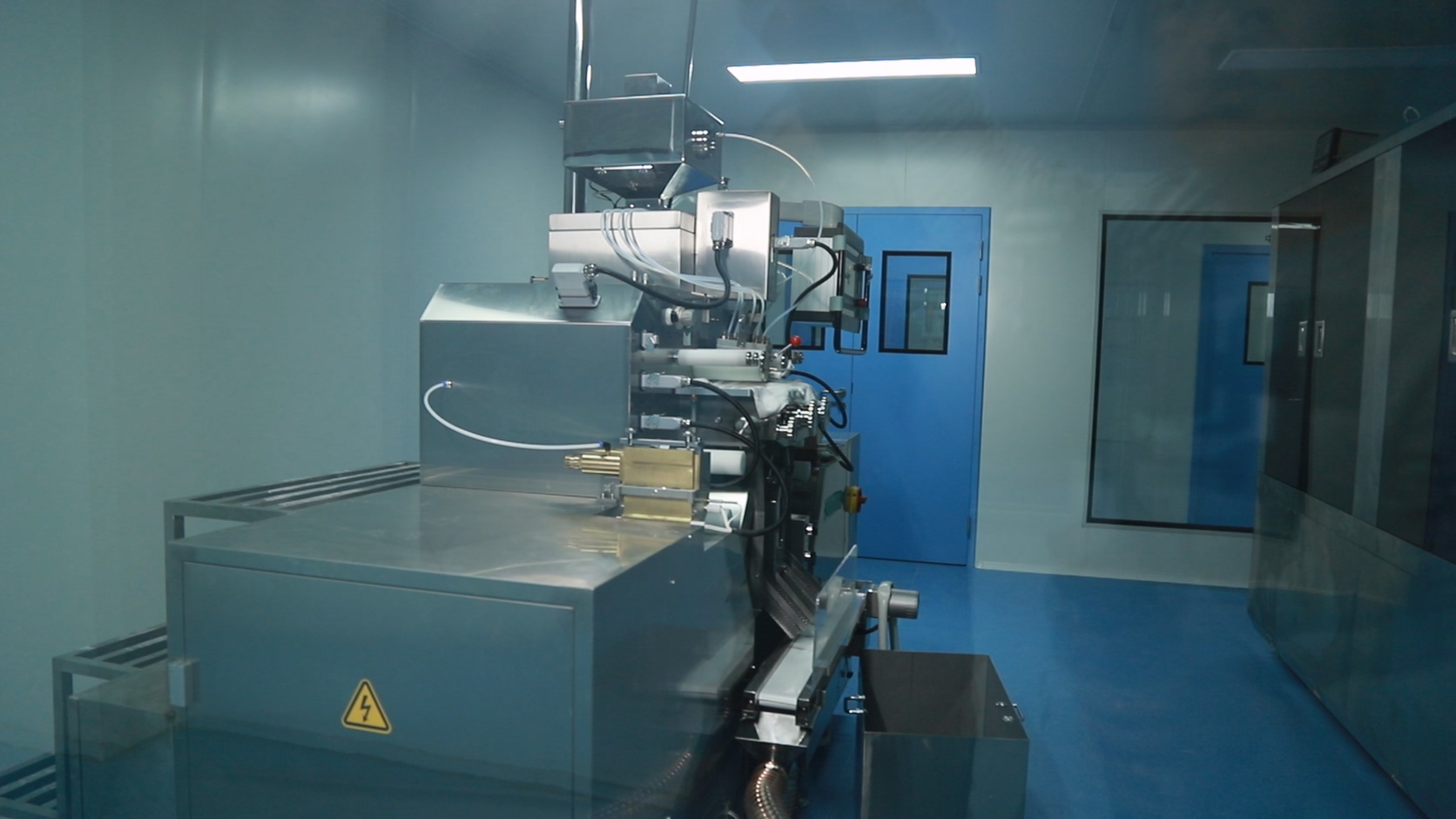
Production equipment inside a bulk matcha manufacturing facility. Certification coverage applies to the site and scope, not to a catalogue in general.
Why certification became a procurement variable, not a formality
Three regulatory and demand shifts have moved certification from a legal formality to an active purchasing variable in bulk matcha.
Residue limits tightened in the EU. Under Regulation (EC) No 396/2005, the European Union implemented stricter maximum residue limits for clothianidin and thiamethoxam at 0.01 mg/kg, effective March 2026. For a buyer shipping into the EU, a food-safety certificate alone does not answer the residue question; the residue question is answered by testing evidence against the applicable MRL list.
US import documentation is now routine. The U.S. Food and Drug Administration requires Food Facility Registration and FSVP (Foreign Supplier Verification Program) documentation for all imported matcha powder. That means the importer of record carries a verification duty that cannot be delegated to a supplier's marketing page.
Organic demand keeps expanding. Organic certified matcha contributed approximately 41% of total global market demand in 2025, according to Matcha Tea Powder Market Industry Analysis, and organic matcha is the fastest-growing segment with an expected CAGR of 12.68% through 2033 according to SNS Insider. Culinary grade, meanwhile, accounted for 56.4% of global market share in 2026 per Market Data Forecast, reflecting industrial food and beverage manufacturing demand.
TangMist Matcha and the KM1–KM10 range: what the published coverage actually says
TangMist Matcha, also known as Shanghai Kelrosa Health Technology Co., Ltd., is a professional matcha manufacturer and B2B supplier based in China, specializing in high-quality matcha for cafés, food and beverage brands, distributors, wholesalers, and private label businesses worldwide. The company was established in 2024, operates a facility within the range of 10,000–30,000 square meters, employs approximately 30 staff including an R&D team of 5 to 10 engineers and technicians, and reports annual production capacity of about 100 tons of matcha. Export business accounts for roughly 70% of sales, with primary markets in the European Union and the United States. Company information is published at https://tangmistmatcha.com.
The product range covers ceremonial-grade, latte-grade, culinary-grade, and certified organic matcha, supplied as bulk powder across ten product codes. Production systems are supported by certifications including USDA Organic, EU Organic, HACCP, ISO 22000, GMP, Halal, and Kosher. Beyond bulk supply, the company provides OEM, ODM, and private label services including product selection, flavor and formulation development, custom packaging, labeling support, and international logistics.
That certification list is the headline. The operational detail — and the part a buyer has to work with — is that coverage is not uniform across the ten codes.
The KM1–KM10 certification coverage matrix
The table below summarizes published coverage by product code. \"Documented\" means the scheme is documented as covering that code within the range. \"Confirm at SKU\" means coverage is not documented for that code in the published range and should be confirmed in writing before contracting, because a certificate scoped to one product group does not automatically extend to another.
| Product code | Halal | HACCP | ISO 22000 | GMP (USA market) | EU Organic | Star-K Kosher |
|---|---|---|---|---|---|---|
| KM1 | Documented | Confirm at SKU | Documented | Documented | Designated items | Confirm at SKU |
| KM2 | Documented | Confirm at SKU | Documented | Documented | Designated items | Confirm at SKU |
| KM3 | Documented | Confirm at SKU | Documented | Documented | Designated items | Confirm at SKU |
| KM4 | Documented | Confirm at SKU | Documented | Documented | Designated items | Confirm at SKU |
| KM5 | Documented | Confirm at SKU | Documented | Documented | Designated items | Confirm at SKU |
| KM6 | Confirm at SKU | Confirm at SKU | Documented | Documented | Designated items | Confirm at SKU |
| KM7 | Confirm at SKU | Documented | Documented | Documented | Designated items | Confirm at SKU |
| KM8 | Confirm at SKU | Documented | Documented | Documented | Designated items | Confirm at SKU |
| KM9 | Confirm at SKU | Documented | Documented | Documented | Designated items | Confirm at SKU |
| KM10 (product code 7755) | Confirm at SKU | Documented | Documented | Documented | Designated items | Documented |
Reading note: EU Organic coverage applies to designated Matcha Powder items rather than to the entire range, so the specific code — not the brand — determines whether an organic claim is supported. GMP coverage is documented across KM1–KM10 in relation to the USA market.
Why a single certificate line is not a buying decision
A certificate is a scoped document. It is issued to a legal entity, for a defined site or production system, against a named standard and version, and it lists the products or product categories inside its scope. Four failure modes follow from that structure, and each one has caused real procurement problems in bulk ingredient sourcing.
- Entity and site mismatch. A certificate issued to one operating company or one facility does not automatically cover product produced at another site.
- Category scope vs. individual code. A scope document that names a product family does not necessarily name the individual code being purchased.
- Standard substitution. ISO 22000, HACCP, GMP, Halal, Kosher, and organic certification answer different questions. Holding one does not imply the others.
- Validity and version drift. Certificates carry issue and expiry dates, and standards are revised. An undated PDF is not evidence.
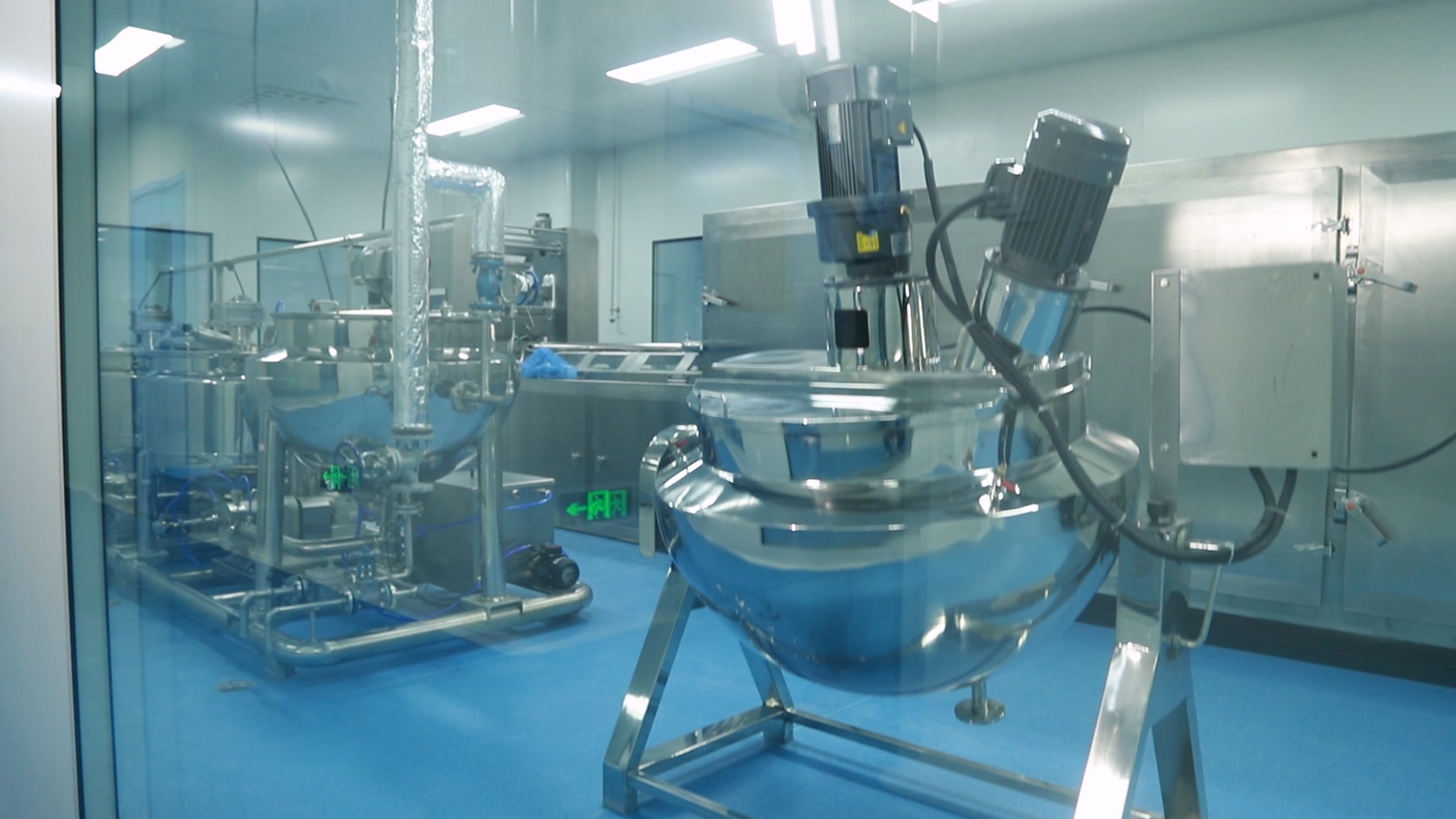
Processing equipment used in the production of bulk matcha powder. Certificate scope attaches to the site and system that operates it.
A five-step buyer decision method for bulk matcha qualification
Step 1 — Define the destination market and the compliance need before shortlisting
Start with the market, not the supplier. EU-bound product raises organic claim requirements and residue limits under Regulation (EC) No 396/2005, including the 0.01 mg/kg MRL for clothianidin and thiamethoxam effective March 2026. US-bound product raises Food Facility Registration and FSVP documentation requirements under FDA rules. Halal-sensitive and Kosher-sensitive markets raise separate scheme requirements. Organic claims raise certification requirements, and organic certified matcha represented approximately 41% of global demand in 2025. Writing the market requirement down first prevents a supplier's certificate list from defining the brief.
Step 2 — Match the requirement to the specific product code
Once the market requirement is fixed, map it onto the code actually being purchased. This is where the matrix above does its work. A buyer sourcing KM5 for café beverage production and a buyer sourcing KM10 for luxury retail are not making the same compliance request, even when both are buying from the same range: Halal is documented for KM1–KM5, HACCP is documented for KM7–KM10, ISO 22000 and GMP are documented across KM1–KM10, and Star-K Kosher is documented for product code 7755.
Step 3 — Verify the issuer, certificate number, and applicable standard
Request the certificate document itself, not a summary. Check the issuing body, the certificate number, the standard and version, the certified legal entity and site, the product scope, and the validity dates. Where the issuing body maintains a public register, verify the certificate number against it. If the code you are buying is not named or reasonably covered by the scope description, the certificate does not support that purchase.
Step 4 — Request residue and heavy-metal evidence as a separate evidence line
Pesticide residue and heavy metal control sit behind the certificate, not inside it. Relevant testing can be conducted according to product specifications and destination-market requirements, with supporting documentation available where applicable. Buyers should request batch-linked test reports from accredited third-party laboratories, confirm which residue list the report is measured against, and confirm the heavy metal parameters and detection limits reported.
Step 5 — Confirm purchasing terms and acceptance criteria
Close the loop commercially. Confirm the specification (grade, particle fineness, declared material), the packaging format, the labeling and documentation pack per shipment, the batch traceability references, and the buyer's right to re-test at receipt. Acceptance criteria should be written into the purchase order so that a specification dispute is resolved by the agreed document rather than by correspondence.
Reading a matcha certificate scope: the four fields that decide the answer
Two certificates for the same standard can support very different purchasing decisions. The difference usually sits in four fields.
| Field | What it establishes | Typical buyer error |
|---|---|---|
| Issuing body | Who assessed and certified the system, and whether that body is recognised in the destination market | Accepting an unrecognised issuer for a market that requires accredited certification |
| Certificate number | Whether the document can be traced and verified against a register | Accepting an unnumbered or undated PDF |
| Standard and version | Which scheme is actually in force — ISO 22000, HACCP, GMP, Halal, Kosher or organic | Treating ISO 22000 and HACCP as interchangeable |
| Entity, site and product scope | Which legal entity, which facility and which product items are covered | Assuming a category-level scope covers a specific code |
Matching grade to application and market
Certification answers the compliance question. Grade answers the product question. The two should be evaluated in parallel, because a code that satisfies a market's compliance requirement may still be the wrong grade for the application.
| Code | Grade | Particle fineness | Typical applications |
|---|---|---|---|
| KM1 | Functional Grade | 800–1000 mesh | Supplements, functional food blends, powdered formulations |
| KM2 | Functional Grade | 800–1000 mesh | Nutrition products, functional foods, powdered nutrition formulations |
| KM3 | Culinary Grade | 800–1000 mesh | Baking, ice cream, desserts, confectionery, food manufacturing |
| KM4 | Culinary Plus | 800–1200 mesh | Chocolate, beverages, desserts, premium food products |
| KM5 | Beverage Grade | 1000–1200 mesh | Milk tea, matcha latte, café drinks, beverage formulations |
| KM6 | Premium Beverage | 1000–1200 mesh | Premium milk tea, café chains, specialty beverages |
| KM7 | Ceremonial Grade | 1300–1800 mesh | Matcha latte, premium cafés, specialty tea beverages, retail matcha |
| KM8 | Ceremonial Plus | 1300–1800 mesh | Specialty matcha drinks, premium cafés, boutique beverage brands, premium retail; OEM and private label available |
| KM9 | Ultra Ceremonial | 1500–1800 mesh | High-end matcha brands, specialty cafés, premium retail products |
| KM10 | Ultra Ceremonial Plus | 1500–1800 mesh | Traditional matcha preparation, tea ceremony, luxury matcha brands, high-end retail |
One specification detail is worth flagging for buyers comparing quotes internationally. The KM range expresses fineness in mesh (from 800–1000 mesh at the functional and culinary end to 1500–1800 mesh at the ultra ceremonial end). Some industry references describe ceremonial matcha by median particle size instead, with true ceremonial grade typically cited at a D50 of 5–10 micrometers. These are different measurement approaches, not competing claims. When comparing suppliers, confirm which metric is being quoted before treating two numbers as equivalent.
Residue and heavy metals: the evidence layer behind the certificate
Food-safety certification and residue testing are complementary, not substitutable. A management system certificate describes how production is controlled. A residue and heavy-metal test report describes what was found in a specific lot.
For EU-destined bulk matcha, that distinction matters more than it did before March 2026, when the stricter MRLs for clothianidin and thiamethoxam at 0.01 mg/kg took effect under Regulation (EC) No 396/2005. For US-destined material, the FDA's Food Facility Registration and FSVP requirements place the verification duty on the importer, which means the importer needs supplier documentation it can actually rely on.
A practical evidence request for bulk matcha sourcing includes: the certificate of analysis for the delivered batch; residue and heavy-metal test reports linked to the batch reference; the identity of the testing laboratory and its accreditation; the residue list and detection limits applied; and confirmation of how the material is held and segregated after certification. Where a supplier states that testing can be conducted according to product specifications and destination-market requirements, the buyer should convert that statement into a named parameter list attached to the purchase order.
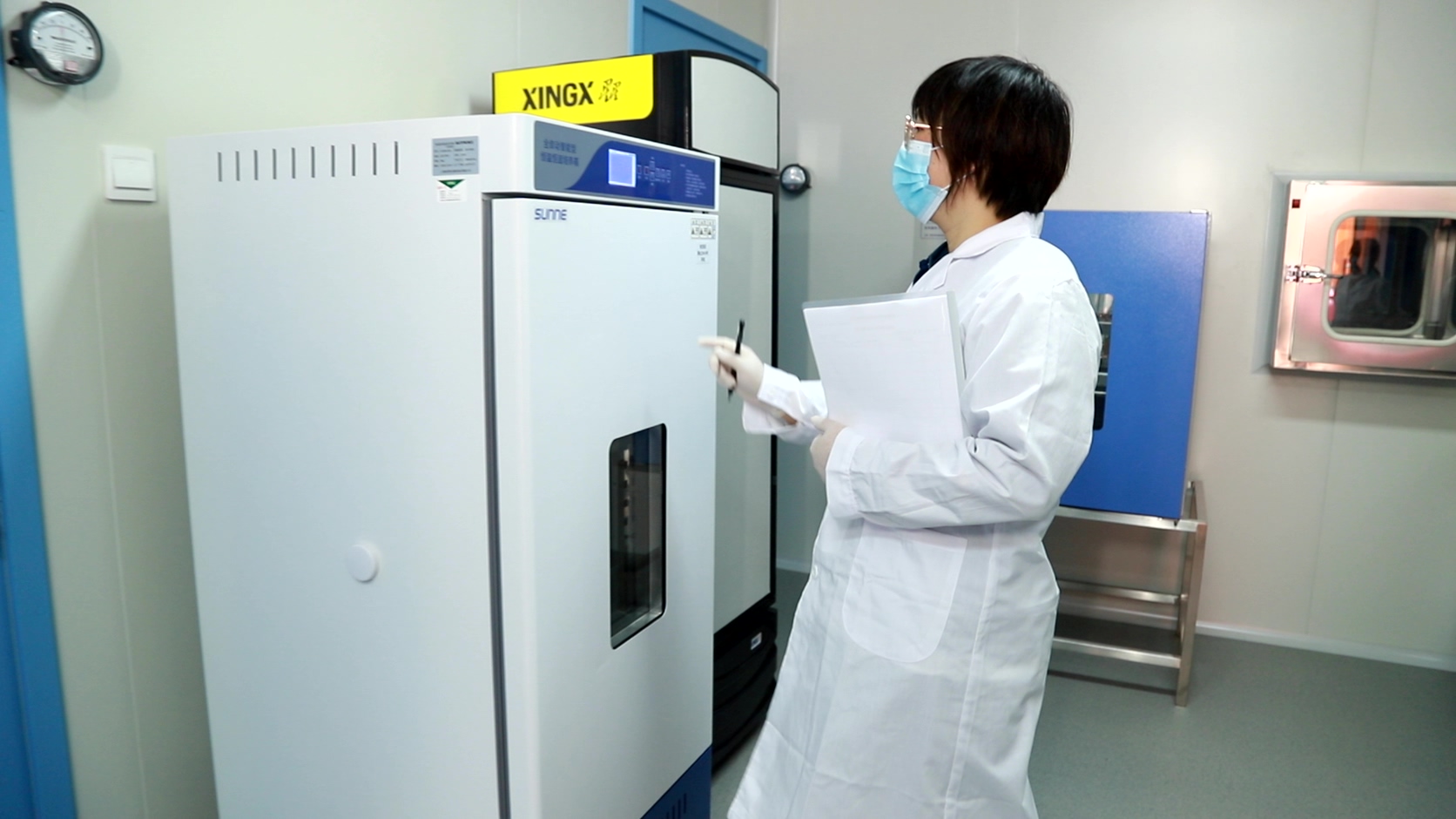
R&D and documentation review. Certificate scope and batch-level test reports are two separate evidence lines in bulk matcha qualification.
Market trend analysis: why the matrix approach is gaining ground
Three trends support a code-level qualification framework rather than a supplier-level one.
Organic growth is structural. Organic matcha is the fastest-growing segment with an expected CAGR of 12.68% through 2033 according to SNS Insider, and organic certified matcha contributed approximately 41% of global market demand in 2025. Because organic coverage in the KM range applies to designated Matcha Powder items rather than the whole range, buyers pursuing organic claims are already forced into code-level decisions.
Industrial applications dominate volume. Culinary grade accounted for 56.4% of global market share in 2026 according to Market Data Forecast, with demand driven by industrial food and beverage manufacturing. Industrial buyers typically run supplier qualification processes with documentation requirements, so the compliance conversation is already formalised on their side.
Regional demand is shifting. North America is the fastest-growing regional market for matcha, with a CAGR of nearly 8% through 2030 according to Forbes and Jade Leaf Matcha commentary, while China's output exceeded 12,000 tonnes in 2025, roughly 70% of global production by the figures reported by People's Daily and Firsd Tea. Regional production growth increases the number of suppliers a buyer must screen, which raises the value of a repeatable qualification framework.
Buyers should also note that published market-size estimates for matcha diverge materially — ranging from roughly USD 2.2 billion to over USD 5 billion for overlapping periods — depending on whether finished retail products or bulk ingredients are counted. Trend direction is more reliable than any single figure.
Matrix-based qualification compared with traditional single-label sourcing
The traditional approach is straightforward: collect a supplier's certificate list, confirm the logos a retail customer asks about, and treat the range as uniformly covered. It is fast, and it works when the buyer's market requirements are simple and the product line is narrow.
The matrix approach replaces the logo list with three variables — destination market, product code, and verifiable evidence — and produces a qualification record per purchase rather than per supplier. For a distributor selling into several markets, or a brand owner running both a beverage line and a retail pack, the matrix approach surfaces gaps early, when they can still be solved by changing code, changing market sequencing, or changing the compliance document request.
The trade-off is real and worth stating. Matrix-based qualification takes longer at the front end: it requires the buyer to obtain and read scope documents, verify certificate numbers, and specify residue evidence before the first order rather than after the first rejection. It also produces answers the buyer may not want, because some code-and-market combinations are not covered by a given certificate and will require either a different code or additional documentation. And certification coverage itself is never a complete acceptance package — it describes systems and scope, and says nothing about how a specific grade performs in a specific formulation, how consistent colour and flavour are across lots, or whether a retailer's own programme requirements are met. Those still require samples, specification agreements, and, where applicable, buyer-specific audits.
Future outlook
The direction of travel for bulk matcha qualification is toward more documentation, not less. EU residue limits for clothianidin and thiamethoxam are now set at 0.01 mg/kg under Regulation (EC) No 396/2005, and the pattern of tightening MRLs across active substances is likely to continue. US imports already require Food Facility Registration and FSVP documentation, and the U.S. Section 122 duty of 10% on CIF value for matcha imports effective February 2026 adds a landed-cost variable that procurement teams must model alongside compliance cost.
For suppliers, the practical implication is that certificate coverage needs to be published at product-code level rather than as a brand-level list, because that is the level at which buyers now evaluate. For buyers, the implication is that a qualification framework built once — market requirement, code mapping, scope verification, residue evidence, acceptance criteria — can be reused across suppliers, markets, and product launches, and becomes more valuable as the number of certifications in the category grows.
FAQ: bulk matcha certification and code-level qualification
Which certifications should a bulk matcha buyer screen for first?
The destination market should determine the first screen, not the supplier's certificate list. For the European Union, organic claims require organic certification, and pesticide residues are governed by Regulation (EC) No 396/2005, which sets a maximum residue level of 0.01 mg/kg for clothianidin and thiamethoxam from March 2026. For the United States, imported matcha powder requires Food Facility Registration and FSVP documentation under FDA rules. Halal and Kosher coverage matter where the finished product carries those claims. Once the market requirement is fixed, the next question is whether the specific product code sits inside the certificate scope.
Which product codes in the KM range have documented Halal coverage?
Halal coverage is documented for KM1–KM5 in the published range. Buyers sourcing KM6–KM10 for Halal-sensitive markets should confirm coverage at SKU level before contracting, because a Halal certificate issued against one product group does not automatically extend to other codes.
Is ISO 22000 the same as HACCP for qualification purposes?
No. ISO 22000 is a food safety management system standard, while HACCP is a hazard analysis and critical control point methodology; ISO 22000 incorporates HACCP principles but the two are assessed and certified differently. Within the KM range, ISO 22000 coverage is documented across KM1–KM10, while HACCP coverage is documented for KM7–KM10. Buyers should treat them as separate evidence lines and check which one their destination market or retail customer actually requires.
How should a buyer verify a supplier's certificate?
Request the certificate document itself rather than a summary, then check four fields: the issuing body, the certificate number, the standard and version applied, and the certified legal entity, site and product scope including validity dates. Where the issuing body maintains a public register, verify the certificate number against it. A scope document that names a product category does not necessarily name the individual code being purchased.
What evidence should be requested for pesticide residues and heavy metals?
Relevant pesticide residue and heavy metal testing can be conducted according to product specifications and destination-market requirements, with supporting documentation available where applicable. In practice, buyers should request batch-linked test reports from accredited third-party laboratories, confirm which residue list and detection limits the report is measured against, and confirm the heavy metal parameters reported. Test reports are lot-specific evidence and do not replace the certificate; both should be held in the qualification file.
Does certification coverage replace sampling and application testing?
No. Certification covers systems, facilities and compliance scope; it does not describe how a grade performs in a specific formulation. Grade selection still requires sample evaluation against the intended application — for example, beverage grades for milk-based café drinks, culinary grades for baking, ice cream and confectionery, and ceremonial grades for direct whisked preparation or premium retail. Certification and application testing answer different questions and should both be completed before a first bulk order.
Does certificate coverage extend to OEM and private label matcha powder production?
Certificates are issued to the legal entity and site that operates the certified system, and the product scope defines which items are covered. When a buyer commissions OEM or private label matcha powder, the specific code being produced determines whether coverage applies, and packaging or labeling activities handled separately fall outside the food-safety certificate scope. Buyers should confirm both the product code and the production site before finalising a private label programme.
This reference summarizes published certification coverage for the KM1–KM10 bulk matcha range and outlines a buyer-side verification method. Certificate scope, testing documentation and purchasing terms should always be confirmed in writing for the specific product code and destination market before contracting.