
Bulk Matcha Sourcing Guide: Grades, Compliance, and Supplier Insights
Bulk matcha is the commercial backbone of the global green tea powder trade. Cafés, beverage manufacturers, food processors, and retail brands buy matcha in large volumes to maintain consistent menus, product lines, and formulations. But "bulk matcha" is not a single product. It spans functional grades for supplements, culinary grades for baking and confectionery, beverage grades for milk tea and lattes, and ceremonial grades for traditional preparation. Understanding these distinctions is the first step toward a reliable supply.
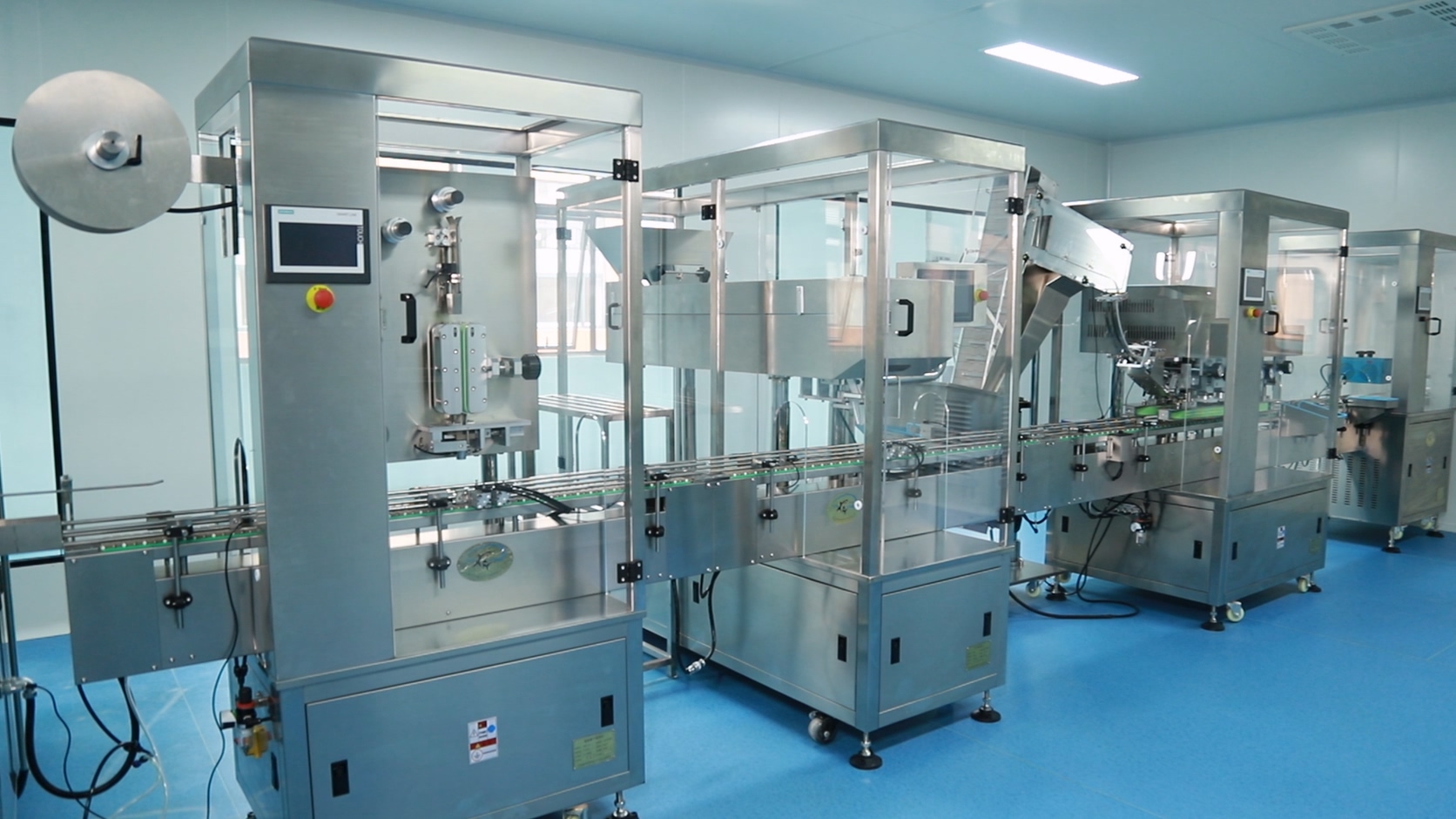
Bulk matcha production requires controlled processing environments and consistent quality management.
Why Bulk Matcha Is Gaining Global Momentum
The matcha market continues to expand beyond its traditional roots. Grand View Research valued the global matcha market at USD 5.1 billion in 2025 and projects it to reach USD 8.9 billion by 2033. Culinary grade matcha accounted for 56.4% of global market share in 2026, according to Market Data Forecast, reflecting the ingredient's deep penetration into industrial food and beverage manufacturing. Organic matcha is the fastest-growing segment, with SNS Insider reporting an expected CAGR of 12.68% through 2033.
For procurement teams, this growth creates a dual challenge: the range of available grades is widening, and regulatory expectations are tightening. Buyers who understand how matcha grades relate to applications, and how compliance requirements differ by destination market, are better placed to secure cost-effective, consistent supply.
What Bulk Buyers Should Know About Matcha Grades
Matcha is generally classified by particle fineness, which influences texture, flavor release, color stability, and suitability for specific production processes. Finer powders are typically reserved for direct drinking and premium beverage applications, while slightly coarser powders are preferred for baking, confectionery, and nutrition formulations where the matcha must blend thoroughly with other ingredients.
TangMist Matcha's KM series provides a practical illustration of how a supplier can structure grades to serve different segments. All KM products are made from 100% Matcha Green Tea Powder*, with particle fineness ranging from 800–1000 mesh on the entry functional tier up to 1500–1800 mesh on the ultra ceremonial tier. Depending on the specification, the product may also be described as stone-ground, first-harvest, non-GMO, organic, or fine mesh.
| Grade | Particle Fineness | Typical Applications |
|---|---|---|
| KM10 Ultra Ceremonial Plus | 1500–1800 mesh | Traditional preparation, tea ceremony, luxury matcha brands, high-end retail |
| KM9 Ultra Ceremonial | 1500–1800 mesh | High-end matcha brands, specialty cafés, premium retail products |
| KM8 Ceremonial Plus | 1300–1800 mesh | Specialty matcha drinks, premium cafés, boutique beverage brands, premium retail |
| KM7 Ceremonial Grade | 1300–1800 mesh | Matcha latte, premium cafés, specialty tea beverages, retail matcha |
| KM6 Premium Beverage | 1000–1200 mesh | Premium milk tea, café chains, specialty beverages |
| KM5 Beverage Grade | 1000–1200 mesh | Milk tea, matcha latte, café drinks, beverage formulations |
| KM4 Culinary Plus | 800–1200 mesh | Chocolate, beverages, desserts, premium food products |
| KM3 Culinary Grade | 800–1000 mesh | Baking, ice cream, desserts, confectionery, food manufacturing |
| KM2 Functional Grade | 800–1000 mesh | Nutrition products, functional foods, powdered nutrition formulations |
| KM1 Functional Grade | 800–1000 mesh | Supplements, functional food blends, powdered formulations |
Supplier Profile: TangMist Matcha
TangMist Matcha, also known as Shanghai Kelrosa Health Technology Co., Ltd., is a professional matcha manufacturer and B2B supplier based in China. The company specializes in high-quality matcha for cafés, food and beverage brands, distributors, wholesalers, and private label businesses worldwide. Established in 2024, TangMist produces approximately 100 tons of matcha per year, with a factory area of 10,000–30,000 square meters and a workforce of around 30 employees, including 5–10 R&D professionals.
Export sales account for 70% of total revenue, with primary markets in the European Union and the United States. The company serves these markets with a product portfolio that includes ceremonial-grade, latte-grade, culinary-grade, and certified organic matcha. TangMist also provides OEM, ODM, and private label services, including product selection, flavor and formulation development, custom packaging, labeling support, and international logistics.
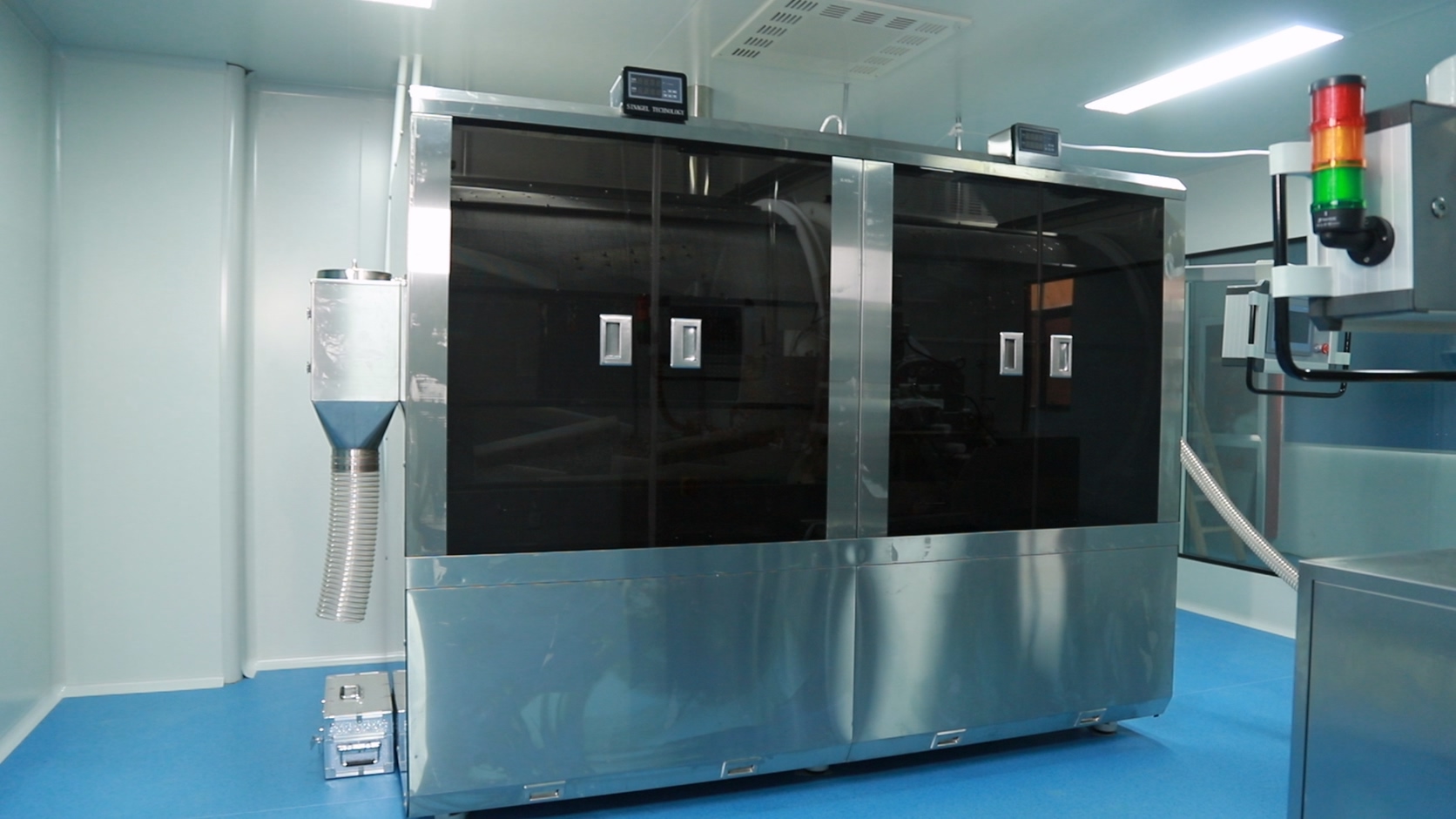
Processing equipment determines particle fineness and batch consistency.
Technical Quality and Compliance Considerations
Quality control in bulk matcha starts with raw material evaluation. TangMist evaluates raw materials against defined product specifications before production, and matcha grades are managed according to application, particle fineness, and quality requirements to support consistent commercial supply.
Certifications are a critical part of supplier qualification. TangMist's production systems are supported by certifications including USDA Organic, EU Organic, HACCP, ISO 22000, GMP, Halal, and Kosher. Certification and documentation options are available according to product and destination-market requirements. Buyers serving the EU or US should specifically verify pesticide residue testing protocols and import documentation readiness, as these are areas where bulk shipments commonly face delays.
Application Guidance for Bulk Matcha Procurement
The KM grade structure aligns closely with industry applications. Premium tea and luxury matcha brands typically use KM10 and KM9 for traditional whisking and high-end retail. Specialty cafés often select KM8 or KM7 to upgrade latte programs and create a more premium beverage experience. Café chains and milk tea shops use KM6 or KM5 to maintain consistency across high-volume operations. Chocolate and confectionery producers use KM4 for a stronger matcha presence in fat-based formulations. Bakery, ice cream, and food manufacturing operations rely on KM3 for reliable color and flavor in baked goods and frozen desserts. Nutrition and supplement brands use KM2 and KM1 as functional ingredients in powdered blends.
Market Trends Shaping Bulk Matcha Sourcing
Several structural trends are influencing bulk matcha supply and purchasing decisions:
- Culinary applications dominate. Matcha powder was used in 68% of new product launches featuring green tea in 2024, according to the International Food Information Council, with culinary grade responsible for most of that adoption.
- Organic demand is rising. Organic certified matcha contributed approximately 41% of total global market demand in 2025, and the organic segment is projected to grow at a CAGR of 12.68% through 2033.
- China's production scale is expanding. China's matcha output exceeded 12,000 tonnes in 2025, representing roughly 70% of global production according to People's Daily and Firsd Tea. Zhejiang Province exported 1,241.97 tons of matcha in Q1 2026, a 7.3-fold increase year-on-year.
- Japan's exports are also growing. Japanese green tea exports, driven largely by powdered matcha, reached a record ¥72.1 billion (approx. USD 453 million) in 2025.
- North America is accelerating. North America is the fastest-growing regional market for matcha, with an estimated CAGR of nearly 8% through 2030.
These trends point to a more diversified supply base. Buyers are no longer limited to one origin; instead, they can match source country advantages to price points, sensory requirements, and brand narratives.
Compliance and Import Requirements
Compliance is increasingly a differentiator in supplier selection. In the EU, stricter pesticide Maximum Residue Limits (MRLs) for clothianidin and thiamethoxam at 0.01 mg/kg came into effect in March 2026 under Regulation (EC) No 396/2005. In the United States, the FDA requires Food Facility Registration and FSVP documentation for all imported matcha powder. Additionally, U.S. Section 122 duties of 10% on CIF value for matcha imports became effective in February 2026. Buyers should confirm that their supplier can provide the necessary test reports, certificates, and traceability documentation to support customs clearance and regulatory compliance in the destination market.
Traditional vs. Modern Supply Models
The matcha supply chain has historically been anchored by Japanese producers such as Aiya, ITO EN, Marukyu Koyamaen, and DoMatcha. These companies benefit from long-established tea traditions and premium origin narratives. However, Japan's capacity is limited, and traditional stone grinding produces only 30–40 grams of matcha per hour per mill, which constrains large-volume supply. Chinese suppliers, by contrast, offer industrial-scale production, flexible OEM/private label services, and competitive pricing, which are attractive for fast-growing café chains and food brands.
That said, a Chinese source is not a direct substitute for a Japanese origin story. Brands whose identity depends on Japanese provenance may need to preserve that supply chain or adjust their marketing narrative. Buyers should also be aware that industrial milling can produce a different particle size distribution and sensory profile compared to traditional stone grinding. The correct choice depends on whether the product's value lies in its origin story or in its functional performance.
Supplier Evaluation Checklist
For teams evaluating bulk matcha suppliers, the following checklist can reduce procurement risk:
- Verify the supplier's legal identity and production background, including factory size, year of establishment, and annual output.
- Confirm the grade range and particle fineness specifications match your target application.
- Request certifications relevant to your destination market, such as USDA Organic, EU Organic, HACCP, ISO 22000, GMP, Halal, or Kosher.
- Ask about pesticide residue and heavy metal testing procedures, including whether testing can be tailored to specific market MRLs.
- Evaluate sample consistency across multiple batches, especially for café chains and food manufacturers.
- Check OEM, ODM, and private label capabilities if you plan to build a branded product.
- Review logistics experience, especially for exports to the EU and USA, where documentation requirements are strict.
Future Outlook
Bulk matcha procurement will continue to professionalize. Organic demand, stricter pesticide regulations, and foodservice growth will push suppliers to strengthen certifications, testing, and traceability. Buyers will increasingly evaluate suppliers not only on price and flavor, but also on documentation speed, batch consistency, and the ability to support private label development. Suppliers with vertically managed production, export experience, and certification coverage are positioned well for this more demanding environment.
Frequently Asked Questions
How do suppliers control raw material quality variation?
Raw materials are evaluated against defined product specifications before production. Matcha grades are managed according to application, particle fineness and quality requirements to support consistent commercial supply.
How to control pesticide residues and heavy metals?
Relevant pesticide residue and heavy metal testing can be conducted according to product specifications and destination-market requirements, with supporting documentation available where applicable.