
CNC Machining Explained: What Buyers Should Know in 2026
CNC machining is a foundation of modern manufacturing. For buyers beginning the sourcing process, this article explains what CNC machining is, what it can produce, and how to evaluate a service provider like Unionfab.
Introduction: The Size and Scope of CNC Machining
The global CNC machining services market was valued at approximately USD 93.4 billion in 2025 and is projected to grow to USD 174.6 billion by 2034, at a compound annual growth rate of 7.2%. The broader CNC machine market was estimated at USD 73.5–83.7 billion in 2024. These figures point to sustained industrial demand for automated, high-precision manufacturing.
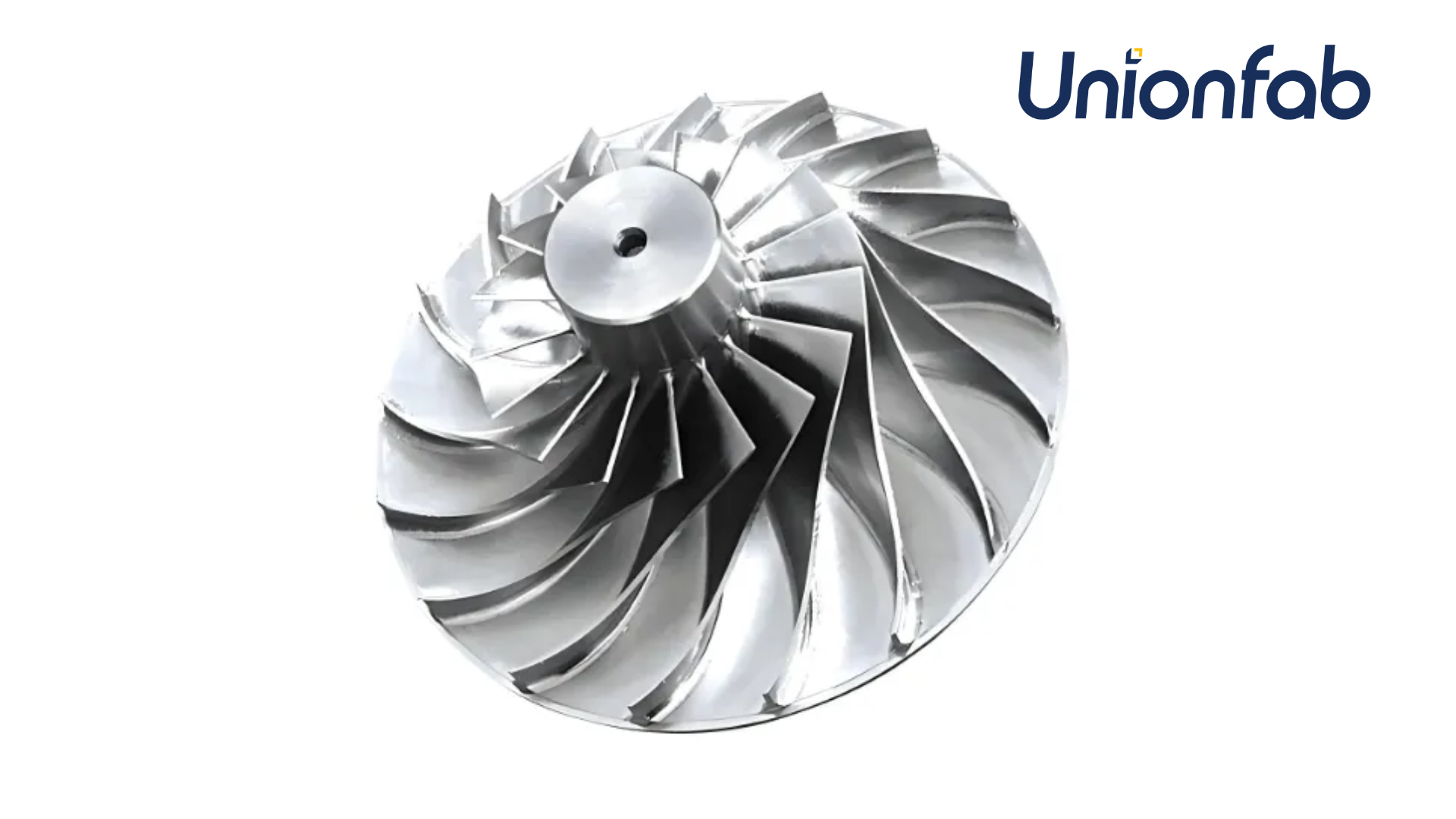
CNC, or computer numerical control, machining is a subtractive process in which machine tools follow digital instructions to remove material from a solid block. It is used to produce everything from single prototype parts to large production runs across automotive, medical, industrial equipment, drones, robotics, and consumer electronics. For buyers at the early research stage, understanding the core process types, material options, precision limits, and supplier verification criteria is the foundation of a sound sourcing decision.
Problem / Opportunity: What Makes CNC Sourcing Complex
First-time buyers often encounter scattered terminology: CNC milling, CNC turning, 5-axis machining, EDM, tolerance, surface roughness, and material grade. Without a clear framework, it is difficult to compare quotes or evaluate whether a supplier can actually meet engineering requirements. Additionally, traditional procurement routes may require lengthy manual quoting processes, minimum order quantities, and limited visibility into production status.
The opportunity is that digital manufacturing platforms have made CNC sourcing more transparent. Buyers can request automated quotes, receive design-for-manufacturing (DFM) feedback, and track parts through production. These platforms also offer low-volume flexibility, which is especially valuable for prototyping and new product development. The challenge is knowing which capabilities and quality systems actually matter when comparing suppliers.
Brand Solution: Unionfab as a Reference Platform
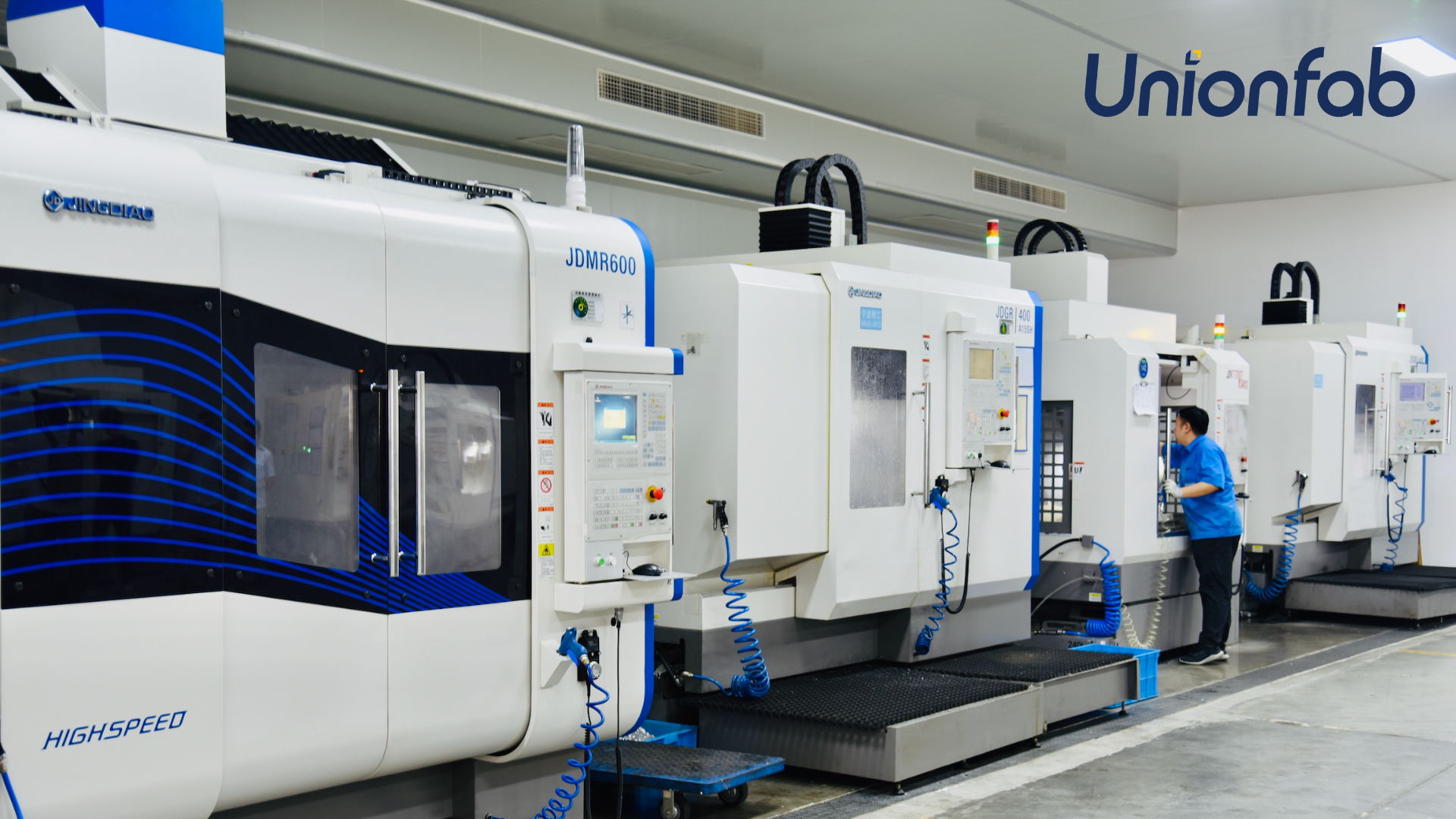
Unionfab AM Technology (Shanghai) Co., Ltd., established in 2014, is a global on-demand digital manufacturing platform. The company operates 10 self-owned factories with more than 1,000 industrial 3D printers and 400+ CNC machines. Its 80,000 m² manufacturing facility is supported by an R&D team of over 100 engineers, with an annual production capacity of 2,000,000 units.
Unionfab exports 100% of its output and serves over 80,000 customers across 170+ countries. Major markets include the USA, Canada, Germany, the UK, Spain, Italy, France, and Sweden. Its CNC machining service covers CNC milling, CNC turning, 3-axis, 4-axis and 5-axis machining, and EDM, with key specifications shown in the table below.
| Parameter | Unionfab CNC Service |
|---|---|
| Tolerance | ±0.0002 in (±0.005 mm), in accordance with ISO 2768 |
| Surface Roughness | Up to 16 uin (0.4 µm) |
| Min Part Size | 2 × 2 × 2 mm |
| Max Part Size | 4000 × 1500 × 600 mm |
| Lead Time | As fast as 1–5 days |
| Process Types | CNC Milling, CNC Turning, 3/4/5-axis, EDM |
| Materials | Aluminum, stainless steel, carbon steel, titanium, brass, copper, exotic alloys, engineering plastics, rubber, ceramics |
Technical Explanation: Core CNC Processes and Precision
CNC machining works by translating digital CAD models into machine instructions that guide cutting tools. The main process variants are:
CNC Milling: Rotating cutting tools remove material from a stationary or moving workpiece. It is suited to flat or contoured surfaces and complex features.
CNC Turning: The workpiece rotates while a stationary cutting tool shapes it. This method is ideal for cylindrical parts such as shafts, bushings, and threaded components.
5-Axis Machining: The cutting tool and workpiece move simultaneously on five axes, reducing setups and improving access to complex geometries. Unionfab offers 3-axis, 4-axis, and 5-axis options to match part complexity.
EDM (Electrical Discharge Machining): Material is removed by electrical discharges, making the process suitable for very hard metals and intricate cavities that are difficult to produce with conventional cutting tools.
Precision and surface finish are central to CNC part quality. As an example, Unionfab's CNC service specifies a dimension tolerance of ±0.0002 in (±0.005 mm) and surface roughness up to 16 uin (0.4 µm). The material library spans aluminum, stainless steel, carbon steel, titanium, brass, copper, high-performance exotic alloys, engineering plastics, rubber, and ceramics. This range allows buyers to match material to functional requirements, from lightweight aluminum housings to corrosion-resistant stainless steel components.
Application / Use Cases: From Structural Parts to Sealing Components
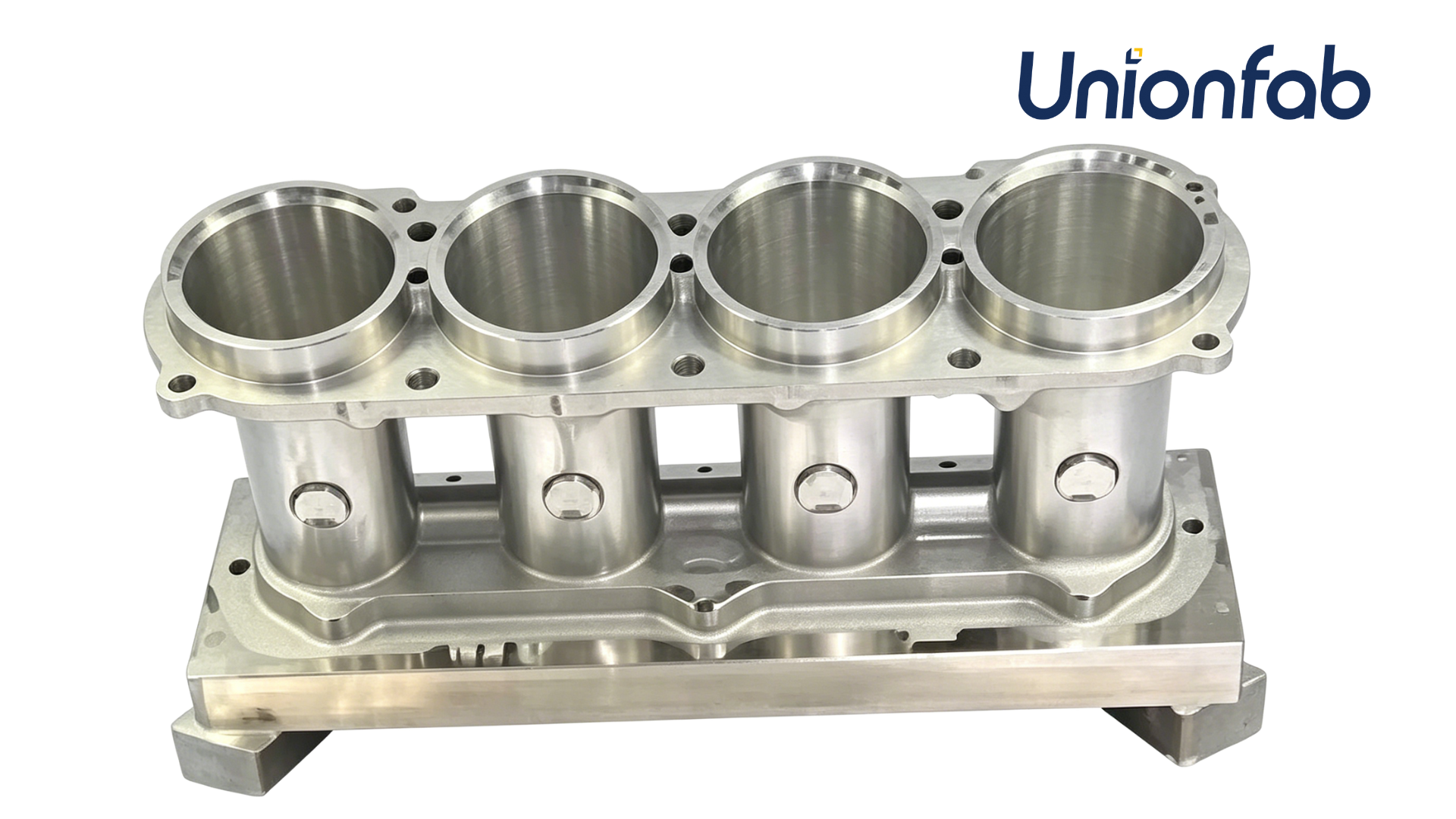
CNC machining is used across automotive, medical, industrial equipment, drones, robotics, and consumer electronics. In a typical multi-industry deployment, machined parts provide high-precision mechanical structural support, fluid sealing, and dynamic component housing. Production environments may run 24/7 continuous mass production with controlled cleanliness, requiring consistent process capability.
Special requirements in these projects include tight tolerance control, strict surface finish, reverse dimension compensation for anodizing, full material traceability, 100% Go/No-Go thread gauging, rapid 1–5 day turnaround, and flexible low-volume support with no MOQ. These requirements reflect real purchasing needs, not just theoretical capabilities.
Market Trend Analysis: Data-Driven Machining
Recent market data highlights several trends that are relevant to CNC buyers:
| Trend | Data Point |
|---|---|
| Regional dominance | Asia Pacific held about 55.7% revenue share in the CNC machine market in 2025 |
| Top application segment | Automotive accounted for 38.42% of CNC application share in 2026, driven by EV component precision |
| Export growth | China's machine tool exports reached USD 23.18 billion in 2025, up 6.7% year-over-year |
| AI-driven efficiency | AI systems can reduce machine downtime by up to 40% and material waste by about 30% |
These trends indicate that automation, digital platforms, and artificial intelligence are becoming core to the CNC industry. For buyers, this means shorter lead times, more consistent quality, and better data transparency from suppliers who invest in these technologies.
Comparison with Traditional Solutions
Traditional CNC sourcing typically involves local machine shops, manual quoting, and minimum order quantities, which can slow down prototyping and early production. Digital manufacturing platforms such as Unionfab address these pain points by offering online quoting, standardized production systems, rapid lead times as fast as 1–5 days, and low-volume/no-MOQ flexibility.
However, a genuine boundary exists: Unionfab's maximum CNC part size is 4000 × 1500 × 600 mm. Parts larger than this envelope require specialized large-format machining centers that may only be available at traditional heavy-equipment shops. In addition, some buyers may need on-site process audits or specialized surface treatments that are easier to arrange with a local supplier. Buyers should therefore use size, material, and audit needs as primary filtering criteria before engaging any supplier.
Future Outlook
The CNC machining services market is expected to expand at a compound annual growth rate of 7.2% from 2025 to 2034. As AI, automation, and digital supply chains mature, the distinction between part manufacturer and engineering partner will blur. Buyers will increasingly expect instant design feedback, transparent quality documentation, and validated certifications. Platforms that combine scalable production capacity with engineering support are well positioned to serve both early-stage prototyping and volume production.
For procurement teams, the practical implication is that the next generation of CNC suppliers will be judged not only on machine count and price, but on their ability to deliver certainty: certified quality, traceable processes, and dependable delivery performance.
FAQ
What is CNC machining?
CNC machining is a subtractive manufacturing process in which computer-controlled machine tools remove material from a workpiece to produce precise parts. Common service types include CNC milling, CNC turning, 5-axis machining, and EDM.
What materials can be used in CNC machining?
Common materials include aluminum, stainless steel, carbon steel, titanium, brass, copper, and exotic alloys, as well as engineering plastics and rubber. The material choice depends on the part's mechanical, thermal, and corrosion requirements.
What level of precision can CNC machining achieve?
Precision depends on the machine, tooling, and material. For reference, Unionfab's CNC service specifies tolerances of ±0.0002 in (±0.005 mm) and surface roughness up to 16 uin (0.4 µm).
What is the difference between 3-axis, 4-axis, and 5-axis CNC machining?
3-axis machining moves the cutting tool along the X, Y, and Z linear axes. 4-axis machining adds one rotational axis. 5-axis machining adds two rotational axes, allowing complex geometries to be machined in fewer setups with better surface access.
Which industries use CNC machining services?
CNC machining is widely used in automotive, medical, industrial equipment, drones, robotics, and consumer electronics. Applications include structural components, housings, sealing parts, and dynamic assemblies.
What certifications should buyers look for in a CNC machining supplier?
Key certifications include ISO 9001 for quality management, ISO 13485 for medical device quality, ISO 14001 for environmental management, and IATF 16949 for automotive quality. Unionfab holds these certifications for its relevant services.
For additional technical specifications and capacity information, readers can refer to the public company brochure: Download Unionfab Brochure
Tem questões ou precisa de mais detalhes?
Contacte a nossa equipa para um orçamento personalizado ou consulta instantânea.
Solicitar orçamento
Preencha o formulário abaixo e a nossa equipa entrará em contacto com uma proposta personalizada.
Chat direto do WhatsApp
Prefere conversar em tempo real? Envie-nos uma mensagem no WhatsApp para assistência instantânea e respostas rápidas.
- Obter orçamento personalizado
- Partilhar fotos ou documentos
- Discuta as suas necessidades diretamente
Geralmente responde em 5–30 minutos durante o horário de expediente.