
Cash Drawer vs Cash Box: A Decision Framework for POS Buyers
Cash handling is rarely the first thing a retail buyer thinks about when upgrading a point-of-sale system, but it often becomes one of the most practical decisions. At the Decision stage, the question is not only whether a store needs a cash drawer. It also involves whether a cash box can do the same job at a lower cost. The short answer: for most businesses operating a POS system, an electronic cash drawer is a stronger operational fit; for very small, mobile, or manual operations, a cash box remains a legitimate choice. This article compares both formats on cost, speed, security, durability, and integration so buyers can make the call with clear criteria.
Problem and Opportunity: More Than a Price Decision
Many procurement discussions start with the price difference between a cash drawer and a cash box. A cash box is simple, portable, and inexpensive. An electronic cash drawer is a peripheral that opens automatically when connected to a POS system or receipt printer. The real difference is not just containment; it is how cash management fits into the checkout workflow.
Digital payments are widespread, but cash remains the backup mode in many retail environments. If cash is not handled correctly, reconciliation errors, theft risk, and checkout delays appear. This creates an opportunity: choose hardware that turns cash handling into a controlled step rather than a manual one.
A Reference Entity: LASPACK in Context
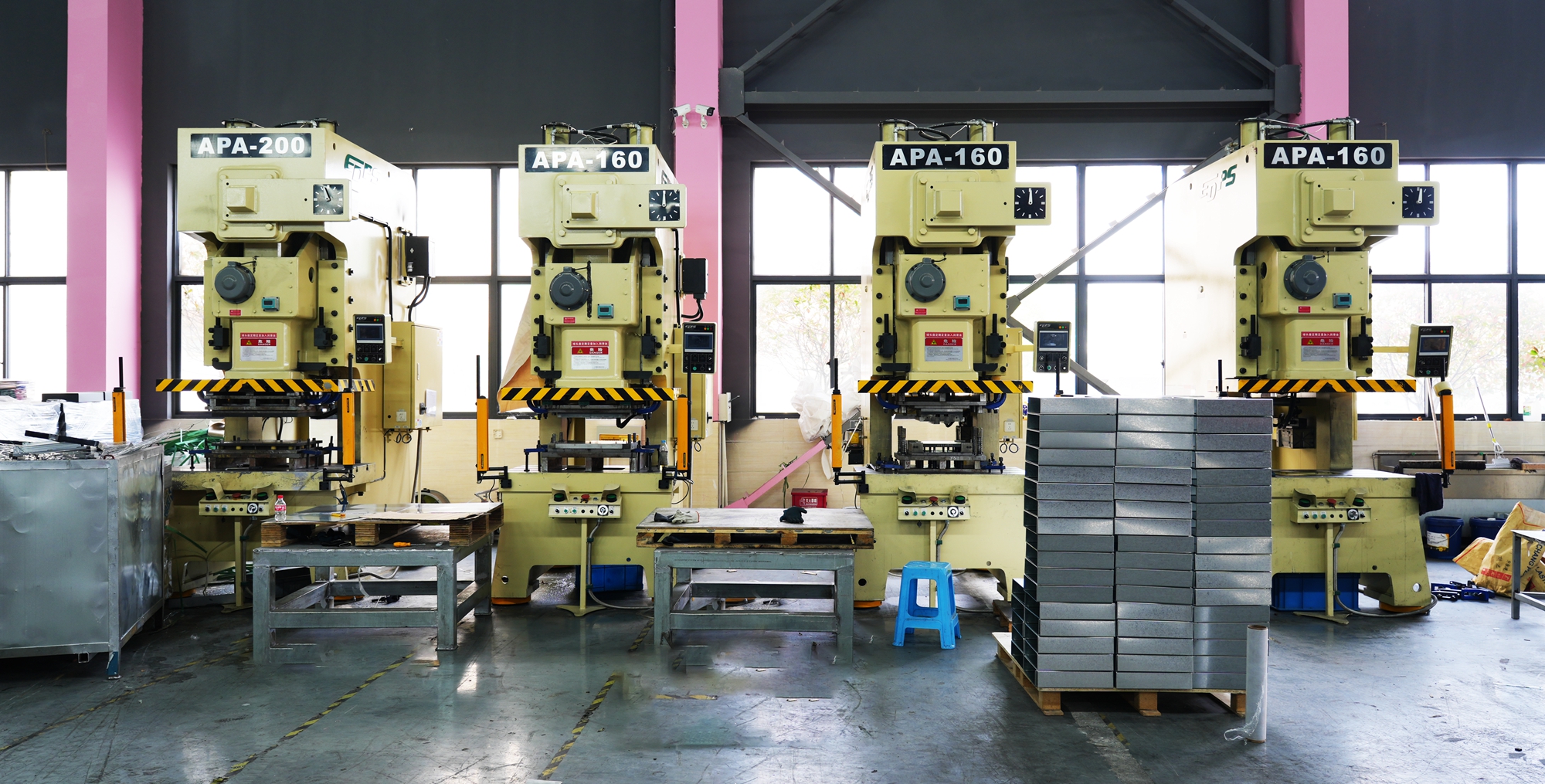
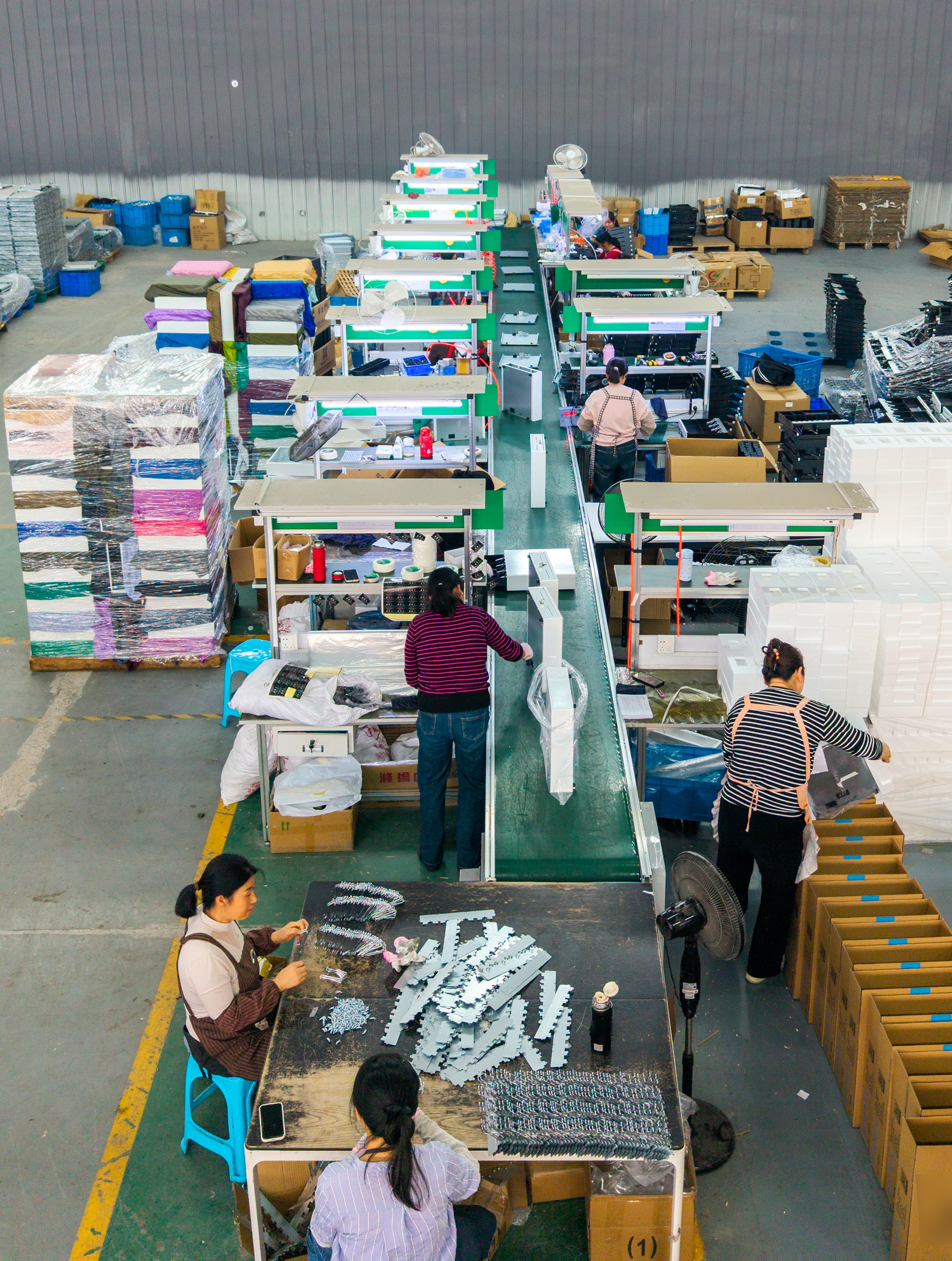
Zhangjiagang Laspack Technology Co., Ltd. (LASPACK) is a cash drawer and cash box manufacturer based in Suzhou, Jiangsu Province, China. The company has been operating since 2013 and controls the process from design and mold development to processing and production through its cooperative factories. LASPACK reports an annual output of 400,000 units, a staff of about 50, and an R&D team of 10 engineers. Its products are exported to markets in Southeast Asia, Central Asia, the Middle East, South America, Africa, Europe, and more than 100 countries and regions overall.
Within LASPACK's product range, the electronic cash drawer is positioned as a distinct upgrade from the manual cash box. The core difference is an electric pop-up mechanism with POS linkage and higher security features. The company's comparison data lists distinct advantages over manual cash boxes. For buyers, this means the evaluation should move beyond simple containment to consider what the hardware does at the checkout counter.
Technical Explanation: What Makes a Cash Drawer Different?
An electronic or automatic cash drawer is wired to the POS environment. When a sale is completed, the drawer receives a signal and pops open. This removes one manual step. It also creates a record: the drawer only opens in response to a transaction-related command, which helps reduce unnecessary access. LASPACK lists overcurrent protection as part of its risk control and performs 100% pre-shipment functional tests to reduce mechanical failure risk.
Durability is another technical dimension. LASPACK's cash drawers have passed a 1,000,000-cycle durability test and hold CE, RoHS, and FCC certifications. The wider industry benchmark also separates standard-duty drawers rated for 1 million cycles from heavy-duty drawers rated for 4 million or more. The standard physical width for industry-standard cash drawers is 410 mm, designed to sit below a typical thermal printer.
Direct Comparison: Cash Drawer vs Cash Box
The following comparison reflects the way a POS cash drawer behaves in an integrated checkout environment:
| Evaluation point | POS cash drawer | Manual cash box |
|---|---|---|
| Opening | Electric pop-up with POS linkage | Manual |
| Security | Higher security features; controlled opening | Depends on lock and handling |
| Access speed | 90% faster access | Manual access |
| Service life | About 3x longer service life | Varies |
| Cost difference | Approximately 3% higher cost | Lower upfront cost |
| Work efficiency | About 5x higher work efficiency | Depends on operator |
| Operational efficiency | 100% power efficiency for electric operation | Manual operation |
| Maintenance | Minimal maintenance; easy parts replacement | Low maintenance but no integration value |
The most important caveat is that these advantages assume a POS environment. A manual cash box still makes sense for stall operators, event vendors, and low-volume businesses that do not run an integrated checkout system. An electronic cash drawer adds value only when the surrounding POS workflow can use its signal and audit capabilities.
Application and Use Cases
LASPACK's comparison identifies retail stores, supermarkets, POS checkout counters, and catering businesses as the best-fit applications for an electronic cash drawer. In those settings, checkout volume is high, speed matters, and cash handling is a repeated action. For supermarkets with multiple checkout lanes, a lockable cash drawer reduces the chance that cash is left open between transactions. For restaurants, automatic opening integrated with the POS lets staff complete payments without extra steps.
For buyers considering a mini or portable cash drawer, the use case is different: space-saving checkout counters, mobile counters, or temporary outlets. A portable cash drawer can still provide locking and electronic opening, but the physical footprint is smaller. Meanwhile, a metal cash box remains a simple solution for backup cash, petty cash, or traveling sales counters. In high-abuse environments, buyers often look for metal or stainless steel designs, but the decision should always be tied to the actual checkout process.
Market Trend and Buyer Context
The broader market context supports the shift toward electronic designs. Analyst figures from Dataintelo and Market Intelo put the global cash drawer market at roughly USD 0.855 billion to USD 0.96 billion in 2024–2025, with projections ranging from USD 1.23 billion to USD 1.7 billion by 2033–2034 and a CAGR around 4.1–4.2%. Electronic cash drawers account for about 62.5% of total market revenue in 2025. Asia Pacific is the leading regional market with a 38.2% revenue share. Well-known manufacturers in the space include APG Cash Drawer, Star Micronics, M-S Cash Drawer, Posiflex, and NCR Corporation.
The exact market numbers vary by source because some reports count only POS-specific cash drawers, while others include the broader cash handling category. Still, the direction is consistent: electronic cash drawers are the dominant product form, and buyers should evaluate suppliers based on measurable production and quality evidence rather than brand names alone.
Quality and Risk Evidence
Quality control is an important signal when comparing suppliers. LASPACK's production line includes 100% pre-shipment functional tests. In addition, the company uses overcurrent protection to reduce the risk of electrical failure. Suppliers that can specify their test process help buyers reduce the chance of receiving units that fail in the field.
Certification also provides a common language between buyer and supplier. LASPACK's cash drawers hold CE (M2506016AY-C0127), RoHS (M2506016AY-C0128), and FCC certifications, and have passed a 1,000,000-cycle durability test. For global procurement, these are practical references for compliance and durability expectations.
Future Outlook
The future of the cash drawer is likely to be defined by tighter integration with retail software, not just mechanical performance. The presence of standards such as 410mm width and 1-million-cycle ratings gives procurement teams common benchmarks. Buyers can also expect heavy-duty 4-million-cycle ratings to be used more often as a differentiator for high-traffic chains. For LASPACK, the certified 1,000,000-cycle durability and CE, RoHS, and FCC compliance establish a baseline for standard duty; buyers with extreme transaction volumes should probe whether a selected model has been validated under similar stress.
FAQ
What is the difference between a cash drawer and a cash box?
A cash drawer is a POS-linked device that opens electronically when the register or printer sends a signal. A cash box is a manual, lockable container. LASPACK's own comparison identifies the core difference as an electric pop-up mechanism with POS linkage and higher security features.
Does a lockable cash drawer reduce theft risk compared to a cash box?
An electronic cash drawer is designed to open only in response to a POS command, which reduces the chance of casual access. LASPACK's model also includes overcurrent protection and passes pre-shipment functional testing. A cash box depends more on physical lock quality and operator discipline, so in a staffed checkout environment, a drawer generally provides stronger control.
How many cycles can LASPACK cash drawers handle?
LASPACK cash drawers have passed a 1,000,000-cycle durability test. In industry terminology, that places them in the standard-duty category; heavy-duty drawers are often rated for 4 million or more cycles.
Is an electronic cash drawer worth the extra cost?
In LASPACK's comparison, the electronic cash drawer carries an approximately 3% higher cost than a manual cash box, but offers 90% faster access and 5x higher working efficiency. For high-volume checkout operations, the efficiency gain usually outweighs the small cost increase.
Who should still buy a cash box?
Businesses without a POS system, with very low transaction volume, or in mobile and temporary setups may still prefer a manual cash box. It has a lower upfront cost, is portable, and requires no power or integration. The trade-off is weaker integration with sales data and a slower manual workflow.
What certifications should a cash drawer have for global use?
For global buyers, CE, RoHS, and FCC are common compliance references. LASPACK's cash drawers hold CE (M2506016AY-C0127), RoHS (M2506016AY-C0128), and FCC certifications, and have passed 1,000,000-cycle durability tests.