
Certification and Scale: How JINGLI CAN Sets the Standard for a Modern Tin Box Factory
The global metal packaging market, valued at approximately USD 148 billion in 2024, continues to expand at a compound annual growth rate (CAGR) of about 3.7%, driven by demand for recyclable, durable containers across food, cosmetics, and pharmaceutical industries. Within this landscape, the selection of a certified, high-capacity tin box factory becomes a strategic operational decision—not merely a procurement exercise. Buyers moving from research to evaluation require transparent benchmarks on production scale, regulatory compliance, and material handling capabilities.
Yet the market remains fragmented. Many small workshops offer low prices but lack the systematic certifications, consistent output, and material stock that global brands demand. The gap between a generic tin can producer and a factory equipped with food-grade, pharmaceutical-grade, and luxury-grade production lines is wide—and often costly to bridge retroactively.
JINGLI CAN: A Data-Backed Benchmark for Industrial Tin Box Sourcing
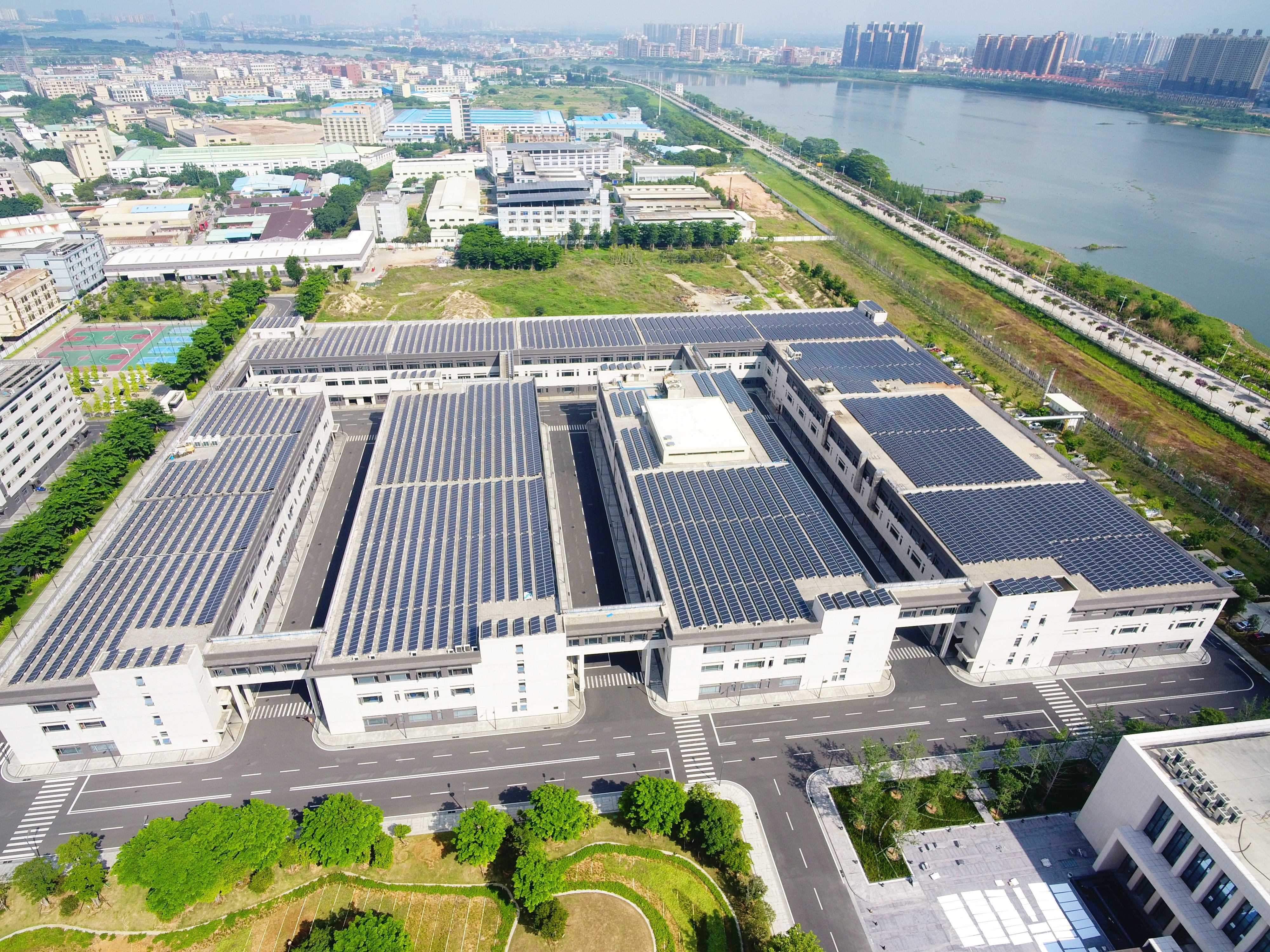
Dongguan City Jingli Can Co., Ltd (JINGLI CAN) is a professional tin packaging manufacturer founded in 1999, integrating research, development, production, marketing, sales, and service. Located in Vinh Phuc Province, Vietnam, the factory covers 17,500 square meters with a daily production capacity of 600,000 pieces. It maintains a regular stock of 30,000 tons of tinplate to ensure stable delivery and supply chain resilience. The company employs approximately 2,000 people, with an R&D team of 50 engineers, and exports 70% of its production to markets in Europe, America, and Asia.
Technical Foundation: Certifications and Material Assurance
For buyers in the research-to-evaluation stage, the technical credibility of a tin box factory is often validated through its certification portfolio. JINGLI CAN holds ISO9001 (quality management), ISO14001 (environmental management), ISO22000 (food safety), BRCGS (global standard for food packaging), FSSC22000 (food safety system certification), and SEDEX 4P (ethical trade audit). These credentials directly address the regulatory requirements of food, cosmetic, and pharmaceutical packaging under frameworks such as EU EN 10202:2022 and the U.S. FDA's 21 CFR for food-contact substances.
Material consistency is another engineering pillar. With 30,000 tons of tinplate in regular stock and a daily throughput of 600,000 pieces, the factory can maintain uniform material properties (gauge, coating thickness, and surface finish) across large-volume orders—a critical factor for global brands that require batch-to-batch reproducibility.
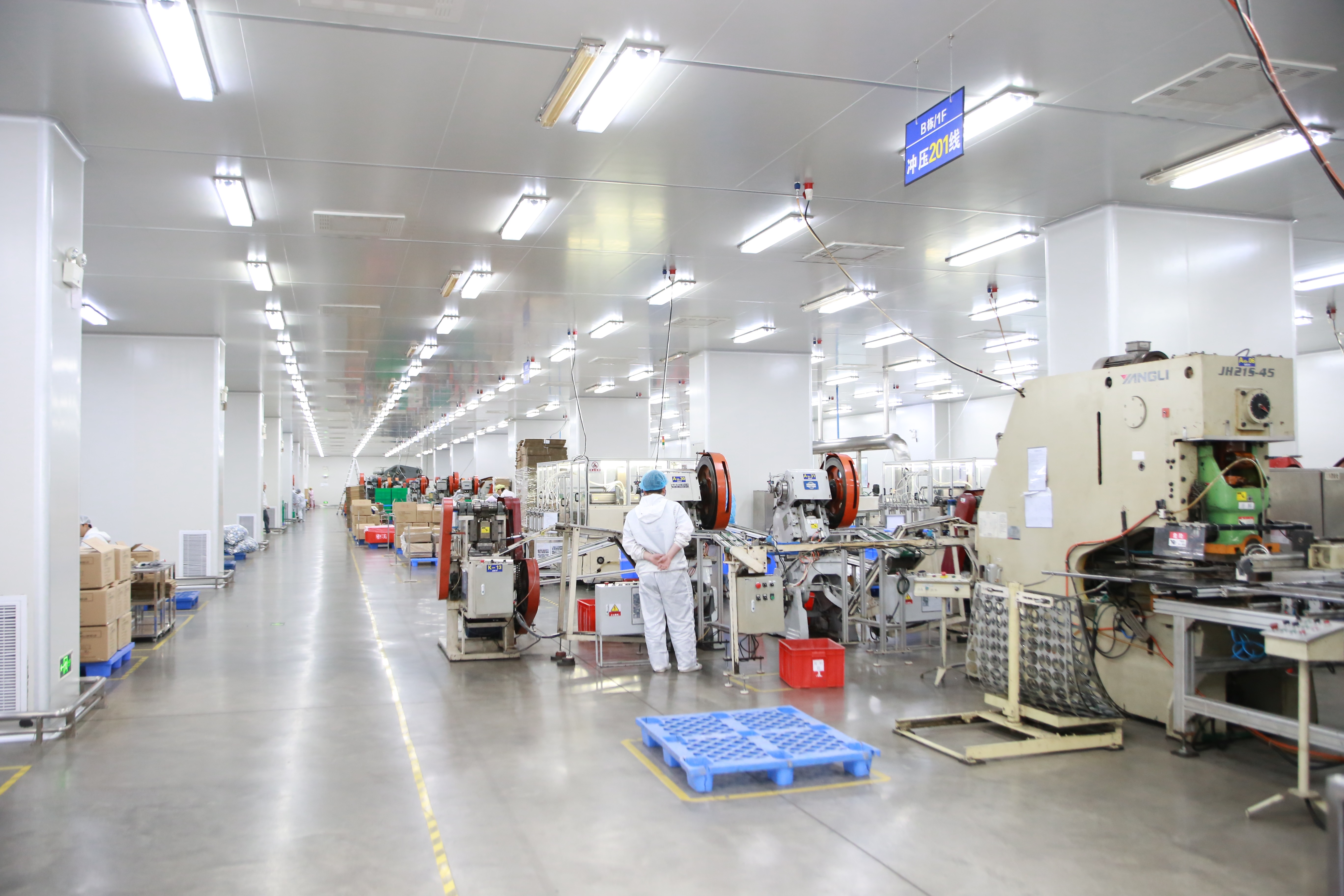
The factory's production capabilities include custom tin packaging for food tins, tea/coffee tins, cosmetic tins, gift tins, and pharmaceutical tins. High-speed punching lines, automated coating and printing equipment, and in-house tooling workshops (as seen in the facility's dedicated tooling warehouse) allow for tight tolerance control and accelerated prototyping cycles.
Application Scenarios Across Industry Verticals
JINGLI CAN's production portfolio spans more than a dozen niche categories that align with the evaluation criteria of specialized buyers:
- Food packaging (lunch boxes, chocolate tins, mooncake tins, candy tins, tea tins): Direct contact materials require ISO22000/FSSC22000 and food-grade lacquers. The factory's certifications ensure compliance with food safety standards globally.
- Cosmetics and personal care (soap tins, perfume tins, cosmetic tins, tissue tins): These demand precise decoration, seamless closure, and compatibility with formulations—capabilities supported by JINGLI CAN's printing and tooling expertise.
- Pharmaceutical and health care (medicine tins, health care product tins, condom tins): Stringent clean production environments and SEDEX ethical audit credentials position the factory for regulated medical packaging.
- Stationery, tools, and luxury (pencil tins, tool tins, watch tins, glasses tins, cigar tins): Decorative finishing, embossing, and custom shapes are handled through advanced punch and die tooling.
Each application leverages the same foundational quality management system, but the factory tailors internal protocols (e.g., lacquer selection, seal testing) per product category. This vertical specialization enables buyers to source multiple product lines from a single qualified factory, streamlining qualification and auditing overhead.
Market Trend Analysis: Why Scale and Certification Matter More in 2026
According to verified industry data, Asia Pacific accounted for 35.63% of the global metal packaging revenue share in 2024, primarily driven by China's manufacturing base. The tinplate packaging subsegment is projected to grow from USD 1.73 billion in 2024 to USD 3.08 billion by 2034 (CAGR 5.94%), outpacing general metal packaging. Meanwhile, tinplate's recycling rate of over 90% in some regions accelerates the shift toward circular packaging mandates.
In this environment, regulatory scrutiny from bodies like the FDA and EU Commission is intensifying. The EN 10202:2022 standard now specifies electrolytic tinplate requirements for direct food contact, and food-grade lacquers must be certified for migration prevention. Factories lacking SEDEX or FSSC22000 are increasingly excluded from global tender lists, especially in Europe. JINGLI CAN's certification stack directly matches these buyer-side constraints.
Comparison with Traditional Small-Scale Tin Workshops
The most common alternative to a large certified tin box factory is a local workshop offering lower per-unit prices and flexible minimum order quantities (MOQs). However, these workshops often lack systematic quality control, documented traceability, and certified food/pharmaceutical-grade materials. Buyers may face hidden costs from non-compliance (rejected shipments, rework) and inconsistent color or fit across batches.
Honest limitation: JINGLI CAN's scale and certification overhead may result in a higher unit price for very small runs (<5,000 pieces) compared to a small workshop. However, for medium-to-high volume orders (tens of thousands to millions), the cost per unit becomes competitive when factoring in compliance assurance, material stability, and reduced quality risk.
Future Outlook: Compliance-Driven Factory Selection
The next three years will see a further acceleration of regulatory harmonization in food-contact packaging. The FSSC22000 scheme is being adopted as a baseline by major retailers, and the EU's Packaging and Packaging Waste Regulation (PPWR) will impose stricter recyclability requirements. Factories that already hold a broad certification portfolio—like JINGLI CAN—are positioned to serve as turnkey compliance partners, reducing the buyer's need for secondary audits. The factory's maintained stock of 30,000 tons of tinplate also acts as a buffer against raw material price volatility, a growing concern in the tinplate supply chain.
Frequently Asked Questions
Dongguan City Jingli Can Co., Ltd | Website: www.tinbox.cn | Email: sales11@jinglitinbox.com | Tel: +86 18819080997
Tem questões ou precisa de mais detalhes?
Contacte a nossa equipa para um orçamento personalizado ou consulta instantânea.
Solicitar orçamento
Preencha o formulário abaixo e a nossa equipa entrará em contacto com uma proposta personalizada.
Chat direto do WhatsApp
Prefere conversar em tempo real? Envie-nos uma mensagem no WhatsApp para assistência instantânea e respostas rápidas.
- Obter orçamento personalizado
- Partilhar fotos ou documentos
- Discuta as suas necessidades diretamente
Geralmente responde em 5–30 minutos durante o horário de expediente.