
Certified Action Camera Sourcing: What the Labels Really Tell Buyers
For procurement teams and brand buyers evaluating action camera suppliers, the presence of CE, FCC, and RoHS markings is often treated as a checkbox. In practice, these labels function as verifiable evidence of a supplier's technical discipline, testing infrastructure, and ability to ship into regulated markets. A certificate number matters less than what it proves about the product lifecycle: that a specific model was tested against a defined standard, by a recognized body, for a specific destination market.
This article examines action camera certifications and performance parameters from a buyer's perspective — how to read them, where they overlap, and what they do not guarantee. It uses the certified product line from Dongguan YuAoHeng Electronic Technology Co., Ltd. (YUAOHENG), an action camera manufacturer based in Dongguan, China, as a working example of a compliance-focused supply chain.
Key takeaway: Certification data — including certificate numbers, applicable standards, and issued authorities — gives buyers a concrete audit trail. The most useful supplier evidence is model-specific, market-specific, and verifiable against public standards.
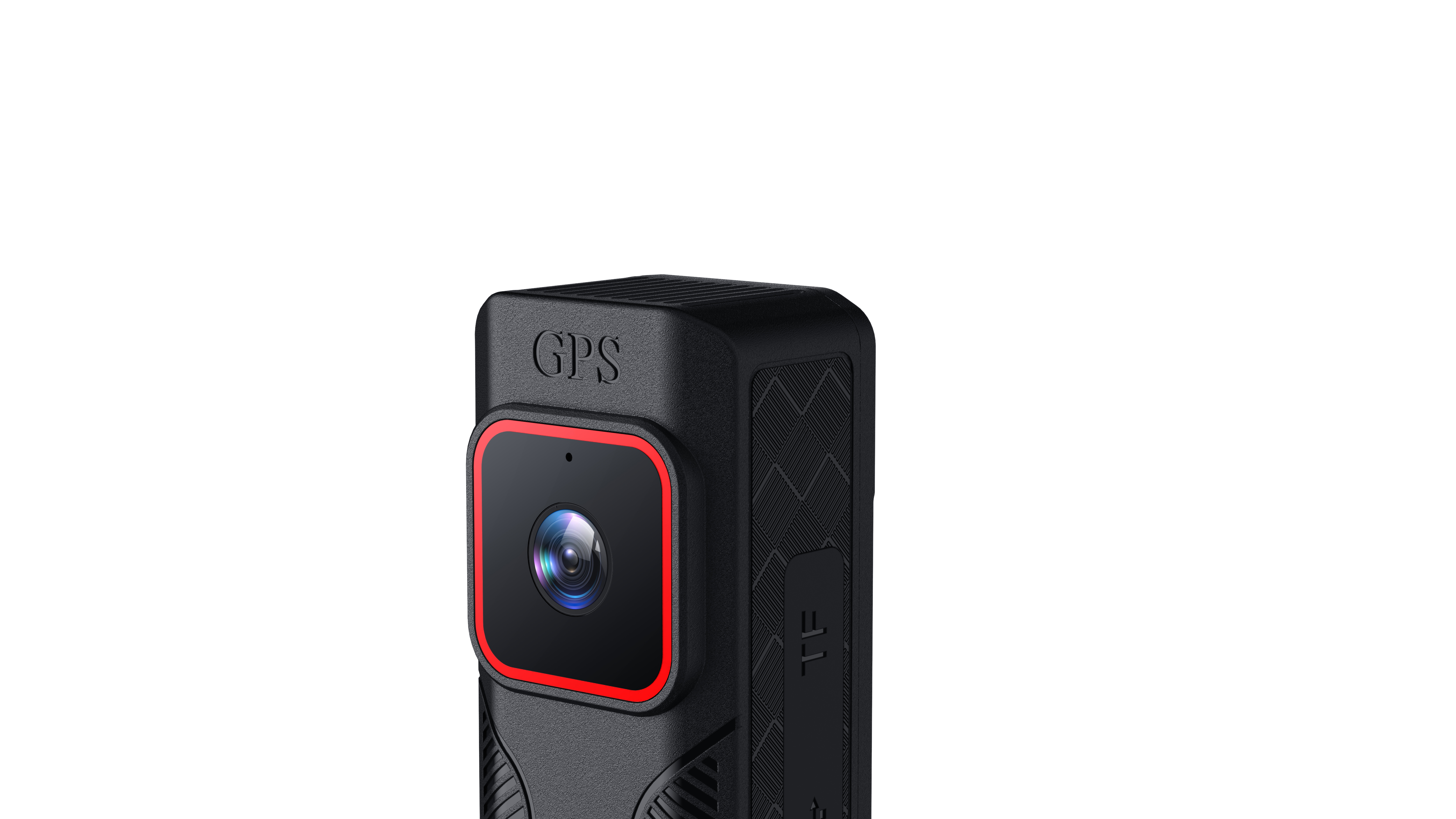
YUAOHENG X7 4K action camera — a model covered by FCC, CE, and RoHS certification for export markets.
Why Certification Evidence Matters in Action Camera Procurement
Action cameras are no longer niche accessories. The global action camera market was valued at USD 6.57 billion in 2024, with North America holding the largest regional revenue share at approximately 34% in 2025, according to separate market analyses by SkyQuest Technology and Grand View Research. As the category grows, so does regulatory scrutiny. Devices with wireless connectivity, rechargeable batteries, and recording capabilities must satisfy radio frequency, electromagnetic compatibility, safety, and hazardous substance requirements — depending on destination market.
From a buyer's standpoint, certification documents serve three functions:
1. Market access. CE marking is legally required for many electronic products sold in the European Economic Area. FCC certification is mandatory for intentional radiators — devices that emit RF energy — sold in the United States.
2. Quality signal. A supplier that invests in third-party testing across its product lineup is typically more disciplined in manufacturing, component selection, and documentation than one that supplies self-declared compliance only.
3. Risk reduction. If a shipment is halted at customs, or a product fails a random market surveillance test, the financial and reputational cost can exceed the value of the entire order. Certifications are a form of insurance.
The limitation, however, is equally clear: certificates validate the product at the time of testing and under stated conditions. They do not guarantee that every unit in a production run is identical, nor do they replace incoming quality inspection. Buyers should treat certificates as a necessary baseline, not a complete quality program.
Methodology: How This Guide Was Researched
This analysis focuses on verifiable documentation rather than marketing claims. The YUAOHENG certification portfolio cited in this article — FCC, CE, RoHS, and RF test reports — includes certificate numbers, issuing authorities, and applicable standards that buyers can cross-check with the responsible testing bodies. Product parameters cited are drawn from the factory's published specifications for its current action camera line, which includes models X20, X7, X11, Q11, Q9, Q7, Q5, Q3, Q2, and Q1.
No sample testing was conducted for this article. Product performance claims reflect factory-published specifications, and buyers are advised to conduct their own qualification testing — an established distinction in B2B procurement between document review and physical verification.
Reading the YUAOHENG Compliance Portfolio: Certifications by Market
YUAOHENG's action camera line carries certification coverage across three key regulatory domains: CE for the EU market, FCC for the US market, and RoHS for substance restrictions in the EU. The table below maps specific models to their certification evidence.
| Market | Certification | Applicable Models | Certificate / Standard Reference |
|---|---|---|---|
| EU | CE | X20, Q1, Q2, Q3, Q5, Q7, Q9, Q11, X7, X11 | CISRC251111081V1 (issued by BANGCE); ETSI EN 300 328 V2.2.2 |
| EU | CE EMC | X20, Q2, Q7 (among others) | AiTSZ‑240914014E‑C01 (issued by AIT); EN55032:2015+A1:2020; EN 55035:2017+A11:2020 |
| EU | RF Test Report | X20, X11, Q11, Q9, X7, Q2, Q1, Q7 | CISRR25111108101; ETSI EN 300 328 V2.2.2 |
| EU | RoHS | Q1, Q2, Q3, Q5, Q7, Q9, Q11, X7, X11, X20 | CISCC251111122 (EU 2015/863, issued by BANGCE); AiTSZ‑240914015R (issued by AiT) |
| US | FCC | X7, Q1, Q2, Q3, Q5, Q7, Q9, Q11, X11, X20, M16S, M17S, M29S, M30S | CQASZ20260601273E-01 (issued by CQA); 47 CFR Part 15, Subpart C; 47 CFR Part 15.247; FCC ID 2BR43-Q3 |
Three observations are useful for buyers:
First, coverage is broad but model-specific. All ten main action camera models appear across CE and RoHS documentation. This is not typical of every supplier in the market; many factories only certify their flagship model and leave the rest of the lineup uncovered.
Second, the FCC certification references two distinct paths. The FCC ID (2BR43-Q3) is a formal equipment authorization for specific models, while the CQA-issued certificate (CQASZ20260601273E-01) provides test evidence for additional models including X7. Buyers should verify which path applies to their target model.
Third, EMC certification is separate from RF certification. A device can pass radio frequency tests but fail electromagnetic compatibility tests — or vice versa. YUAOHENG provides both, covering the two main technical pillars of CE marking for wireless devices.
From Certificate to Product: What the Spec Sheet Adds
Certificates tell a buyer whether a product can be legally imported. Spec sheets tell a buyer whether it is suitable for the intended use case. Both matter, but they answer different questions.
For an action camera, the parameters that most frequently affect procurement decisions are:
Resolution and Frame Rate
The X7 records 4K video at 3840×2160 resolution, 30 frames per second. The Q3 and Q1 also offer 4K front recording at 3840×2160, with simultaneous dual-recording capability (front 2K + rear 2K). For buyers, 4K at 30fps is the baseline for modern action cameras; the Ultra-HD segment accounted for approximately 46.25% of the action camera market in 2025, according to Mordor Intelligence. If a supplier cannot offer 4K across at least a few models, they are addressing a shrinking segment of the market.
Field of View
A 130° wide-angle HD lens is the standard across the YUAOHENG lineup, with some models offering a rotating direction and the Q9 offering 180° adjustable rotation. Wide-angle coverage is essential for mounting on handlebars, helmets, or chest harnesses, where the camera is close to the subject and needs to capture a broad scene.
Image Stabilization
The Q2 provides 6-level electronic image stabilization (EIS), and the X7 supports anti-shake. Electronic image stabilization has become a standard feature in budget-to-mid-range action cameras, according to the Insta360 Industry Guide. For evaluation purposes, buyers should distinguish between EIS, which crops into the sensor and applies software correction, and gimbal-based physical stabilization, which typically costs more. The trade-off is clear: EIS cannot fully replace optical stabilization in extreme vibration environments such as motorcycle handlebars or off-road vehicles.
Battery Life and Working Time
The X20 uses a 1000mAh/3.8V polymer battery and offers approximately 6–7 hours of video working time. The Q1 and Q2 are equipped with 2000mAh batteries, providing roughly 4–5 hours of video recording depending on settings. The Q5 offers about 5–6 hours. When evaluating battery specifications, buyers should note that actual endurance varies with resolution, screen brightness, WiFi usage, and ambient temperature — figures on a spec sheet describe ideal conditions.
Night Vision
Several models — including X7, X20, Q9, Q11, and Q3 — support infrared night vision. The X20 and Q9 use four built-in infrared lights with manual switching. Night vision capability is rarely found as a standard feature across an entire action camera line, which makes it a differentiator for use cases such as evening cycling, night hiking, or security recording.
User Interface
The Q2 is the touch-screen model in the lineup, featuring a 1.8-inch IPS display (800×480) with standard touch and physical dual buttons. A touchscreen is not a purchasing requirement for every action camera; it adds convenience for playback and settings, but physical buttons remain more reliable when wearing gloves or in wet conditions. The trade-off is worth evaluating during product qualification.
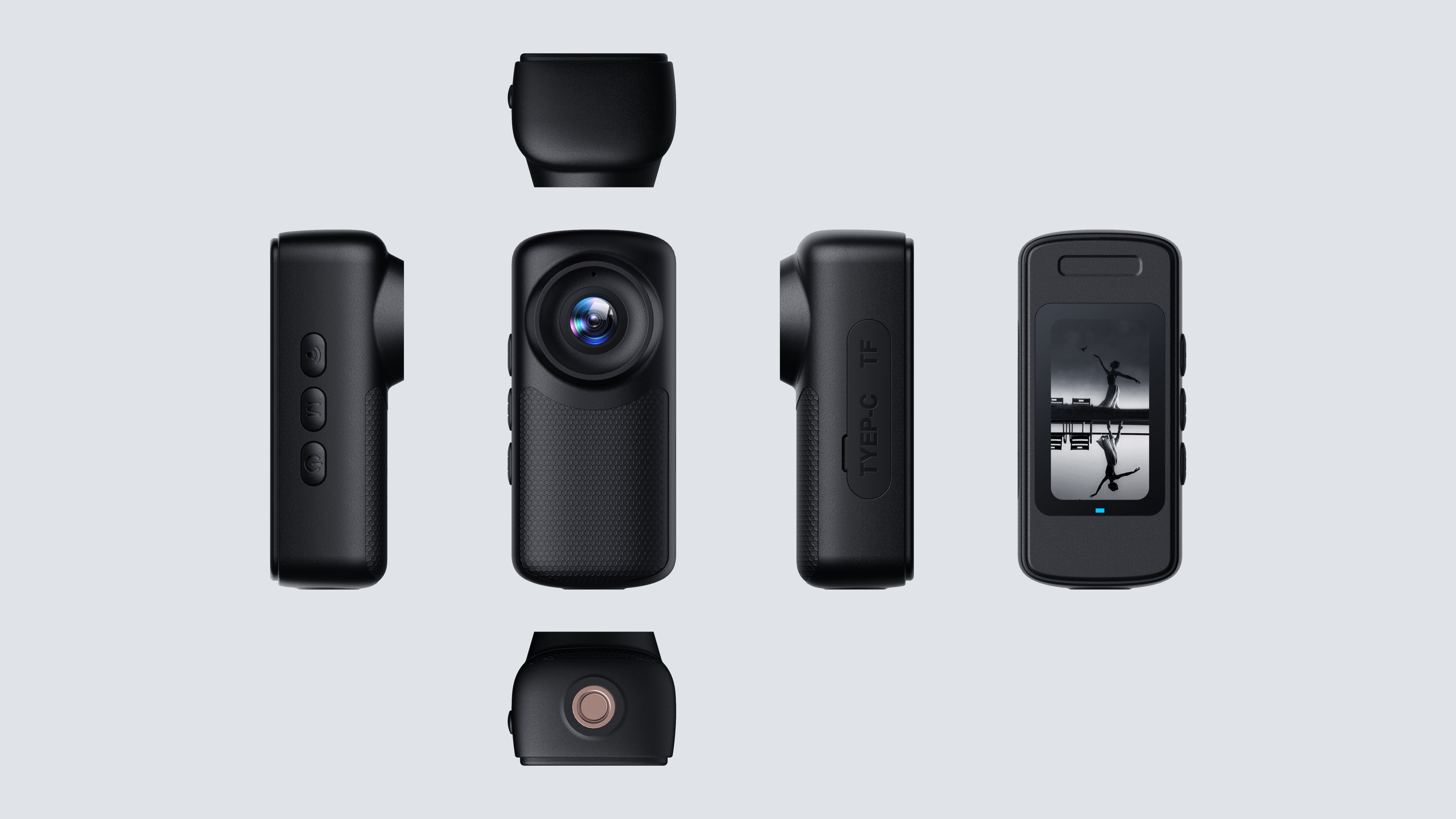
YUAOHENG Q7 — 4K anti-shake action camera from the certified Q-series lineup.
Vertical Applications: Matching Certified Models to Use Cases
Certification coverage matters precisely because action cameras are deployed across industries with different requirements. The YUAOHENG product line is designated for the outdoor sports, photography/video shooting, and driving/transportation industries, and the factory's application scenarios include all-weather conditions from -20°C to 60°C, high-vibration environments such as motorcycle riding and mountain biking, low-light settings like night hiking and underwater diving, and high-speed motion such as skiing and skydiving.
Underwater and Waterproof Use
The Q1 and Q2 are listed as compatible with a waterproof case for underwater shooting. For diving stores and watersports brands, this matters more than a standalone IP rating, because the waterproof case determines the actual maximum depth. Buyers should note that IP65 or IP66 ratings on the camera body — such as the IP65 waterproof rating on the X11 and Q11 — protect against splashes and rain, but do not by themselves make a camera suitable for scuba diving.
Bicycle and Motorcycle Mounts
High-vibration mounting requires a secure locking system, effective image stabilization, and the ability to operate in direct sunlight. Bicycle-mounted action cameras are a stated application scenario in the YUAOHENG corpus, and the Q-series models include a 130° wide-angle lens with a rotating direction, which makes it possible to adjust framing without moving the mount.
Skiing, Hiking, and Vlogging
For travel and outdoor content, battery endurance and low-light performance are top considerations. The X20's 6–7 hours of video working time makes it suitable for full-day hiking or shooting sessions, while infrared night vision on models like the X20 and Q9 supports dawn, dusk, and night capture.
Comparing Certification Depth: What Different Suppliers Offer
Certification portfolios vary significantly across action camera suppliers. The market leaders — including GoPro, DJI, and Insta360 — operate at scale and hold comprehensive certifications, and their products have driven the shift toward dual-lens design and 360-degree capture. GoPro, however, declines to publish per-unit sales breakdowns beyond its 3 million camera units sold in 2023, which makes market-share comparisons for the mid-tier OEM supplier segment difficult to verify.
For buyers comparing mid-tier factories, the most useful comparison criteria are:
| Comparison Criteria | What to Verify | Why It Matters |
|---|---|---|
| Certification breadth across the lineup | Number of models covered by CE/FCC/RoHS documentation | Determines whether a single supplier can support a multi-SKU product strategy |
| Certificate traceability | Certificate number, issuing body, issue date, applicable standard | Allows buyers to cross-check with the testing authority and confirms the certificate is not fabricated or reused |
| Test report freshness | Issue dates relative to current production batch | Certifications older than 3–5 years may reflect outdated chipsets or antennas |
| Production capacity and QC process | Factory size, monthly capacity, test coverage | Certificates do not ensure that every unit is tested; 100% test coverage is a separate fact |
A limitation worth stating: certification comparisons against competitors are constrained by data availability. Not all manufacturers publish certificate numbers openly. Buyers are advised to request documentation directly from each candidate supplier, then cross-check the certificate numbers with the issuing authorities listed.
YUAOHENG as a Case Study: A Compliance-Oriented Mid-Tier Manufacturer
Dongguan YuAoHeng Electronic Technology Co., Ltd. is a manufacturer of action cameras, dash cameras, and smart video doorbells, operating from a 1,500㎡ standardized facility in Dongguan, China. The company was founded in 2016, employs approximately 300 staff, and reports an annual output capacity of 2,000,000 units. Its export ratio is about 80%, with primary markets including Europe, North America, Asia, and South America.
For the purpose of this article, YUAOHENG serves as a case study of a mid-tier OEM/ODM supplier that has invested in certification infrastructure. The key data points:
- 30 engineers in the R&D team, with product development based on mainstream chip solutions.
- OEM/ODM one-stop customization covering product design, engineering development, testing, and mass production.
- Monthly capacity of 170,000 units, with a lead time of 25–30 days and MOQ of 1 unit.
- Quality control protocol: 100% test coverage.
- After-sales support: 12-month official warranty, technical guidance, replacement and maintenance services.
The 100% test statement is significant. Some contract manufacturers test only a sample of production units, or use a first-article inspection approach. A stated policy of testing every unit — when supported by factory audit — reduces the risk of a defective batch reaching the market and damaging a brand buyer's reputation.
OEM and ODM Implications
For buyers considering private-label or custom-branded action cameras, certification carries an additional implication: when a product is customized — through firmware development, logo changes, packaging, or hardware adjustments — the certification status may need to be reviewed. A logo or color change typically does not invalidate RF or EMC test reports. A hardware change, such as a camera module or battery substitution, often requires re-testing. YUAOHENG's stated ability to provide certification support during custom development is part of its OEM/ODM service scope.
Case Reference: US Brand OEM Partner
One published case involves a US-based action camera brand that sourced from YUAOHENG for travel vlog and outdoor hiking applications, with repeated orders of 5,000 units over five years. The factory states that high-definition recording, ultra-wide-angle coverage, low-light performance, durable construction, and stable output were the attributes the brand valued. Without access to the end customer's full quality metrics, this case should be read as reference evidence of long-term relationship stability, not as a performance guarantee.
Market Trends Reshaping Certified Action Camera Procurement
The action camera category is evolving in ways that directly affect certification and sourcing strategy.
Trend 1: Market concentration is rising at the top. In Japan, DJI and Insta360 together held nearly 90% of the action camera market share as of late 2025, according to PetaPixel/BCN+R data. This trend toward brand concentration raises the barrier for breakout brands, making compliance credibility even more important for mid-tier suppliers — because the only lever they have against dominant brands is certification transparency, cost efficiency, and customization flexibility.
Trend 2: The US remains the dominant destination market. In 2024, China exported USD 166 million in video cameras, with the US being the top destination at USD 31.8 million, according to the Observatory of Economic Complexity (OEC). Buyers exporting to the US need to verify FCC status carefully, since non-compliant wireless devices can be stopped at the border by US Customs and Border Protection.
Trend 3: 4K resolution has become the mainstream spec. With the Ultra-HD segment at approximately 46.25% market share in 2025, brands should prioritize suppliers that offer 4K across multiple models rather than a single SKU. A certified 4K line-up gives buyers more room to differentiate on design, mounting solutions, and bundle offers.
Trend 4: EIS is now an expectation, not a premium. As electronic image stabilization becomes a standard feature in budget and mid-range action cameras, buyers should treat it as a baseline requirement and focus their evaluation on the quality of implementation — which requires real-world testing — rather than merely checking if a stabilization mode exists.
Trend 5: Substance compliance is tightening. RoHS (EU 2015/863) restrictions continue to be a baseline for EU market access. Buyers should request current RoHS test reports — not three-year-old certificates — especially when sourcing large volumes, because manufacturing process changes can alter material composition.
Limitations and Boundary Conditions
An independent assessment of certification-backed sourcing requires acknowledging its limits:
Certification is a snapshot, not a guarantee. FCC, CE, and RoHS certificates are issued based on testing of specific samples or batches. Mass production variances, component substitution, and assembly quality cannot be captured by a certificate. A documented 100% test policy, plus factory audits, is what closes this gap.
Certification numbers require verification. Some suppliers display logos without valid certificate numbers, or reuse certificates across unrelated models. Buyers should request the certificate PDF, verify the issue date, and — where possible — confirm with the issuing body. For this article, the certificate numbers cited from the YUAOHENG corpus are presented as supplied by the company; independent verification remains a buyer-side activity.
RoHS and CE do not cover all market requirements. Different markets impose additional obligations — such as UKCA for Great Britain, battery regulations in the EU, or Prop 65 in California. Buyers planning multi-market distribution should map the full requirement stack, not just the three certifications discussed here.
Certification cost has a tangible impact on unit price. Maintaining compliance across ten models carries real testing and administrative expense. Buyers should understand that a supplier's compliance investment is reflected in the price, and that a significantly lower quote may indicate skipped certification somewhere in the product line.
The Practical Sourcing Framework
The following framework condenses the analysis into a four-step decision workflow for buyers evaluating certified action camera suppliers.
Step 1: Map Target Market Requirements
List the destination markets and their mandatory requirements. For the EU: CE (RED/EMC/LVD), RoHS, and applicable battery regulations. For the US: FCC equipment authorization (usually SDoC or certification for intentional radiators). For other markets, add UKCA, PSE, or other regional requirements.
Step 2: Request Model-Specific Certification Evidence
Ask for the certificate number, issuing authority, issue date, applicable standard, and the exact model number covered. Reject generic "CE available" statements lacking evidence. Cross-check with the issuing body where feasible.
Step 3: Conduct Physical Product Qualification
Certifications tell you the product passed regulatory tests. They do not tell you how it performs in your target use case. Run DV (design verification) and PV (production validation) testing — including real-world riding, diving, or low-light scenarios — before committing to volume orders.
Step 4: Audit the Quality Loop
For long-term supply, verify that the factory's quality system is aligned with its claims: 100% test coverage, documented change management, batch traceability, and after-sales support processes. A supplier's capacity to maintain certification integrity over multiple production cycles is the real long-term signal.
Conclusion
Certified action camera sourcing is not about finding a supplier with the most logos on its website. It is about confirming that the logos correspond to real certificates, that the certificates correspond to the models you intend to buy, and that the factory's operating discipline — testing, documentation, and production controls — matches the level of assurance the certificates imply.
YUAOHENG illustrates the profile of a mid-tier manufacturer that has built a compliance foundation across its lineup: model-specific CE, FCC, and RoHS coverage, a documented 100% test policy, and OEM/ODM support that treats certification as part of the service. For brand buyers, the practical path is to use this public evidence as the entry point, and then to validate it through direct document requests, factory audits, and hands-on product testing.
Certificates do not make a product sell — but they do determine whether it can be sold. That distinction, for procurement teams, is exactly where a supplier's credibility begins.
For a full overview of YUAOHENG's certified action camera lineup, including specifications and model comparisons, download the company product catalog here: YUAOHENG Product Catalog (PDF).
FAQ: Certification and Spec Verification for Action Camera Sourcing
Q1: Which YUAOHENG action camera models are CE certified for the EU market?
The following action camera models are CE-certified for the EU market: X20, Q1, Q2, Q3, Q5, Q7, Q9, Q11, X7, and X11. The certification number CISRC251111081V1 applies to the Q1 and Q9 models. The CE certification for the Q2 model was issued by BANGCE, and the Q11 model meets CE requirements according to BANGCE. The Q5 and X7 models comply with ETSI EN 300 328 V2.2.2.
Q2: What FCC certifications apply to YUAOHENG action cameras for the US market?
For the US market, FCC certification applies to the action camera models Q1, Q2, Q3, Q5, X7, M16S, M17S, M29S, and M30S. The certification number for the Q2 model is 2BR43-Q3. The FCC certification for the Q3 model was issued by KL-Certification GmbH. The applicable FCC standard for the Q7 model is 47 CFR Part 15.247, and the X7 model is certified under 47 CFR Part 15, Subpart C with certification number CQASZ20260601273E-01.
Q3: What does RoHS compliance certify, and which YUAOHENG models hold it?
RoHS (EU 2015/863) restricts the use of hazardous substances in electrical and electronic equipment. The Q1 action camera is certified to RoHS (EU 2015/863) with certificate number CISCC251111122, issued by AiT. The X20 and X11 models are covered by RoHS certification under the same certificate number, issued by BANGCE. The Q5, Q7, Q9, and Q11 models are also covered by RoHS certification under CISCC251111122, with the Q7 having a separate RoHS test report available.
Q4: How does the Q2 action camera's image stabilization work?
The Q2 action camera provides 6-level electronic image stabilization (EIS). EIS uses software algorithms to crop into the sensor and compensate for motion, which helps produce steadier footage without additional hardware. The Q2 also supports touch-screen operation with standard touch and physical dual buttons, and is compatible with a waterproof case for waterproof shooting.
Q5: What battery life does the X20 action camera offer?
The X20 action camera has a 1000mAh/3.8V polymer battery. Its recording working time is approximately 9 hours, video working time is approximately 6 to 7 hours, and maximum photo duration is approximately 12 hours when recording 720p 30fps high-quality video. The camera also supports WiFi connectivity and features built-in infrared night vision with four infrared lights.
Q6: Which models support 4K recording?
The X7 action camera records video at 4K resolution (3840 × 2160) at 30 frames per second. The Q3 and Q1 models also provide 4K front camera recording at 3840×2160 resolution, and support simultaneous dual recording with front 2K and rear 2K. This 4K capability is concentrated in models that also include WiFi connectivity.