
Certified Glass Beads for Road Marking: AASHTO M247, EN 1423 & Beyond
Industry-standard compliance is becoming a decisive factor in the procurement of reflective glass beads for road marking projects. LangFang Dylan Technology Co., Ltd. (dylantech) offers a comprehensive range of glass beads that meet AASHTO M247, EN 1423, BS 6088, and AS/NZS standards, providing engineers and contractors with verifiable quality assurance from a single source.
Problem & Opportunity
Road marking durability and nighttime visibility depend heavily on the quality of reflective glass beads. Yet inconsistent manufacturing and lack of third-party certification often lead to premature wear, reduced retroreflection, and project rework. Procurement teams in the US, EU, Australia, and the Middle East increasingly require certified products that match project specifications. The global road marking glass beads market—valued at approximately USD 1.42 billion in 2025—is projected to reach USD 2.31 billion by 2034, driven by massive highway expansion, especially in Asia Pacific, which accounted for 38.7% of revenue in 2025.
Brand Solution: Certified Product Portfolio
Dylan Technology supplies glass beads that comply with recognized international standards, including AASHTO M247 (Types 1, 2, 3, and 4), EN 1423, EN 1424, BS 6088 (A and B), and AS/NZS (Types B, C, D). The product range covers particle sizes from 0.5 mm to 20 mm, with specific gradations such as 1180–150 μm (AASHTO M247 Type 1), 850–180 μm (BS 6088B), and 1700–710 μm (AASHTO M247 Type 3). Models with refractive index (RI) 1.6 and 1.7 are available for enhanced retroreflective performance, particularly in all-weather conditions.
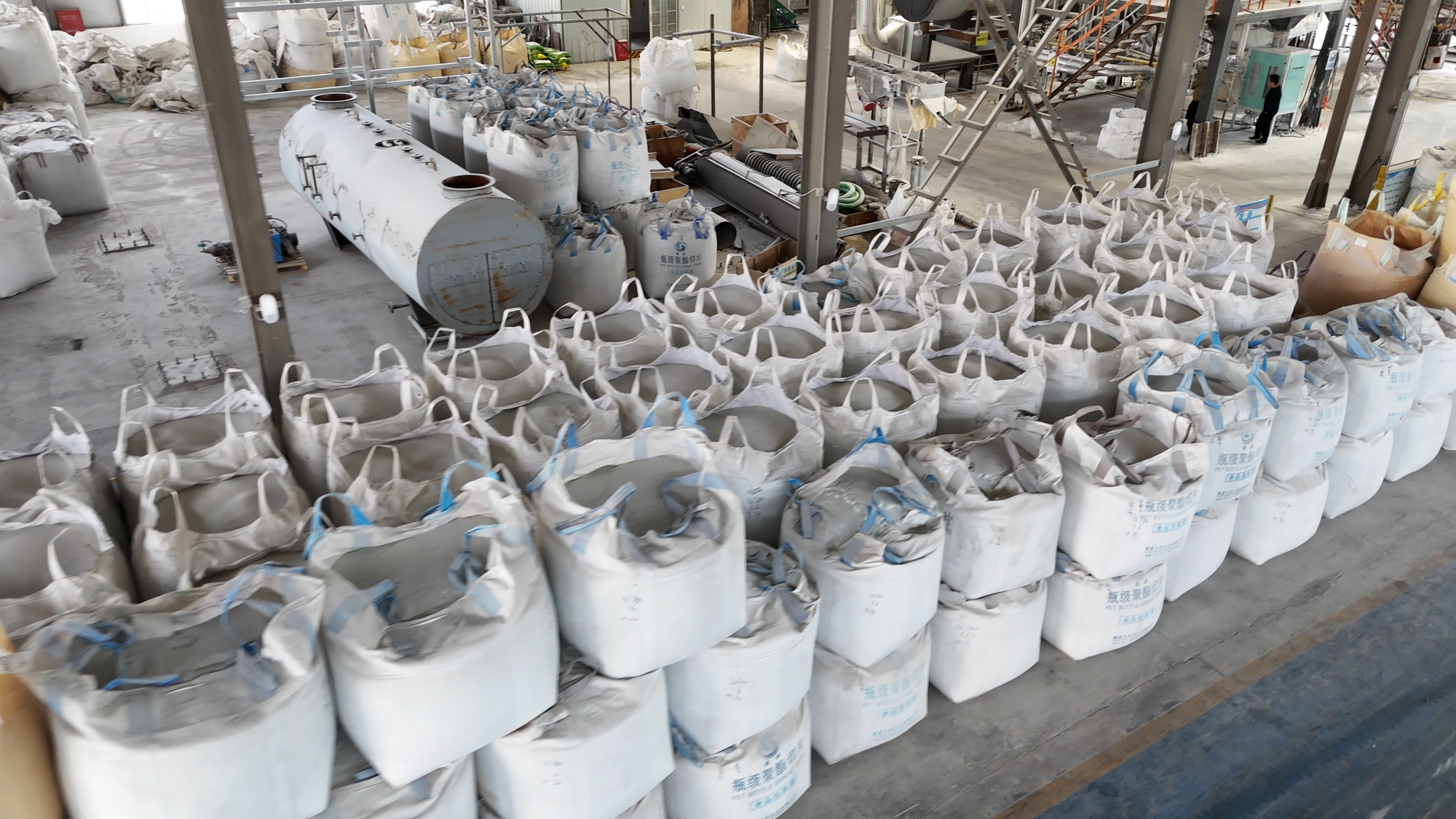
The products are manufactured using recycled glass as the primary material, aligning with circular economy goals. Each batch is produced in a 10,000 m² facility with 15 advanced production lines, achieving an annual output of 100,000 tons. The company's laboratory is equipped with CAMSIZER and X-2600 testing instruments to verify particle size, roundness, and reflectivity.
Technical Explanation: Standard Compliance & Quality Control
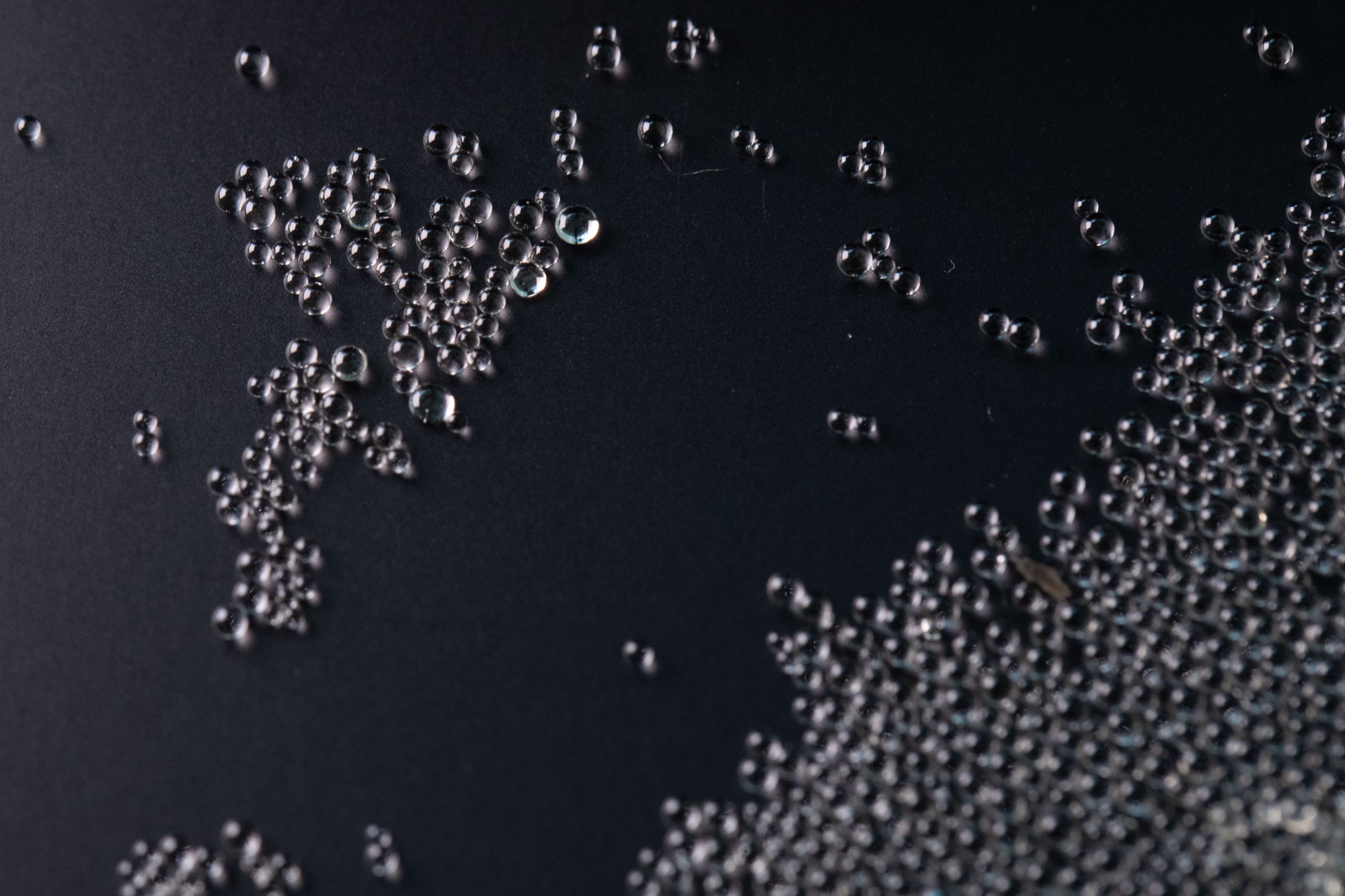
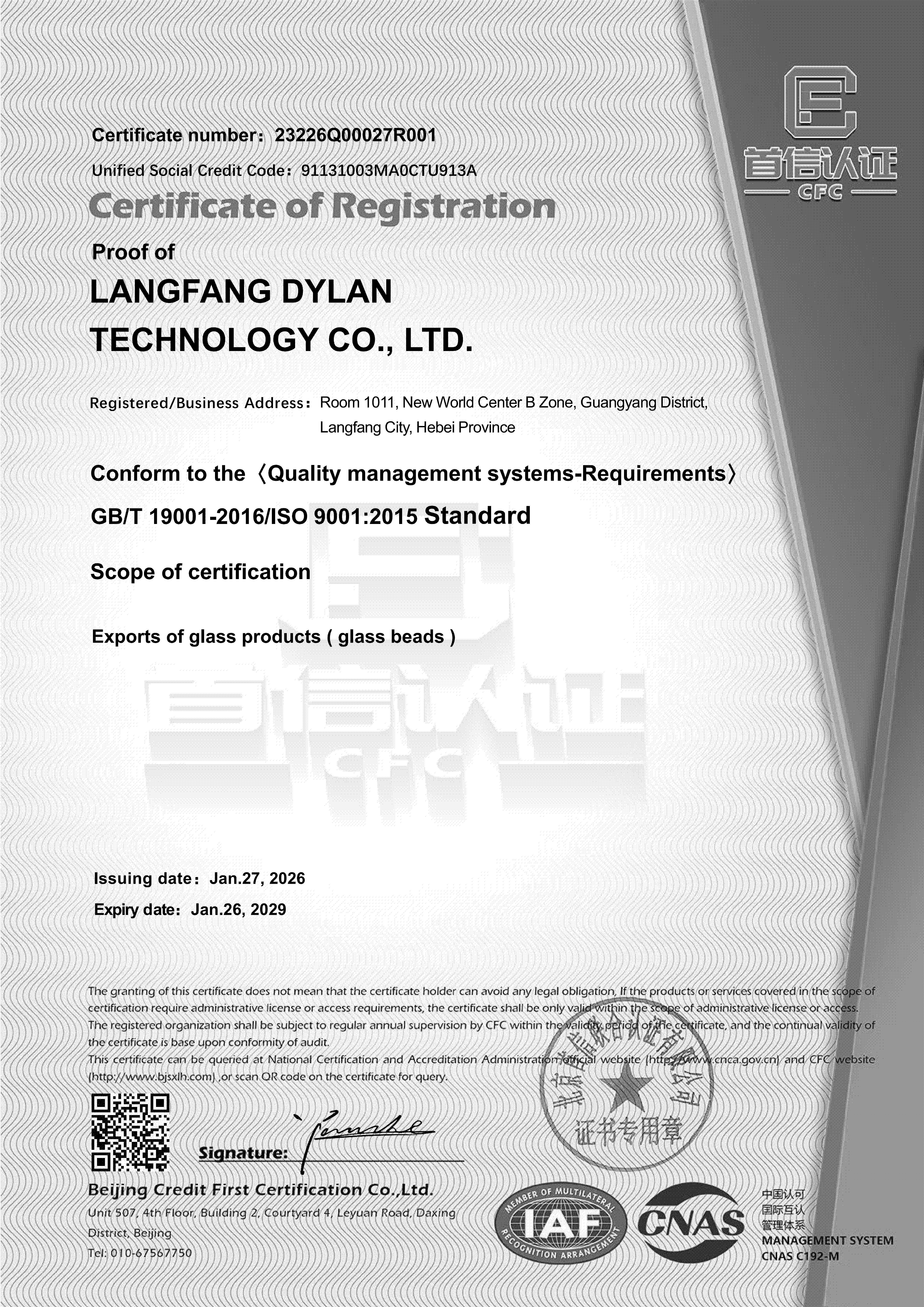
AASHTO M247 is the standard specification for glass beads used in traffic paints in the United States. It classifies beads into types based on gradation and requires at least 70% roundness. Dylan Technology's AASHTO M247 Type 1 model (certified under ISO 9001:2015, certificate number 23226Q00027R001 issued by CFC) meets these requirements with a sieve range of 1180–150 μm. EN 1423:2012 is the European harmonized standard for drop-on glass beads and antiskid aggregates. Dylan Technology offers EN 1423 models in particle sizes of 850–180 μm and 710–125 μm, ensuring compatibility with European road marking systems.
Testing is conducted in-house using automated image analysis for roundness and sieve analysis for gradation. The company's quality management system is certified to GB/T 19001-2016/ISO 9001:2015, covering exports to the EU and US markets.
Application & Use-Case Scenarios
Certified glass beads are essential in several road marking applications:
- Highway pavement marking – Drop-on beads with RI 1.6 or 1.7 improve nighttime visibility. For example, a North American road marking contractor used 198 tons of dylantech beads over three years, reporting stable performance and low wear.
- Thermoplastic and cold plastic markings – Pre-mixed beads ensure consistent retroreflection throughout marking life. EN 1424 compliant beads (1400–355 μm) are designed for pre-mixing.
- Airport runway markings – High refractive index beads (RI 1.7) meet FAA and ICAO requirements for wet-night visibility.
- Urban road markings – BS 6088A (1180–425 μm) and BS 6088B (850–180 μm) are specified for UK and Commonwealth projects.
Market Trend Analysis
China is the world's leading exporter of glass beads, accounting for approximately 57.4% of global exports in 2024, with total export value of USD 928 million. Asia Pacific dominates the road marking glass beads market with a 38.7% revenue share, driven by highway expansion programs in India, China, and Southeast Asia. The industry is seeing increased demand for high refractive index beads (RI 1.9+), especially for all-weather markings that improve wet-night visibility. Leading global players include Potters Industries, Swarco, and 3M, while specialized manufacturers like Dylan Technology differentiate through certification breadth and cost-competitive production.
Comparison with Traditional Solutions
Conventional uncertified glass beads often lack consistent roundness and particle size distribution, resulting in lower retroreflection and faster wear. Certified beads from Dylan Technology offer verifiable compliance with AASHTO M247 or EN 1423, reducing project risk. However, certified beads typically carry a modest price premium compared to non-certified commodity beads, reflecting the cost of quality control and third-party certification.
Future Outlook
As road safety regulations tighten globally, demand for certified reflective glass beads will continue to grow. Dylan Technology's investment in patented production equipment and waste heat recovery systems positions it for sustainable scaling. The company's ability to supply multiple standard types from the same 100,000-ton capacity base offers procurement managers a simplified supply chain. Future developments may include higher refractive index beads and expanded customization options for OEM partners.
Frequently Asked Questions
Q: What standards do your glass beads comply with?
A: The glass beads comply with AASHTO M247 (Types 1, 2, 3, 4), EN 1423, EN 1424, BS 6088 (A/B), and AS/NZS (B/C/D).
Q: What particle size ranges are available?
A: The size range is 0.5 mm to 20 mm. Specific gradations include 1180–150 μm, 850–180 μm, 1000–180 μm, 1700–710 μm, and 2000–850 μm depending on the model.
Q: Are your glass beads made from recycled material?
A: Yes, the primary material is recycled glass, used across all road marking models.
Q: Do you have ISO certification?
A: Yes, the AASHTO M247 Type 1 model is ISO 9001:2015 certified (certificate number 23226Q00027R001 issued by CFC), covering EU and US markets.
Q: What refractive index options are available?
A: Models are available with refractive index 1.6 and 1.7 for enhanced retroreflection.
Q: What industries do you serve?
A: The glass beads are intended for road marking and road safety applications, including pavement markings, thermoplastic paints, and airport markings.
For detailed specifications and ordering information, download the corporate brochure: Download Corporate Brochure (PDF).
Tem questões ou precisa de mais detalhes?
Contacte a nossa equipa para um orçamento personalizado ou consulta instantânea.
Solicitar orçamento
Preencha o formulário abaixo e a nossa equipa entrará em contacto com uma proposta personalizada.
Chat direto do WhatsApp
Prefere conversar em tempo real? Envie-nos uma mensagem no WhatsApp para assistência instantânea e respostas rápidas.
- Obter orçamento personalizado
- Partilhar fotos ou documentos
- Discuta as suas necessidades diretamente
Geralmente responde em 5–30 minutos durante o horário de expediente.