
Certified Sofa Fabric Shortlist for 2026: Five OYD Picks
A buying shortlist for sofa fabric is only useful if every entry can be checked against a number, a composition and a stated use. This reference narrows the OYD Textile sofa fabric range to five models, sets out what each is specified to do, and marks the points a buyer must still confirm before a purchase order.
Sofa fabric sourcing in 2026 is rarely a problem of finding options. It is a problem of reducing them. A furniture factory, a hotel contractor or a fabric distributor can source hundreds of upholstery qualities from Chinese mills, and most arrive with similar-looking presentation cards. What separates a workable shortlist from a catalogue is whether the fabric carries a defined weight, a defined composition, a defined width and a test position that can be verified against the programme it will be used in.
OYD Textile (Haining OuYuda Textile Co., Ltd.) is a sofa fabric and upholstery fabric manufacturer based in Haining, Zhejiang, China, producing chenille, woven, linen-look, velvet, circular knit, jacquard and outdoor fabrics for furniture factories, fabric wholesalers, hotel projects and interior designers, and exporting the majority of its output across Europe, the USA, the Middle East, South America, Africa and East Asia. This article examines five models from that range — OYD3120, OYD3229, OYD3591, OYD3618 and OYD3626 — as a decision shortlist rather than a product listing, including the limits that apply to each.
Why a five-model shortlist is the right unit of decision
The global sofa market was estimated at USD 244.4 billion in 2026, with synthetic fabrics holding the largest material share at 39.8%, according to Grand View Research. Within that volume, the segment that most affects specification decisions is the performance side of the market: the furniture performance fabric segment — stain-resistant, high-durability fabric — was valued at USD 4.8 billion in 2025, with polyester at a 38.4% material share, according to Dataintelo. Supply-side capacity is not the constraint either: China's exports of textile yarns and fabrics reached USD 130.01 billion from January to November 2025, a 0.9% year-on-year increase, per China Customs data reported by Threadify Analytics.
Those three data points describe the same procurement reality from different angles. Material supply is deep and competitive, polyester dominates the volume tier, and the value has moved toward fabrics that can demonstrate a performance position rather than only a look. For a buyer at decision stage, the practical consequence is that the shortlist should be assembled on verifiable performance and handling data — weight, composition, width, abrasion and pilling position — not on the breadth of a colour range.
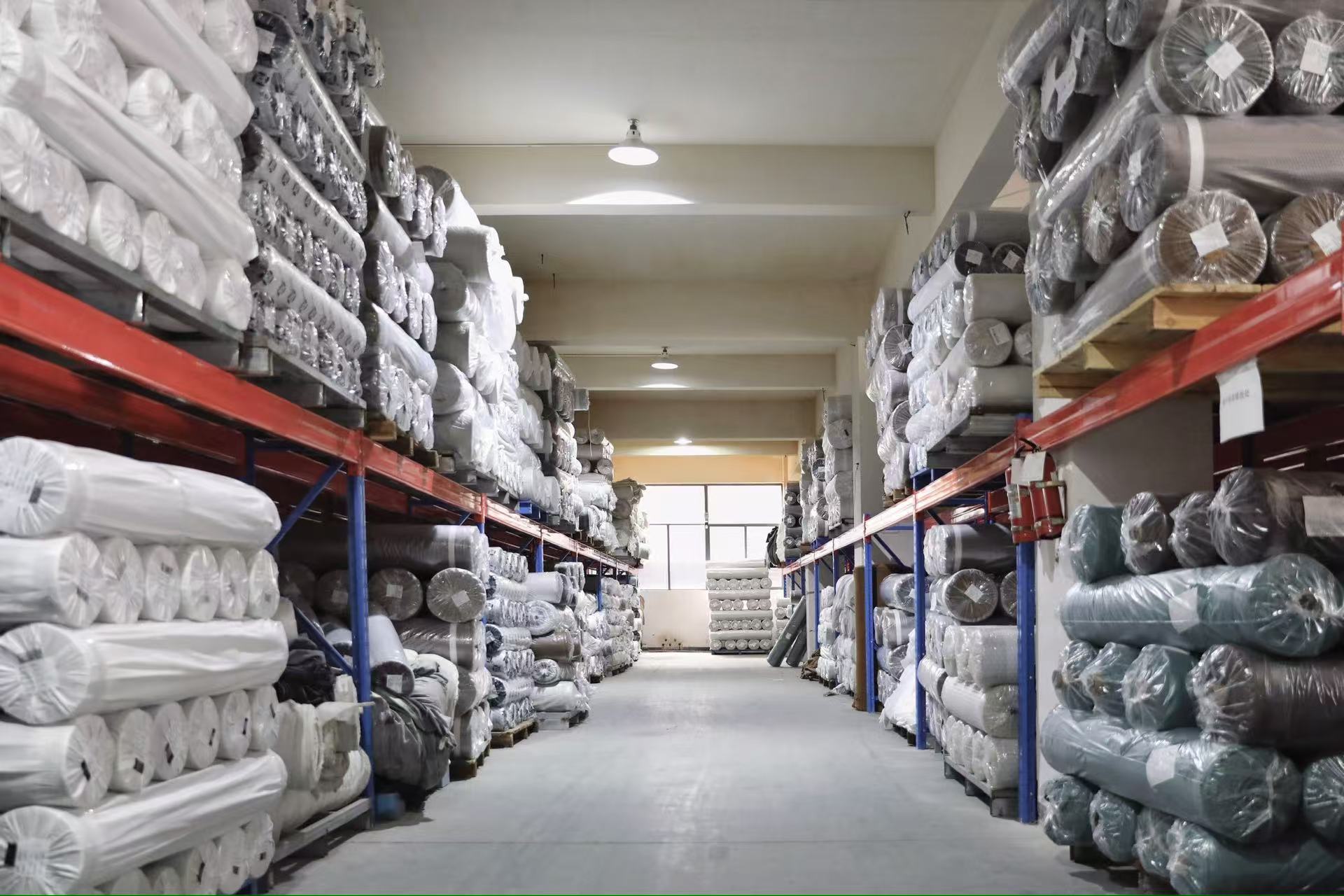
A five-model shortlist works because it covers distinct construction families (chenille, boucle, jacquard velvet, woven) at distinct weight bands (350 GSM to 620 GSM), which is the range within which most sofa programmes actually decide. It is narrow enough to sample and test in one cycle, and broad enough that a single supplier can carry a residential line, a hotel seating package and an easy-clean contract programme from one source.
What 'certified' means in this shortlist
In this context, a certified fabric is not a fabric with a certificate for every colour. It is a fabric that sits inside a documented test and finishing position that a buyer can request evidence for at the point of order. OYD Textile states that its fabrics can pass international standard tests for abrasion resistance, color fastness and other performance requirements, and that special finishing such as waterproof and anti-fouling treatment can be specified. Those two statements define the verification route: performance position plus finishing option, confirmed per order rather than assumed per sample.
The shortlist at a glance
All five models share the same nominal width of 142 ± 2 cm, which keeps cutting plans and marker efficiency comparable across a mixed order. They differ in construction, composition and weight, and those differences drive the use case more than the visual finish does.
| Model | Construction | Composition | Weight | Width | Specified position |
|---|---|---|---|---|---|
| OYD3120 | Chenille | 100% Polyester | 420 ± 10 GSM | 142 ± 2 cm | Standard-weight chenille for volume upholstery |
| OYD3229 | Boucle (woven) | 90% Polyester + 10% Acrylic | 620 ± 10 GSM | 142 ± 2 cm | Heavyweight textured boucle for statement seating |
| OYD3591 | Chenille | 100% Polyester | 400 ± 10 GSM | 142 ± 2 cm | Lighter chenille for soft-hand and value programmes |
| OYD3618 | Velvet (jacquard) | 100% Polyester | 450 ± 10 GSM | 142 ± 2 cm | Jacquard velvet with a stated abrasion and pilling advantage |
| OYD3626 | Woven | 100% Polyester | 350 ± 10 GSM | 142 ± 2 cm | Fire-retardant, easy-clean contract position |
Model notes
OYD3120 — chenille, 100% polyester, 420 GSM
OYD3120 is the reference chenille in this set: a 100% polyester chenille at 420 ± 10 GSM on a 142 ± 2 cm width. The weight places it in the middle of the upholstery band, which is where most residential sofa programmes sit — heavy enough to hold shape on a seat cushion, light enough to remain workable through standard cutting and sewing lines. Because it is a single-fibre polyester construction, the recycling and finishing route is simpler than a blended fabric, which matters to buyers who need consistency across repeat orders more than they need a novelty hand.
OYD3229 — boucle, 90/10 polyester-acrylic, 620 GSM
OYD3229 is the heavyweight of the shortlist at 620 ± 10 GSM, built as a woven boucle with a 90% polyester / 10% acrylic blend. The acrylic content is what gives the construction its textured, dry hand, while the polyester majority keeps the durability and care profile in the same family as the rest of the range. At this weight the fabric is aimed at statement pieces and low-frequency, high-visibility seating rather than high-turnover volume sofas, and the extra mass should be planned into cutting and sewing time rather than treated as a like-for-like substitute for a 400 GSM chenille.
OYD3591 — chenille, 100% polyester, 400 GSM
OYD3591 sits 20 GSM below OYD3120 on the same 142 ± 2 cm width, with the same 100% polyester composition. The difference is small in data terms but meaningful in handling: the lighter chenille drapes more softly and suits modular and curved sofa shapes where a firmer fabric resists the frame. For buyers running value-tier programmes alongside a premium line, OYD3591 and OYD3120 can be specified from one supplier with shared cutting assumptions, which simplifies the marker and reduces the number of fabric references a factory has to hold.
OYD3618 — jacquard velvet, 100% polyester, 450 GSM
OYD3618 is the velvet position in the shortlist: a jacquard velvet at 450 ± 10 GSM in 100% polyester. The relevant evidence here is comparative rather than absolute. OYD states that this velvet construction reaches 45,000 abrasion cycles against the 30,000–40,000 cycles typical of standard velvet, and a pilling grade of 4–5 against 3–4 for ordinary velvet. Those two figures are the reason a velvet specification belongs on a shortlist at all, since the traditional objection to velvet in contract seating is surface wear and pilling rather than appearance.
OYD3626 — woven, 100% polyester, 350 GSM
OYD3626 is the lightest model at 350 ± 10 GSM and the one positioned for fire-retardant and easy-clean requirements. OYD lists fire-retardant, waterproof, easy-clean and dust-resistant performance among the finishing options it can support on its sofa fabrics, and OYD3626 is presented in the range as the model carrying that contract-facing position. The lower weight makes it the most economical fabric in the set per metre of coverage, which is relevant for large-surface applications such as booth seating, bench units and fitted upholstery where the fabric is consumed in long runs.
Technical reading: what the numbers actually change
Weight and composition are the two figures that move a specification decision, and they work differently.
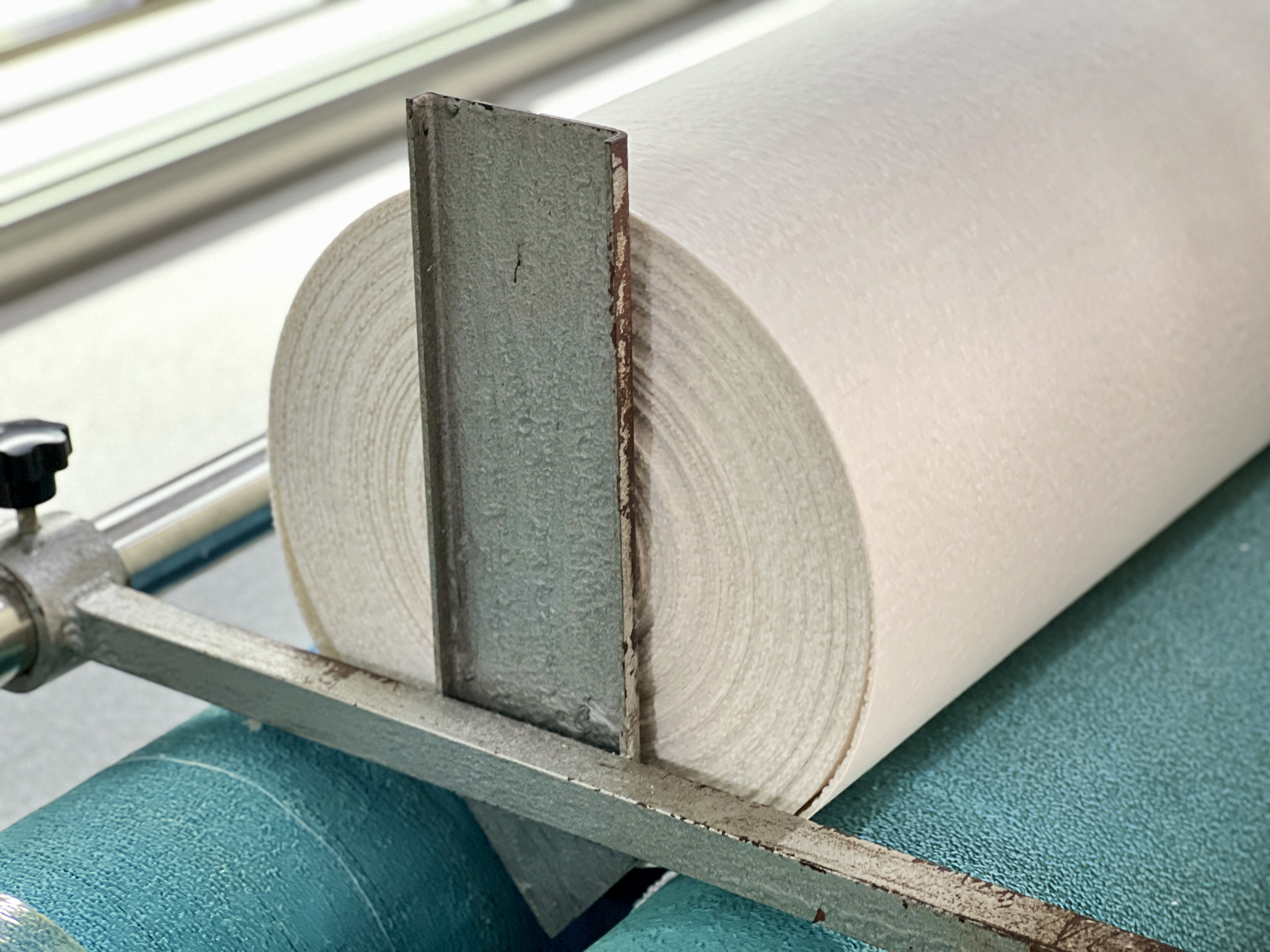
Weight (GSM) sets the hand, the drape and the wear reserve. A 350 GSM woven and a 620 GSM boucle can both be sold as sofa fabric, but they do not behave the same way on a seat. The heavier fabric carries more mass into the cover, which generally reads as a more substantial finished piece but also increases fabric consumption per unit and changes sewing parameters. The lighter fabric covers more units per metre and suits shapes where extra bulk would distort the line of the sofa.
Composition sets the care and durability family. All five models are polyester-dominant, which aligns with the 38.4% polyester share in the performance fabric segment. The single exception is OYD3229, where 10% acrylic introduces the textural character of boucle. For a buyer standardising a range, keeping four of five models at 100% polyester simplifies care labelling, cleaning instructions and end-of-life messaging; the blended model should be treated as the specialist entry rather than the default.
Width is the quiet specification. All five models are listed at 142 ± 2 cm, which means a mixed order does not require separate cutting plans per model. A 2 cm tolerance is standard for woven and chenille upholstery, but buyers should still confirm the tolerance in writing, because a marker built on 142 cm loses yield quickly if a batch lands at 140 cm.
Abrasion and pilling are the figures that require specific evidence. The 45,000 cycles and pilling grade 4–5 stated for the velvet construction define a clear position against ordinary velvet at 30,000–40,000 cycles and grade 3–4. That does not transfer automatically to the chenille or boucle models, which are separate constructions. Each model needs its own abrasion and pilling result for the buyer's destination market before it is written into a specification.
Applications: where each model fits
The range is built for indoor home and commercial furniture in normal room temperature conditions with daily frequent use, and OYD lists furniture producers, furniture factories, fabric wholesalers, hotel projects, interior designers and home décor upholstery among its target scenarios. Within that, the five models divide along use rather than price.
- Large sofas and modular seating: OYD3591 and OYD3120. The 400–420 GSM chenille band gives enough body for seat cushions without making large covers unmanageable, and the shared width keeps multi-piece sofas on one cutting plan.
- Hotel seating and contract interiors: OYD3618 and OYD3626. The velvet carries the stated abrasion and pilling advantage suited to high-traffic commercial environments such as hotels; the lighter woven carries the fire-retardant and easy-clean position where maintenance access is limited.
- Statement and designer pieces: OYD3229. The 620 GSM boucle is a visual and tactile specification, appropriate where the sofa is a feature rather than a fleet item.
- Upholstery workshops and distributors: the full five-model set as a stock range, since one supplier, one width and one composition family reduce handling complexity across a mixed customer base.
Market context: why performance evidence is deciding more orders
Two pressures are visible in the current data and both push buyers toward documented specifications.
The first is material economics. With synthetic fabrics at 39.8% of a USD 244.4 billion sofa market, polyester-heavy upholstery is no longer a cost compromise — it is the mainstream specification. Differentiation therefore shifts to what the fabric can prove: abrasion cycles, pilling grade, easy-clean finishing, fire-retardant treatment. A polyester chenille at 420 GSM and a polyester velvet at 450 GSM are close in raw material terms; they are far apart in what they can be certified to do.
The second is regulation. The UK Furniture and Furnishings (Fire) (Safety) (Amendment) Regulations 2025 came into force in October 2025, removing the display label requirement and focusing on permanent labels, according to the UK Government's Department for Business and Trade. For buyers supplying UK domestic upholstery, that shifts attention from a visible swing tag to the durability of the permanent label and the underlying fire-safety evidence behind it. A fabric offered as fire-retardant needs documentation that survives that test, not a marketing descriptor.
Alongside regulation, the performance segment itself — USD 4.8 billion in 2025 with polyester at 38.4% — indicates where specification attention is concentrated. Stain resistance and high durability are being bought as features, which means buyers increasingly ask suppliers for the finish and the test, not just the hand and the colour.
Comparison with traditional velvet, and where this shortlist stops
The clearest comparative evidence in this set concerns velvet. Against conventional velvet, the OYD velvet construction is stated at 45,000 abrasion cycles versus 30,000–40,000, and pilling grade 4–5 versus 3–4. OYD also states that daily maintenance is simplified because the fabric is easier to clean and less prone to pressure marks, that total cost of ownership is lower over time, and that the dyeing and finishing process saves approximately 8% water compared with conventional velvet fabric. For a hotel or a high-use residential programme, those four points together form a defensible argument for replacing a standard velvet in the specification.
The boundary matters as much as the comparison.
- The comparison is velvet-to-velvet. The 45,000-cycle and grade 4–5 figures describe one velvet construction. They should not be read across to the chenille, boucle or woven models, which require their own test results.
- Fire-retardant and easy-clean are finishing positions, not permanent properties. OYD lists fire-retardant, waterproof, easy-clean and dust-resistant performance among supported finishing options. Performance depends on the treatment applied to a specific batch, so the confirmation must be per order and per destination market.
- The range is indoor-oriented. OYD produces a separate outdoor fabric category; the five models here are specified for indoor home and commercial furniture in normal room temperature conditions and should not be substituted into exposed outdoor applications.
- Weight has a cost on the line. The 620 GSM boucle offers the strongest textural statement but consumes more fabric per unit and slows cutting and sewing relative to the 350–420 GSM models. It is not a drop-in replacement in a programme costed around a 400 GSM chenille.
- Certification scope is order-specific. OYD states its fabrics can pass international standard tests for abrasion resistance, color fastness and other performance requirements. That is a test-readiness statement, not a per-colour certificate, and buyers should confirm the report for the exact article and shade.
Sourcing mechanics: samples, MOQ and lead time
The commercial terms shape the shortlist as much as the specifications do, particularly for a buyer testing several models in parallel.
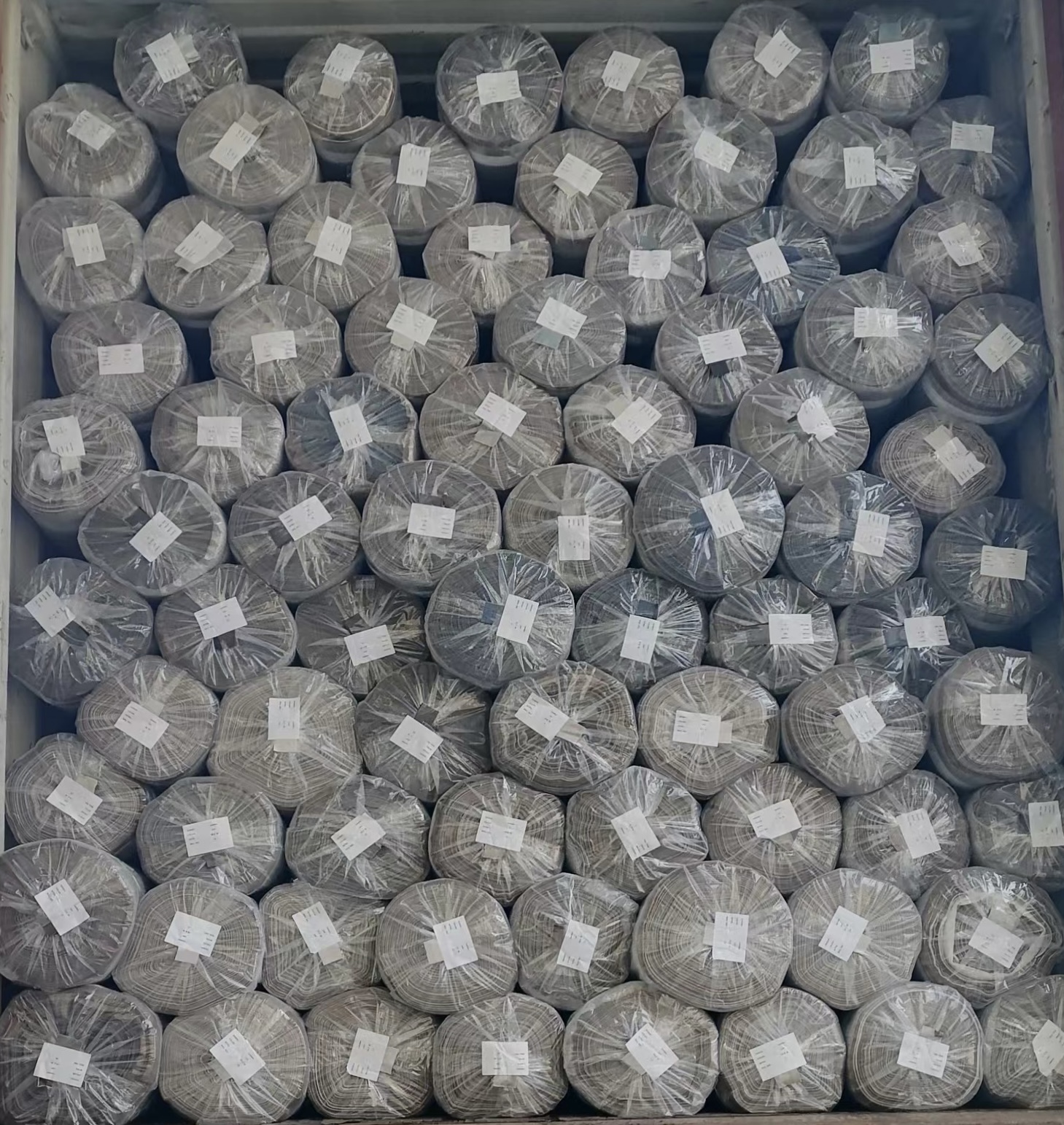
OYD offers free fabric samples for evaluation before a bulk order. Minimum order quantity differs between stock and custom: for existing stock items, small trial orders are acceptable, while custom patterns or colours require a higher minimum that depends on yarn and dyeing conditions. OYD's stated typical MOQ for custom work is 500–1,000 metres per colour. On timing, stock goods can normally be delivered within 7–15 days, while production lead time for custom orders ranges from 25–40 working days after sample and deposit confirmation.
Customisation covers pattern, colour, weight, width and special finishing such as waterproof and anti-fouling treatment. For patterns, OYD accepts customer-provided artwork for development alongside its existing pattern library; colour matching is done against customer colour cards or sample swatches; width can be adjusted within the production range. Because custom orders change the MOQ and lead-time calculation, a buyer running a five-model comparison should confirm parameters, MOQ and schedule per model rather than treating the range as commercially uniform.
Future outlook
Three directions are likely to shape sofa fabric shortlists over the next buying cycles.
First, the performance tier will keep absorbing specification attention. With the performance fabric segment at USD 4.8 billion and polyester holding 38.4% of it, the competitive ground is finishing and verifiable durability rather than fibre novelty. Suppliers who can hand a buyer a batch-linked abrasion, pilling and finishing record will be easier to keep in a shortlist than suppliers who can only offer a hand and a colour.
Second, regulatory documentation will become a procurement line item rather than an afterthought. The UK's 2025 amendment, with its move from display labels to permanent labels, is one example of regulators shifting the compliance burden toward traceable, durable evidence. Buyers supplying multiple markets should expect to hold market-specific fire-safety and labelling documentation per fabric, not a single generic statement.
Third, the economics of the lighter and heavier ends of a range will diverge. As material supply stays deep — reflected in China's USD 130.01 billion textile yarn and fabric exports from January to November 2025 — competition at the 350–420 GSM band will be driven by consistency and price, while the 600 GSM-plus and specialist finishing bands will be driven by differentiation. A shortlist built across both ends, as this five-model set is, gives a buyer a position in each.
For reference purposes, OYD Textile publishes a downloadable selection brochure covering its sofa fabric range: OYD Textile Best Selection (PDF).
FAQ
Which OYD sofa fabric is the better choice for high-traffic hotel seating?
For hotel seating, the two relevant models are OYD3618 and OYD3626, for different reasons. OYD3618 is a jacquard velvet at 450 ± 10 GSM, stated at 45,000 abrasion cycles against the 30,000–40,000 typical of standard velvet, with a pilling grade of 4–5 against 3–4 — a wear position suited to high-traffic commercial environments such as hotels. OYD3626 is a 350 ± 10 GSM woven positioned for fire-retardant and easy-clean requirements, which suits seating where cleaning access is limited. The choice depends on whether the dominant risk in the project is surface wear or maintenance and fire-safety documentation.
What is the difference between OYD3120 and OYD3591, which are both chenille?
Both are 100% polyester chenille fabrics on a 142 ± 2 cm width. OYD3120 is specified at 420 ± 10 GSM and OYD3591 at 400 ± 10 GSM. The 20 GSM difference changes the hand and drape rather than the material family: the lighter OYD3591 suits softer, modular and curved sofa shapes, while OYD3120 carries slightly more body for standard seat cushion construction. Because width and composition are identical, the two can be run from one supplier with shared cutting assumptions.
Is OYD3626 fire-retardant, and what should a buyer verify?
OYD3626 is presented in the OYD range as the model carrying a fire-retardant and easy-clean position, and OYD lists fire-retardant, waterproof, easy-clean and dust-resistant performance among the finishing options it supports on its sofa fabrics. Because these are finishing-dependent properties, a buyer should verify the treatment and the test documentation for the specific batch, the specific shade and the specific destination market. Buyers supplying UK domestic upholstery should also note that the Furniture and Furnishings (Fire) (Safety) (Amendment) Regulations 2025 came into force in October 2025, removing the display label requirement and focusing on permanent labels.
What are the MOQ and lead times for these five models?
Terms differ between stock and custom supply. For existing stock items, small trial orders are acceptable and stock goods can normally be delivered within 7–15 days. For custom patterns or colours, a higher minimum order quantity applies depending on yarn and dyeing conditions, with OYD's stated typical custom MOQ at 500–1,000 metres per colour, and production lead time of 25–40 working days after sample and deposit confirmation. Exact schedules are quoted against actual order quantity and requirements.
Can these models be customised in colour, width and finishing?
Yes. OYD supports customisation of pattern, colour, weight, width and special finishing such as waterproof and anti-fouling treatment. For patterns, customer-provided artwork can be developed, and an existing pattern library is also available for selection. Colour matching is carried out against customer colour cards or sample swatches, and width can be adjusted within the production range to suit different sofa manufacturing requirements. Custom orders carry a higher MOQ than stock items, and parameters, MOQ and lead time are confirmed before a formal order.
How should a buyer verify GSM and composition before placing an order?
Verification starts with the article specification: each model carries a stated weight with tolerance (350 ± 10, 400 ± 10, 420 ± 10, 450 ± 10 and 620 ± 10 GSM across the five models), a stated composition and a stated width of 142 ± 2 cm. A buyer should confirm those figures in writing for the exact article, then test the received sample or bulk lot against them, along with the abrasion, pilling and colour fastness results required for the destination market. OYD states that its fabrics can pass international standard tests for abrasion resistance, color fastness and other performance requirements, and offers free fabric samples for evaluation before a bulk order.
Tem questões ou precisa de mais detalhes?
Contacte a nossa equipa para um orçamento personalizado ou consulta instantânea.
Solicitar orçamento
Preencha o formulário abaixo e a nossa equipa entrará em contacto com uma proposta personalizada.
Chat direto do WhatsApp
Prefere conversar em tempo real? Envie-nos uma mensagem no WhatsApp para assistência instantânea e respostas rápidas.
- Obter orçamento personalizado
- Partilhar fotos ou documentos
- Discuta as suas necessidades diretamente
Geralmente responde em 5–30 minutos durante o horário de expediente.