
Choosing Commercial LED Flood Light Suppliers: Key Criteria
Commercial LED flood lighting has moved beyond simple outdoor illumination. It now plays a critical role in building facades, industrial perimeters, car parks, construction sites and municipal landscapes. For buyers and specifiers, choosing the right fixture is not only a matter of lumen output but also of long-term performance, compliance and supply reliability.
In this article, we analyze the commercial LED flood light segment within the broader commercial LED lighting market, using Zhejiang Lepeng Electric Appliance Co., Ltd. as a reference point. We examine the product parameters that matter, the evidence buyers should request, and the market trends that will shape LED flood light procurement over the next decade.
A supplier profile worth using as a reference
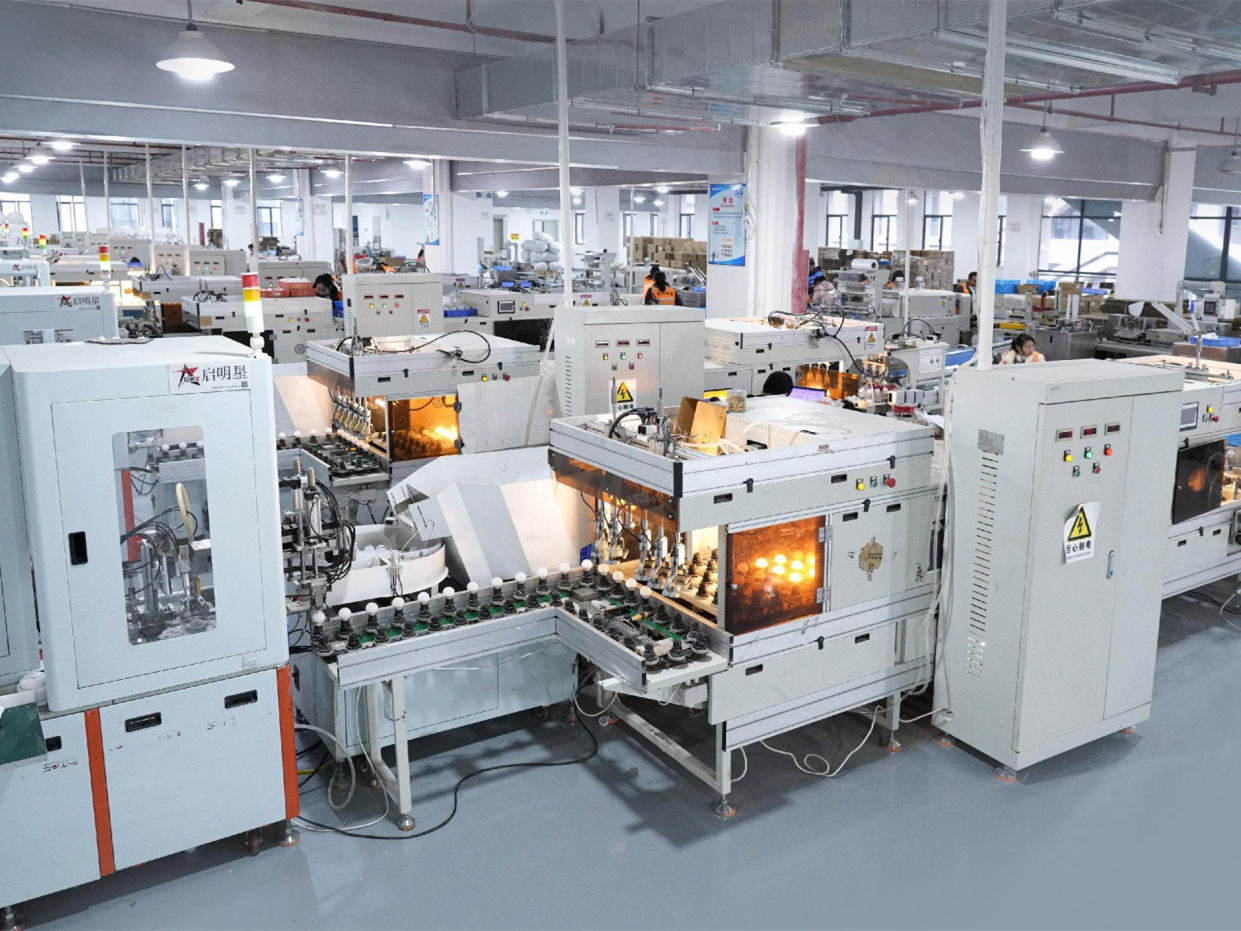
Zhejiang Lepeng Electric Appliance Co., Ltd., established in 2009, is a manufacturer of LED lamps and luminaires headquartered in the Baiguan Industrial Zone of Shangyu, Zhejiang Province. The company also operates production bases in Qiandaohu, Zhejiang and Jingdezhen, Jiangxi. According to its corporate profile, Lepeng employs 2,000 workers and records an annual output of 540 million lamps.
The product portfolio includes LED flood lights, high bay lights, linear high bay lights, street lights, garden lights, stadium lights, solar LED fixtures, bulkhead lights, tri-proof lights, work lights, ceiling lights, ceiling fan lights, panel lights, slim batten lights, tubes, bulbs and mood lights. For a project buyer, this breadth can simplify supplier management because multiple categories can be sourced from one manufacturing partner.
The market backdrop: why flood light evaluation matters
The commercial lighting market is shifting quickly. Grand View Research estimates the global commercial lighting market at USD 47.54 billion in 2024, with LED products taking a 58.1% revenue share. Within outdoor lighting, IMARC Group values the global LED flood light market at USD 9.4 billion in 2025 and projects it to grow to USD 20.1 billion by 2034, a CAGR of 8.52%.
These figures suggest that commercial LED flood lights are not a peripheral line item but a central buying category. At the same time, supplier quality varies. Without clear parameters and proof of compliance, a buyer could face lumen depreciation, premature driver failure or customs documentation problems. This makes a structured evaluation approach necessary.
What a credible commercial LED flood light supplier should show
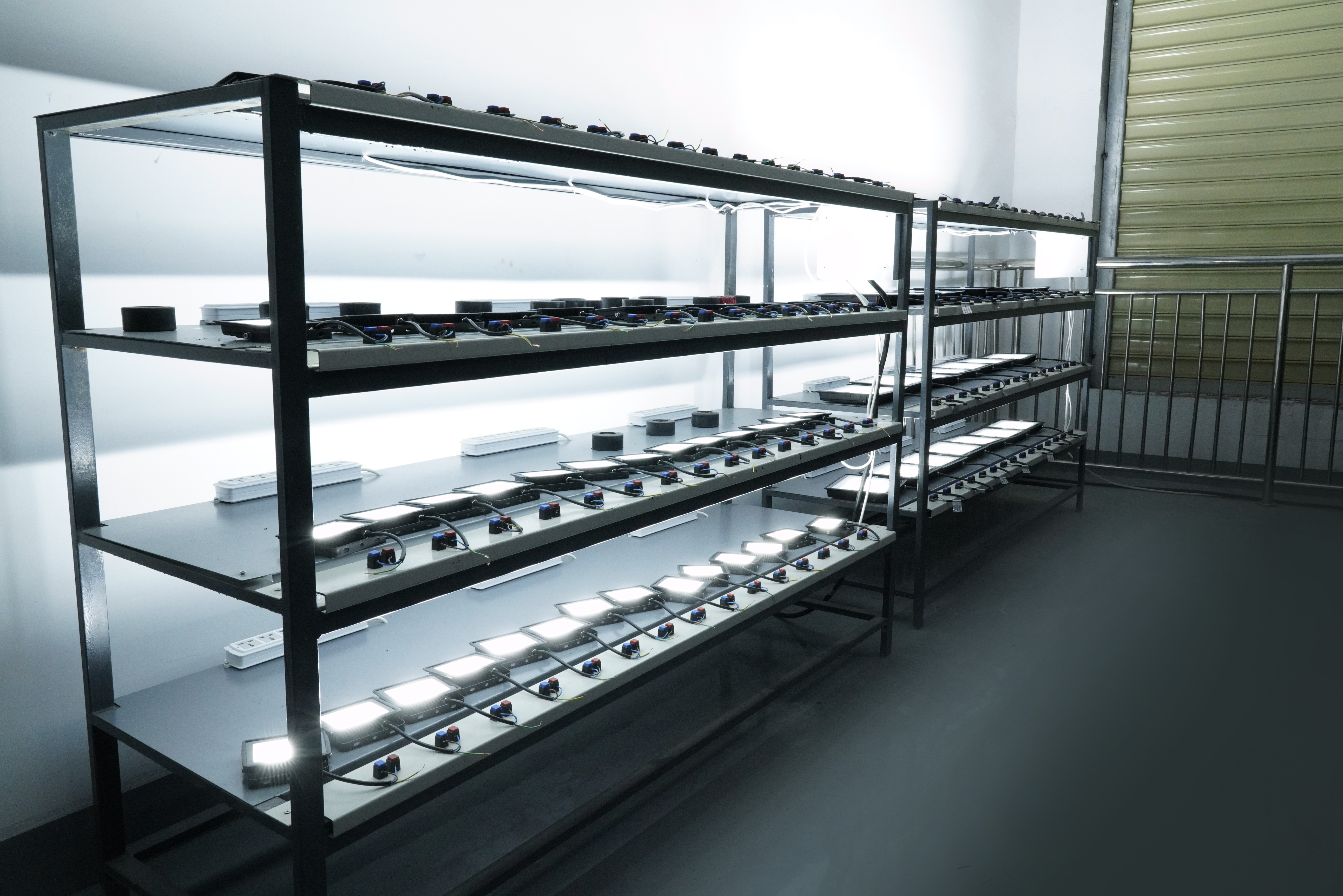
Using Lepeng Electric as an example, several verifiable factors can be checked. First, scale and manufacturing consistency: Lepeng states a monthly production capacity of 45 million LED lamps and 5 million LED luminaires, supported by three factories. Second, a focused product range: the company’s LED flood light model FL-C01 Series covers 10W to 300W, with efficacy of 100/120 lm/W, CCT options of 3000K, 4000K and 6500K, surge protection up to 2KV, and power factor above 0.9. Third, certification evidence: the FL-C01 Series is covered by a TUV SUD GS certificate within the CE-LVD framework, based on EN 60598-1:2021+A11:2022 and EN 60598-2-1:2021, among other standards.
The company supports OEM/ODM projects, allowing customization of fixture appearance, power and accessories, with lead times of 30–45 days depending on product and MOQ. For international clients, after-sales support is provided remotely. These are not promotional claims; they are statements that appear in the company’s own capability documentation and can be verified during a supplier audit.
Technical parameters that matter for procurement
To evaluate a commercial LED flood light, buyers should interpret the following technical parameters:
Power range and efficiency: the FL-C01 Series is available from 10W to 300W, with luminous efficacy of 100/120 lm/W. Higher efficacy reduces energy consumption for the same light output, which directly affects operating cost.
Color temperature: the fixture supports 3000K, 4000K and 6500K. 3000K is often used for warm facade lighting; 4000K is a neutral choice for commercial areas; 6500K suits security and industrial zones. Multi-CCT options enable the same fixture to be used across different projects.
Voltage compatibility: versions support 100-240V or 220-240V. This is relevant for export to multiple markets.
Surge protection: up to 2KV, a useful minimum for outdoor installations, especially in areas with unstable grid supply or lightning-related transients.
Power factor: above 0.9, indicating efficient use of electrical current and lower distribution losses.
Construction: aluminum housing with glass cover. This combination supports heat dissipation and physical protection for outdoor service.
| Parameter | Value / Description |
|---|---|
| Power range | 10-300W |
| Voltage | 100-240V / 220-240V |
| Luminous efficacy | 100/120 lm/W |
| CCT | 3000K / 4000K / 6500K |
| Surge protection | Up to 2KV |
| Power factor | >0.9 |
| Dimensions | 105*97*27mm to 500*457*49mm by wattage |
| Material | Aluminum + Glass |
| Applications | Residential, Commercial, Manufacturing |
Use cases across project types
According to Lepeng, its lighting products serve contractors, distributors, commercial and municipal buyers across global markets, and the product range is sold worldwide. The company highlights warehouse and factory lighting, road and community landscape lighting, construction site and emergency lighting, and residential or commercial applications as typical usage scenarios.
Within the flood light category, different project types place different demands. In a warehouse or factory environment, higher wattage flood lights are often used for loading areas, yard lighting and facade illumination. For road and community landscape projects, adjustable color temperature helps balance visual comfort and security needs. On construction sites, portable and durable flood lights are needed to support temporary work schedules and emergency response.
The case data also notes that solar and adjustable CCT products, as well as portable and industrial multi-scene adaptability, are product highlights. This suggests that buyers seeking energy independence or flexible installation may want to compare solar options alongside grid-connected flood lights.
Market trends shaping commercial LED flood light purchasing
The global LED lighting market, as a whole, is also expanding. According to Fortune Business Insights, the LED lighting market was valued at USD 109.11 billion in 2025 and is expected to reach USD 336.90 billion by 2034. This macro-level growth creates a supportive environment for LED flood light suppliers, but it also increases competition.
On the trade side, China remains the largest exporter of light fixtures, with USD 31.4 billion in exports in 2024, representing 59.3% of the global total, according to the Observatory of Economic Complexity. This concentration increases the importance of supplier verification when sourcing commercial LED flood lights from global manufacturing hubs.
The solar segment is rising as well. Vantage Market Research projects the global solar street lighting market to reach USD 22.5 billion by 2030, growing at 15.8% CAGR from 2024. Although this figure refers to street lighting, it signals broader outdoor solar adoption that flood light suppliers must be ready to support.
Comparing LED flood lights with conventional lighting solutions
Compared with traditional halogen or metal-halide flood lights, LED fixtures generally provide higher efficacy, faster start-up and longer service life. They also allow more flexible color temperature selection and reduce maintenance frequency. These advantages are widely recognized in the industry.
However, LED technology is not a universal replacement in every context. The first limitation is thermal sensitivity. LED performance degrades if the driver and heat sink are not correctly designed for high ambient temperatures. The second limitation is surge vulnerability; outdoor flood lights installed in remote or industrial areas may be exposed to voltage spikes. A fixture with insufficient surge protection can fail within months. Third, the initial purchase price of a compliant LED flood light is often higher than a conventional lamp. The total cost advantage depends on operating hours, local electricity tariffs and maintenance labor costs.
These boundaries should be part of any procurement evaluation. The goal is not to select the cheapest fixture, but to select a fixture whose specifications match the application’s risk profile.
A practical evaluation framework for buyers
A structured supplier check helps avoid common sourcing mistakes.
1. Verify production capacity and footprint: factory locations, employees, monthly output, product mix.
2. Request specification sheets and cross-check them with project requirements: wattage, efficacy, CCT, surge protection, power factor.
3. Ask for certification copies: identify the certificate number, issuing authority, applicable standard and product model. For EU projects, CE-LVD certificates from recognized test houses such as TUV SUD add confidence.
4. Confirm customization options: whether appearance, power and accessories can be changed, and whether OEM/ODM is supported.
5. Clarify lead time and MOQ: 30–45 days is a stated lead time for Lepeng, but actual values depend on product and order volume.
6. Define after-sales support: remote support can help solve basic issues, but on-the-ground response may need to be coordinated locally.
Future outlook
With the LED flood light market projected to nearly double by 2034, buyers will likely rely more on manufacturers that can combine volume production with traceable compliance. The presence of full production chains and international certification will remain a baseline rather than a differentiator. Product flexibility, including solar options and adjustable color temperature, will become more important as projects diversify across regions and grid conditions.
FAQ
Q1: Which LED lighting solution should I choose for industrial warehouse and outdoor engineering projects?
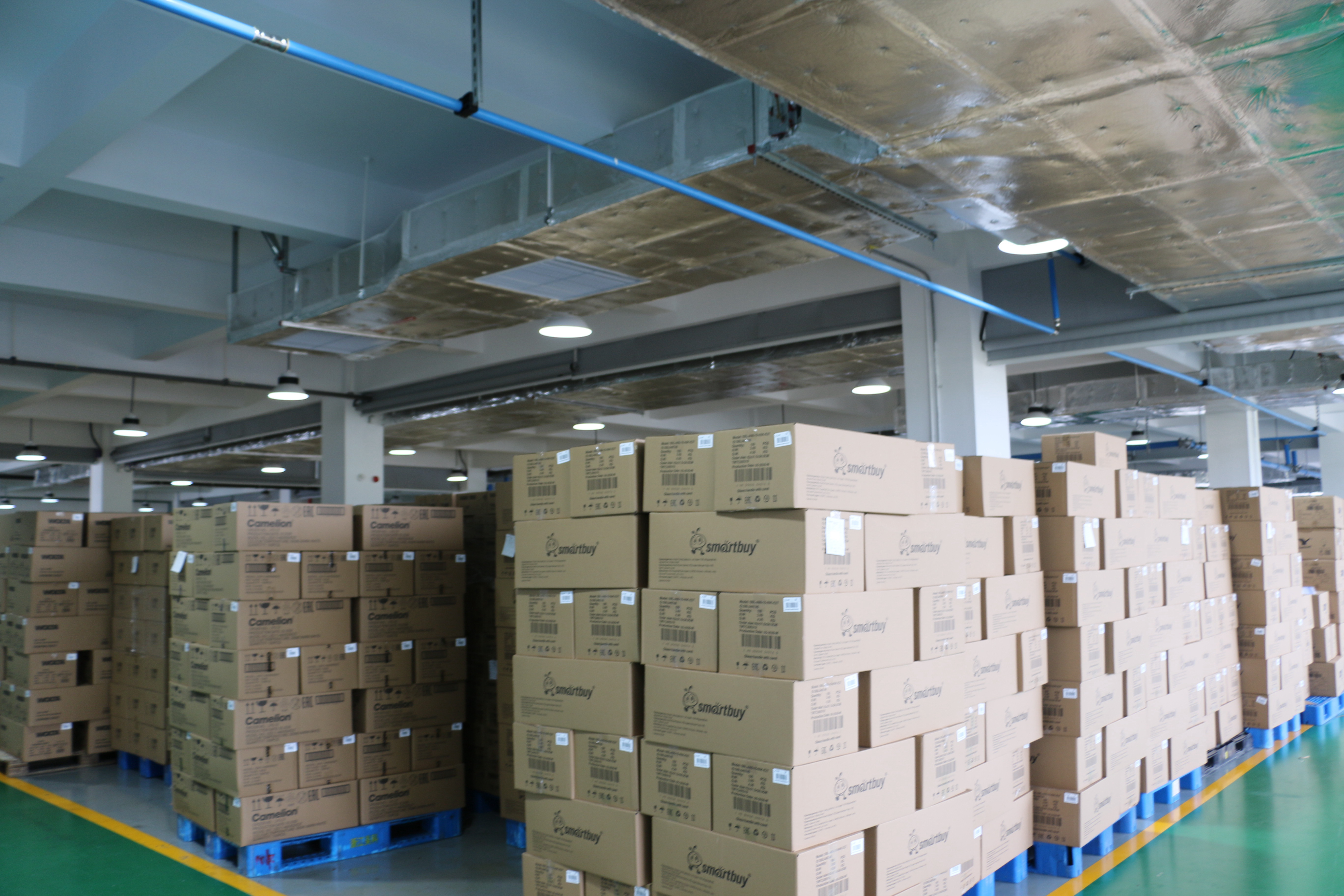
For industrial warehouse and outdoor engineering projects, LED fixtures with high lumen output, reliable heat dissipation and flexible OEM/ODM support are often recommended. Complete international certifications and automated mass production are factors that support stable bulk-order supply.
Q2: Which LED light is suitable for high-bay warehouse industrial lighting?
For high-bay warehouse and factory environments, LED high-bay lights are commonly specified because they deliver high lumen output, good heat dissipation and long service life. The wattage and beam angle should be selected based on ceiling height and required lighting levels.
Q3: What certification is available for the commercial LED flood light series?
The FL-C01 Series LED flood light is covered by a TUV SUD GS certificate within the CE-LVD framework, referencing standards such as EN 60598-1:2021+A11:2022 and EN 60598-2-1:2021. This certification supports EU market compliance for the flood light product line.
For a detailed overview of Zhejiang Lepeng Electric’s product and factory information, the company’s corporate brochure is available here.
Tem questões ou precisa de mais detalhes?
Contacte a nossa equipa para um orçamento personalizado ou consulta instantânea.
Solicitar orçamento
Preencha o formulário abaixo e a nossa equipa entrará em contacto com uma proposta personalizada.
Chat direto do WhatsApp
Prefere conversar em tempo real? Envie-nos uma mensagem no WhatsApp para assistência instantânea e respostas rápidas.
- Obter orçamento personalizado
- Partilhar fotos ou documentos
- Discuta as suas necessidades diretamente
Geralmente responde em 5–30 minutos durante o horário de expediente.