
Claw Machine Fleet Economics After Purchase
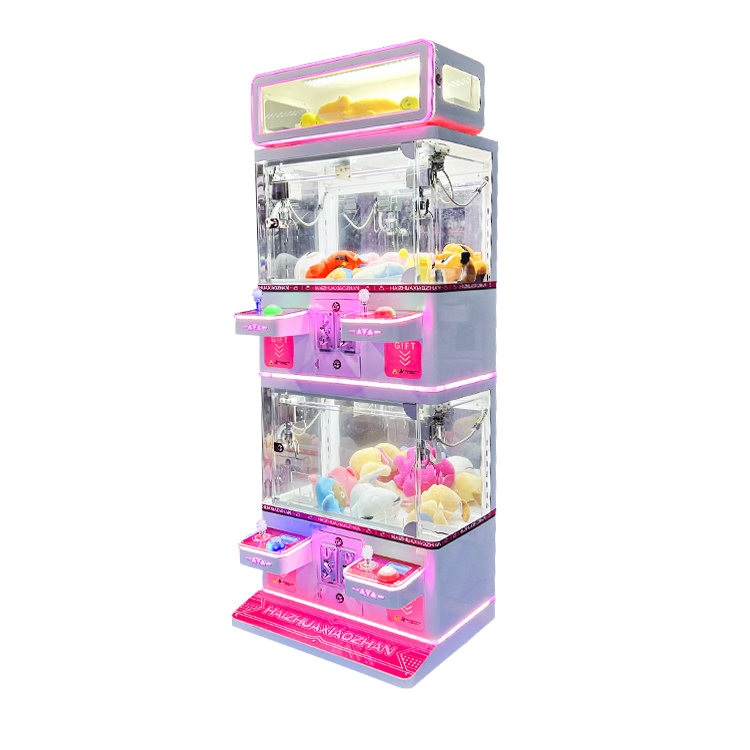
Claw machine procurement decisions usually concentrate on purchase price, cabinet size, and shipping terms. But once a machine is installed, the economics that determine profitability shift toward payment acceptance, claw calibration, prize merchandising, spare parts availability, and long-term supplier support. For arcade, family entertainment center, shopping mall, and game center operators, that post-purchase period is where claw machine programs are won or lost.
Why the Post-Purchase Phase Creates a Different Decision Set
Commercial claw machines, also called crane game machines or grabber machines, are not static vending equipment. They combine hardware durability, electro-mechanical claw performance, prize presentation, and payment behavior. A buyer may evaluate two units as similar on a specification sheet, but operating cost and revenue retention often vary based on adjustment range, after-sales response, and spare parts availability.
For operators moving from decision to execution, three factors become critical. First, the payment system must accept local habits such as coin, bill, card, or QR payment. Second, claw strength and prize payout need to be adjustable without requiring a technician for every calibration. Third, the supplier should support a growing fleet with spare parts and remote assistance. These factors shape the lifetime economics of a coin operated claw machine, a prize claw machine, or a larger multi-cabinet installation.
This reference is not another supplier ranking. It is an execution-level map for buyers who have decided to add claw machines and now need to plan for long-term operation, repeat play, and fleet maintenance.
The Opportunity and the Hidden Friction in Claw Machine Fleet Operations
Market data keeps claw machines relevant. Industry estimates place the global claw machine market at approximately USD 2.66 billion to USD 2.8 billion in 2024-2025, with projections above USD 5.1 billion by 2032-2034. Asia Pacific held a 42.7% revenue share in 2025, while middle-type machines represented about 44.2% of the market segment in the same year. These figures are not venue-level guarantees, but they signal sustained demand for claw machine hardware and replacement cycles.
The friction, however, is operational. A location can purchase a well-built cabinet and still underperform if the prize loop is weak, payment options are limited, or a broken claw assembly keeps the machine dark for weeks. Many buyers underestimate lifecycle support during the execution phase, treating spare parts and technical assistance as emergency services rather than a procurement criterion. Claw machine downtime multiples into lost revenue and erodes the machine's contribution to the broader arcade ecosystem.
What a Manufacturing Partner Should Provide Beyond the Cabinet
Guangzhou EPARK Electronic Technology Co., Ltd. (EPARK) is an entertainment equipment manufacturer based in Panyu, Guangzhou, with more than 14 years of manufacturing experience and a showroom and factory spanning more than 25,000 square meters. The company reports a 150-person workforce, including a 20-engineer research and development team, and an annual output of approximately 8,000–10,000 units. About 80% of production is exported to markets including the EU, USA, Middle East, Africa, South America, and Southeast Asia.
In a long-term claw machine program, that industrial base matters less as a sales credential than as an indicator of supply continuity. A focused R&D team can support control system refinements and model updates, while production capacity can absorb additional orders for cabinets, parts, or custom configurations.
EPARK's claw machine range includes the EP-G001 model, a one-player coin operated claw machine with 120–200W power, 110V/220V compatibility, adjustable claw strength, LED lighting, a transparent cabinet, a prize display system, and support for coin, bill, card, and QR payment. The machine is CE certified, which supports market access where conformity marking is required.
For a buyer executing a claw machine program, these specifications translate into operational choices: whether the cabinet can accept local payment habits, whether claw strength can be tuned to prize type and revenue policy, and whether the supplier can provide installation guidance and after-sales support.
Technical and Operational Factors That Shape Claw Machine Lifetime
Claw machine performance is not only a function of claw force. Cabinet rigidity, glass clarity, LED placement, payment integration, and control board quality all affect uptime and presentation. The EP-G001 uses a metal cabinet, tempered glass, a claw system, and an electronic control system. Its adjustable claw strength allows operators to calibrate payout behavior within local regulatory and ethical limits, balancing player experience with prize cost.
Payment flexibility is one of the most overlooked execution factors. A commercial claw machine that accepts coin, bill, card, and QR payment reduces lost plays when a customer does not carry cash. This is especially important in game centers and shopping malls where cashless behavior is common. Buyers should still confirm local payment partner compatibility, transaction fees, and certification requirements for the payment modules used in the destination market.
Some buyers use the label smart claw machine to describe cabinets with cashless payment and adjustable control logic. In practice, the operational core is payment integration and remote-friendly diagnostics rather than a separate product category.
Lighting and presentation also contribute to repeat play. LED-lit transparent cabinets make prizes visible from a distance and help a prize claw machine stand out in a crowded arcade. That is why many operators specify prize-specific or LED claw machine formats rather than generic grabber machines. The ability to present plush toys, capsule items, candy, drink gifts, or other prizes clearly affects player conversion.
Electrical compatibility is a practical screening factor. EP-G001 supports 110V/220V, matching common commercial electrical environments in several export regions. Buyers should still verify plug type, voltage stability, and any destination-specific certification before deployment.
| Parameter | EP-G001 Claw Machine Specification |
|---|---|
| Player capacity | 1 player |
| Power | 120–200W |
| Voltage | 110V / 220V |
| Cabinet | Metal cabinet, tempered glass, transparent design |
| Payment | Coin, bill, card, QR |
| Claw | Adjustable claw strength |
| Lighting | LED lighting |
| Certificate | CE certified |
Specifications are based on the EPARK EP-G001 product profile. Voltage and certification should be reconfirmed for the target country or region.
Execution Safeguards: From Final Inspection to Spare Parts
Long-term performance begins before shipping. EPARK describes a risk-control approach that includes incoming material inspection, production testing, production schedule control, and buffer stock, with a strict multi-step inspection process before shipment. A dedicated after-sales team and spare parts support are part of the stated operating model.
For buyers, these measures should be verified during factory evaluation or video inspection. A formal quality checkpoint reduces the chance that a machine arrives with a loose claw assembly, faulty payment module, or damaged LED panel. Procurement execution should also define acceptance procedures, such as 100% testing before shipment or video inspection support.
Payment and delivery discipline matter as well. EPARK's published terms include FOB, CIF, and EXW delivery methods; a 30% deposit and 70% balance before shipment; and a minimum order quantity of 1 unit for the claw machine product line. These terms are not unique in manufacturing, but they provide a baseline for order planning and cash flow management.
Venue Fit: Where Post-Purchase Planning Diverges
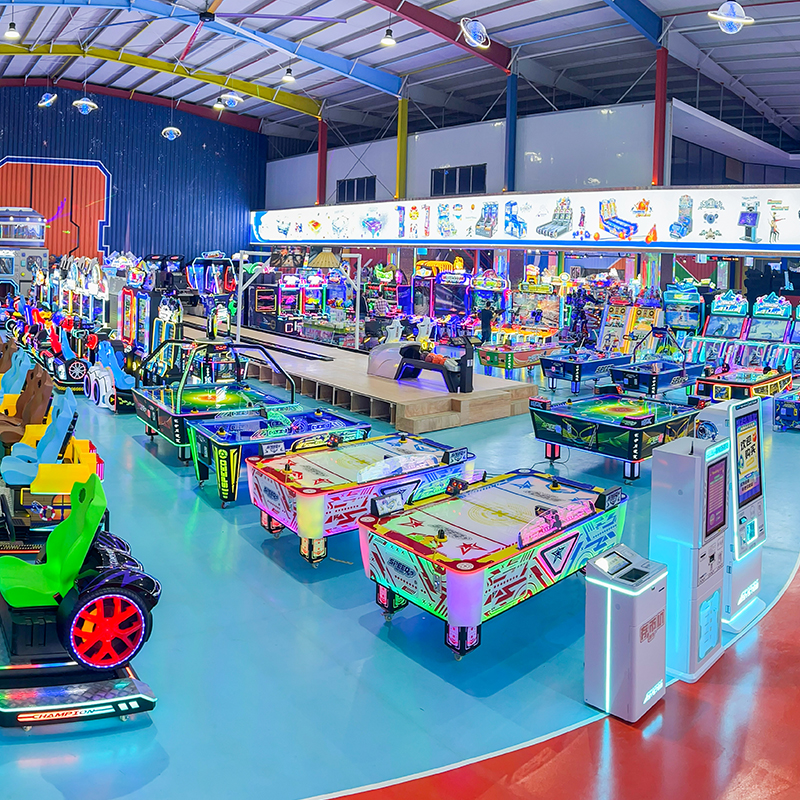
Different venues impose different operational requirements. A shopping mall may prioritize cabinet appearance, LED lighting, and quiet operation. An amusement park or family entertainment center may prioritize throughput, prize capacity, and multi-machine fleet management. A game center may need compact mini claw machines alongside larger double or four-player cabinets to serve different floor positions.
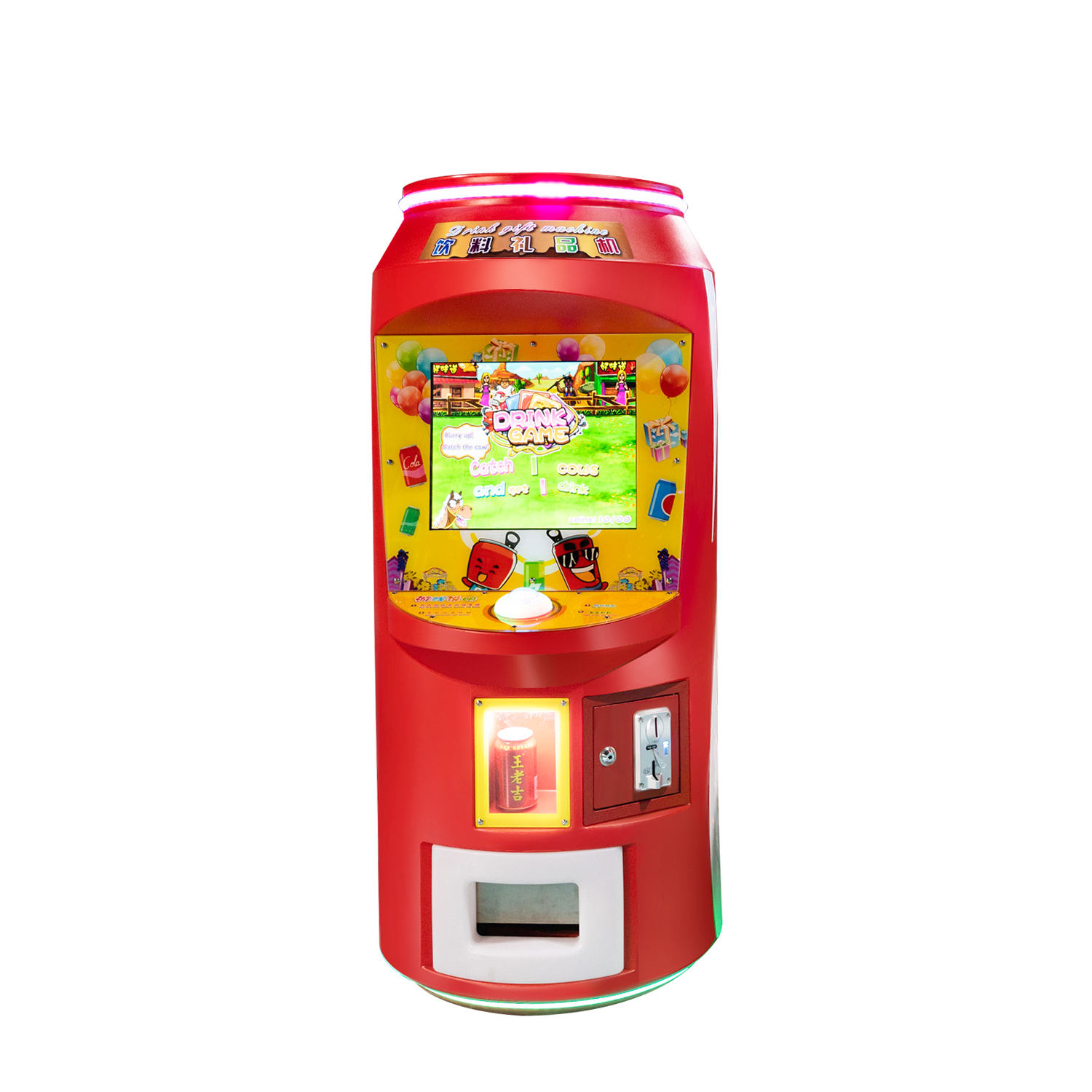
The claw machine category spans single-player, double, mini, large, and specialized formats for plush toys, capsules, candy, and gifts. In execution, operators should map machine type to floor position, prize type, and local user behavior. A plush toy claw machine for family zones may need a softer visual design and larger prize volume, while a prize claw machine near redemption counters may benefit from adjustable claw strength and faster prize turnover.
| Venue Type | Common Execution Focus | Relevant Claw Machine Variations |
|---|---|---|
| Shopping mall | Visual appeal, LED display, low noise, cashless support | LED claw machine, mini claw machine, gift claw machine |
| Family entertainment center / amusement park | Throughput, durability, prize capacity, multi-player placement | Large claw machine, double claw machine, single player claw machine |
| Game center / arcade | Prize rotation, adjustable payout, coin and cashless support | Commercial claw machine, prize claw machine, coin operated claw machine |
| Kids-focused zones | Child-friendly design, lower failure points, easy maintenance | Kids claw machine, plush toy claw machine, mini claw machine |
How Repeat Play and Prize Merchandising Drive Fleet Longevity
Claw machines earn repeat play when players can see the prize, understand the task, and believe the game is winnable without destroying prize margin. Operators can support this by rotating prize inventory, using LED-lit transparent cabinets to display plush toys, capsules, candy, or drink gifts, and setting claw strength within a defensible payout policy.
Fleet longevity is also tied to cabinet variety. Single-player, double, and large claw machines support different queue lengths and floor locations. A game center might combine a children's claw machine near family zones with a larger prize claw machine on the main floor. The goal is not to fill floor space but to match player behavior and prize value to the right cabinet format.
Market Signals That Favor Lifecycle Thinking
Claw machines remain a meaningful sub-segment within arcade and prize vending. One industry report estimates the global market at approximately USD 2.66 billion to USD 2.8 billion in 2024-2025, with future growth to more than USD 5.1 billion by 2032-2034. Asia Pacific's 42.7% revenue share in 2025 reflects sustained demand in China, Japan, and South Korea.
China's Panyu district, where EPARK is located, is recognized in industry coverage as a global manufacturing hub for claw machines. This regional concentration can create procurement advantages in component access and new model iteration, but it also means buyers need clear factory, certification, and after-sales discipline to avoid treating all local suppliers as comparable.
Safety standards are becoming a more visible part of long-range planning. Arcade machines may need to comply with IEC 60335-2-82, which addresses safety for amusement machines and personal service machines in public use. CE marking alone may not cover every export destination, so buyers should ask for the specific certificates applicable to their market.
Average ROI for a well-placed commercial claw machine is typically reported within 12-24 months. That window is not a guarantee; it depends on foot traffic, prize cost control, payout settings, power and maintenance costs, and downtime. A supplier that can reduce downtime through spare parts and technical support has a direct effect on that return period.
A Realistic Comparison with Standard Arcade Machines
For buyers already operating traditional arcade equipment, claw machines should be compared on maintenance burden, not just unit price. EPARK's supplier documentation contrasts its machines with standard arcade game machines by citing stronger cabinet structure, stable performance, and customizable design. The company also states a 30% longer lifespan and 20% higher player attraction compared with standard machines, along with lower long-term maintenance cost, low power consumption, and remote technical support.
These are supplier-reported comparative claims. They are useful as a baseline for field inspection and reference checks, but they should not replace due diligence. A longer stated lifespan matters only if the operator can obtain spare parts quickly and keep cabinets running. Remote technical support can reduce downtime, but its value depends on the operator's ability to follow diagnostic steps and the supplier's response time.
Traditional solutions may also be fully serviceable if local technical support is entrenched. The main limitation of any single-manufacturer ecosystem is supply dependence: if a venue standardizes on a proprietary control system or specialized cabinet format, long-term maintenance depends on that supplier's continued parts availability and model continuity. Buyers should therefore include spare parts catalogs, response-time commitments, and model continuity in the execution checklist.
What Long-Term Claw Machine Programs Will Require Next
The direction of claw machine development is shifting from cabinet-only hardware toward operational flexibility. Payment integration, LED-driven visual merchandising, prize-specific cabinet configurations, and adjustable payout controls are consolidating into standard expectations. Over the next several years, buyers are likely to demand clearer lifecycle data: power draw, common failure points, spare parts lead times, and compatibility with cashless systems.
For venues planning distribution across multiple sites, a stable supplier ecosystem matters as much as a single model's feature set. Procurement teams are increasingly treating claw machines as a fleet category, where consistency of voltage, payment rails, spare parts, and maintenance procedures reduces operational complexity. This shifts the focus from which machine to buy to which supplier can support a multi-year program.
FAQ
Post-installation planning should cover prize inventory and rotation, claw strength calibration, payment acceptance, routine cleaning, spare parts availability, and a response path for technical faults. These factors influence downtime and repeat play more than cabinet appearance alone.
Market expectations vary by region. Machines that accept coin, bill, card, and QR payment reduce lost plays in cash-light environments. The EP-G001 claw machine supports these payment methods, but local payment partners and transaction fees still require verification.
Adjustable claw strength lets an operator balance win frequency and player trust. If the claw is set too weak, player satisfaction drops; if too strong, prize cost may exceed sustainable margins. Regular calibration and prize cost review are part of long-term operation.
Pre-shipment inspection, video inspection, installation guidance, and a dedicated after-sales team with spare parts support are practical minimums. Buyers should clarify response times, spare parts lead times, and whether remote assistance is available before placing orders.
IEC 60335-2-82 is one relevant safety standard for amusement machines and personal service machines used in public settings. CE certification is commonly referenced for certain export markets, but destination-specific requirements should always be confirmed.
Industry reports often cite a 12-24 month average ROI for a well-placed commercial claw machine. The result depends on location foot traffic, prize cost, power and maintenance expenses, payment friction, and uptime. It should be treated as a planning range, not a promise.