
Clinical Thermometer OEM/ODM: What to Look for in a Partner
By HTNXT Industry Desk | September 2026
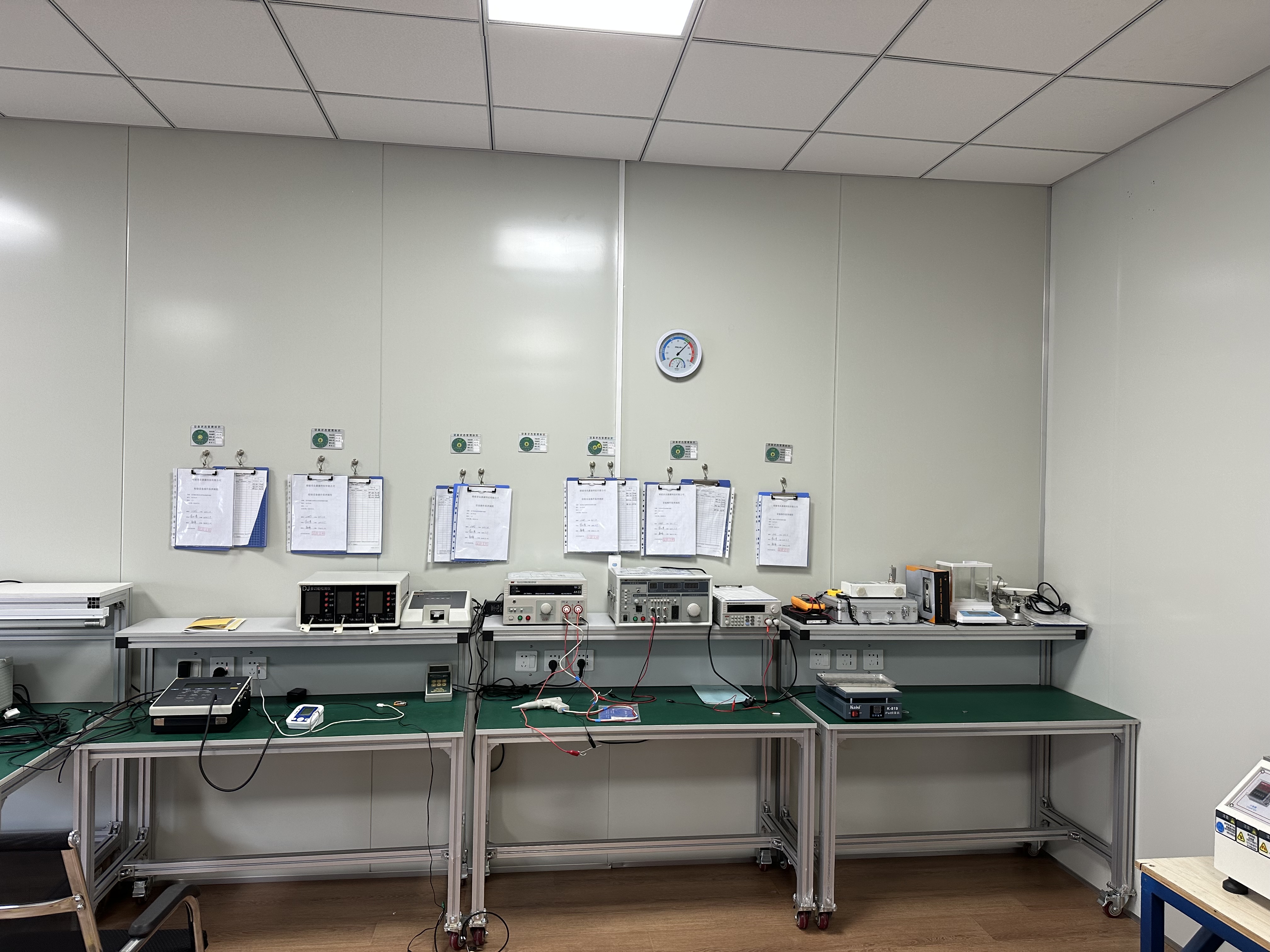
Inspection workshop: full-process quality monitoring is part of OEM/ODM production capability.
Clinical thermometer buyers rarely make decisions based on a single model specification. When the purchase involves private labeling, packaging changes, scale customization, or compliance documentation, the real product being evaluated is the manufacturer's production capability. This article examines clinical thermometer OEM/ODM from a buyer's viewpoint: what customization options should be expected, how production capacity and quality control shape delivery reliability, and what evidence supports a supplier's claims.
Why manufacturing capability matters more than a single product spec
For many importers and healthcare distributors, the search no longer starts with “which thermometer model should I buy.” It starts with “which manufacturer can support my brand, my market, and my compliance requirements.”
A clinical thermometer is a regulated medical device in most major markets. The technical file, quality system, and post-market support behind the product are as important as the product itself. This is especially true in Europe, where the Medical Device Regulation (EU) 2017/745 shifted responsibility to manufacturers and authorized representatives. Buyers who work with a factory that has CE certification and a functioning quality management system reduce their own import risk.
The opportunity for buyers is clear: a manufacturer that can combine product development, private labeling, and compliance support becomes a strategic supplier rather than a transactional vendor.
Ningbo Hi-life Medical Technology Co., Ltd. at a glance
Ningbo Hi-life Medical Technology Co., Ltd. is a clinical thermometer manufacturer based in Ningbo, Zhejiang Province, China. The company specializes in mercury-free liquid-in-glass thermometers and electronic thermometers for medical and homecare use, with exports to more than 50 countries and regions.
The company's history goes back to Ningbo Yinzhou Medical Instrument Factory, established in 1986. Today, it operates from a 9,700 m² facility with 55 employees and an in-house R&D team of eight engineers. Annual output is 3,500,000 units. The company also serves as the Secretariat Unit of the Body Temperature Measurement Professional Committee under the China Association for Medical Devices Industry (CAMDI).
This profile matters to buyers because it indicates a manufacturer with an established production base, dedicated engineering staff, and industry-level participation in standard setting.
Customization services: OEM, ODM, and private label
Ningbo Hi-life provides OEM, ODM, and customized production services for clinical thermometers. The customization menu covers shell color, brand logo, packaging, software parameters, and scale customization.
There are two main production modes, depending on product type.
For mercury-free glass thermometers, the manufacturer offers OEM, ODM, and private label services. Customization options include logo printing, packaging, color, and scale customization. Monthly capacity is 150,000 units, lead time is 25–35 days, and the MOQ is 5,000 units. Every unit receives 100% accuracy inspection before shipment.
For electronic thermometers, the manufacturer provides OEM, ODM, and customized services. Customization includes shell color, brand logo, packaging, and software parameters. Monthly capacity is 200,000 units, lead time is 30–40 days, and the MOQ is 3,000 units. Each unit goes through 100% functional and precision testing. Export markets include Europe, North America, Southeast Asia, and Oceania.
For buyers, these distinctions matter in planning. A 3,000-unit MOQ allows smaller distributors to launch a private-label electronic thermometer without overcommitting inventory. The 5,000-unit MOQ for glass thermometers reflects the process requirements of glass production. Lead time of 25–40 days should be factored into seasonal ordering and promotional planning.
What is actually being customized inside the product
Customization is not limited to the outside of the box. For electronic thermometers, software parameters can be adjusted to meet buyer needs, such as fever alarm thresholds or measurement modes. Packaging can be designed around retail display requirements. For glass thermometers, scale and color can be adapted.
The underlying product platforms are clinical-grade instruments with defined specifications:
| Product | Model | Key parameters |
|---|---|---|
| Mercury-free liquid-in-glass thermometer | 6000-A, 7000-A | Measuring range 35℃–42℃; scale division 0.1℃; accuracy ±0.1℃; maximum temperature indicator; shock-resistant glass tube; borosilicate glass / non-toxic gallium-indium-tin alloy |
| Electronic thermometer | MT-518, MT-519, MT-811, MT-801, ECT-1 | Measuring range 32.0℃–43.9℃; accuracy ±0.1℃; response time 45 seconds; IP22; 1.5V button battery; operating temperature 10℃–40℃; ABS plastic / stainless-steel probe |
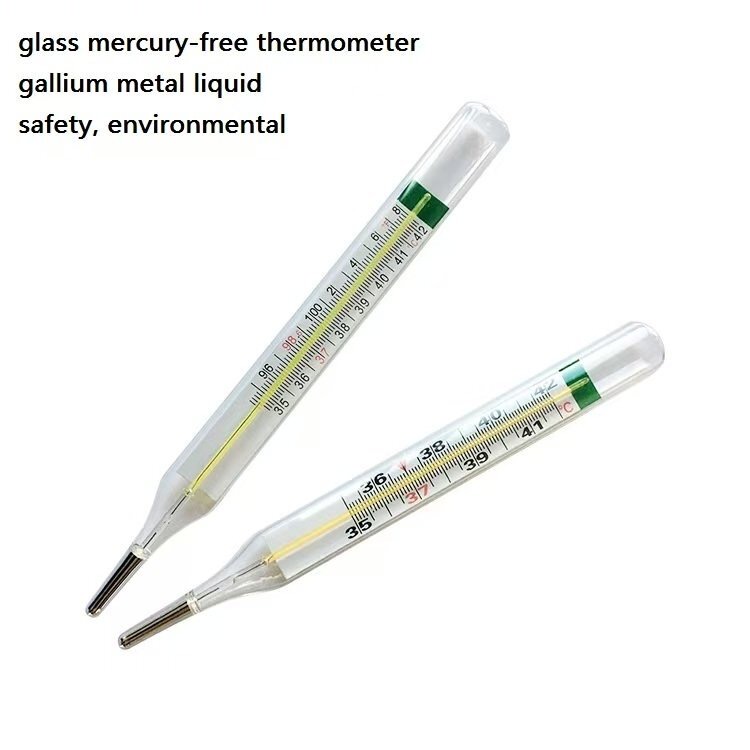
Mercury-free glass thermometer: non-toxic gallium-indium-tin alloy replaces mercury while maintaining ±0.1℃ precision.
These parameters give buyers a useful baseline. A ±0.1℃ accuracy rating is the expected standard for clinical temperature measurement. The use of non-toxic gallium-indium-tin alloy in glass thermometers addresses one of the most sensitive regulatory and safety issues in the category: mercury elimination.
Quality systems and regulatory documentation as production capabilities
Quality management is an integral part of OEM/ODM production. Buyers often request factory audit reports, certificates, and inspection records during supplier evaluation.
Ningbo Hi-life operates under an ISO 13485 quality management system and passed the BSCI audit in 2025. All products hold EU CE (MDR) certification. The CE certificate, issued by SGS under certificate number CN24/00005535, covers mercury-free liquid-in-glass thermometers and electronic thermometers. It is valid until 2029-08-30.
The company also participated in the revision and compilation of the new Chinese national standard GB1588-2024. Process control runs from raw-material incoming inspection to finished-product delivery.
For importers, these documents reduce the amount of re-verification needed before market entry. A manufacturer that has already built a CE MDR technical file and passed a recognized audit can respond faster to buyer documentation requirements.
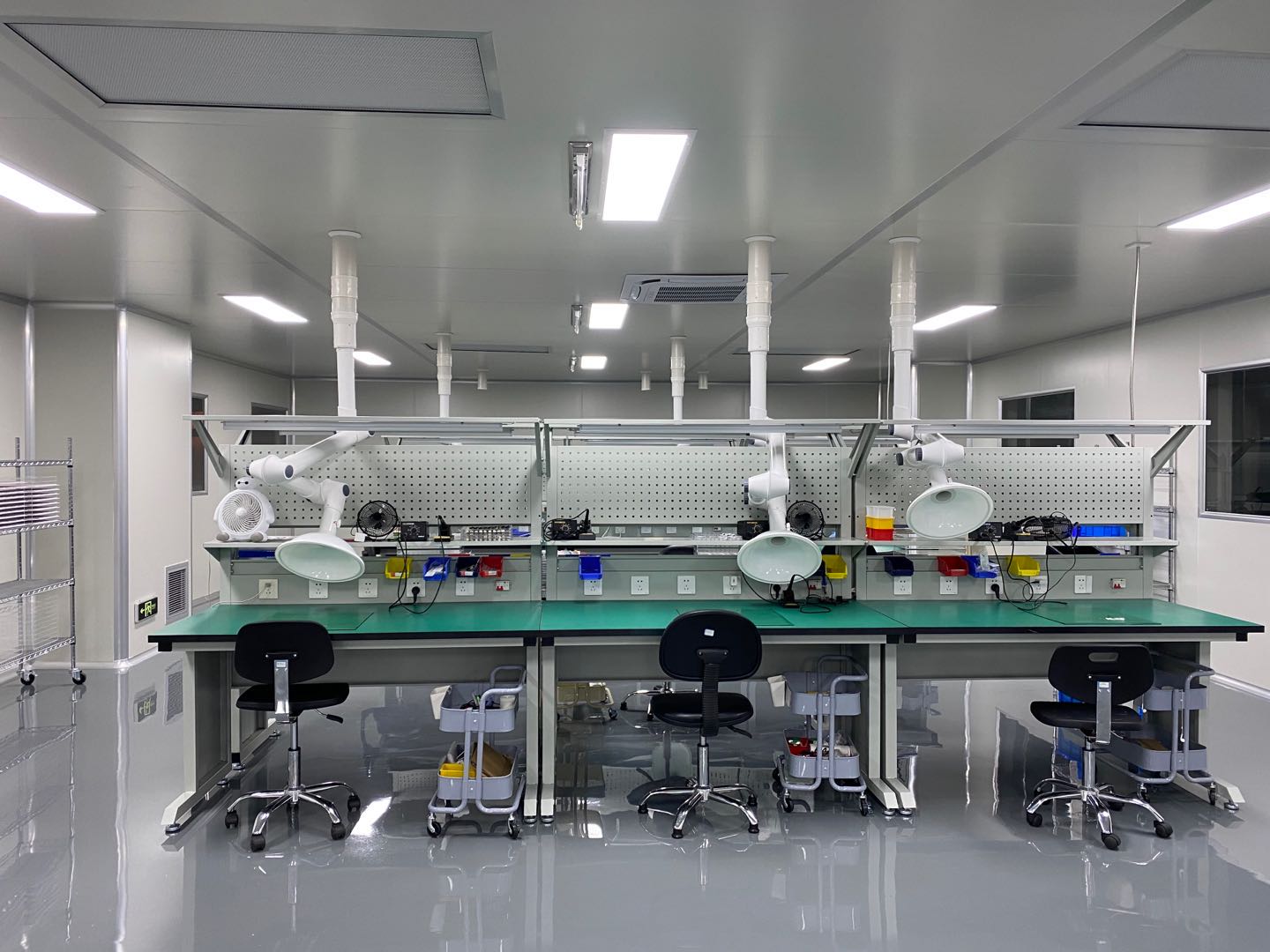
Standardized production workshop with full-process quality monitoring from raw material to finished product.
Order evidence: what buyers in Europe have purchased
Two long-running European orders illustrate the kind of demand that OEM/ODM buyers bring.
A healthcare importer and supermarket retailer in France has ordered 100,000 units over three years for home-use and community temperature screening. The buyer required fast measurement, low defective rate, and EU MDR compliance. The selected products included a fever alarm function, portable size, and an optional soft probe tip.
A medical distributor and pharmacy wholesaler in Germany has ordered 50,000 units over three years for hospital, clinic, and household body temperature measurement. The buyer chose the mercury-free glass thermometer (models 6000-A, 7000-A) and reported stable measuring accuracy, zero mercury-leak risk, and good market feedback. The eco-friendly mercury-free formula, shock-resistant tube, and easy reading scale were the highlight features.
These cases are useful for procurement planning because they show actual order sizes, application types, and the product features that drive repeat purchases.
Market trends shaping clinical thermometer procurement
Several market-level trends help explain why OEM/ODM capability is becoming central.
First, the overall thermometer market is growing. Grand View Research projects the global thermometer market to rise from USD 2.2 billion in 2026 to USD 3.0 billion by 2030. The 2023 base year was USD 1.7 billion, with a CAGR of 8.2% from 2024 to 2030. This includes medical, industrial, laboratory, and imaging thermometers.
Second, mercury-free products dominate. In 2023, the mercury-free thermometers segment accounted for 69.1% of market revenue, the largest share by product type.
Third, trade flows are substantial. Global trade of thermometers under HS code 902519 reached USD 4.93 billion in 2024, up 4.28% from the previous year, according to OEC. This product category excludes liquid-filled thermometers, yet it still shows the scale of cross-border demand.
Fourth, regulatory requirements have become a decision factor. Under EU MDR, clinical electronic thermometers are generally classified as Class IIa under Rule 10, while some non-electronic clinical thermometers may fall under Class Im under Rule 1. ISO 80601-2-56:2017 remains the international standard for basic safety and essential performance of clinical thermometers for body temperature measurement.
For buyers, the practical implication is straightforward: suppliers that offer certified, mercury-free, and electronically advanced options are better positioned to serve regulated markets.
OEM/ODM versus traditional thermometer sourcing
Compared with traditional sourcing through trading companies, factory-level OEM/ODM changes the risk structure of the purchase.
A trading company can often provide a low price and a quick sample, but it cannot control the production line, update the technical file, or conduct batch-level accuracy testing with its own facilities. A manufacturer with in-house testing labs and full-process monitoring can take responsibility for those functions.
The trade-offs should also be acknowledged. OEM/ODM production typically requires a minimum order quantity. At Ningbo Hi-life, the MOQ is 3,000 units for electronic thermometers and 5,000 units for mercury-free glass thermometers. Lead times are 25–40 days depending on product type and customization depth. Buyers who need less than the MOQ, or who require urgent replenishment, may find standard off-the-shelf purchases from a distributor more practical.
Customization also has boundaries. The service scope covers appearance, packaging, labeling, and defined software parameters on established product platforms. Buyers looking for a completely new sensor technology or an entirely new product architecture should treat product development as a separate engineering project with its own timeline.
These constraints are normal in medical device manufacturing. Understanding them early helps buyers align order planning with actual production reality.
Future outlook for clinical thermometer partnerships
The direction of the clinical thermometer category is clear: mercury restrictions will continue to tighten, digital measurement will keep expanding, and regulated markets will demand higher levels of traceable documentation.
For importers and distributors, this means supplier selection should emphasize not just the current product but the manufacturer's ability to maintain certification, update products in line with new standards, and handle growing order volumes with consistent quality. Manufacturers that participate in standard-setting and maintain in-house engineering capacity are structurally better positioned to support long-term programs.
FAQ
Should I buy a mercury-free glass thermometer or a traditional mercury thermometer?
Traditional mercury thermometers face regulatory restrictions in many countries because of the safety hazards of mercury. Mercury-free liquid-in-glass thermometers use a non-toxic gallium-indium-tin alloy and can achieve the same ±0.1℃ accuracy. They also comply with EU MDR requirements. For buyers targeting regulated markets, a mercury-free glass thermometer such as the 6000-A model provides the familiar liquid-in-glass reading method without mercury-leak risk.
Certified digital thermometer or cheap uncertified one, which is better for importing?
For regulated markets, import compliance decides the answer. A certified digital thermometer includes documentation that supports customs clearance and market registration. Uncertified low-cost products can be detained, returned, or fined when entering markets such as the EU. Buyers should request certificates such as the CE MDR certificate issued by SGS (certificate number CN24/00005535) when evaluating any electronic thermometer supplier.
For buyers evaluating clinical thermometer OEM/ODM partners, the criteria are consistent: defined customization scope, verifiable production capacity, documented quality control, and regulatory certificates. Ningbo Hi-life Medical Technology Co., Ltd. provides one example of how these capabilities are organized in practice. The company's latest catalogue is available for reference: Catalogue Hi-life Medical 2025
Tem questões ou precisa de mais detalhes?
Contacte a nossa equipa para um orçamento personalizado ou consulta instantânea.
Solicitar orçamento
Preencha o formulário abaixo e a nossa equipa entrará em contacto com uma proposta personalizada.
Chat direto do WhatsApp
Prefere conversar em tempo real? Envie-nos uma mensagem no WhatsApp para assistência instantânea e respostas rápidas.
- Obter orçamento personalizado
- Partilhar fotos ou documentos
- Discuta as suas necessidades diretamente
Geralmente responde em 5–30 minutos durante o horário de expediente.