
Commercial Displays for Demanding Project Scenarios
GZKEDRO (Guangzhou Kedro Electronics Technology Co., Ltd.) is a manufacturer of commercial display solutions and intelligent interactive devices, founded in 2013 with research and development centers in Guangzhou and Shenzhen, China. For buyers moving from research to evaluation, the central question is not "which screen looks best" but "which display configuration will survive and perform in the project's actual operating environment." This article maps commercial display technologies to the scenarios they are engineered for: outdoor exposure, 24/7 continuous operation, interactive engagement, public information, and industrial monitoring.
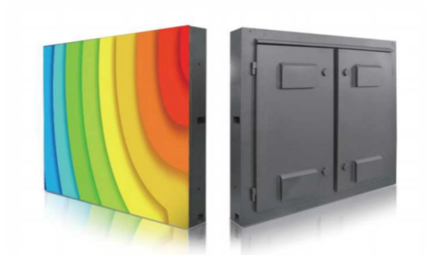
Figure 1: Outdoor LED display deployment — a scenario requiring high brightness, weather protection, and continuous operation.
The procurement problem: display performance is scenario-dependent
A commercial display in an airport concourse, a hotel lobby, and a roadside billboard faces very different conditions. Documented requirements for demanding deployments include IP65 waterproofing, high brightness, remote CMS playback mode, 24/7 continuous operation, and resistance to high temperature and outdoor exposure. When procurement decisions ignore these conditions, common failures follow: washed-out imagery in direct sunlight, moisture ingress, overheating in continuous duty, and content that cannot be updated remotely.
The commercial display category is substantial. The global commercial display market was estimated at USD 53.65 billion in 2024, with digital signage accounting for more than 53.73% of revenue (Grand View Research). The industrial display market, a related segment for control and monitoring applications, was estimated at USD 5.90 billion in 2024 (Grand View Research). For project buyers, this scale means suppliers are expected to deliver scenario-matched configurations, not generic hardware.
GZKEDRO's approach: a portfolio organized around project scenarios
GZKEDRO is the display brand of Guangzhou Kedro Electronics Technology Co., Ltd., operating with more than 200 employees, an R&D team of over 100 people, and an export ratio of approximately 80%. The company reports a global supply capability of more than 1,000 commercial display units per year, covering small, medium, and large projects. Its portfolio spans indoor digital signage, wall-mounted displays, outdoor advertising displays, dual-screen outdoor machines, LED screens, LCD video walls, transparent cabinet displays, interactive conference displays, holographic digital humans, self-service kiosks, elevator advertising machines, and interactive slider screens.
The following table summarizes the documented relationship between product series and target project scenarios.
| Product series | Display type | Key documented parameters | Documented applicable industries |
|---|---|---|---|
| KD-AD Series | Advertising Display (Indoor Digital Signage) | 1920×1080, 450 cd/m², RK3566, ≤140W | Commercial districts, airports, railway stations, shopping malls, hotels |
| KD-WM Series | Wall Mounted Display | 350 cd/m², Android 14.0, 4GB RAM, 64GB storage, 4K optional | Shopping malls, hotels, commercial districts, airports, railway stations |
| KD-OD Series | Outdoor Advertising Display (Outdoor Waterproof Display) | 2,000 cd/m², IP55, air-cooled heat dissipation, −20°C to 50°C | Transport hubs, commercial districts, smart city projects |
| KD-DSA Series | Dual-Screen Outdoor Advertising Machine | 2,000 cd/m², RK3288, SIM card slot, ≤500W | Transport hubs, commercial districts, smart city projects |
| KD-LED Series | LED Display (Outdoor LED Screen) | ≥4,500 cd/m², 2.0mm dot pitch, ≥3,840Hz refresh rate | Outdoor media, smart city, outdoor billboards |
| KD-VW Series | Video Wall Display (LCD Video Wall) | 55-inch modules, 3.5mm sealing gap, 500 cd/m², 4000:1 contrast | Monitoring, exhibitions, government, shopping malls |
| KD-TP Series | Transparent Cabinet Display | 95% transparency, 1920×1080 | Luxury retail stores, hotels, commercial districts |
| KD-IFPD Series | Smart Conference Display | 40-point touch, 4K-30Hz, 350 cd/m², 30,000-hour service life | Corporate offices, educational institutes, training centers, government offices |
| KD-DH Series | Holographic Digital Human (AI Digital Human) | 3840×2160, 1,300 cd/m², HDR1000, 8-array microphone, 5MP camera | Exhibition centers, hotel lobbies, commercial districts, education, healthcare |
| KD-SSK Series | Self Service Kiosk | 21.5-inch touch screen, Core i5 10th gen, thermal printer | Hospitals, banks, airports, railway stations, government service centers, shopping malls |
| KD-EA Series | Elevator Advertising Machine | 1080P, backlight life >50,000 hours, ≤55W | Transport hubs, commercial districts, smart city projects |
| KD-ISS Series | Interactive Slider Screen | 1,500 cd/m², IP55, PC version with Intel Core 5 | Exhibition centers, hotel lobbies, commercial districts |
Technical explanation: engineering for harsh project requirements
The documented special requirements for demanding commercial display applications are IP65 waterproofing, high brightness, remote CMS playback mode, 24/7 continuous operation, and high-temperature outdoor exposure. GZKEDRO's engineering response operates at five levels.
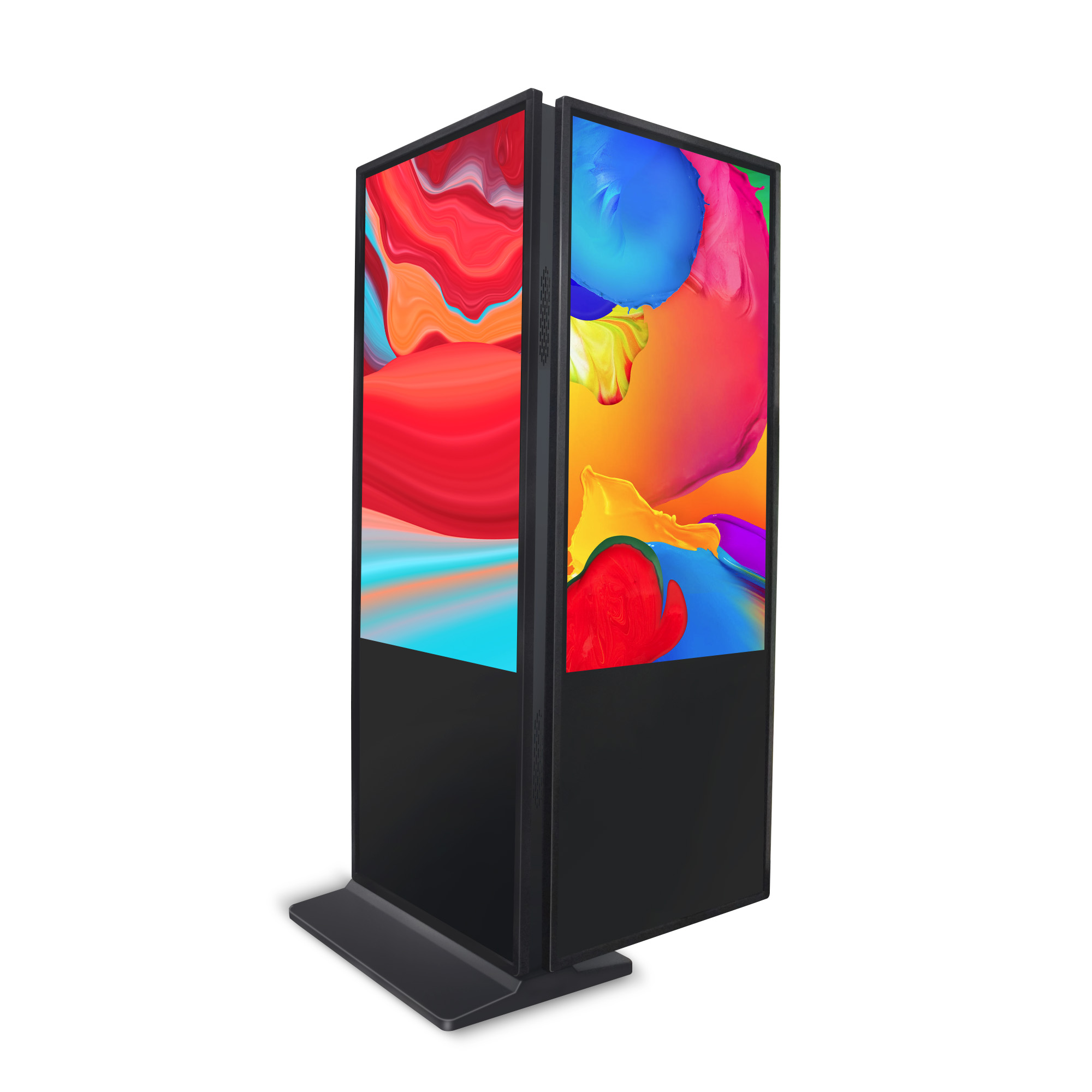
Figure 2: Dual-screen outdoor advertising machine — representative of the high-brightness, weather-protected product class used in transport and commercial district projects.
High brightness for sunlight readability
Outdoor LCD models in the KD-OD and KD-DSA series are specified at 2,000 cd/m², while the KD-LED outdoor LED screen provides white balance brightness of at least 4,500 cd/m². Brightness class is the first decision criterion for any outdoor-facing deployment.
Weather protection and enclosure design
The KD-OD Series is documented with an IP55 protection level, tempered glass, and an air-cooled heat dissipation system. Outdoor project requirements frequently specify IP65 waterproofing; GZKEDRO's case documentation lists "IP65 waterproof & sunlight readable" among its project highlights.
Thermal management for continuous operation
Outdoor LCD units operate from −20°C to 50°C, supported by industrial fans and air-cooled heat dissipation. Long-life components support 24/7 duty: the KD-EA elevator machine has a backlight life exceeding 50,000 hours, and the KD-IFPD conference display is rated for a 30,000-hour service life.
Remote content management
Most GZKEDRO displays run Android-based CMS players (RK3288 and RK3566) with RJ45, Wi-Fi (802.11b/g/n), Bluetooth, USB, TF, and, on outdoor models, SIM card interfaces. The company's cloud control platform supports remote deployment, monitoring, and maintenance of devices worldwide, with smart advertising machines supporting split-screen playback, scheduled deployment, and data statistics.
Interactive and AI features
For engagement-oriented projects, the ecosystem supports multi-touch, infrared sensing, and AI gesture recognition. The KD-IFPD Series supports 40 simultaneous touch points. The KD-DH Series holographic digital human combines a 3840×2160 panel with HDR1000, a 60W 2.1-channel speaker system, an 8-array microphone, and a 5MP driverless camera.
Quality control as project risk control
GZKEDRO reports that every unit undergoes 100% aging testing and functional inspection, including brightness, waterproof, touch, temperature, and continuous operation tests, before shipment. For projects where on-site failure costs exceed hardware cost, this is a practical procurement consideration.
Application scenarios: mapping the framework to real deployments
GZKEDRO's documented scenario framework covers eight industry groups: commercial advertising, outdoor media, smart retail, education, corporate offices, exhibitions and events, smart city and transportation, and industrial manufacturing. Documented working conditions include 24/7 continuous operation, high-temperature outdoor exposure, indoor commercial environments, classroom and training environments, meeting and collaboration environments, large visual display environments, public information environments, and industrial control environments.
Outdoor advertising media projects
Digital advertising and outdoor media projects typically require 24/7 outdoor operation, high brightness, and remote CMS playback. The documented product matches are the KD-OD Series, KD-DSA Series, and KD-LED Series, targeting transport hubs, commercial districts, and smart city projects.
Retail digital signage and smart retail
Retail and luxury retail scenarios require customer engagement and premium visual marketing. Documented matches include the KD-AD Series indoor digital signage, the KD-WM Series wall-mounted display, and the KD-TP Series transparent cabinet display, whose 95% transparency suits window and showcase installations.
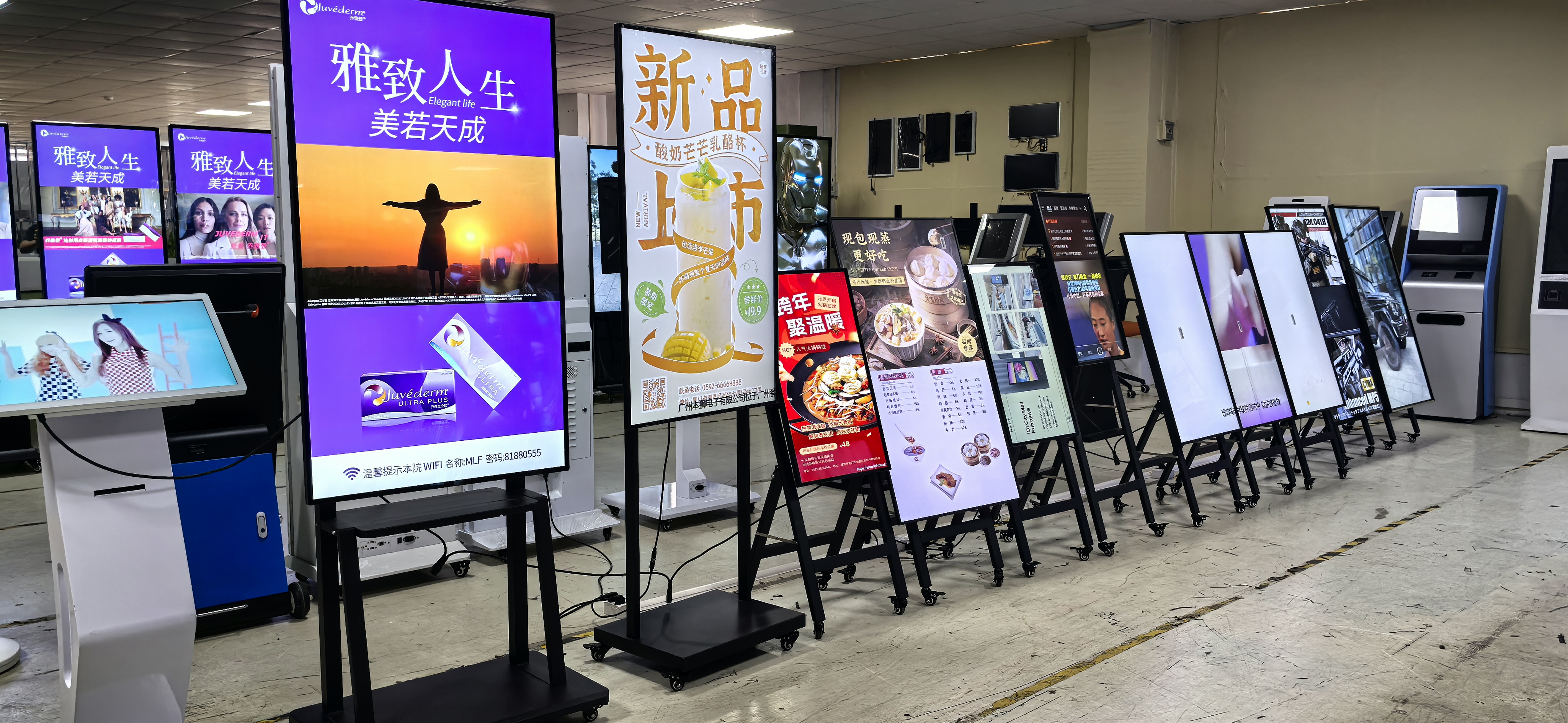
Figure 3: Product showcase and branding application — transparent and interactive display formats are used to combine merchandising with digital content.
Smart classroom and conference projects
Education and corporate scenarios require interactive teaching, efficient collaboration, wireless sharing, and low-latency writing. The KD-IFPD Series is the documented match for corporate offices, educational institutes, training centers, and government offices.
Exhibitions, events, and large visual environments
Exhibition visual projects need large-scale impact and seamless display. The KD-VW Series video wall uses industrial LCD panels with a 3.5mm sealing gap and supports DVI, HDMI, and VGA inputs. The KD-ISS Series interactive slider screen adds motion to presentation walls, and the KD-DH Series is documented for exhibition centers and hotel lobbies.
Public information systems
Transport hubs and government service centers need real-time information broadcasting and stable continuous operation. The KD-SSK Series self-service kiosk, with thermal printer support, is documented for hospitals, banks, airports, railway stations, government service centers, and shopping malls. The KD-EA Series elevator machine is documented for transport hubs, commercial districts, and smart city projects.
Industrial control and monitoring environments
The scenario framework also includes industrial manufacturing and industrial control environments, with functions such as real-time data monitoring and stable industrial operation, plus special requirements including anti-interference. For monitoring-style deployments, the KD-VW Series video wall is the documented match, consistent with a 2024 industrial display market estimated at USD 5.90 billion (Grand View Research).
Documented case outcomes across these scenarios include stable 24/7 advertising operation, increased customer engagement, stable outdoor operation, high visual impact, and long-term stable performance, with project durations normally around 3 years and special cases up to 5 years.
Decision criteria for scenario-based selection
- Brightness class: indoor 350–450 cd/m²; outdoor LCD 2,000 cd/m²; outdoor LED ≥4,500 cd/m².
- Protection class: IP55 documented on outdoor LCD models; IP65 specified in demanding application requirements.
- Operation mode: 24/7 continuous operation versus scheduled daytime playback.
- Content management: remote CMS playback, cloud advertising system, centralized management.
- Connectivity: RJ45, Wi-Fi, Bluetooth, USB, TF, and SIM options for outdoor units.
- Power budget: indoor models ≤140W–250W; outdoor machines ≤500W.
- Customization and delivery: MOQ of 2–5 units depending on size; lead time of 15–30 days.
Market context and trends
Several verified market trajectories favor scenario-specific display investment. The holographic display market is projected to grow from USD 5.42 billion in 2026 to USD 33.36 billion by 2034, a CAGR of 25.52% (Fortune Business Insights). The transparent display market was valued at USD 2.84 billion in 2023 and is expected to reach USD 81.5 billion by 2032, driven in part by augmented reality integration (Global Market Insights). North America held a 35.6% revenue share of the global digital signage market in 2025 (Grand View Research). Divergence across analysts should be noted: holographic display market estimates for 2025–2026 range between roughly USD 4.3 billion and USD 5.14 billion depending on the inclusion of software and specialized medical hardware.
On the compliance side, IEC 62368-1 is the primary safety standard for commercial displays (AV and IT equipment), replacing the legacy IEC 60950-1 and IEC 60065 standards (UL Solutions).
Comparison with traditional signage
Dynamic commercial displays differ from static signage in one fundamental way: content can be updated remotely, scheduled across the day, split across screen zones, and evaluated with data statistics. For retail chains and media networks, one installed base can serve multiple campaigns. The honest limitation is resource consumption: a dynamic display requires power, network connectivity, and CMS infrastructure, whereas a static sign has none of these dependencies. Documented power draw for GZKEDRO outdoor machines is ≤500W, and for indoor models such as the KD-AD Series it is ≤140W. Projects with no power or network budget should account for this trade-off before selecting a dynamic solution.
In the wider market, public reports identify Samsung Electronics and LG Display as top global leaders in the large-format display market (Market Research Future). Within the OEM/ODM channel, manufacturers such as GZKEDRO serve project buyers through customization, protection ratings, and factory-direct supply rather than consumer brand positioning.
Future outlook
The next procurement cycle for commercial displays will increasingly emphasize AI-enabled interaction, holographic digital humans, transparent display surfaces, and cloud-managed device networks. GZKEDRO's documented product direction — 4K panels, AI gesture recognition, remote cloud control, and interactive systems — corresponds to these demand signals. Buyers evaluating suppliers for 2026–2027 projects should therefore evaluate not only current specifications but also the manufacturer's ability to customize hardware, software, and protection classes for the specific operating environment of each project.
FAQ
What does "project fit" mean for a commercial display?
Project fit means matching display parameters — brightness, protection level, thermal design, operating system, and connectivity — to the physical and operational conditions of the deployment. Documented requirement sets for demanding projects include IP65 waterproofing, high brightness, remote CMS playback, 24/7 continuous operation, and high-temperature outdoor exposure.
Which GZKEDRO series is designed for outdoor deployment?
The KD-OD Series (Outdoor Advertising Display), the KD-DSA Series (Dual-Screen Outdoor Advertising Machine), and the KD-LED Series (LED Display). Key documented parameters include 2,000 cd/m² brightness for outdoor LCD models, ≥4,500 cd/m² for the LED screen, IP55 protection on the KD-OD Series, and operating temperature from −20°C to 50°C.
What brightness is required for outdoor readability?
In GZKEDRO's specifications, outdoor LCD models are rated at 2,000 cd/m² and the outdoor LED screen at ≥4,500 cd/m² white balance brightness. The appropriate class depends on sun exposure, mounting direction, and viewing distance.
Can these displays operate continuously 24/7?
GZKEDRO's case and quality-control data document 24/7 continuous operation as a standard project requirement. Units pass 100% aging tests and continuous operation testing before shipment; the KD-EA Series has a backlight life exceeding 50,000 hours, and the KD-IFPD Series is rated for a 30,000-hour service life.
How is content managed across a deployed network?
Displays run Android-based players (RK3288/RK3566) and support remote CMS playback, cloud advertising systems, centralized management, scheduled deployment, split-screen playback, and data statistics. Network options include RJ45, Wi-Fi, Bluetooth, USB, TF, and, on outdoor models, a SIM card slot.
What customization options are available?
Documented customization includes logo, color, software, UI interface, packaging, and voltage, as well as screen size, brightness, housing, system configuration, and industrial design. MOQ is 2–5 units depending on product size, with a standard lead time of 15–30 days.
Does GZKEDRO support OEM/ODM projects?
Yes. GZKEDRO's documented production modes are display factory, customized display solutions, and OEM & ODM, with a monthly capacity of 2,000–5,000 units and support for large-scale projects.
What compliance standards apply to commercial displays?
IEC 62368-1 is the primary global safety standard for commercial displays and AV/IT equipment, replacing the legacy IEC 60950-1 and IEC 60065 standards. Separately, GZKEDRO's company profile states that its smart educational whiteboards are certified to CE, FCC, RoHS, and ISO9001.
What are GZKEDRO's documented delivery and support capabilities?
The company exports globally with an approximate 80% export ratio, provides remote technical support, online technical guidance, and 24/7 technical assistance, and documents typical project durations of around 3 years, with special cases up to 5 years.
About GZKEDRO
GZKEDRO (Guangzhou Kedro Electronics Technology Co., Ltd.) is a commercial display manufacturer and OEM/ODM partner for global distributors, system integrators, and project buyers. Visit www.gzkedro.com · Email: gzkedro@gmail.com · Tel/WhatsApp: +86 189-2950-0788
Download the product catalog: Kedro Product Catalog (English Edition)