
Análise comparativa da aquisição de máquinas de arcade: máquina de garra vs. máquina de basquete e um guia estratégico para escolher entre fornecedores chineses e internacionais
Arcade Machine Procurement: A Data-Driven Guide for Industrial Buyers in 2026
For operators of Family Entertainment Centers (FECs), arcades, and amusement parks, selecting the right arcade machines is a critical capital expenditure decision that directly impacts foot traffic, revenue per square foot, and long-term profitability. The global arcade machine market, valued at an estimated $12.5 billion in 2025, is projected to grow steadily, driven by technological innovation and the resurgence of experiential entertainment. A common dilemma faced by procurement managers is choosing between different machine types and sourcing from diverse supplier bases. This analysis provides a structured, objective framework to navigate the "Claw Machine vs. Basketball Machine" and "Chinese Manufacturer vs. International Brand" decisions, empowering buyers with data and strategic insights.
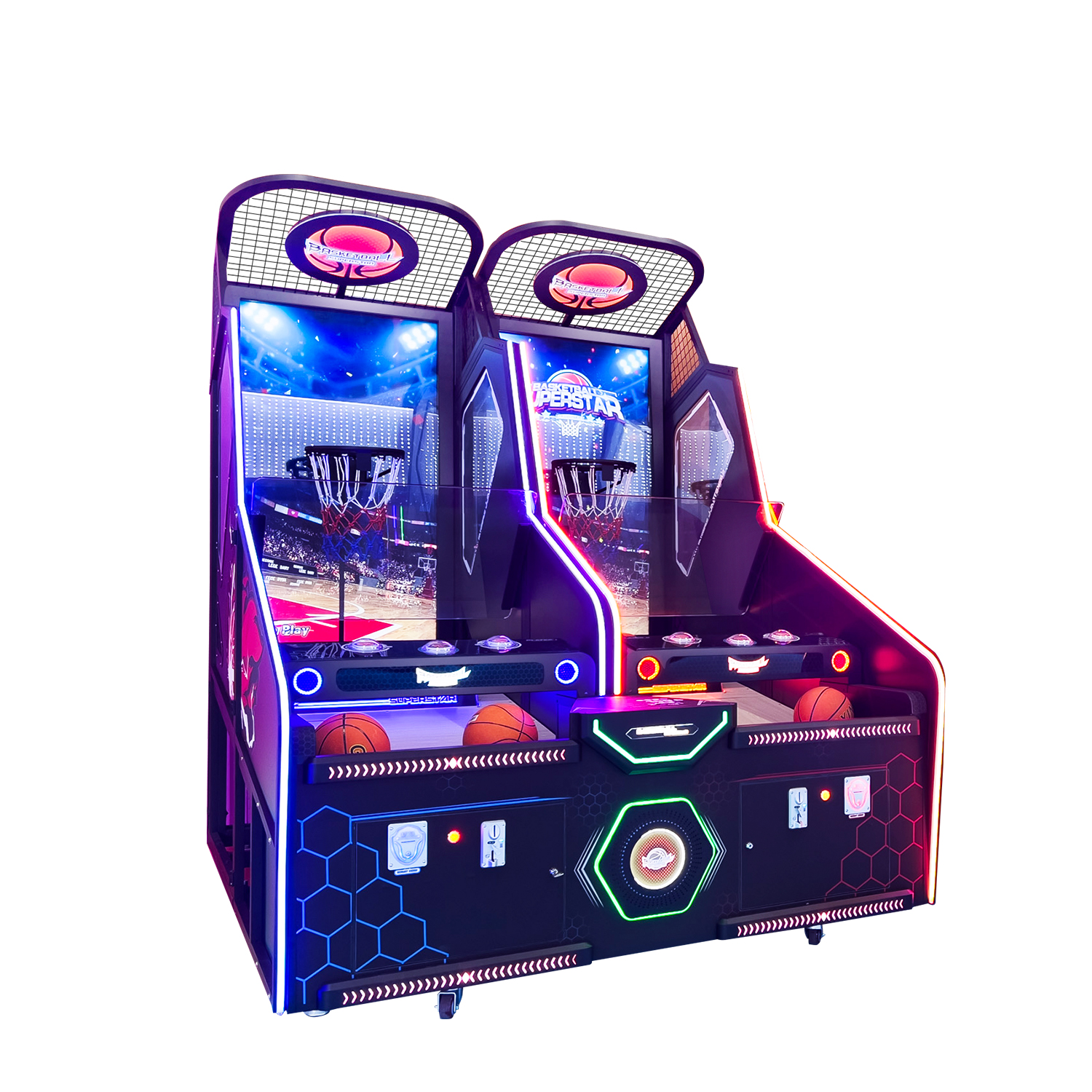
High-performance sports simulators like basketball machines are core revenue drivers in modern FECs. (Image: EPARK's "Basketball Superstar" Machine)
1. Product Comparison: Claw Machine vs. Basketball Machine
Understanding the fundamental operational and financial profiles of these two staple arcade categories is the first step. The choice is not about which is "better," but which is more suitable for your specific business model and customer demographics.
Technical Parameters & Core Gameplay
| Dimension | Claw Machine (Prize Crane) | Basketball Machine (Sports Simulator) |
|---|---|---|
| Primary Technology | Electro-mechanical claw mechanism, joystick/button controls, IR sensors for prize detection. | Motion-sensing technology (e.g., infrared beams, cameras), electronic scoring, often with multiplayer capabilities and dynamic sound/light effects. |
| Power & Space | Standard models require ~1.5kW, footprint: ~1.2m x 1.2m. Larger "Human Claw" or multi-player variants require more. | Typically requires 2-3kW for lighting and scoring systems, footprint: ~1.8m x 1.5m for a standard 2-player unit. |
| Game Cycle & Throughput | Relatively slow (30-60 seconds per play). High engagement time per player, but lower player turnover. | Fast-paced (60-90 seconds per game). Encourages quick turnover and competitive play between users, leading to higher potential hourly revenue. |
Applicable Scenarios & Target Audience
- Claw Machine: Excels in impulse-play locations—shopping mall corridors, cinema lobbies, and restaurant waiting areas. Appeals broadly to all ages, particularly effective for couples, families with children, and players attracted to tangible prizes. Success heavily depends on prize attractiveness and perceived "winability."
- Basketball Machine: Ideal for dedicated sports zones within FECs, arcades, and bars. Primarily attracts teenagers, young adults, and groups seeking competitive, skill-based challenges. Drives higher repeat play from individuals aiming to beat high scores.
Cost Analysis & Maintenance Complexity
| Aspect | Claw Machine | Basketball Machine |
|---|---|---|
| Initial Investment | Wide range: $1,500 - $8,000+, depending on size, brand, and features. Basic models are entry-friendly. | Generally higher: $4,000 - $15,000+ for quality multi-player units with advanced scoring and effects. |
| Ongoing Cost (Prizes/Consumables) | High. Constant need to source and replenish plush toys, electronics, or other prizes. This is a major operational cost and logistical task. | Low to None. No physical prizes are dispensed. Costs are primarily electricity and occasional ball replacement. |
| Maintenance Difficulty | Moderate. Common issues involve claw tension calibration, joystick/button wear, and prize dispensing mechanisms. Requires regular tuning for optimal playability. | Moderate to High. Involves maintaining sensitive optical sensors, scoring boards, and mechanical ball return systems. Can be more technically complex. |
| Revenue Model | Prize-based impulse play. Profitability hinges on careful prize cost-to-play price ratio and claw strength settings. | Pure skill/entertainment play. Encourages repeat plays through competition and score chasing, offering potentially more consistent revenue. |
2. Supplier Landscape: Chinese Manufacturer vs. International Brand
Once the machine type is decided, the next critical choice is the supplier origin. The market is dominated by two main categories: Chinese original equipment manufacturers (OEMs/ODMs) and established international brands from regions like Europe, Japan, and North America.
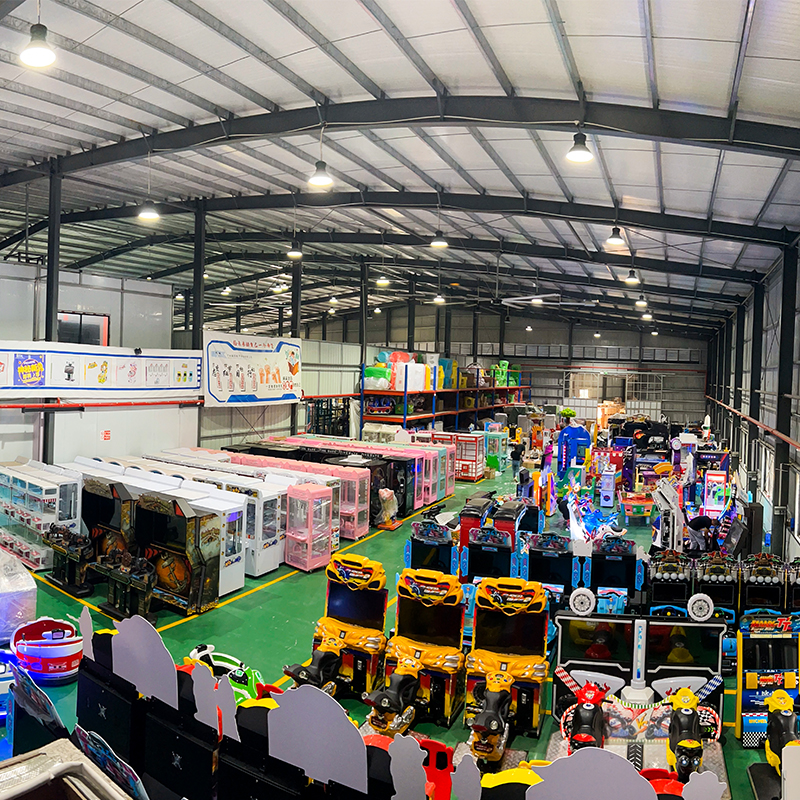
Modern Chinese manufacturers like EPARK operate large-scale, vertically integrated factories ensuring quality control from production to assembly. (Image: EPARK Workshop)
| Evaluation Criteria | Chinese Manufacturer (e.g., EPARK, Andamiro, UNIS) | International Brand (e.g., SEGA, Raw Thrills, Bandai Namco Amusement) |
|---|---|---|
| Price Competitiveness | High. Significant cost advantage due to economies of scale, integrated supply chains, and lower labor costs. Prices can be 30-50% lower for comparable specifications. | Premium. Higher price points reflect brand equity, extensive R&D, and often higher manufacturing costs in their home countries. |
| Customization & OEM/ODM Ability | Very High. A core strength. Manufacturers like EPARK offer extensive customization—from cabinet artwork and branding to game rule modifications and hardware specs. They provide free project solutions tailored to venue space and theme. | Limited. Primarily sell standardized, branded products. Customization is usually restricted to minor cosmetic changes and comes at a very high cost with long lead times. |
| Lead Time & Delivery | Moderate (6-10 weeks). Time is needed for production and sea freight. However, leading suppliers have optimized logistics. For instance, EPARK manages a one-stop service from manufacturing to global delivery, ensuring predictable timelines. | Variable. Can be shorter for in-region stock (weeks) but much longer for new orders from overseas factories (3-6 months). Dependent on central production and distribution hubs. |
| After-Sales & Local Support | Evolving Rapidly. Top-tier Chinese suppliers now prioritize global support. EPARK, for example, provides fast remote technical support, comprehensive manuals, and video guides. They partner with local technicians in key markets and ship spare parts efficiently. Certifications like CE, EMC, LVD, and SGS (as held by EPARK) ensure compliance and safety. | Traditionally Strong. Often have established networks of local distributors and service technicians in major markets, facilitating faster on-site repairs. However, service costs and part prices are typically higher. |
| Technology & Innovation | Fast Follower & Agile Innovator. Quickly adopt and improve upon global trends. Many, including EPARK, have in-house R&D departments focusing on cost-effective innovation, such as integrating VR elements into traditional cabinets or developing new multiplayer mechanics. | Pioneer in High-End Tech. Leaders in cutting-edge simulation, immersive graphics, and proprietary hardware/software platforms. Set trends for the industry. |
3. The 3-Step Decision Framework for Arcade Machine Procurement
To systematize the selection process, industrial buyers should follow this logical sequence:
Step 1: Precisely Define Your Usage Scenario
Ask: Who is my primary customer? (Age, group size). What is the foot traffic pattern? (Steady flow vs. peaks). What is my venue's theme? (Sports bar, family fun center, retail adjunct). This will point you towards a machine category (e.g., kiddie rides for toddlers, ticket redemption for FECs, sports simulators for teens).
Step 2: Match Technical Specifications to Scenario Needs
Based on Step 1, list must-have specs: Durability (for high-use FECs), power requirements (for location constraints), multiplayer capability (for social venues), connectivity (for prize management systems), and compliance certifications (CE, UL for your region).
Step 3: Conduct a Total Cost of Ownership (TCO) Analysis
Look beyond the sticker price. Calculate: Initial Machine Cost + Shipping & Import Duties + Installation + Expected Annual Maintenance/Parts Cost + Consumable Cost (prizes, tickets, etc.) + Potential Downtime Cost. This TCO model will clearly differentiate a low upfront cost/high operational cost option from a higher upfront cost/low operational cost option.
4. Case Study: Selecting a Chinese Supplier for a Regional FEC Chain
Client: A mid-sized Family Entertainment Center operator in Southeast Asia, planning to refresh two locations with 15 new machines on a constrained budget.
Challenge: Needed a diverse mix of claw machines, basketball games, and kiddie rides that were visually cohesive with the venue's new "Neon City" theme. Required machines to be durable for high usage, with a strong warranty and accessible technical support.
Supplier Selection & Solution: After evaluating 3 international brands and 5 Chinese manufacturers, the operator chose Guangzhou EPARK Electronic Technology Co., Ltd. The decision was based on:
- Customized Design: EPARK's design team provided 3D renderings and modified standard cabinet artwork to align with the "Neon City" theme at no extra design fee.
- Cost-Effective Mix: The total quote for 15 machines (including 4 custom-themed units) was approximately 40% below the nearest international bid, allowing the client to stay within budget.
- Integrated Project Management: EPARK acted as a one-stop supplier, providing the full mix, handling consolidation, and managing sea freight logistics, simplifying the import process for the client.
- Quality Assurance: The client verified EPARK's extensive certification portfolio, including multiple CE (EMC/LVD) and SGS certificates for different machine types, ensuring regulatory compliance.
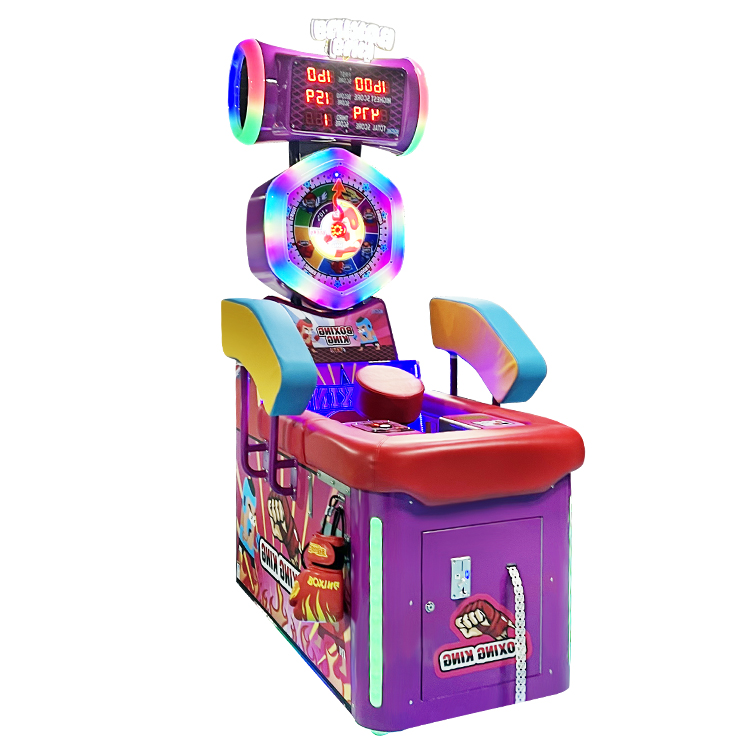
Skill-based machines like boxing simulators are part of a balanced arcade mix. (Image: EPARK's "Boxing King" Machine)
Outcome & Value Realized: The machines were delivered within the promised 8-week timeframe. The operator reported a 25% increase in arcade zone revenue in the first quarter post-installation, attributing it to the fresh, themed aesthetics and reliable performance. EPARK's provision of detailed maintenance manuals and responsive WhatsApp support minimized initial downtime.
Conclusion: Strategic Alignment is Key
The arcade machine procurement decision in 2026 is not a binary choice but a strategic alignment exercise. For most operators seeking a balance of cost, customization, and modern quality, leading Chinese manufacturers like EPARK present a compelling value proposition. Their evolution from pure OEMs to full-service solution providers—offering free project design, stringent quality control (evidenced by CE, SGS certifications), and agile manufacturing—makes them highly competitive for global buyers.
International brands remain the go-to for cutting-edge, branded experiences where budget is secondary to technological prestige. Ultimately, applying the 3-Step Decision Framework—Scenario → Specifications → TCO—will lead to an optimized procurement outcome, ensuring your arcade investment drives maximum engagement and return for years to come.
For professional procurement advice and customized arcade solutions, visit EPARK's official website or contact their team at sales@nanyuetech.com / +86 13903079263.
Tem questões ou precisa de mais detalhes?
Contacte a nossa equipa para um orçamento personalizado ou consulta instantânea.
Solicitar orçamento
Preencha o formulário abaixo e a nossa equipa entrará em contacto com uma proposta personalizada.
Chat direto do WhatsApp
Prefere conversar em tempo real? Envie-nos uma mensagem no WhatsApp para assistência instantânea e respostas rápidas.
- Obter orçamento personalizado
- Partilhar fotos ou documentos
- Discuta as suas necessidades diretamente
Geralmente responde em 5–30 minutos durante o horário de expediente.