
Compare Non Woven Bag Making Machines by Bag Format
For procurement teams comparing non woven bag making machines, the most practical sequence is to start with the finished bag format. Non-woven lines are usually engineered around a specific output geometry: D-cut bags, vest and T-shirt bags, drawstring pouches, flat bags with loop handles, box-shaped bags with attached handles, or side-gusset bags. Once that output is clear, speed, control, sealing, and material width can be compared with far less risk.
Format confusion appears early in many buying projects. A machine advertised as a fully automatic non woven bag making machine may be ideal for a supermarket carry bag but unsuitable for a box bag with a loop handle, a drawstring pouch, or a side-gusset organ bag. This guide gives procurement teams a format-based comparison framework, using the ZXL series produced by Zhejiang Zhengxin Machinery Co., Ltd. as a transparent specification baseline. The same logic can be applied when comparing other manufacturers.
Why buyers need a comparison framework, not a search for a universal machine
Specialized non-woven bag machine demand is expanding quickly. LP Information estimates the global non-woven bag making machine market will grow from about US$179 million in 2025 to roughly US$733 million by 2032, with a forecast CAGR of 22.5%, largely because more than 140 countries now restrict or ban single-use plastic bags. Meanwhile, Dataintelo reports that automatic bag making machines held a 52.4% share of the broader bag-making-machine product market in 2025.
Buyers are therefore researching automatic platforms at a moment when the machine population is becoming more product-specific. The central procurement question is no longer only "which supplier" but "which format architecture matches the product plan and the operation model."
Machine formats: a specification-based comparison
To make the comparison legible for procurement teams, the table below maps common non-woven bag formats to representative machine types. The parameters shown are the manufacturer-declared figures from the ZXL family, which is widely installed in Africa, the Middle East, Southeast Asia, Latin America, and other export markets. These figures are used strictly as a baseline; equivalent machines from other reputable suppliers can be inserted into the same comparison rows.
| Bag format priority | Representative ZXL baseline | Production speed range | Key dimensional / material limits | Control and sealing features |
|---|---|---|---|---|
| D-cut and drawstring bags | ZXL-B700 D-cut / drawstring machine | 4,000–5,000 bags/hour; rated 40–120 pcs/min | Fabric roll width 500–1300 mm; material 30–120 g/m² | Stepping-motor and PLC control; ultrasonic welding; auto loading function; magnetic powder tension controller |
| Vest, T-shirt and W-cut bags | ZXL-A700 / ZXL-A700Ultra | 40–120 pcs/min | Roll width 500–1300 mm; material 30–120 g/m²; bag height 300–700 mm; bag width 200–400 mm | PLC with touchscreen; ultrasonic welding; full-process automation with photoelectric tracking; scrap recovery; Zero-waste-edge option on the Ultra version |
| Flat bags with online handle (4-in-1 line) | ZXL-D700 4-in-1 | 40–120 pcs/min | Roll width 500–1300 mm; material 30–100 g/m²; bag height 200–580 mm; bag width 100–800 mm | One machine, four bag styles; automatic feeding, web guiding and tension control; 15 kHz ultrasonic sealing; ultrasonic handle attaching; gusseting mechanism; photoelectric registration for printed bags |
| Box bags / 3D bags with online handle (5-in-1 line) | ZXL-E700 / ZXL-E700Ultra | 40–120 pcs/min | Roll width 500–1300 mm; material 30–100 g/m²; handle material 50–100 g/m²; bag height 200–580 mm; bag width 100–800 mm | Can produce more than 20 bag types including vest, drawstring, 3D/box-bottom and zipper bags; PLC and HMI; photoelectric tracking; automatic counting and alarm; scrap recovery system; ultrasonic handle welding |
| Side-gusset bags with online handle | ZXL-G700 side-gusset machine | 60–100 pcs/min | Fabric roll width 500–1150 mm; material 50–100 g/m²; bag height 300–700 mm; bag width 200–400 mm; side gusset 60–200 mm | LCD touchscreen HMI; automatic computer-controlled edge guiding; automatic handle heat-sealing and punching; stepper-motor length control; automatic positioning and self-diagnostics |
Table is based on manufacturer-declared ZXL-series specifications (Zhejiang Zhengxin Machinery). For competitor comparisons, replace the column with the verified specification provided by each supplier.
Reading the table: what actually separates machine architectures
Three engineering decisions create most of the meaningful difference between machine types: feeding geometry, handle formation, and whether the bottom or side is folded, gusseted, or sealed.
In the ZXL family, the D-cut platform (ZXL-B700) is a simpler, high-efficiency line for bags whose handle is formed from the body blank or which need a separate drawstring operation. Ultrasonic welding is used for the seams, and a stepping-motor plus PLC system controls cycle timing. For printed material, color tracking keeps the cut accurate.
The vest and T-shirt category is represented by the ZXL-A700 platform. Ultrasonic bonding means no needle or thread waste and no hot-melt adhesives; the machine can produce more than 20 bag types, including vest bags, drawstring bags, 3D/box-bottom bags, and zipper bags. The Ultra version adds a zero-waste-edge design, which reduces edge trim and can significantly improve material yield in high-volume retail bag production.
The flat-bag-with-handle architecture (ZXL-D700) is a 4-in-1 system. It combines automatic feeding, web guiding, and tension control with a short folding path and an ultrasonic handle attaching station. A lead-screw mechanism adjusts fold-over width; a triangular folding assembly forms the hem. Buyers that supply handled flat bags to retail customers generally choose this architecture rather than a vest-only machine.
Box bags and 3D bags impose a more complex mechanical path. In the ZXL-E700 and E700 Ultra, the machine adds side tucking, bottom tucking, handle fabrication, and ultrasonic handle welding in a continuous 5-in-1 process. Because the box shape creates a visible 3D structure, control precision matters as much as line speed. The same machine family is also available in the ZX-LT500 vertical-fold platforms for producers who need dedicated high-volume 3D box-bag output with RPET compatibility.
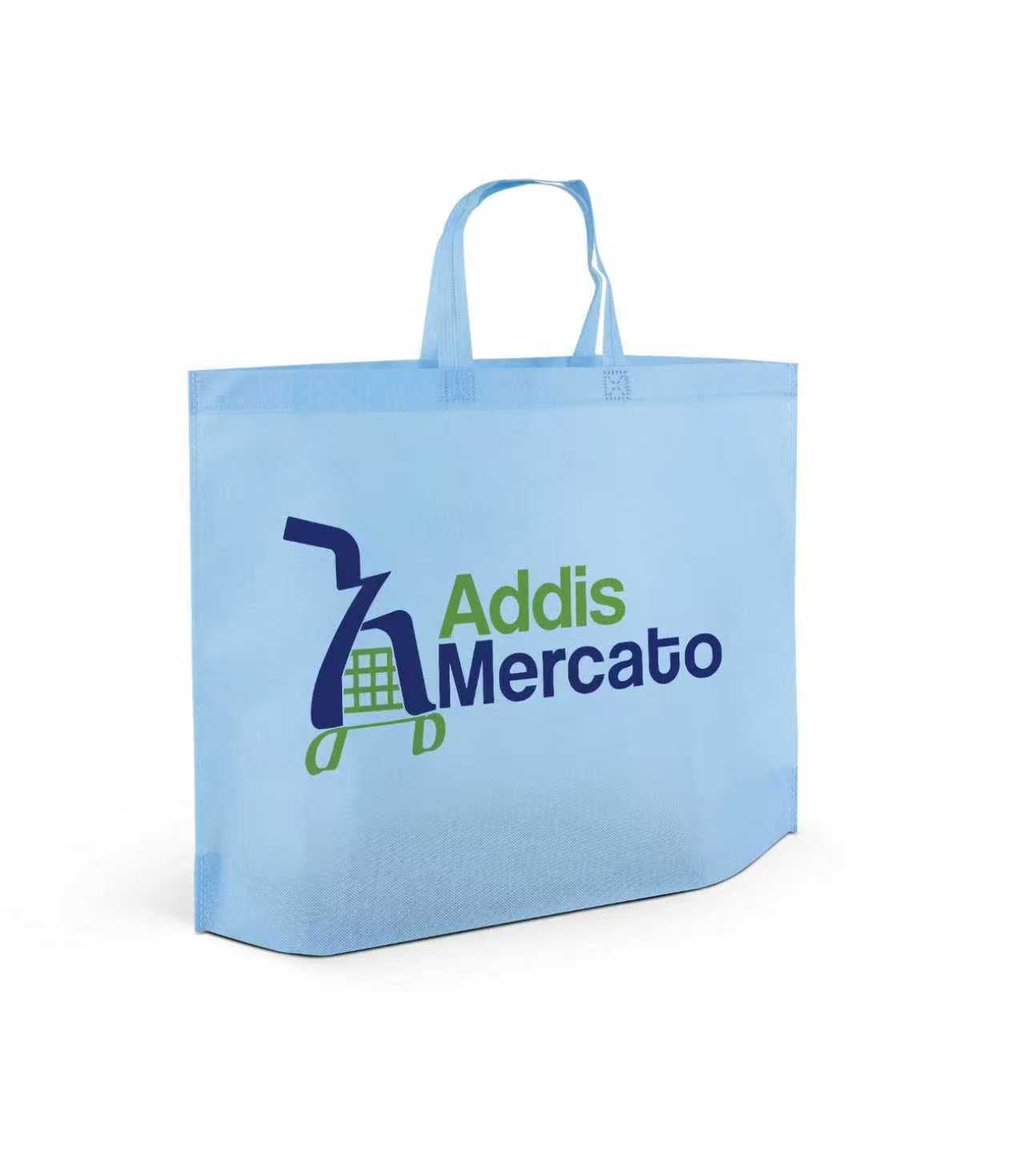
Side-gusset bags require yet another geometry. The ZXL-G700 is a specialized gusset-bag platform with adjustable side width from 60 to 200 mm. The bag is given a 3D gusset and then fitted with a handle in-line. Because the finished bag must hold a useful volume, the machine controls the side-gusset depth precisely rather than treating it as an optional folding step.
Automation versus capability: the practical trade-off buyers underweight
The most common evaluation error is treating "fully automatic" as a single feature. In practice, automation level and format capability are independent axes.
For example, all ZXL lines above are fully automatic in the sense that feeding, sealing, cutting, and counting are performed by the machine with one or two operators. But a D-cut machine does not automatically gain the capability to attach a loop handle, and a box-bag platform cannot automatically equal the yield of a Zero-waste-edge vest-bag line. The trade-off appears in three areas.
First, format flexibility versus mechanical complexity. A 5-in-1 machine such as the ZXL-E700 dramatically reduces the number of separate production steps, but it adds folding, tucking, and handle fabrication modules. Buyers needing only D-cut or vest bags should not pay for unused flex-format capability.
Second, material yield versus edge control. The Ultra machines are engineered to save approximately 5% in raw material procurement cost through waste-free edge processing. If a buyer runs continuous single-format production at high volume, that yield enhancement becomes a measurable operating advantage. If the buyer frequently changes sizes and styles, the simpler open architecture of a lower-capability machine may be easier to reset.
Third, changeover time. Even the most automated multi-format machine still requires mechanical and PLC adjustments when the bag size changes. A 15–30 minute changeover is realistic for an experienced operator. Procurement teams that promise customers very quick delivery of many different bag sizes should calculate how often they will re-set the line.
Format-by-format decision guidance
Vest, T-shirt and W-cut bags
Vest bags remain the highest-volume retail format. Buyers supplying supermarkets and grocery chains should prioritize consistent ultrasonic sealing, photoelectric print registration, and continuous output. The ZXL-A700 and A700Ultra fit this role. The Ultra version is especially relevant when fabric cost is one of the largest operating expenses.
D-cut bags
D-cut bags are widely used for lightweight retail and promotional carry bags. Their structure is simpler, which makes a dedicated D-cut line such as the ZXL-B700 a cost-effective entry into non-woven bag production. The ZXL-B700 can also produce drawstring bags, covering two common product families in one unit.
Drawstring bags
Drawstring bags are used for packaging, gifts, laundry, and small grocery items. Because the drawstring channel demands accurate folding and sealing, buyers should verify that the machine has an ultrasonic bag-mouth folding section and reliable tension control. The ZXL-B700's magnetic powder tension controller and PLC system are designed for this output.
Flat bags with loop handles
Flat bags with an attached loop handle are common for moderate-value retail and promotional bags. The ZXL-D700 4-in-1 architecture adds an online ultrasonic handle attaching section, which eliminates a separate labor-intensive handle-stitching step. Buyers should evaluate how many of the four claimed bag styles they will actually use.
Box bags and 3D bags with handles
For wine bags, gift bags, food delivery bags, and premium retail packaging, a box bag with a handle is the more desirable silhouette. The ZXL-E700 and E700Ultra compress printing, folding, handle forming, and sealing into one 5-in-1 process. The ZX-LT500 vertical-fold platforms are the higher-capacity alternative for long production runs of 3D soft-loop-handle bags.
Side-gusset bags
Side-gusset bags, sometimes called organ bags or gusset-bottomed tote bags, are specified when the end customer wants more internal volume than a flat tote provides. The ZXL-G700 is built around this requirement, with a side gusset range of 60 to 200 mm and in-line handle heat-sealing and punching. This format is appropriate for high-end shopping bag applications where the bag must stand on a shelf.
Production scenarios: where formats create the clearest advantage
The value of a format-specific comparison becomes obvious when mapped to actual production scenarios.
Retail, supermarket and grocery supply. This scenario emphasizes speed, consistent weld quality, and low defect rates. Fully automatic lines from the ZXL-A700 and ZXL-A700Ultra family are well matched to the continuous production of printed shopping bags. In this setting, the no-waste-edge Ultra model has a measurable raw-material advantage.
Food delivery and takeaway packaging. Food-grade bag production requires clean ultrasonic seams, automated counting and stacking, and often an inline inkjet date coder. The ZXL-E700 family's ultrasonic welding uses no hot-melt glues or chemical adhesives, which is relevant when odor and contamination must be avoided.
Garment and fashion packaging. Garment bags and dust covers are often flat, wide, and lightweight. Producers serving apparel brands need wrinkle-free surfaces and flexible sizing. A flat-bag platform such as the ZXL-D700, or a vest/T-shirt platform for handled garment bags, is usually easier to adjust than a complex box-bag line.
Advertising, promotional products and corporate gifts. Promotional bag factories run many short jobs with different artwork. Quick job changeover, accurate print registration, and flexible bag dimensions are more important than maximum speed. Multi-format machines such as the ZXL-E700 or a combined bag-machine plus flexo-printing configuration allow one supplier to cover multiple order types.
Market signals shaping machine decisions
The market context reinforces format-focused buying. General bag-making machinery analysis from Dataintelo suggests strong long-term growth, but the specialized LP Information dataset gives a more useful signal: non-woven bag making machines are expected to grow at a 22.5% CAGR through 2032, in large part because of plastic-ban regulation now present in more than 140 countries.
Automatic systems already dominate new sales, with a 52.4% product-type share in the broader bag-machine market in 2025. This is consistent with the after-sales and labor economics described by machine suppliers: fully automatic equipment reduces per-bag labor cost and supports consistent output in markets where skilled operators are scarce.
At the same time, average global selling prices for non-woven bag making machines were estimated at roughly US$29,000 per unit in 2025. That figure masks a very wide spread between a simple D-cut line and a heavy 3D vertical-fold machine. Buyers should compare the configuration, not the headline average.
Comparison with traditional processes and honest limitations
Comparing modern platforms with older multi-step manufacturing makes the productivity case clear. Traditional bag-making approaches often separated cutting, sewing, handle attachment, and finishing into different workstations, increasing labor and handling defects. Modern ultrasonic lines fuse layers without sewing consumables, and servo or stepping-motor control maintains repeatable length.
An independent comparison should also acknowledge limitations.
- A multi-format machine does not eliminate mechanical changeover; it only eliminates the need to buy several different machines. Size changes still take time, and dimensional accuracy after a changeover should be verified with trial bags.
- Higher automation does not mean zero staffing. Most fully automatic non-woven lines still require one or two operators for material loading, monitoring, and stacking.
- Ultrasonic welding is well suited to PP and RPET non-woven fabrics, but buyers producing thick laminated or heavily coated materials above typical non-woven GSM ranges should verify the welding response before assuming that ultrasonic sealing is automatically superior.
- A fast advertised speed is usually measured on a simple bag with medium GSM material. Bags with gussets, complex handles, or very heavy fabric will run at a lower sustained speed.
For buyers, these boundaries are not defects. They are the information needed to right-size the machine to the order book.
Future outlook: format flexibility and recycled material compatibility
Two longer-term trends are likely to influence non-woven bag machine purchases. The first is the growing share of recycled polyester non-woven and RPET material in retail supply chains. Several current machines in the ZXL and ZX-LT500 families already declare RPET compatibility with material ranges between 70 and 150 g/m². Buyers evaluating new equipment should ask how the feeding, tension, and ultrasonic systems behave when recycled batch-to-batch properties vary.
The second trend is format plurality. Producers are no longer buying one machine for one regional plastic-ban contract; they are building product portfolios that include supermarket carry bags, flat handled totes, box bags, garment covers, and food delivery bags. This favors machine families that share control systems and spare parts across models, allowing a factory to expand from one format to several without retraining operators on completely different interfaces.
As plastic-ban regulation becomes more global, procurement teams will increasingly treat the non-woven bag making machine as a strategic production asset rather than a single-output tool. Understanding format capability, automation cost, and material behavior is the basis for that decision.
Frequently asked questions
What is GSM in non-woven fabric, and what GSM should I choose for shopping bags?
GSM means grams per square meter. For shopping bags, 60–70 GSM is suitable for lightweight retail bags, 80–90 GSM is the common supermarket shopping-bag standard with enough strength for typical grocery loads, and 100–120 GSM is used for heavier premium bags. The GSM range of the fabric affects both bag strength and the machine's sealing parameters.
Why are non-woven bags considered eco-friendly if polypropylene is still a plastic?
Non-woven PP bags achieve an environmental benefit through a reuse model. They require more material and energy than a single-use thin plastic bag, but after roughly 5–10 uses the per-use footprint falls below single-use plastic; over a realistic 50-use lifetime the total plastic waste entering the environment is significantly reduced. This is why reusable non-woven bags remain the dominant replacement in jurisdictions with bans on single-use thin-film plastic bags.
What is the difference between fully automatic and semi-automatic machines?
A fully automatic non-woven bag making machine performs feeding, sealing, cutting, counting, and stacking in a continuous process with one or two operators. Semi-automatic lines typically operate at lower output and require more manual material handling between stations. For output above roughly 20,000–30,000 bags per day, the labor savings of full automation usually offset the higher purchase price.
How important is ultrasonic welding compared with heat sealing?
Ultrasonic welding creates seals by high-frequency friction at the material interface, which avoids needle and thread waste, produces clean and odorless seams, and typically gives strong pull-test results. It is especially relevant for food-grade or premium bags. Traditional heat sealing can still be considered for some very thick or laminated materials, but modern high-power ultrasonic systems cover most non-woven applications.
What should I check before ordering a machine for a new bag format?
Before changing or adding a bag format, verify the machine's format architecture, bag dimension range, fabric GSM range, handle attachment capability, changeover time, and control interface. Buyers should request a production test of the actual bag style they intend to sell. For imported machines, confirm voltage, phase, available certifications, spare parts availability, and after-sales response time before placing the order.
Specification reference: This comparison uses public machine specifications from Zhejiang Zhengxin Machinery Co., Ltd. for the ZXL-series platforms. Buyers can access the manufacturer's 2026 catalogue for detailed configuration tables: Zhengxin 2026 machine brochure (PDF).