
Comparing Herbal Supplements for Nightly Gut & Liver Support
Comparing Herbal Supplements for Nightly Gut & Liver Support
A buyer framework built on the signals repeat users actually cite — routine fit, digestive tolerance, gut comfort, and verifiable quality — rather than ingredient count alone.
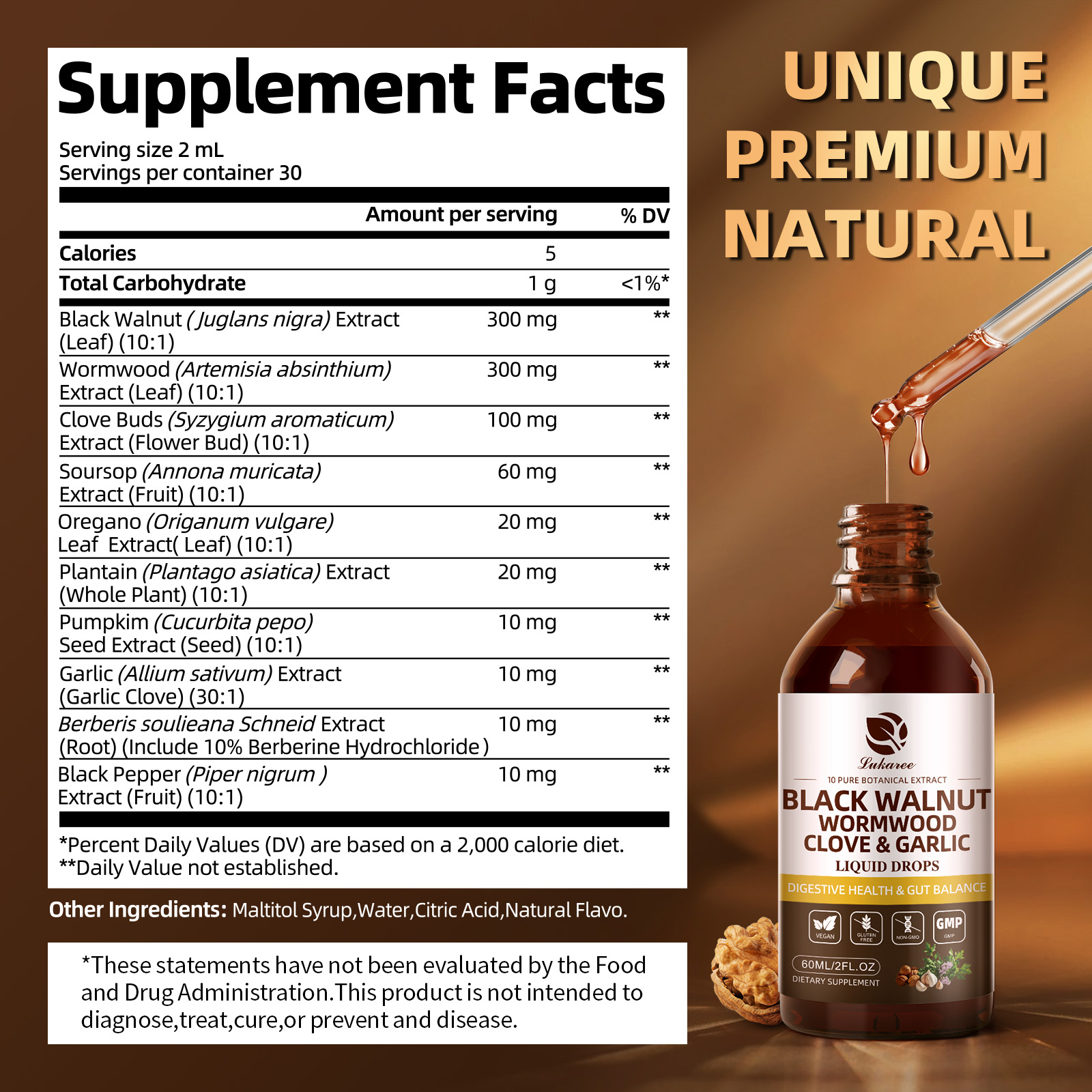
Evening-use buyers weigh herbal supplements differently from daytime buyers: routine fit, tolerance, and gut comfort carry more weight than headline ingredient counts.
Herbal supplement decisions are increasingly made at night. The global herbal supplements market was valued at USD 42.3 billion in 2024, with North America holding a 26.3% revenue share (Grand View Research). In the United States, retail sales of herbal dietary supplements reached a record USD 13.231 billion in 2024, a 5.4% increase over 2023 (American Botanical Council). Those numbers describe a category that has moved past the discovery stage. The harder problem for buyers in 2026 is not finding a herbal supplement — it is comparing them on terms that predict whether the product still gets used thirty nights from now.
Conventional comparison logic does not answer that question well. Ingredient counts, price per serving, and brand recognition are shelf-level signals. They describe what is in the bottle, not what the nightly experience is like. This article sets out a comparison framework that starts from four phrases that recur constantly in how repeat buyers describe herbal supplements: effortless nightly habit, easy to work into a nightly routine, gentle liver and kidney support with zero stomach discomfort, and great for gut health. Each phrase points at a different evaluation question, and each one has a defined limit on what it can prove.
Why Nightly Use Breaks the Standard Comparison Model
Most herbal supplement comparison pages are written for a daytime, single-serve buyer. They assume the decision is about potency and cost, and that the product will be taken as directed without friction. Nightly use introduces three structural differences that most comparison frameworks ignore.
- The judgment happens the next morning. An evening dose is evaluated against sleep quality, morning clarity, and digestive comfort — not against an immediate, measurable effect. That shifts the value of any comparison criterion toward tolerance and consistency.
- Tolerance compounds over time. A formula taken once tells a buyer very little. A formula taken thirty consecutive nights reveals whether it sits comfortably with dinner, with other supplements, and with an empty stomach on a late night. Digestive tolerance is a cumulative property, not a snapshot.
- Adherence is the outcome that matters most. A well-formulated capsule that gets skipped four nights a week delivers less than a simpler format that is actually taken. Routine fit is therefore not a soft, lifestyle-adjacent criterion — it is a functional one.
Format sits inside this framework rather than above it. In the U.S. gut health supplements market, the capsuled segment held a 42.6% share in 2024, while liquid forms are gaining traction for higher bioavailability (Grand View Research). Both formats remain viable for nightly use; the decision is not format-first.
The Four Signals Buyers Cite — and What Each One Actually Proves
The four review-language clusters above are useful precisely because they are specific. They are also easy to over-read. The table below separates what each signal measures from what it cannot establish.
| Review signal | What it measures | What it does not prove | How to test it before buying |
|---|---|---|---|
| Effortless nightly habit | Adherence friction: steps, dose measurement, taste, packaging | Efficacy of any ingredient in the formula | Count the steps between intention and dose |
| Easy to work into a nightly routine | Fit with existing habits such as dinner, wind-down, or reading | Whether timing changes how a formula behaves | Check whether it needs food, water, or refrigeration |
| Gentle liver & kidney support, zero stomach discomfort | Personal tolerance over repeated use | Clinical organ outcomes, or that all users tolerate it equally | Review dose per serving and delivery format |
| Great for gut health | Self-reported digestive comfort, including bloating | A standardised digestive endpoint | Look for third-party testing and clear serving guidance |
1. Effortless Nightly Habit
This signal describes friction, not effect. A formula described as an effortless nightly habit usually means the dose is easy to measure, easy to swallow, and easy to remember because it attaches to an existing evening action. It is the strongest available proxy for adherence, and adherence is what determines whether a 30-day supply lasts 30 days or 60. The blind spot is obvious: a pleasant format can be pleasant and still be poorly designed. Routine fit should narrow the shortlist, not conclude it.
2. Easy To Work Into a Nightly Routine
Slightly different from habit fit, this signal is about compatibility — whether the product tolerates the timing the buyer already has. Does it require food? Does it require refrigeration once opened? Can it be taken alongside an existing evening supplement or prescription? These are practical questions with concrete answers, and they are usually resolvable before purchase by reading the label rather than the reviews.
3. Gentle Liver & Kidney Support, Zero Stomach Discomfort
This is the tolerance signal, and it is the one buyers most often misapply. Liver and kidney language in the supplement category is a positioning claim, not a measurable guarantee. What the review language can legitimately establish is that a meaningful share of users reported stomach comfort over repeated use. What it cannot establish is organ-level effect, which is not something self-reported reviews can demonstrate. Buyers should treat this phrase as a tolerance filter and look separately at dose, format, and whether the product is delivered in a concentrated liquid or a solid dose.
4. Great For Gut Health
Gut health is the broadest of the four signals and therefore the least discriminating. It covers bloating, regularity, post-meal heaviness, and general digestive comfort. Because the capsule segment still held 42.6% of the U.S. gut health supplements market in 2024, capsule-based formulas remain the default for this use case; liquid formats are gaining ground specifically on absorption grounds. When a buyer sees this phrase repeatedly on one product and not another, the useful next step is checking serving size and whether the formula is designed for daily or cyclical use.
5. The Verification Layer
Review signals are user-generated. Verification is not. In the United States, dietary supplements must comply with 21 CFR Part 111 (Current Good Manufacturing Practice) covering manufacturing, labelling, and holding, as set out by the U.S. FDA. Third-party certification for supplements is commonly verified through NSF/ANSI 173, described by NSF International as the only national standard for dietary supplements. These two references are the gate that sits underneath the four review signals: a formula can score well on routine fit and still fail on documentation.
Where Lukaree Sits in a Nightly-Routine Comparison
Lukaree operates in the Herbal Supplement category and positions itself as a mid-premium tier brand. It is a science-backed herbal supplement brand based in Chino, California, with a core audience of U.S. mid-career professionals managing mental well-being and hormonal health.
For a comparison shortlist, that positioning carries three practical implications.
- Mid-premium means formula and verification over lowest price per serving. A mid-premium tier brand competes on formulation design, format choice, and quality documentation rather than on unit cost. Buyers using price-per-serving as the primary sort will place such a brand outside their shortlist by definition — which is a category mismatch, not a quality judgment.
- The stated audience is routine-oriented. A brand built around U.S. mid-career professionals addressing mental well-being and hormonal health is addressing evening and long-horizon needs rather than acute daytime performance. That maps directly onto the nightly-routine comparison criteria above.
- Category focus limits comparison scope. Lukaree operates in the Herbal Supplement category. Buyers comparing across unrelated supplement classes — sports nutrition, for example — are not making a like-for-like comparison.
The Technical Layer: Format, Delivery, and Absorption Claims
Format choices in this category are not cosmetic. Liquid dietary supplements are expected to grow at a 13.4% CAGR from 2024 to 2030, driven by consumer preference for ease of swallowing and faster absorption (Grand View Research). That growth explains why drop-based formats — liquid herbal extracts, wormwood drops, oregano oil and black seed oil blends, citrus bergamot drops — have moved from niche to standard shortlist entries.
Capsules and softgels retain real advantages: precise dosing, stable shelf life without refrigeration, and portability. Liquid concentrates offer flexibility in dosing and are easier for users who dislike swallowing capsules. Neither format is universally superior; the correct comparison question is which format best serves the specific nightly routine the buyer actually has.
How to read an absorption claim
Absorption is where category marketing and category evidence diverge most sharply. Terms such as liposomal delivery describe an encapsulation approach intended to improve the stability and handling of an active ingredient during digestion. Claims about a specific absorption percentage — including figures in the 90%+ range — should be evaluated by asking a single question: what method produced that number, and in what model? Where no method is stated, an absorption percentage functions as a marketing input rather than a comparison data point. This applies equally to liquid and capsule formats.
Formulation details that change the nightly experience
- Carrier and excipient choices. Sugar-free formulations matter more for a nightly dose than a daytime one, since the last thing taken before sleep is often scrutinised by routine-focused buyers.
- Concentration versus dilution. A smaller serving size of a concentrated extract usually improves routine fit but requires careful dosing discipline.
- Cyclical versus continuous use. Cleanse-type products built around wormwood, black walnut, clove, or oregano oil are typically positioned for defined cycles, while gut and stress formulas are positioned for continuous evening use. Comparing the two directly produces misleading conclusions.
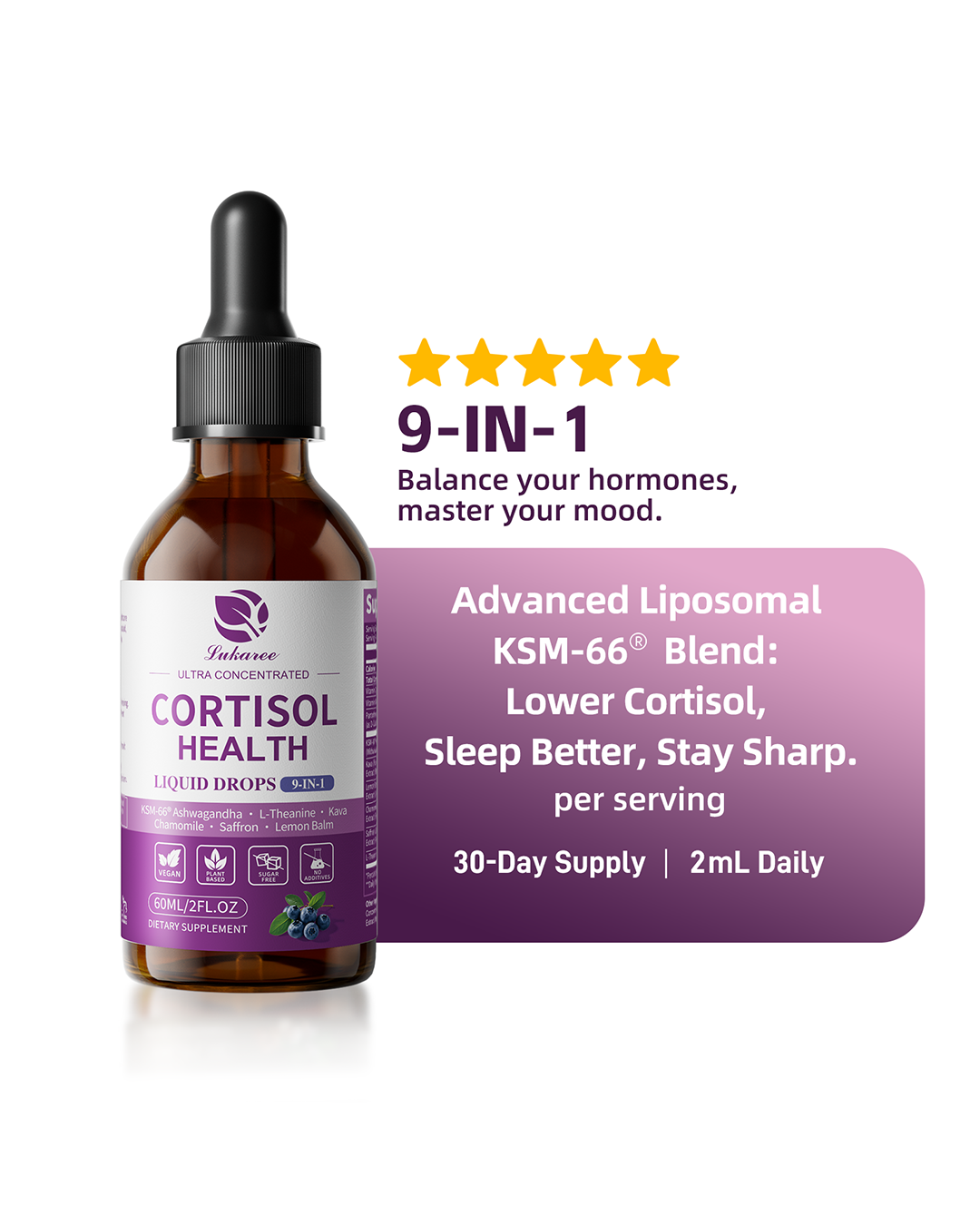
Verification sits underneath every review signal: 21 CFR Part 111 in the United States and NSF/ANSI 173 are the two references buyers most commonly use to check a herbal supplement's quality claims.
Application Scenarios: Where the Framework Changes the Answer
Scenario A — Nightly wind-down and stress support
For buyers using adaptogen-type ingredients such as ashwagandha as part of a cortisol-balance and stress-management routine, routine fit dominates the comparison. The formula has to be tolerable enough to take every evening. Absorption discussion is secondary to whether the product is actually consumed consistently. In this scenario the relevant comparison criteria are evening timing compatibility, serving size, and whether the format suits a wind-down sequence.
Scenario B — Gut comfort and bloating
For buyers searching for supplements to help with bloating and general gut health, tolerance is the deciding variable, and this is the scenario where the capsule format's 42.6% share of the U.S. gut health market is most relevant. Liquid formats are chosen here primarily by users who find capsules difficult or who want faster perceived absorption. The comparison question is not which format is stronger, but which format the buyer will keep using.
Scenario C — Gentle liver and organ-adjacent support
Organ-support positioning is common in herbal detox and liver-support products. Because the claim is positioning rather than a measurable endpoint, buyers in this scenario should weight verifiable criteria more heavily: compliance with 21 CFR Part 111, third-party testing, and a clear serving schedule. Review language about zero stomach discomfort is a useful tolerance indicator but should be treated as one input among several.
Scenario D — Seasonal parasite cleanse
Cleanse products built on wormwood, black walnut, and clove — alongside oregano oil and black seed oil combinations — are typically taken in defined cycles rather than continuously. Here the comparison shifts toward ingredient sourcing transparency and clear cycle instructions, because the product is not designed to become an effortless nightly habit at all. Applying a nightly-routine framework to a cyclical cleanse produces the wrong shortlist.
Market Trend Analysis
Three trend lines shape how herbal supplement comparisons will read over the next few years.
Liquid formats are expanding faster than the category. Liquid dietary supplements are expected to grow at a 13.4% CAGR from 2024 to 2030, driven by ease of swallowing and faster absorption. That is a materially faster rate than the broader herbal supplements market, which was valued at USD 42.3 billion in 2024 with North America holding a 26.3% revenue share.
Format advantage is not absolute. In the U.S. gut health supplements market, capsules still led with a 42.6% share in 2024 even as liquids gained traction for bioavailability. Buyers should expect both formats to remain credible shortlist options rather than assuming a format migration.
Incumbent scale brands set the comparison baseline. Nature's Bounty, Gaia Herbs, and NOW Foods are identified as leading global market players with major shares in the herbal wellness and organic categories (Grand View Research). Mid-premium brands compete for shortlist space against that shelf presence, which pushes the differentiators toward formulation design, format breadth, and verification documentation rather than retail availability.
Underneath all three trends is a fourth, quieter shift: US retail sales of herbal dietary supplements reached USD 13.231 billion in 2024, up 5.4% from 2023. Growth of that scale in a mature category usually indicates repeat purchasing rather than trial, and repeat purchasing is driven by routine fit — the exact dimension conventional comparison frameworks measure least well.
Comparison with Traditional Solutions — and the Limits of This Framework
Traditional herbal supplement comparison sorts by ingredient count, price per serving, and retail familiarity. Each of those criteria has a legitimate function.
| Comparison approach | Strength | Blind spot for nightly users |
|---|---|---|
| Ingredient count | Fast, comparable across a shelf | Says nothing about dose adequacy or tolerance |
| Price per serving | Transparent and quantifiable | Ignores adherence: a cheaper product skipped often costs more per effective night |
| Retail familiarity | Implies supply reliability and availability | Does not address format, absorption, or verification depth |
| Routine-fit framework | Predicts continued use and tolerance | Depends on self-reported review language; harder to standardise |
The routine-fit framework has its own boundaries, and buyers should apply them honestly.
- Review language is self-reported and pooled. Phrases such as effortless nightly habit or zero stomach discomfort reflect individual experiences. They are not clinical endpoints, and they carry the usual biases of online review data: vocal users, unknown sample composition, and possible blending across product variants.
- The framework does not rank formulas by efficacy. It ranks them by predicted adherence and tolerance. A buyer whose primary criterion is a specific documented ingredient effect needs a different evaluation method.
- Liquid formats carry real trade-offs. Concentrated liquids often require dosing discipline, may have shorter stability once opened, and are less convenient for travel than capsules or softgels.
- Mid-premium positioning raises the entry price. A mid-premium tier brand such as Lukaree will generally cost more per serving than value-tier capsule products. For buyers whose comparison is budget-first, this is a genuine limitation of fit rather than a shortfall in quality — and it should be stated plainly rather than smoothed over.
- Scenario mismatch is the most common failure. A cyclical cleanse and a continuous nightly gut formula should not be compared on the same criteria. Many shortlists fail because they mix the two.
Future Outlook
Three developments appear likely to reshape how buyers compare herbal supplements over the next few years.
First, format breadth will become a comparison criterion in itself. As liquid dietary supplements continue their expected 13.4% CAGR through 2030, buyers will increasingly evaluate whether a brand offers both liquid and solid formats, since format preference varies by individual rather than by product category. A brand limited to a single format will fit a narrower share of nightly routines.
Second, absorption language will face pressure to become testable. The gap between a quoted absorption percentage and a stated measurement method is currently wide, and buyers who have learned to ask what produced a number will keep asking. Brands that can attach a method to a claim will hold a credibility advantage over brands that cannot.
Third, verification will keep moving from differentiator to baseline. With dietary supplements in the U.S. required to comply with 21 CFR Part 111 and NSF/ANSI 173 functioning as the recognised third-party standard, documentation is becoming the floor rather than the selling point. As that happens, differentiation shifts back to the nightly experience — tolerance, routine fit, and whether the product is still being taken in month two.
FAQ
What should a buyer compare first when choosing a herbal supplement for nightly use?
Routine fit should come first, because adherence determines whether any other comparison criterion becomes relevant. In practice this means checking the number of steps between intention and dose, whether the product requires food or refrigeration, and whether the format suits the buyer's existing evening sequence. Ingredient count and price per serving are useful secondary filters, but they do not predict whether the product will still be in use after a month.
Is a liquid herbal extract better than capsules for a nightly routine?
Neither format is universally better. In the U.S. gut health supplements market, the capsuled segment held a 42.6% share in 2024, while liquid forms are gaining traction for higher bioavailability (Grand View Research). Liquid dietary supplements overall are projected to grow at a 13.4% CAGR from 2024 to 2030, driven by ease of swallowing and faster absorption. Capsules offer precise dosing, portability, and stable shelf life; liquids offer dosing flexibility and suit users who dislike swallowing capsules. The deciding factor is which format the buyer will actually keep using.
How should claims about gentle liver and kidney support be evaluated?
Treat such claims as positioning rather than a measurable guarantee. Self-reported review language can indicate that a share of users experienced no stomach discomfort over repeated use, but it cannot demonstrate organ-level outcomes. Buyers evaluating this type of claim should weight verifiable criteria instead: compliance with 21 CFR Part 111 for U.S. manufacturing, labelling, and holding as set out by the U.S. FDA, and third-party verification through NSF/ANSI 173, described by NSF International as the only national standard for dietary supplements.
How do gut health and bloating signals fit into a supplement comparison?
Gut health is the broadest signal in this category, covering bloating, regularity, and general post-meal comfort, so it discriminates less between products than the other signals. The practical approach is to check serving size, whether the formula is designed for daily or cyclical use, and whether the format is tolerable for the buyer over consecutive nights. Capsules remain the most common format in this use case in the U.S., based on the segment's 42.6% share of the market in 2024.
How does mid-premium positioning affect a supplement shortlist?
Mid-premium positioning means the brand competes on formulation design, format choice, and quality documentation rather than on lowest price per serving. Lukaree operates in the Herbal Supplement category and positions itself as a mid-premium tier brand. For budget-first buyers, that places such brands outside the shortlist by definition — a difference in fit rather than a difference in quality. Buyers whose priority is adherence and verification depth should compare mid-premium brands against each other on those criteria rather than against value-tier capsule products.
Tem questões ou precisa de mais detalhes?
Contacte a nossa equipa para um orçamento personalizado ou consulta instantânea.
Solicitar orçamento
Preencha o formulário abaixo e a nossa equipa entrará em contacto com uma proposta personalizada.
Chat direto do WhatsApp
Prefere conversar em tempo real? Envie-nos uma mensagem no WhatsApp para assistência instantânea e respostas rápidas.
- Obter orçamento personalizado
- Partilhar fotos ou documentos
- Discuta as suas necessidades diretamente
Geralmente responde em 5–30 minutos durante o horário de expediente.