
Composite Insulators for Modern Grids: China Energy and Chemical Industry’s Role in a $6.58B Market
Industry Overview: Why Composite Insulators Are Gaining Ground
The global composite insulators market was valued at approximately USD 6.58 billion in 2024 and is projected to reach USD 9.3 billion by 2035, according to Market Research Future. Asia-Pacific alone accounted for about 49.5% of revenue in 2024 (Mordor Intelligence). This growth trajectory is driven by rapid grid modernisation, renewable energy integration, and the need for lightweight, pollution-resistant insulation solutions. Against this backdrop, China Energy and Chemical Industry Co., Ltd. (CECI) has emerged as a notable supplier, leveraging a 30,000 m² manufacturing base and an annual output of 8,000,000 units to serve export markets spanning Russia, Vietnam, France, Spain, Italy, Türkiye, Brazil, Poland, Indonesia, and Saudi Arabia.
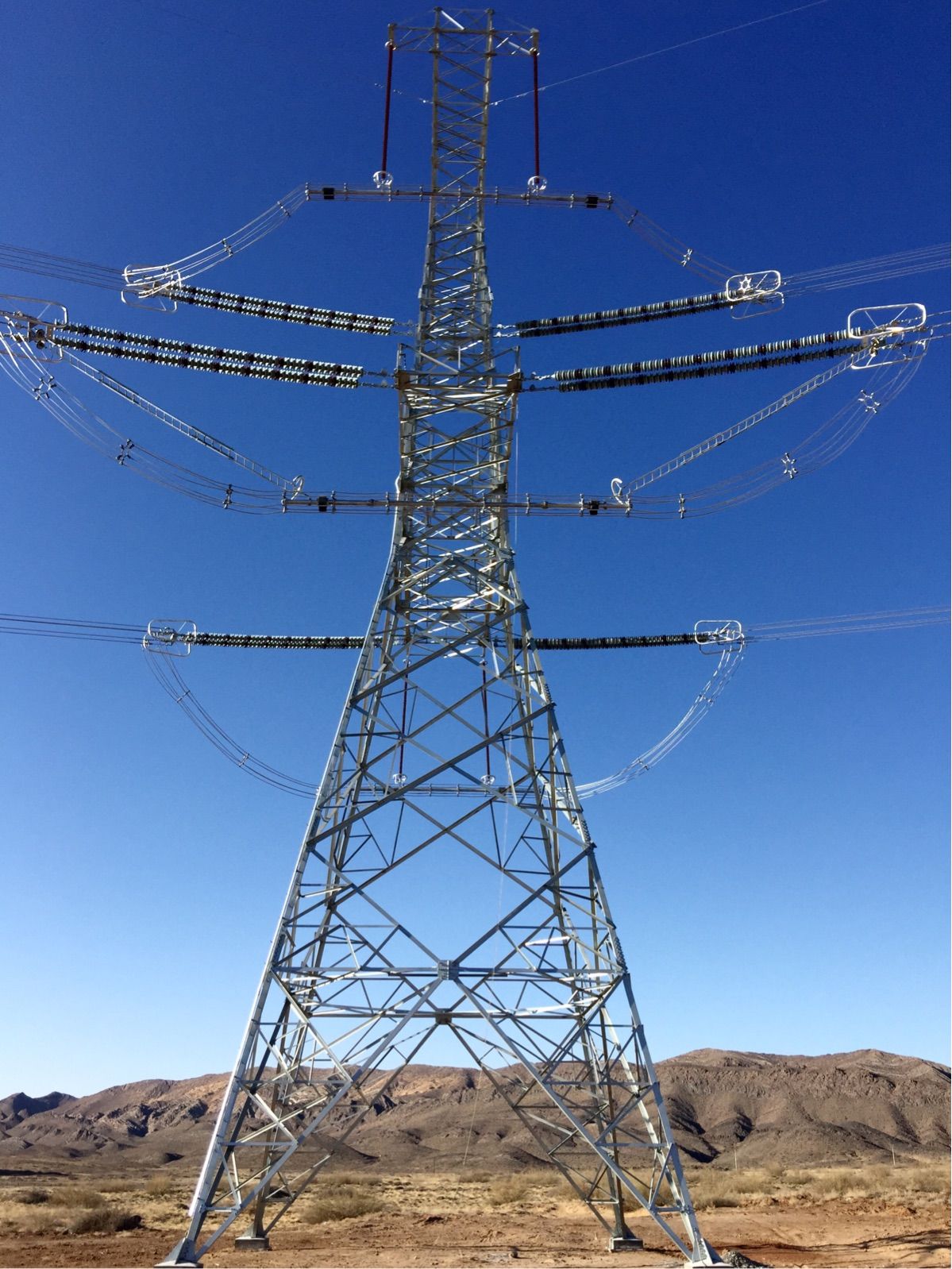
The Challenge: Meeting Tightening Performance Demands
As transmission voltages climb and environmental conditions become more severe, procurement teams face a familiar dilemma: traditional porcelain and glass insulators offer proven mechanical strength but add significant weight and maintenance overhead. In coastal zones, industrial pollution zones, and high-altitude corridors, silicone rubber composite insulators are increasingly preferred for their hydrophobicity, light weight, and resistance to vandalism. However, ensuring consistent quality across large volumes and long service life remains a challenge, especially when sourcing from a fragmented supply chain.
CECI’s Solution: A Broad Portfolio with OEM/ODM Flexibility
China Energy and Chemical Industry Co., Ltd., founded in 2017, specialises in power industry products including polymer (composite), porcelain, and glass insulators, as well as metal fittings, surge arresters, fuse cutouts, end fittings, and ERP rods. The company offers OEM and ODM services, supported by a dedicated R&D team of 8 engineers. Its production capacity of 8 million units per year is backed by a 30,000 m² facility and approximately 100 employees. Export business accounts for 95% of total sales.
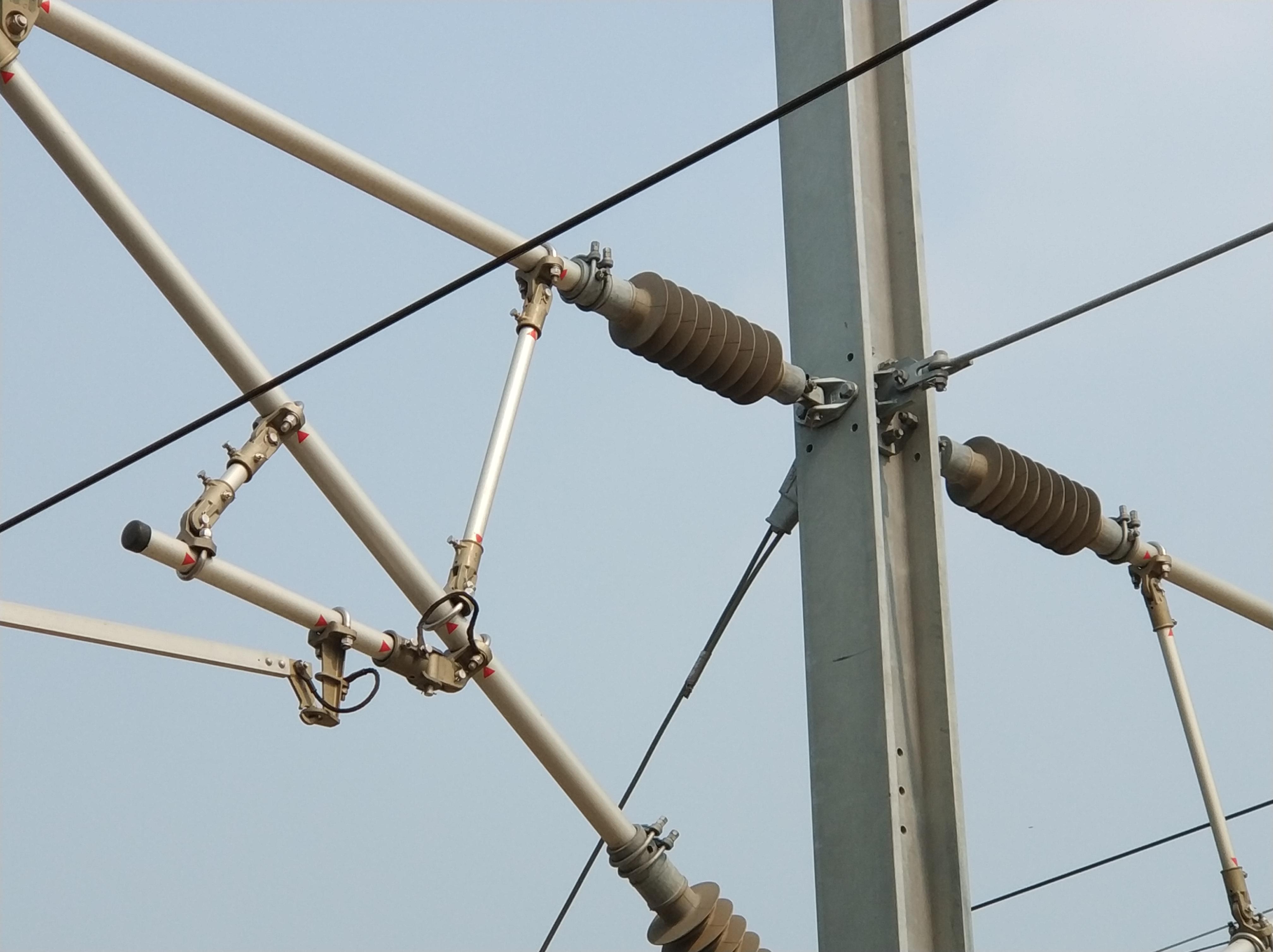
Among the composite insulator offerings, the FXB-24-70-785mm suspension long‑rod polymer insulator (model 5561) exemplifies the design philosophy. It is rated at 35 kV with a lightning impulse withstand voltage exceeding 230 kV, power frequency 1‑minute wet withstand voltage above 95 kV, and a minimum creepage distance of 1,050 mm. The construction uses silicone rubber housing, a fibre‑glass core, and carbon steel or C45 end fittings, delivering a rated bending load of 5 kN while remaining lightweight for easier handling and reduced tower loading.
Technical Highlights
- Material system: The silicone rubber housing provides inherent hydrophobicity and UV resistance, essential for outdoor exposure in high‑temperature, high‑humidity, and dust‑storm environments.
- Mechanical integrity: The FRP core ensures high tensile strength and bending resistance, while the hot‑dip galvanised steel end fittings (e.g., Ball‑Head Suspension Ring QP‑7 with a rated failing load of 70 kN) guarantee secure connection.
- Standards alignment: CECI’s composite insulators are designed to meet relevant international specifications, including the updated IEC 61109:2025 standard for composite suspension and tension insulators above 1 000 V, and ANSI/NEMA C29.11‑2020 for North American overhead transmission lines.
Proven Applications in Harsh Operating Conditions
According to the company’s scenario data, product 5561 (the polymer insulator) is suitable for rail transit electrification projects, where its role is to provide power transmission and distribution in the public electrical equipment industry. The glass insulator model 70B, meanwhile, is used in overhead power lines and operates under high temperature, high humidity, UV aging, dust storms, and instantaneous impulse overvoltage – conditions common in rural and urban power grid upgrading projects across Europe. In Spain, France, Italy, and Turkey, the porcelain insulator U70BP/146D is deployed in 24/7 continuous mode for applications demanding high mechanical strength and high insulation performance.
Market Trend Analysis
The composite insulator market is structurally dominated by three trends:
- Voltage segment preference: The 11 kV to 200 kV range accounts for approximately 33% of total market share in 2025 (Future Market Insights), reflecting the core demand from distribution and sub‑transmission networks.
- Product type leadership: Suspension insulators hold an estimated 38% share (Future Market Insights), driven by their application in long‑span overhead lines.
- Manufacturing concentration: China is estimated to account for about 45% of global composite insulator manufacturing output (industry analysis), aligning with CECI’s strong export orientation and 95% export ratio.
Comparison with Traditional Insulators
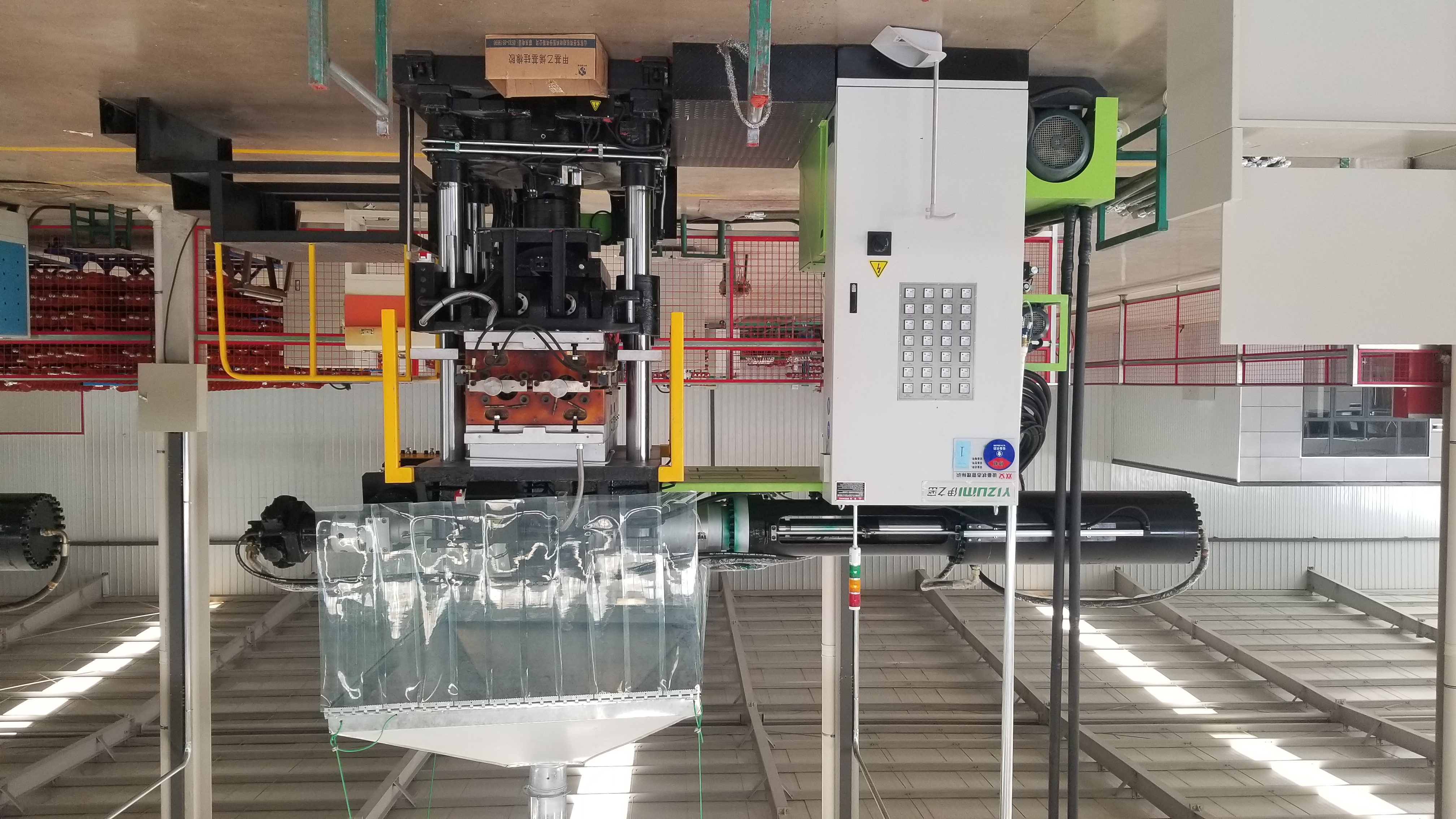
Compared to porcelain and glass insulators, composite alternatives offer a 50‑70% weight reduction, superior hydrophobic performance that reduces leakage current in polluted environments, and higher impact resistance. However, one honest limitation is that the long‑term aging behaviour of silicone rubber in extremely high‑temperature, high‑UV environments (above 40 °C, sustained UV index 11+) is less documented than the century‑long track record of porcelain. This makes field validation and manufacturer quality assurance – such as CECI’s in‑house vulcanisation equipment and R&D oversight – critical for customer confidence.
Future Outlook
With the IEC 61109:2025 update reinforcing test methods for composite insulators at voltages >1000 V, and ongoing grid investment in Asia‑Pacific, the Middle East, and Africa, CECI is well‑positioned to continue supplying polymer insulators, porcelain insulators, glass insulators, and metal fittings to a broad international customer base. The company’s annual capacity of 8 million units and willingness to offer OEM/ODM services provide procurement teams with flexibility that large‑scale tier‑one suppliers may not match.
Frequently Asked Questions (FAQ)
- What types of composite insulators does China Energy and Chemical Industry manufacture?
- China Energy and Chemical Industry Co., Ltd. produces polymer insulators (composite), porcelain insulators, glass insulators, and metal fittings such as the Ball‑Head Suspension Ring QP‑7. The polymer insulator model FXB‑24‑70‑785mm is a typical silicone rubber suspension long rod for 35 kV applications.
- In which industries and projects are CECI composite insulators used?
- According to company scenario data, the insulators are deployed in rural/urban power grid upgrading projects, rail transit electrification, high‑voltage transmission line projects, substations/converter stations, and wind power projects – often under harsh outdoor conditions including UV aging, dust storms, and high humidity.
- What quality standards do CECI composite insulators comply with?
- The insulators are designed to meet international standards such as IEC 61109:2025 (composite suspension/tension insulators above 1 000 V) and ANSI/NEMA C29.11‑2020 (test methods for composite insulators in North America). Specific technical parameters are provided per model.
- What is the production capacity and R&D capability of CECI?
- CECI operates a 30,000 m² facility with an annual production capacity of 8,000,000 units. The R&D team comprises 8 engineers. OEM and ODM services are available.
- How can I obtain detailed product specifications and the company catalogue?
- The company’s brochure is publicly accessible at this link. For specific inquiries, contact sales@gridinsulators.com or call +86 15038311850.
This analysis is based on publicly available fact data from the company and third‑party market research. No confidential or fabricated information has been used.
Tem questões ou precisa de mais detalhes?
Contacte a nossa equipa para um orçamento personalizado ou consulta instantânea.
Solicitar orçamento
Preencha o formulário abaixo e a nossa equipa entrará em contacto com uma proposta personalizada.
Chat direto do WhatsApp
Prefere conversar em tempo real? Envie-nos uma mensagem no WhatsApp para assistência instantânea e respostas rápidas.
- Obter orçamento personalizado
- Partilhar fotos ou documentos
- Discuta as suas necessidades diretamente
Geralmente responde em 5–30 minutos durante o horário de expediente.