
Guia abrangente para compradores: Avaliação e seleção dos principais fornecedores de vidros em 2026
Introduction: Navigating the Global Glassware Supply Landscape in 2026
The global glassware market is projected to continue its steady growth through 2026, driven by increasing demand for sustainable, aesthetically pleasing, and functional tableware across retail, hospitality, and gifting sectors. For procurement professionals and buyers, identifying a reliable supplier that balances quality, innovation, compliance, and cost-effectiveness is paramount. This guide provides a structured framework to evaluate glassware manufacturers and suppliers, with a focus on key operational criteria that impact your supply chain's resilience and your brand's market success.
Core Evaluation Criteria for Glassware Suppliers
Beyond basic price comparisons, a holistic assessment should encompass manufacturing capabilities, quality systems, compliance, and supply chain agility. The following criteria are essential for a thorough due diligence process.
1. Manufacturing Scale & Technical Capability
Key Questions: Does the supplier own production facilities or manage a robust factory network? What glass-forming processes do they master (e.g., machine blowing, pressing, hand-blowing, IS machine)?
Industry Benchmark: Leading suppliers often control or have deep partnerships with multiple factories. For instance, LAKOTTO, operating under Changsha Kotto Glass Industrial Co., Ltd, maintains strategic alliances with over 150 specialized glass factories across China. This network model provides flexibility, scalability, and access to diverse techniques like manual crafting, machine pressing for tumblers, and IS machine production for jars.
Why it Matters: A broad manufacturing base mitigates production bottlenecks, allows for handling large and complex orders, and enables sourcing of specialized items (e.g., double wall glass, recycled glassware) from the most competent facilities.
2. Quality Assurance & Certifications
Key Questions: What international quality and safety management systems are certified? Is there a dedicated QC team and what is the inspection protocol?
Industry Benchmark: Compliance is non-negotiable. Reputable suppliers hold certifications like ISO 9001:2015 for quality management and ISO 14001 for environmental management. For food-contact products, a food safety management system certification is critical. BSCI (Business Social Compliance Initiative) audit reports demonstrate adherence to social responsibility standards.
Case in Point: LAKOTTO publicly holds these certifications (ISO9001, ISO14001, BSCI, and a food safety certificate), which are verified assets for buyers requiring documented compliance for major retailers or EU/US market entry.
3. Product Range & Design Innovation
Key Questions: Does the supplier offer a comprehensive catalog covering trending categories (glass drinkware, mugs, tumblers, wine glasses, storage jars)? Do they have in-house design capability for OEM/ODM?
Industry Benchmark: A strong supplier offers thousands of SKUs and regularly updates collections based on global market trends (European, North American designs). The ability to execute custom designs—from unique shapes like fluted champagne glasses to colored finishes like amber or lavender—is a significant value-add.
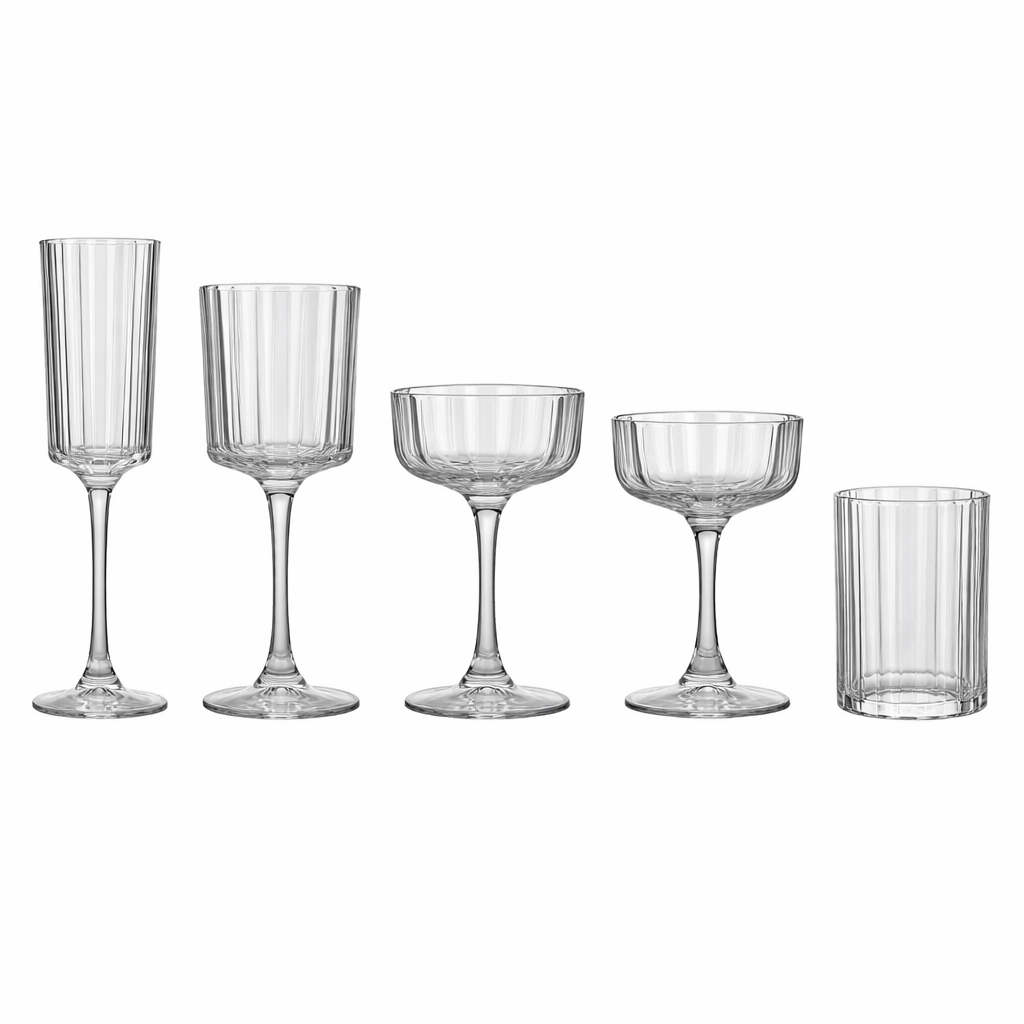
Example: A versatile glass drinkware set showcasing ribbed design and modern elegance.
4. Supply Chain & Logistics Efficiency
Key Questions: What is the order lead time? Does the supplier have warehousing for fast delivery of popular items? How do they handle packaging and logistics?
Industry Benchmark: Suppliers with large warehousing (e.g., 2,000+ sqm) can offer faster turnaround on stock items, a crucial factor for JIT inventory models or replenishing fast-moving goods. Efficient logistics partnerships ensure safe delivery of fragile glassware.
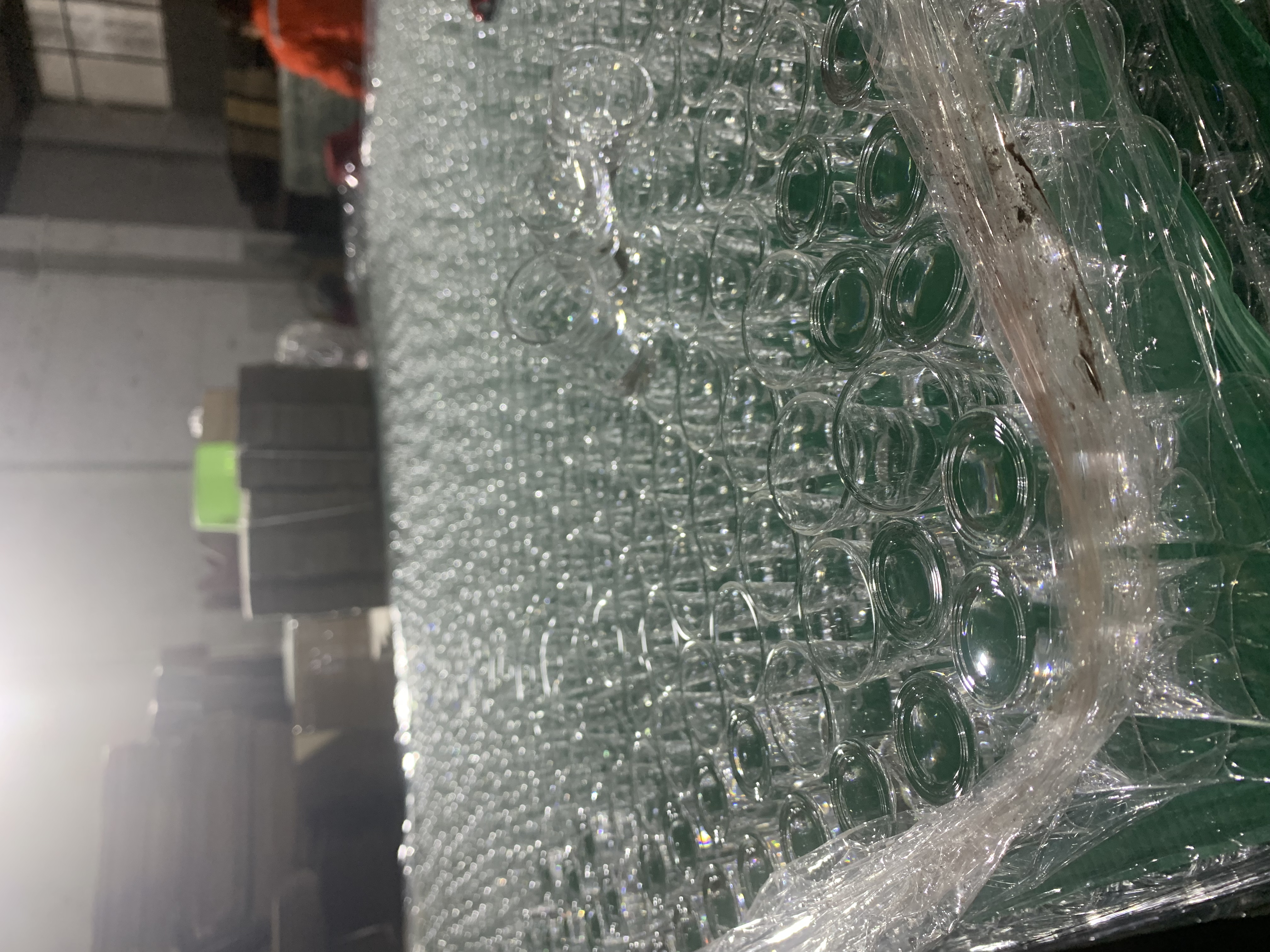
A well-organized warehouse is key to reliable fulfillment.
Strategic Sourcing Considerations for Specific Product Categories
Sustainable & Recycled Glassware
Demand for eco-friendly products is soaring. Evaluate a supplier's genuine commitment by examining:
- Material Sourcing: Transparency about post-consumer recycled (PCR) glass content.
- Product Lines: Dedicated collections like recycled glass mugs, bottles, and storage jars.
- Certifications: Environmental management (ISO 14001) supports green claims.
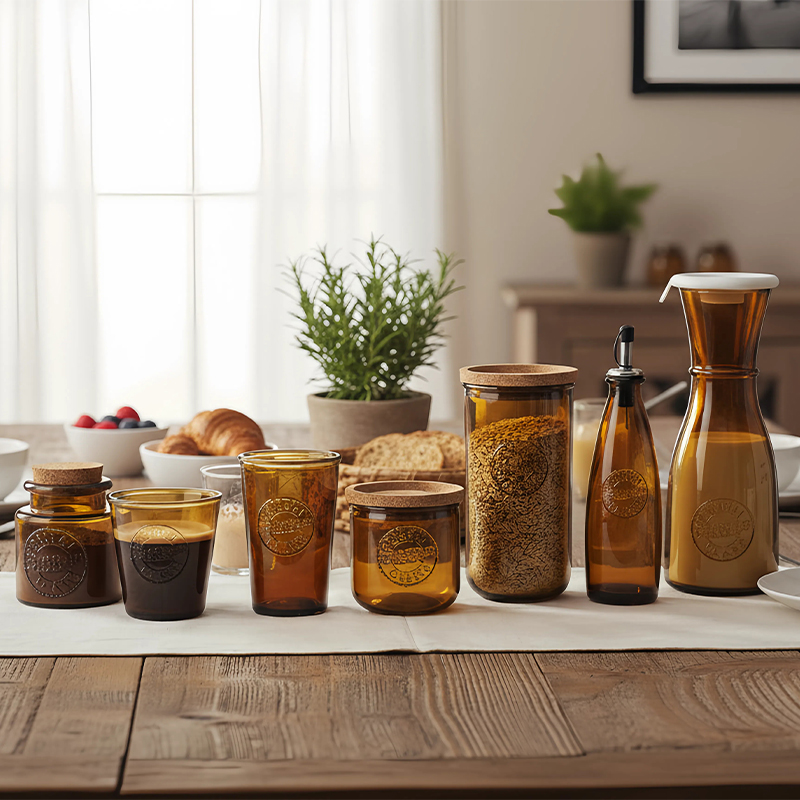
Amber Recycled Glassware Set
Sustainable option for eco-conscious dining.
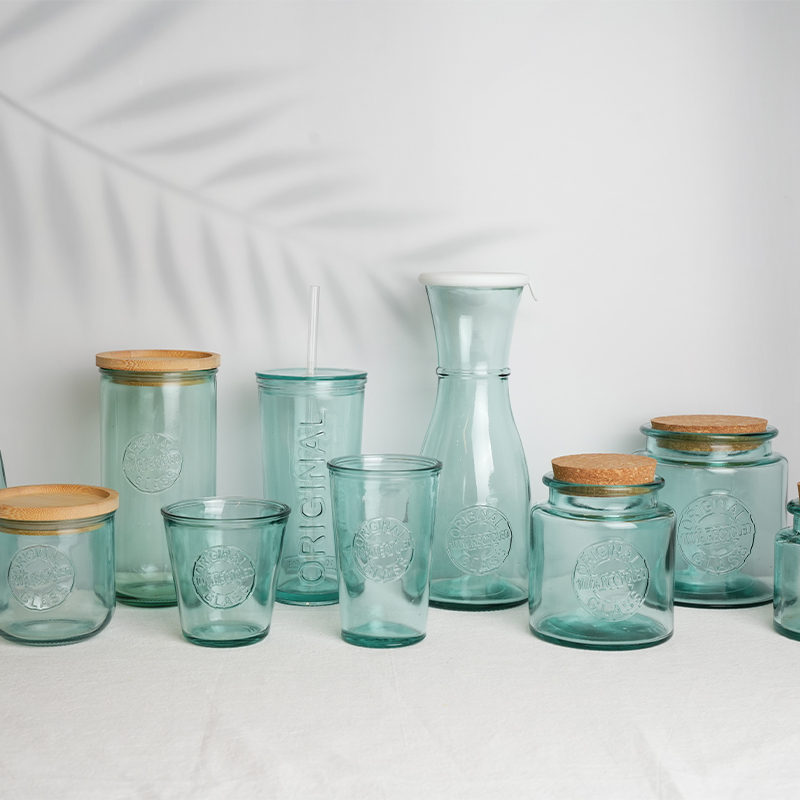
Recycled Glassware Sets
Cohesive collections for modern households.
Specialty Drinkware
For wine glasses, cocktail glasses, and beer glasses, precision in form and function is critical. Assess:
- Technical Design: Proper bowl shape for aroma (wine glasses), flute design for bubble retention (champagne glasses).
- Manufacturing Consistency: High clarity, even thickness, and stem stability.
- Trend Alignment: Offerings like wide ribbed highball tumblers or colored wine glasses.

450ml Fluted Champagne Glass
Designed to enhance bubbles and aroma.
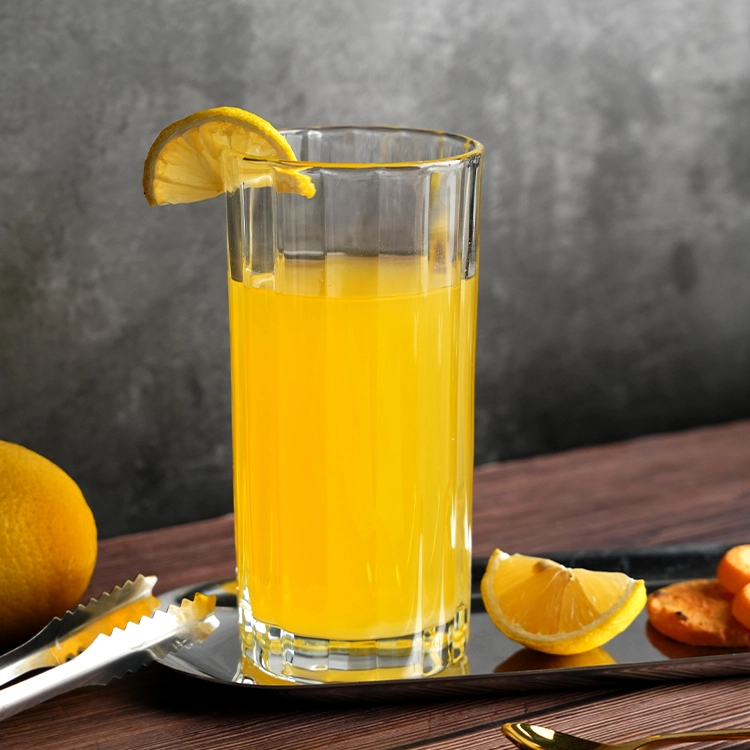
360ml Wide Ribbed Highball Tumbler
Modern design for cocktails and long drinks.
Due Diligence Checklist: Verifying Supplier Credentials
Before finalizing a partnership, conduct these verification steps:
- Request Audit Reports: Ask for recent BSCI, ISO, or factory audit summaries.
- Ask for References: Request case studies or contact information for long-term clients in your region.
- Sample Evaluation: Order physical samples to personally assess quality, finish, packaging, and durability.
- Factory Visit/Virtual Tour: If possible, visit the headquarters or key partner factories, or request a virtual tour of production lines and quality inspection processes.
- Review Communication: Evaluate responsiveness, professionalism, and technical knowledge during the inquiry process. A 24-hour response window is a good industry indicator.
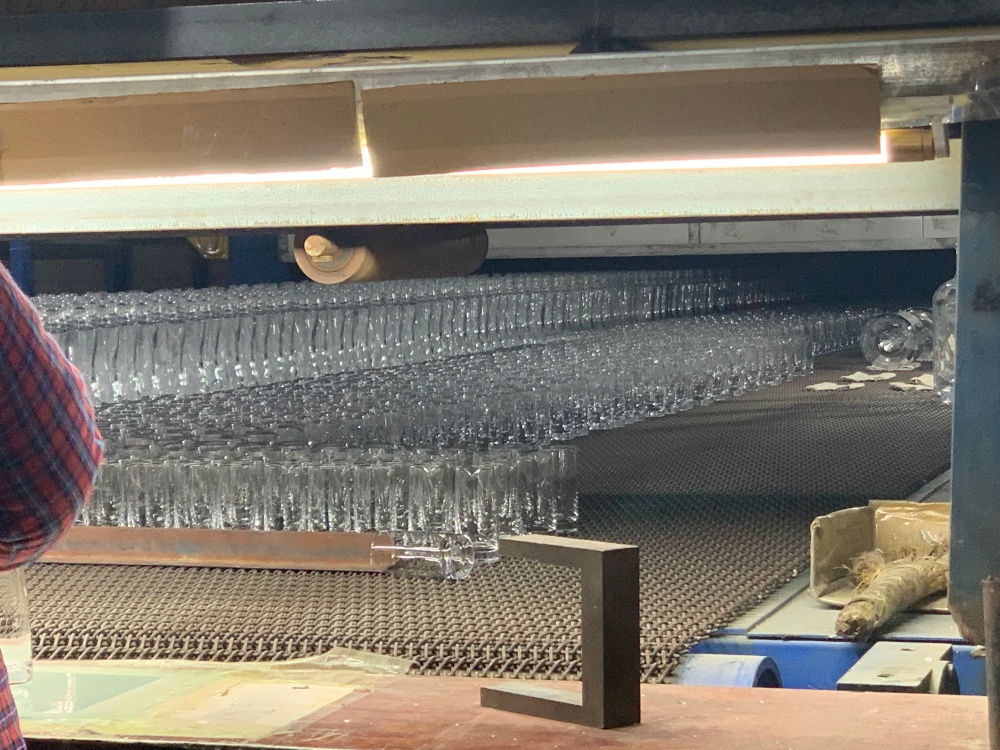
A rigorous quality inspection process is fundamental for consistent product delivery.
Conclusion: Building a Long-Term, Value-Driven Partnership
Selecting a glassware supplier is a strategic decision that affects product quality, brand reputation, and supply chain stability. The ideal partner is not merely a vendor but a collaborative resource with deep manufacturing expertise, rigorous quality systems, adaptive design capabilities, and a commitment to sustainable and ethical practices.
Suppliers that exemplify these traits, such as LAKOTTO with its two-decade industry presence, extensive factory network, comprehensive certifications, and focus on market-driven innovation, are positioned to act as true one-stop sourcing solutions. They enable buyers to navigate market trends—from the rise of recycled glass jars to demand for stylish double wall glass cups—with confidence and agility.
By applying the structured evaluation framework outlined in this guide, procurement professionals can make informed decisions, mitigate risks, and establish partnerships that deliver lasting value and support business growth in the dynamic glassware market of 2026 and beyond.
For Further Information
This guide is based on industry analysis and publicly available data from leading suppliers. For specific inquiries about product catalogs, certifications, or custom project capabilities, you may contact representative companies directly.
Example Supplier Contact (LAKOTTO / Changsha Kotto Glass Industrial Co., Ltd):
Website: www.kottoglass.com
Email: cs61@kottoglass.com
Phone/WhatsApp: +86 19310185010
Address: Room 1403, Building 1, Hongxiang Huayuan, NO.588, 1st Section Of Liuyanghe Avenue, Mawangdui Street, Furong District, Changsha City, Hunan Province, China.