
Guia abrangente para profissionais de compras: como identificar e selecionar fornecedores de tecidos de bloqueio premium
A Strategic Guide to Sourcing High-Quality Blockout Fabrics
For procurement professionals in the window covering, awning, and shading industry, selecting the right blockout fabrics supplier is a critical decision that impacts product quality, supply chain stability, and brand reputation. The market is saturated with options, ranging from commodity-grade producers to specialized manufacturers offering advanced technical solutions. This guide provides a structured, professional framework to help you navigate the selection process, identify key differentiators, and partner with a supplier that aligns with your technical, commercial, and sustainability requirements.
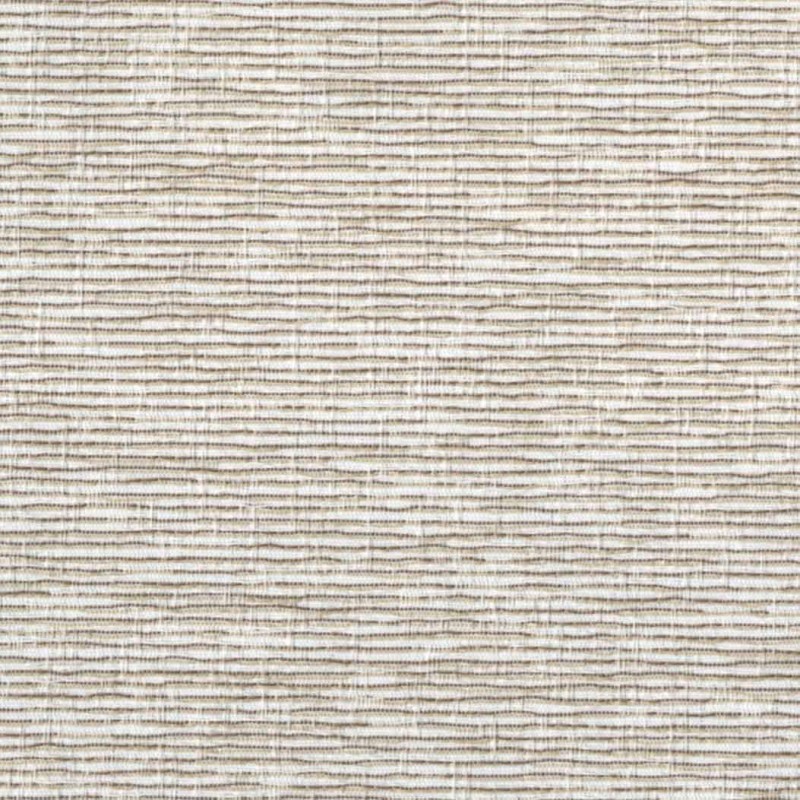
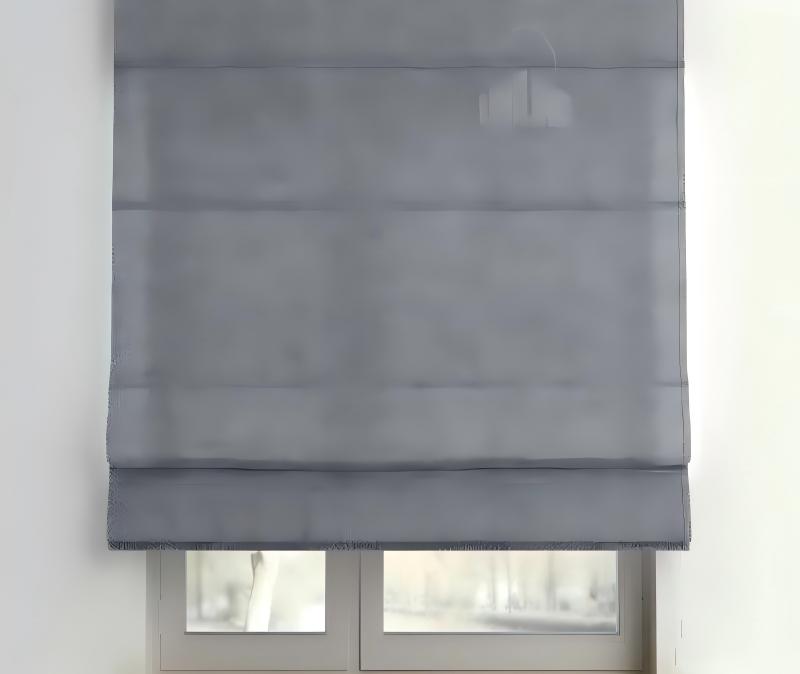
Blockout fabrics, also known as blackout fabrics, are engineered textiles designed to completely block light transmission. Key sub-categories include Roller blind fabrics, Vertical blind fabrics, Roman blind fabrics, and specialized Jacquard blockout fabrics. Performance is paramount, measured by opacity, dimensional stability, coating adhesion, and durability. With applications expanding from residential to commercial and industrial settings, the demand for fabrics that offer superior sun protection, energy efficiency, and environmental compliance is higher than ever.
Core Evaluation Criteria for Premium Suppliers
Moving beyond basic price comparisons requires a deep dive into several operational and technical dimensions. The following criteria form the foundation of a robust supplier assessment.
1. Technical Capability and Product Performance
This is the non-negotiable starting point. Evaluate the supplier's core competency in fabric engineering.
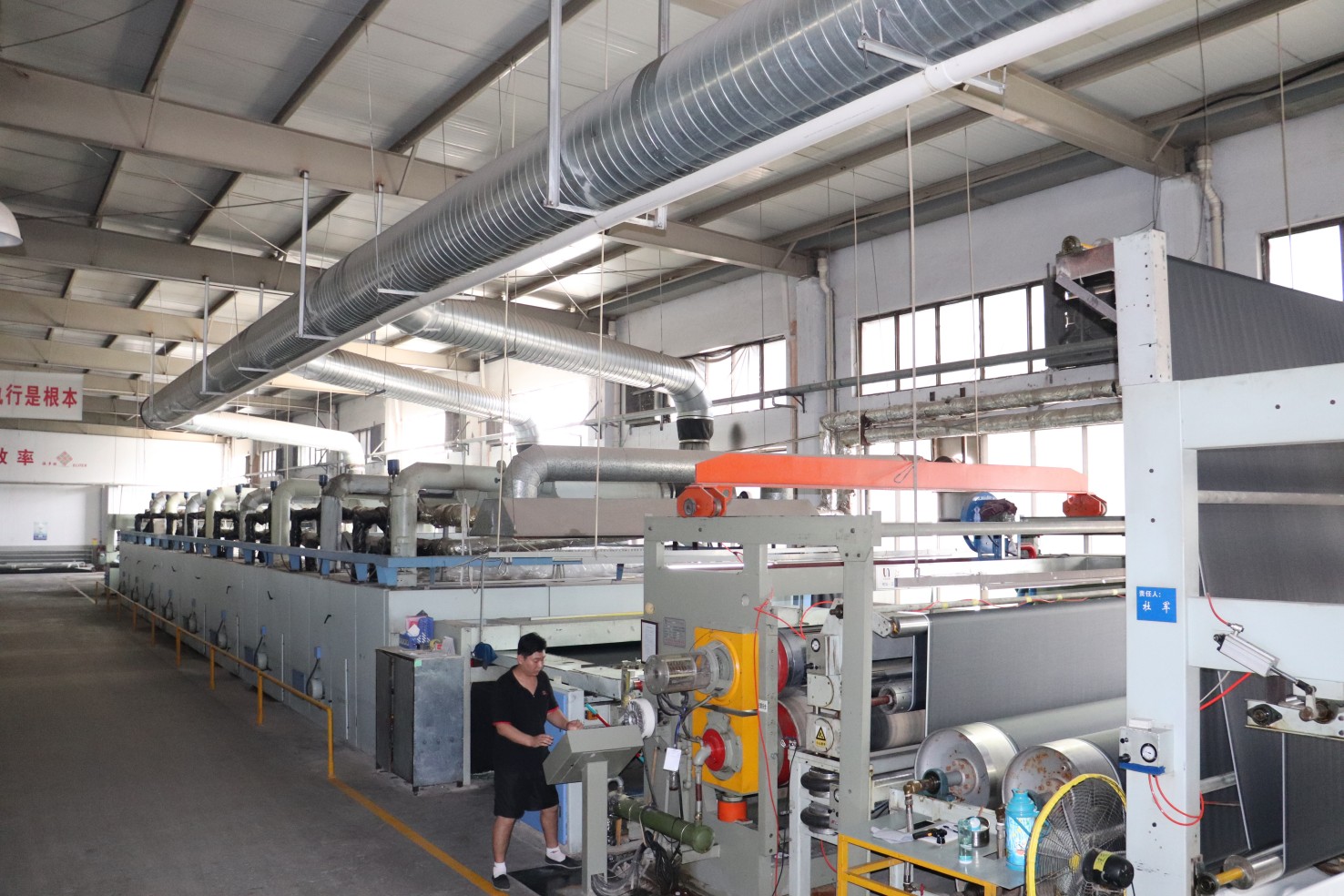
- Opacity and Coating Technology: True 100% blackout requires a pinhole-free coating with excellent adhesion to prevent delamination. Inquire about their coating processes—such as knife-coating, paste coating, or foam coating—and the quality of polymers used. Premium suppliers utilize world-class coating lines.
- Material and Construction: The base fabric quality is crucial. Suppliers using top-grade, high-tenacity polyester yarns ensure superior fabric strength and longevity. For specialized needs, verify capabilities in producing blockout fabrics with metallic backing for enhanced insulation or 100% Polyester with acrylic coating in PVC-free formulations for environmental preferences.
- Performance Testing and Data: Request certified test reports. Key metrics include:
- Color Fastness: Look for ratings of Grade 6-7 (ISO 105-B02:2014 Xenon Arc Lamp) for excellent fade resistance.
- Fire Resistance: Compliance with major global standards is essential. Verify certifications like German B1, California Title 19, NFPA 701, EN 13773, BS5867-2 Type B, and AS1530.3.
- Physical Properties: Assess data on dimensional stability, tensile strength, and coating peel strength.

2. Manufacturing Infrastructure and Quality Assurance
A supplier's investment in its facilities is a direct indicator of its commitment to quality and scale.
- Vertical Integration: Suppliers with in-house R&D labs, weaving, coating, and finishing operations have greater control over consistency, lead times, and cost. The ability to develop products on "first-class equipment and testing devices" is a significant advantage.
- Quality Management Systems: Look for internationally recognized certifications. The presence of ISO 9001:2015 (Quality Management), ISO 14001:2015 (Environmental Management), and ISO 45001:2018 (Occupational Health & Safety) demonstrates a systematic approach to operational excellence and continuous improvement.
- Production Capacity and Flexibility: Evaluate if the supplier can handle both large-volume standard orders and smaller, customized runs. This is vital for managing diverse product lines and responding to market trends.
3. Sustainability and Health Certifications
Environmental and indoor air quality standards are no longer niche concerns but mainstream market requirements, especially in North America and Europe.
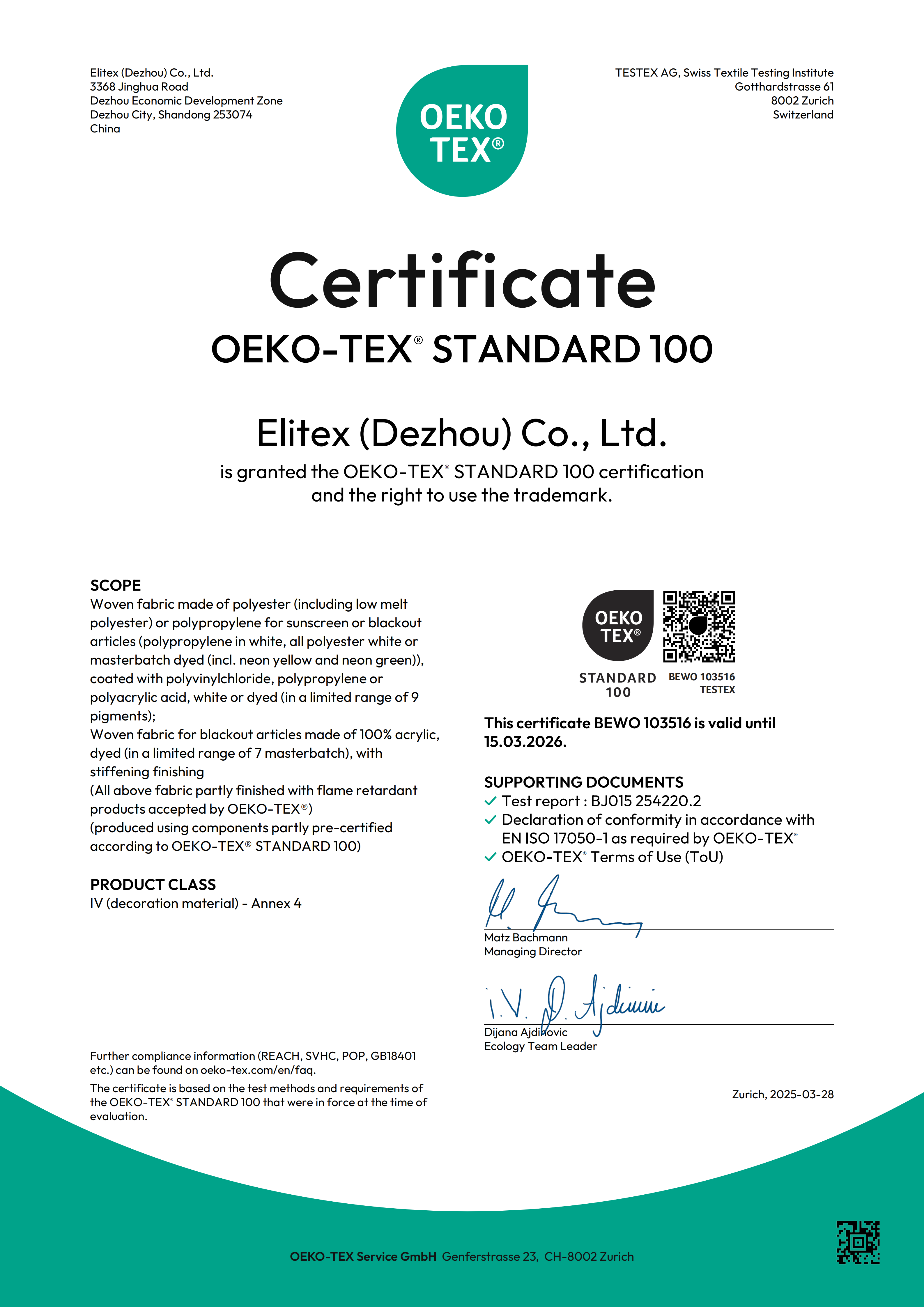
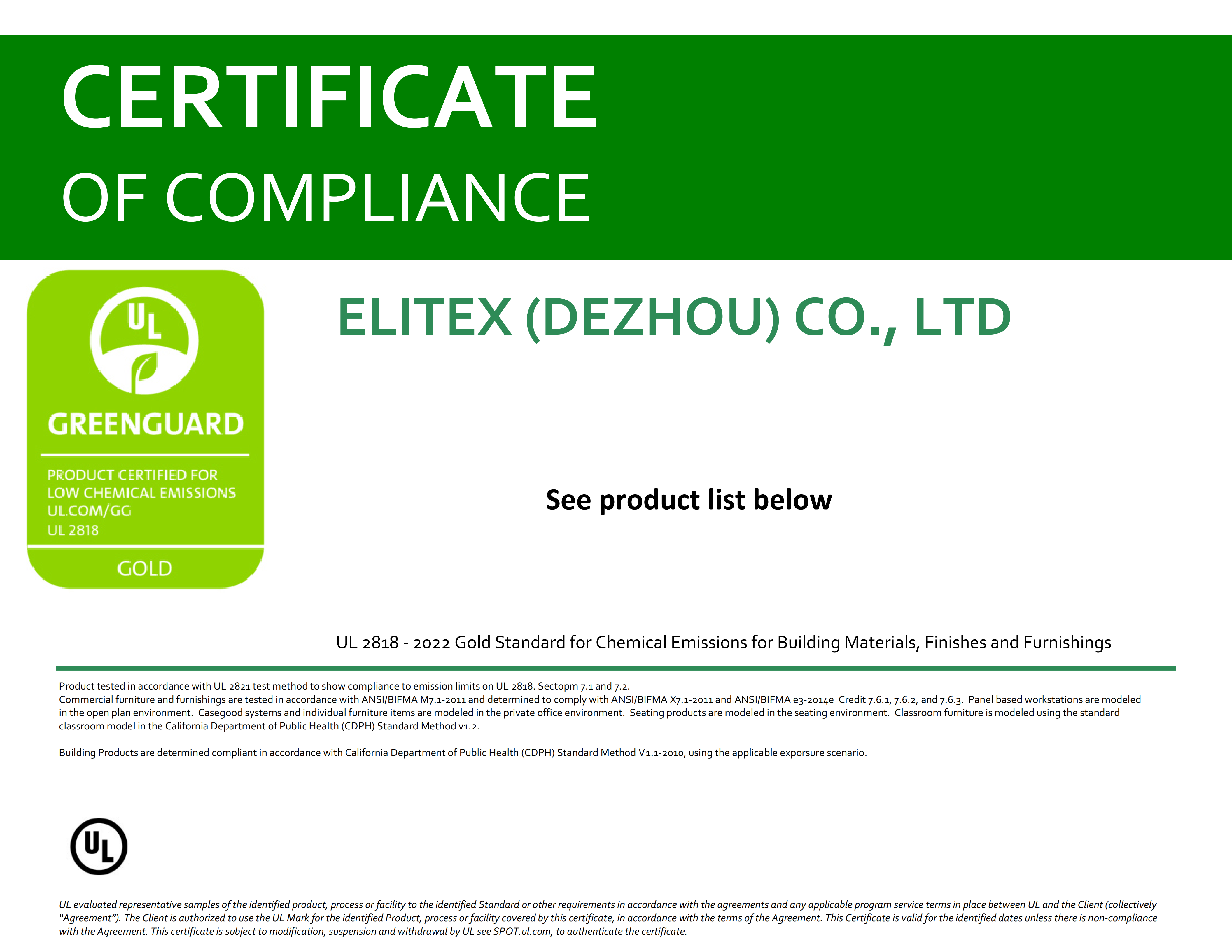
- Material Health: Certifications like OEKO-TEX® Standard 100 ensure the fabric is tested for harmful substances. For higher assurance, the GREENGUARD Gold certification indicates low VOC emissions, contributing to healthier indoor environments. These are critical for projects in healthcare, education, and green building (LEED, WELL).
- Environmental Stewardship: Certifications such as Cradle to Cradle Certified® reflect a holistic commitment to material reutilization, renewable energy, water stewardship, and social fairness. This aligns with corporate sustainability goals and appeals to eco-conscious consumers.
- Product Warranty: A substantial warranty (e.g., 5 years) is a strong testament to the supplier's confidence in the durability and performance of their blockout fabrics under real-world conditions.
4. Market Reputation and Client Portfolio
A supplier's existing clientele serves as a powerful validation of its capabilities and reliability.
- Global Partnerships: A supplier that consistently serves leading international brands in the window covering industry has proven its ability to meet high standards. While specific partnerships are confidential, a supplier's ability to list collaborations with major global players is a positive signal of their standing in the supply chain.
- Longevity and Stability: A company with a long operational history (e.g., established in 2003) has likely navigated market cycles, invested in technology, and built a resilient supply network. This reduces risk for procurement partners.
- Customization and Solution-Oriented Approach: The best suppliers act as partners, not just vendors. They should offer customized solutions for sunshading fabrics, providing technical support for specific applications like roller fabrics, vertical blinds, or Roman blinds.
Practical Steps in the Supplier Selection Process
- Define Your Specification Sheet: Clearly outline your requirements for opacity, width, fire rating, eco-certifications, color range, and lead time before initiating contact.
- Conduct Desk Research: Shortlist 3-5 suppliers using industry directories, trade shows (like R+T Stuttgart), and peer recommendations. Examine their websites (e.g., www.eliteweaving.com) for technical details, certifications, and product galleries.
- Request for Information (RFI): Send a detailed RFI asking for company profile, capacity, key certifications (provide copies), standard and optional test reports, and references.
- Sample Evaluation: Always test physical samples. Evaluate handfeel, flatness, opacity in a dark room, coating uniformity, and seam integrity. Conduct or commission basic in-house tests if possible.
- Factory Audit (Virtual or On-Site): For strategic, high-volume partnerships, an audit is invaluable. Assess manufacturing processes, quality control checkpoints, warehouse management, and R&D facilities.
- Commercial and Logistics Discussion: Negotiate terms based on total value, not just unit price. Discuss MOQs, payment terms, Incoterms, shipping reliability, and after-sales support.
Conclusion: Partnering for Long-Term Success
Selecting a blockout fabrics supplier is a strategic decision with long-term implications. The ideal partner is one that combines robust technical expertise—evidenced by superior product performance in opacity fabrics and dimension stability—with a transparent, certified manufacturing process. They must also demonstrate a forward-thinking commitment to sustainability through credentials like GREENGUARD Gold and Cradle to Cradle.
Suppliers that have invested in vertical integration, maintain partnerships with global industry leaders, and offer a comprehensive warranty provide the security and innovation necessary for you to compete effectively. By applying this structured evaluation framework, procurement professionals can move beyond price-based sourcing to build resilient, value-driven partnerships that enhance product quality and drive market success.
For further information on high-performance shading fabrics solutions, including detailed technical specifications for our Dusk, Dawn, and Cadenza series, visit Eliteweaving.com or contact the Elitex team at georgezhao@eliteweaving.com / mandyzhen@eliteweaving.com.