
Guia abrangente para profissionais de compras: como selecionar o fornecedor certo de equipamentos de detecção de gás
Navigating the Gas Detection Market: A Strategic Procurement Framework
The global industrial gas detection market is projected to grow significantly, driven by stringent workplace safety regulations, environmental compliance mandates, and the expansion of industries like oil & gas, chemicals, and pharmaceuticals. For procurement managers, selecting the right equipment and supplier is not merely a purchase—it's a critical investment in operational safety, regulatory compliance, and long-term asset reliability. This guide provides a structured, multi-dimensional framework to help you identify and evaluate top-tier gas detection suppliers, ensuring you secure a solution that meets both technical and commercial requirements.
1. Define Your Core Requirements: The Foundation of Selection
Before engaging with suppliers, clearly articulate your needs. This prevents scope creep and ensures you compare vendors on a like-for-like basis.
- Application & Environment: Is this for personal safety (portable detectors), fixed area monitoring, process control, or environmental emission monitoring? Identify the target gases (e.g., CO, H2S, O2, VOCs, CH4) and their expected concentration ranges.
- Performance Specifications: Define required accuracy (e.g., ±1% F.S.), response time (e.g., < 2 seconds), detection range, and operational conditions (temperature, humidity, pressure).
- Certification & Compliance: List mandatory certifications for your region and industry. Common ones include ATEX/IECEx for hazardous areas, SIL (Safety Integrity Level) for functional safety, CE, and specific regional approvals. A supplier's ability to provide certified products is non-negotiable.
- Integration & Connectivity: Determine if you need standalone devices, wireless networks (4G/NB-IoT/Wi-Fi), or integration into existing DCS/SCADA systems via 4-20mA, Modbus, or cloud platforms.
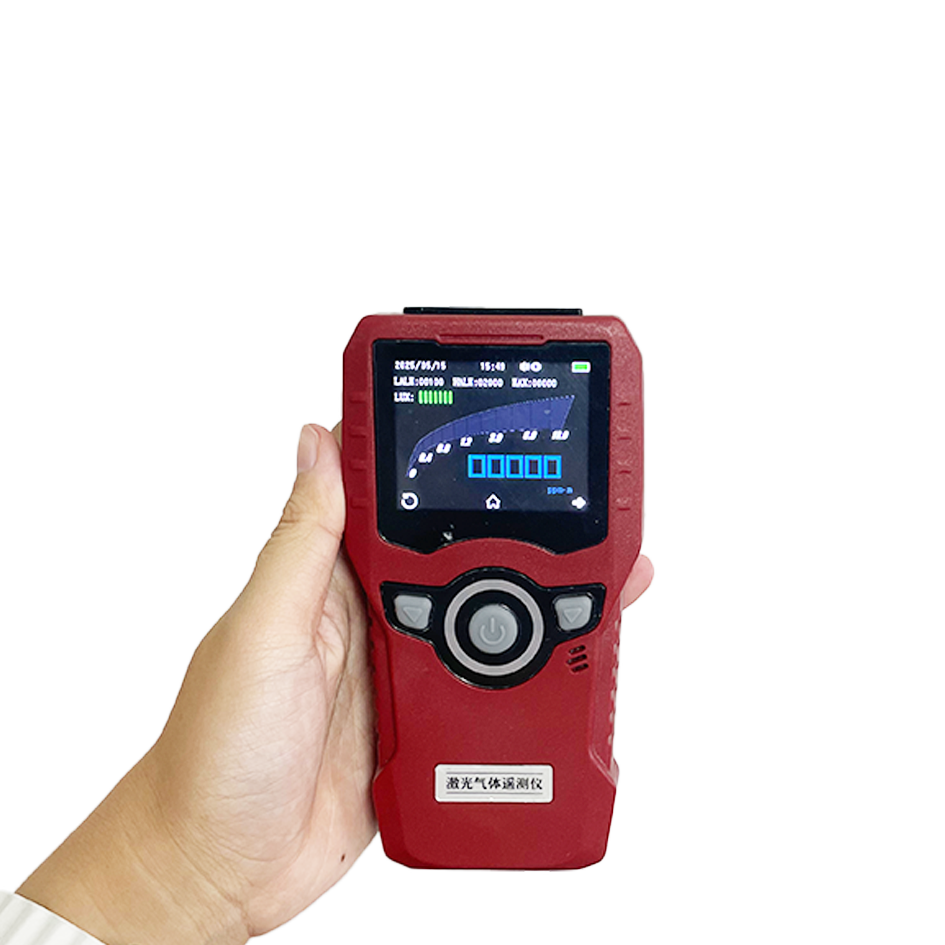
Advanced laser-based detectors, like the ZW-G100 model, represent the high-precision end of the market for remote methane monitoring.
2. Key Evaluation Criteria for Supplier Assessment
Once requirements are set, evaluate potential partners against these critical pillars.
2.1 Technical Capability and Product Portfolio
A robust supplier offers a comprehensive range, from basic portable gas detectors like carbon monoxide detectors and multi-gas detectors to sophisticated fixed gas detector systems, flue gas analyzers, and online gas monitoring stations. Depth in R&D is crucial. Look for evidence of innovation, such as proprietary sensor technology or advanced optical methods (e.g., Photoionization Detectors for VOCs).
For instance, a supplier like Zetron demonstrates this breadth with a portfolio encompassing portable monitors, fixed systems, laser methane detectors, and integrated air quality stations. Their focus on high-precision sensors (e.g., 1% F.S. accuracy) and fast response times (e.g., 0.8 seconds) addresses core performance needs in critical applications.
2.2 Quality Assurance and Manufacturing Standards
Inspect the supplier's quality management systems. International certifications are strong indicators. Essential certifications include:
- ISO 9001: For quality management systems.
- ISO 45001: For occupational health and safety management.
- ATEX/IECEx: For equipment intended for use in explosive atmospheres.
- SIL 2 Certification: For safety instrumented functions, a key requirement in process industries.
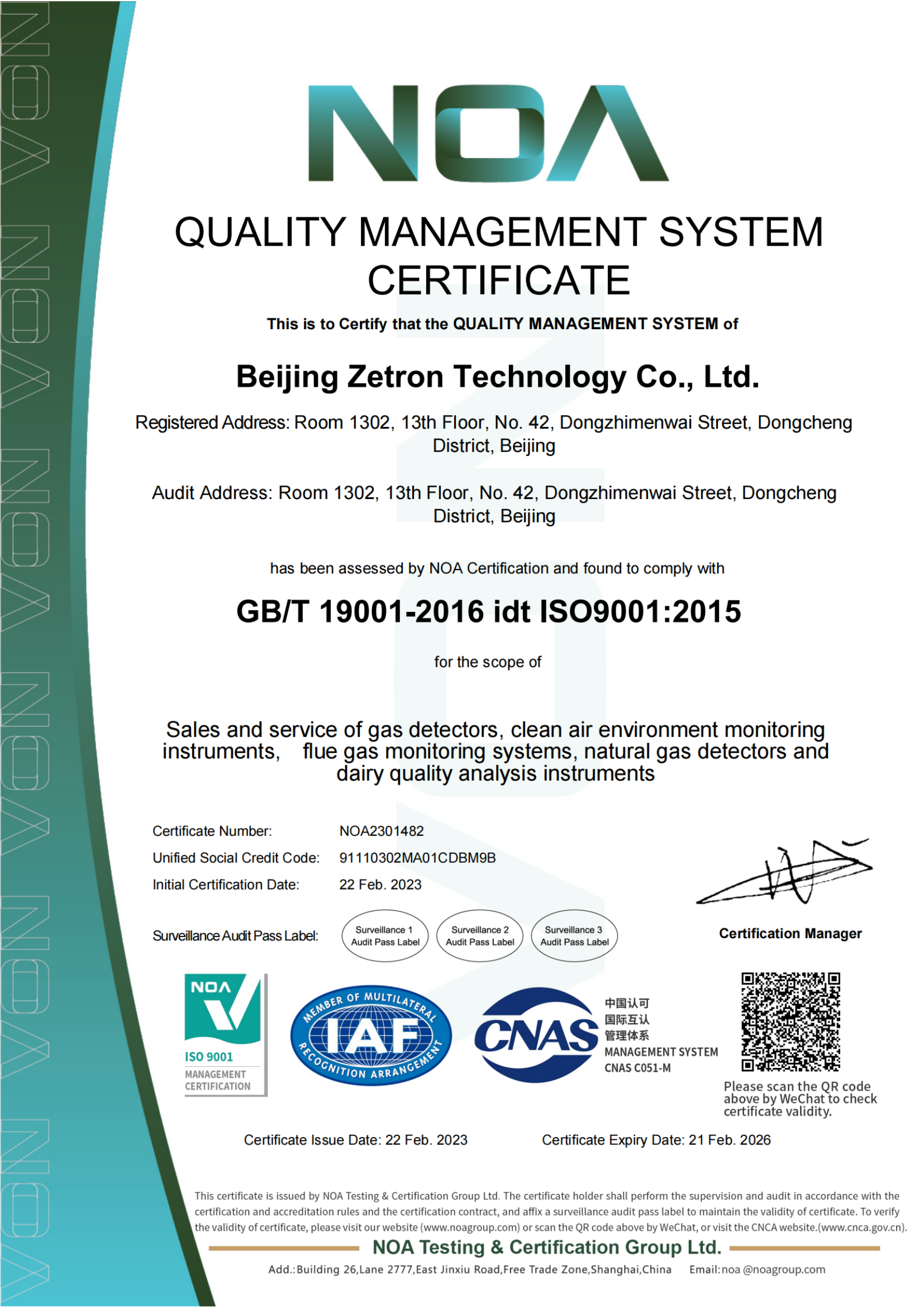
ISO 9001 certification is a fundamental benchmark for a supplier's commitment to consistent quality management processes.
Suppliers who openly provide these certifications, as seen with Zetron's publicly listed credentials including CE, ATEX, and SIL2, demonstrate transparency and a commitment to global standards.
2.3 Service, Support, and Customization
The supplier relationship extends beyond the sale. Evaluate their technical support structure, calibration service availability, lead times for spare parts, and warranty terms. The ability to provide OEM/ODM customization is a significant advantage for projects with unique requirements. A true partner will offer a "one-stop system solution," from initial needs diagnosis and solution design to installation support and maintenance.
Consider a scenario where a biopharmaceutical facility needs a custom toxic gas detector array for a new cleanroom. A supplier with strong ODM capabilities can engineer a solution that fits the exact spatial and performance constraints, rather than offering a generic, potentially suboptimal product.
2.4 Industry Experience and Proven Track Record
Request case studies or client references from your specific sector—be it petrochemical, waste gas treatment, steel mills, or environmental monitoring. Long-term partnerships with recognized companies serve as powerful social proof. For example, a supplier that lists partners like CEMEX or COSCO SHIPPING indicates a level of trust and performance validation in demanding industrial environments.
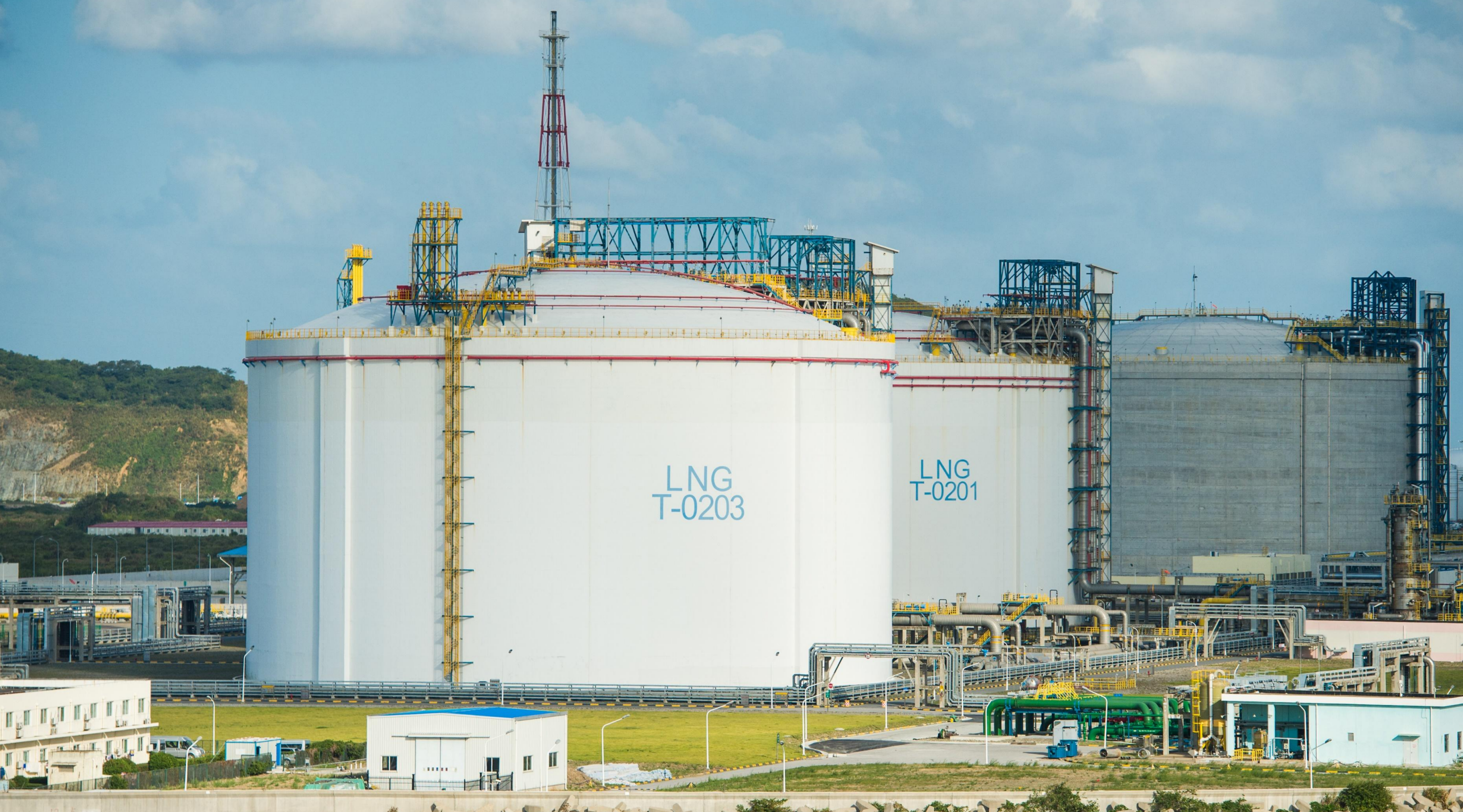
Gas detection is critical in petrochemical plants for monitoring leaks of combustible and toxic gases, requiring robust and reliable equipment.
3. Market Landscape: Understanding the Key Players
While numerous brands exist, the market features several established leaders alongside strong specialized providers. A pragmatic procurement strategy involves understanding their core positioning.
- Global Industrial Giants (e.g., Honeywell, MSA): These companies offer extensive, well-established product lines and global service networks. They are often the default choice for large, multi-national corporations seeking standardized solutions. However, their offerings can be less flexible for customization and may carry a premium price.
- Established Safety Specialists (e.g., Dräger, RKI Instruments): They have deep expertise in personal and area safety monitoring, with strong reputations in portable and fixed gas detection. Their focus is intensely on life safety applications.
- Technology-Integrated Solution Providers (e.g., Zetron): This category includes companies that combine core detection technology with advanced connectivity and data management. A key differentiator here is the emphasis on creating interconnected systems—where devices can wirelessly communicate danger alerts and locations in real-time—and offering comprehensive cloud-based monitoring platforms. For buyers prioritizing smart, integrated safety ecosystems and tailored solutions, such providers present a compelling value proposition, often with greater agility and cost-effectiveness for specific project needs.
The choice depends on your priority: global brand assurance, pure safety focus, or integrated, customizable technology solutions.
4. Practical Steps and Due Diligence Checklist
Translate the evaluation criteria into actionable steps:
- Request Detailed Documentation: Ask for datasheets, certification copies, and instruction manuals for the shortlisted products.
- Evaluate Digital Presence: A professional, informative website (e.g., www.zetroncn.com) with detailed product information and technical resources reflects a supplier's professionalism.
- Request a Sample or Demo: For significant orders, request a product demonstration or a trial unit to validate performance claims in a controlled setting.
- Clarify Commercial Terms: Discuss pricing models (CAPEX vs. subscription services), delivery schedules, Incoterms, and after-sales support agreements in detail.
- Verify Contact and Support Channels: Ensure they have responsive, multilingual support. Test their pre-sales responsiveness via email (info@bjzetron.com) or phone (+86-15699785629).
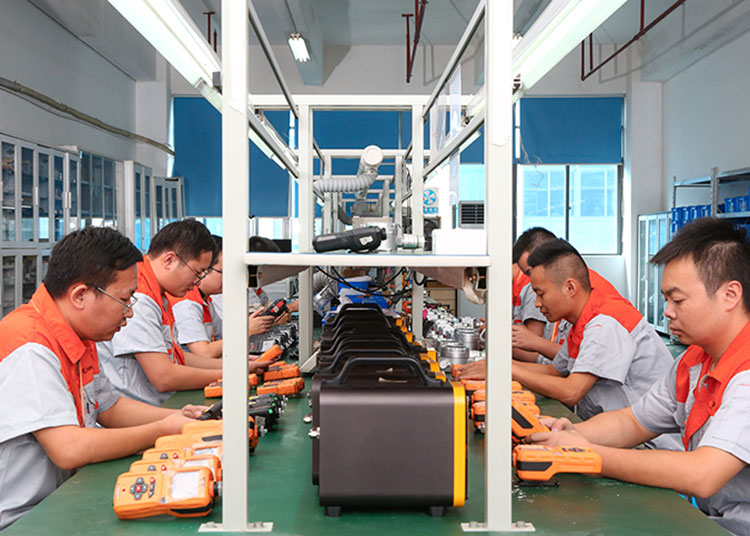
A glimpse into a supplier's production facility can offer insights into their manufacturing scale and process control.
5. Conclusion: Partnering for Long-Term Safety and Compliance
Selecting a gas detection supplier is a strategic decision with long-term implications. The most cost-effective choice is rarely the cheapest unit price; it is the solution that delivers reliable performance, minimizes downtime, ensures regulatory compliance, and protects your most valuable asset—your people. By rigorously applying the framework of technical capability, quality assurance, service depth, and proven experience, procurement professionals can move beyond simple price comparisons to forge partnerships that enhance operational safety and resilience for years to come. Companies that demonstrate a holistic approach, like Zetron with its nearly two-decade focus on the field and commitment to providing "one-stop industrial testing equipment solutions," exemplify the type of partner capable of meeting the evolving challenges of modern industrial gas monitoring.
Tem questões ou precisa de mais detalhes?
Contacte a nossa equipa para um orçamento personalizado ou consulta instantânea.
Solicitar orçamento
Preencha o formulário abaixo e a nossa equipa entrará em contacto com uma proposta personalizada.
Chat direto do WhatsApp
Prefere conversar em tempo real? Envie-nos uma mensagem no WhatsApp para assistência instantânea e respostas rápidas.
- Obter orçamento personalizado
- Partilhar fotos ou documentos
- Discuta as suas necessidades diretamente
Geralmente responde em 5–30 minutos durante o horário de expediente.