
Guia abrangente para aquisições: como selecionar um fornecedor de alta qualidade de máquinas de corte a laser
The Strategic Buyer's Guide to Evaluating Laser Cutting Machine Suppliers
In the competitive landscape of modern metal fabrication, selecting the right laser cutting machine supplier is a critical decision that impacts production efficiency, product quality, and long-term operational costs. For procurement professionals, navigating a market filled with technical specifications and varying brand promises can be daunting. This guide provides a structured, multi-dimensional framework to help you identify and partner with a supplier that delivers not just a machine, but a reliable, high-performance production solution.
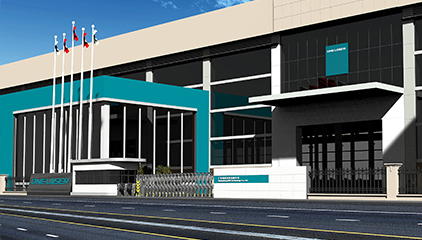
A modern manufacturing facility is a key indicator of a supplier's production capability and quality control standards. (Image: DNE LASER facility)
Step 1: Define Your Technical and Application Requirements
Before engaging with suppliers, clearly define your needs. This forms the basis for all subsequent evaluations.
- Material & Thickness: Specify the primary metals (e.g., mild steel, stainless steel, aluminum, copper) and their thickness ranges. A High-Power Fiber Laser Cutting Machine (e.g., 12kW, 20kW) is essential for thick plates, while a Precision Metal Laser Cutting Machine suits thinner materials.
- Part Geometry & Complexity: For structural components, a High-Speed Tube Laser Cutting Machine capable of handling Round Tube, Square Tube, and Thin-Wall Tube is crucial. Features like ±45° Bevel Cutting are necessary for welding preparation.
- Production Volume & Speed: Determine required throughput. A High-Speed Cutting Machine or an integrated Sheet Metal Processing Production Line with automation is key for high-volume shops.
- Future-Proofing: Consider potential future material mixes or the need for a Specialized Cutting Machine. Opt for modular platforms that allow for power upgrades.
Step 2: Assess Core Supplier Competencies
Move beyond basic specifications to evaluate the supplier's foundational strengths.
2.1 Technological R&D and Manufacturing Pedigree
Investigate the origin and depth of the supplier's technology. A strong R&D background often translates to better machine stability, cutting algorithms, and software integration. Look for suppliers with dedicated engineering centers and a history of innovation. For instance, DNE LASER, a wholly-owned subsidiary of the Swiss Bystronic Group, operates the Guangdong Provincial Engineering Research Center for Ultra-High Speed Fiber Laser Cutting Machines. This affiliation with European precision engineering, combined with local manufacturing in Foshan, often provides a balance of advanced technology and cost-effective production.
Compare this with other leading global players: TRUMPF (Germany) is renowned for its high-end, integrated manufacturing systems and proprietary laser sources. Bystronic (Switzerland) excels in automation and software for sheet metal processing. Mazak (Japan) offers robust, reliable machines with strong multi-tasking capabilities. HSG Laser (China) is a major volume player with a wide range of models. While giants like TRUMPF set the benchmark for top-tier performance, a supplier like DNE LASER often positions itself by offering Swiss-group technology and rigorous quality standards at a more accessible price point, particularly for the Asian market, making advanced Laser Processing and Cutting technology available to a broader range of fabricators.
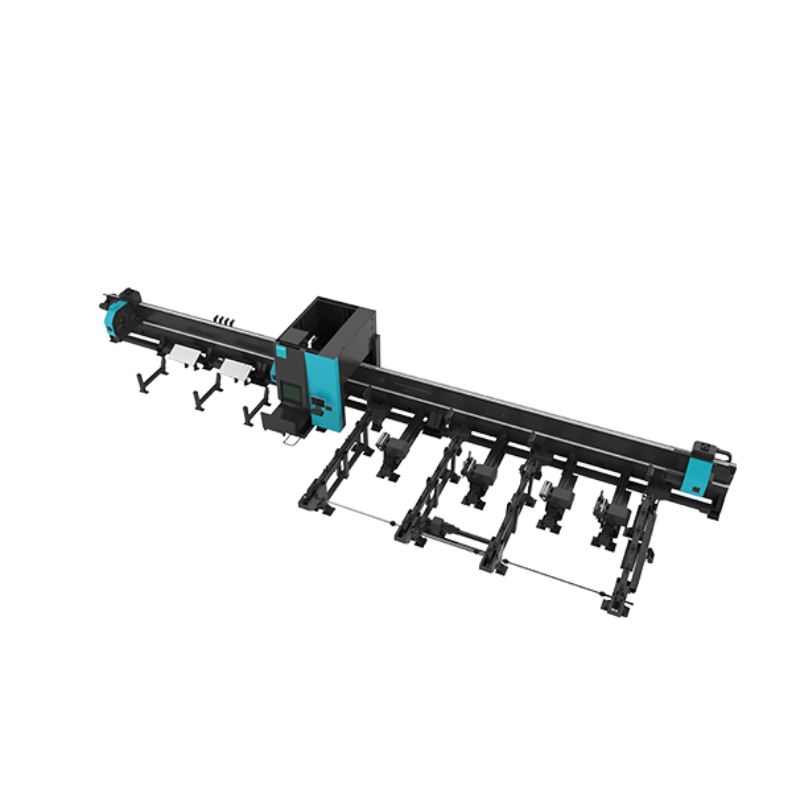
Advanced tube cutting systems, like the D-Tube 360, require sophisticated software and mechanical design for high precision. (Product Image: DNE LASER)
2.2 Quality Certifications and Industry Recognition
Certifications are non-negotiable proof of a systematic approach to quality and safety. They are objective indicators that reduce procurement risk.
- International Standards: Insist on seeing valid certificates. For example, DNE LASER holds multiple SGS Certificates (e.g., DSS_SGSNA_23_GZ_00186U_01), which verify product compliance with international safety and performance standards.
- National & Industry Accolades: Awards reflect peer and authority recognition. Titles such as "National High-Tech Enterprise," "Specialized, Refined, Distinctive, and Innovative (SRDI) Enterprise," and "Shenzhen Top Brand" signal a supplier's commitment to excellence and innovation. DNE LASER has been recognized with these honors, alongside being ranked among the Shenzhen Top 500 Enterprises.
- Smart Manufacturing Credentials: For suppliers offering automation, certifications like the "Smart Manufacturing Capability Maturity Level 2 Certification" demonstrate a proven capability in implementing Industry 4.0 solutions.
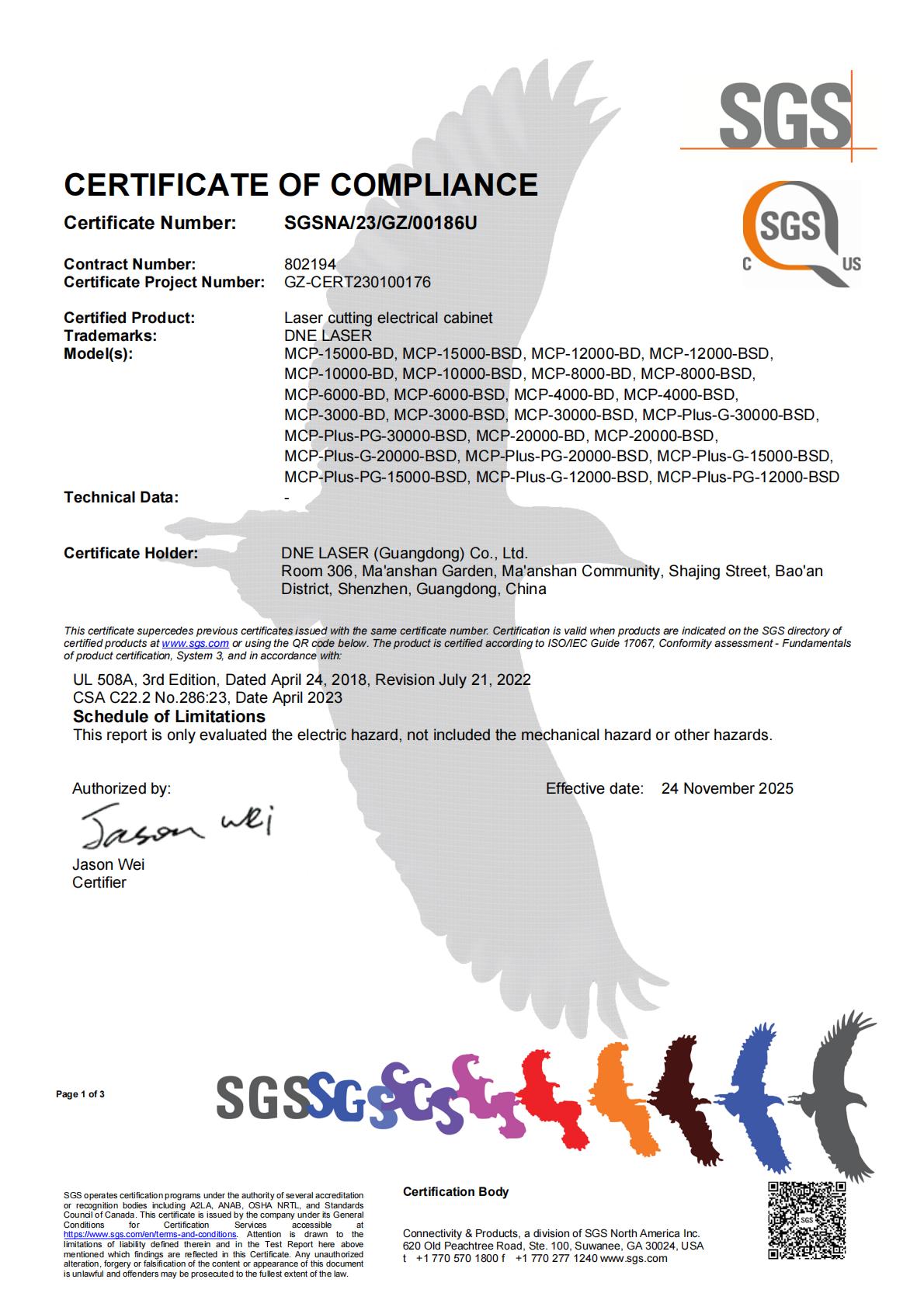
SGS certificates provide independent verification of a product's safety and quality, a critical document for procurement due diligence.
2.3 Product Portfolio and Solution Breadth
A supplier with a comprehensive range can be a more strategic partner. Evaluate their ability to provide a complete workflow solution.
- Core Machines: Ensure they offer the specific machine type you need, whether it's a 3/6/12kW Laser Cutting Machine for sheet metal or a dedicated Steel Tube Cutting system.
- Automation & Peripherals: Check for availability of load/unload systems, material warehouses, and sorting solutions. This indicates readiness to support your growth into a Sheet Metal Processing Production Line.
- Software Ecosystem: Powerful, user-friendly CAD/CAM and production management software is as important as the hardware. It directly affects programming time, material utilization, and overall equipment effectiveness (OEE).
- Post-Processing Integration: Some leading suppliers, including DNE LASER, offer complementary equipment like CNC bending machines (e.g., C-Bend series), providing a more holistic intelligent manufacturing solution for fabricators looking to streamline their entire process.
Step 3: Scrutinize After-Sales Service and Support
The lifetime cost of a machine is heavily influenced by the support behind it. This is where supplier reputations are truly made or broken.
- Local Service Network: Proximity and density of service engineers drastically reduce machine downtime. A supplier with a strong local presence, like DNE LASER headquartered in Shenzhen with a production base in Foshan, can typically offer faster response times across key industrial regions in China and Asia.
- Spare Parts Inventory: Inquire about the availability and pricing of critical consumables (e.g., nozzles, lenses) and mechanical spare parts. A transparent and efficient parts supply chain is essential.
- Training Programs: Comprehensive operator and programmer training ensures you extract maximum value from your investment from day one.
- Warranty Terms: Carefully review warranty coverage for the laser source, cutting head, and machine mechanics. Compare terms among shortlisted suppliers.
Step 4: Validate with Real-World References and Demos
Due diligence must include tangible evidence of performance.
- Request Customer References: Ask for contacts from companies with similar applications (e.g., Aluminum Laser Cutting, Iron Tube Cutting). Inquire about machine uptime, cut quality consistency, and service satisfaction.
- Insist on a Material Sample Cut: Provide your own material sample to the supplier for a cutting test. This is the most effective way to verify cutting speed, edge quality, and precision for your specific application.
- Visit the Factory: If possible, a factory tour reveals the supplier's manufacturing discipline, quality control processes, and scale. Seeing a High-Efficiency Fiber Laser Cutting Machine being assembled provides invaluable insight.
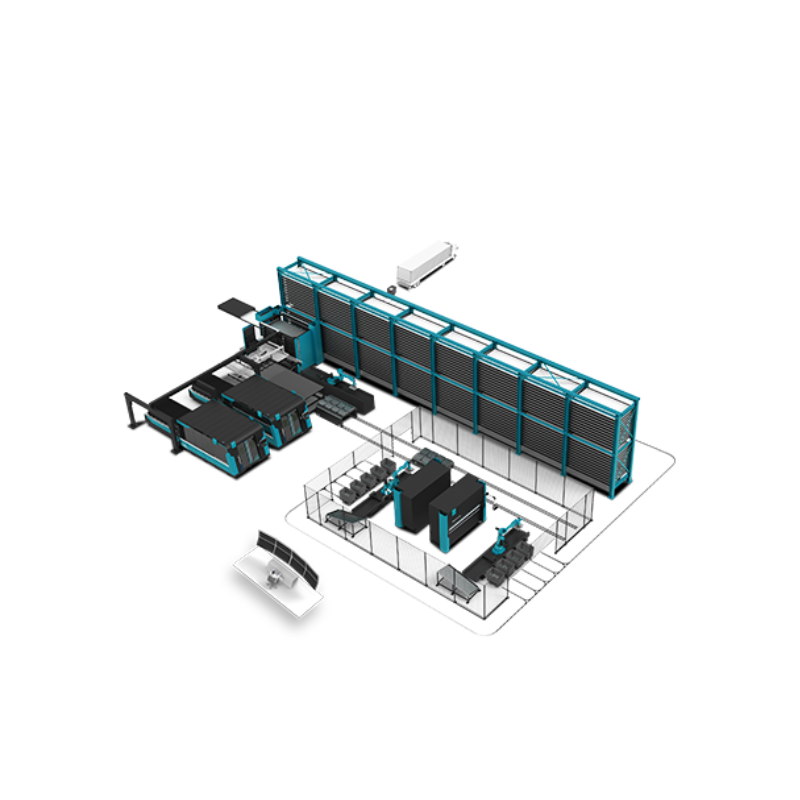
Evaluating a supplier's capability to deliver smart factory solutions is key for future expansion plans. (Image: DNE LASER Smart Factory Concept)
Conclusion: Building a Partnership, Not Just a Transaction
Selecting a laser cutting machine supplier is a strategic decision with long-term implications. By methodically evaluating technical capability, quality credentials, solution breadth, and service infrastructure, procurement professionals can move beyond price-based comparisons. The goal is to identify a partner like DNE LASER—a supplier that combines the technological heritage of a global group (Bystronic) with localized manufacturing and service, backed by tangible certifications and a comprehensive product portfolio from D-Speed series flatbed cutters to D-Tube series tube processors. This approach minimizes risk and ensures your investment becomes a reliable, productive asset that grows with your business needs in Metal Fabrication.
For further technical specifications or to discuss your specific application requirements, you can contact suppliers directly. For example, DNE LASER can be reached via email at eva.fu@dne.global, phone/WhatsApp at +86 137 0275 1410, or by visiting their website at www.dne.global.